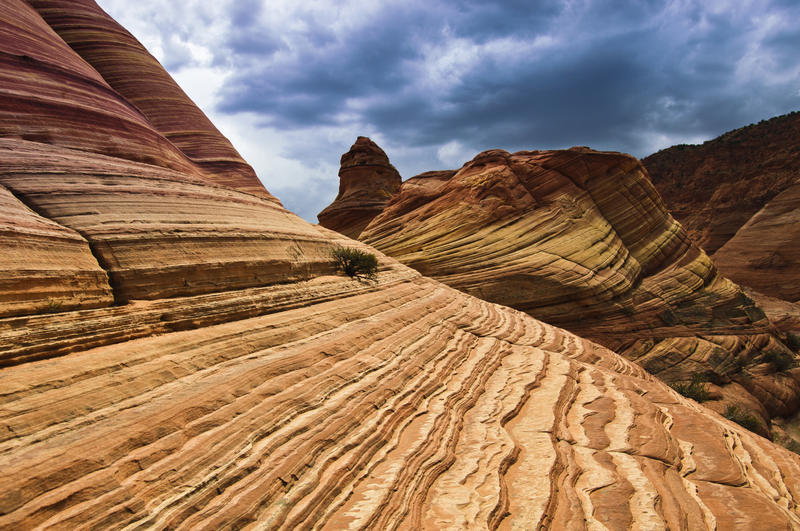
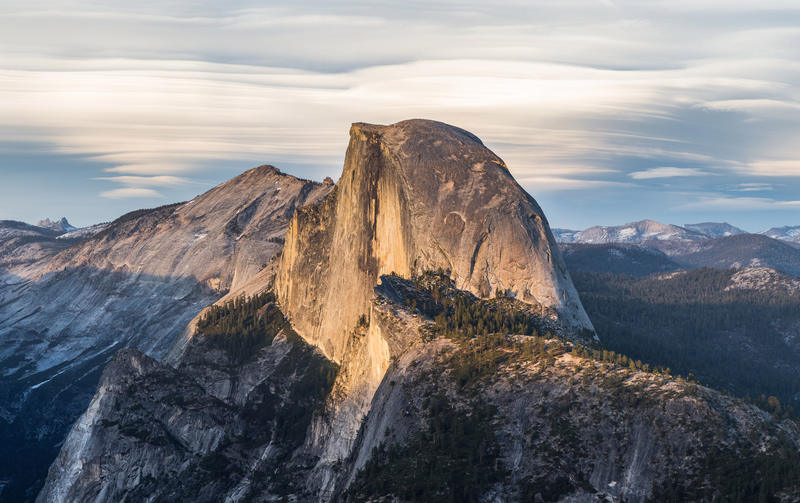
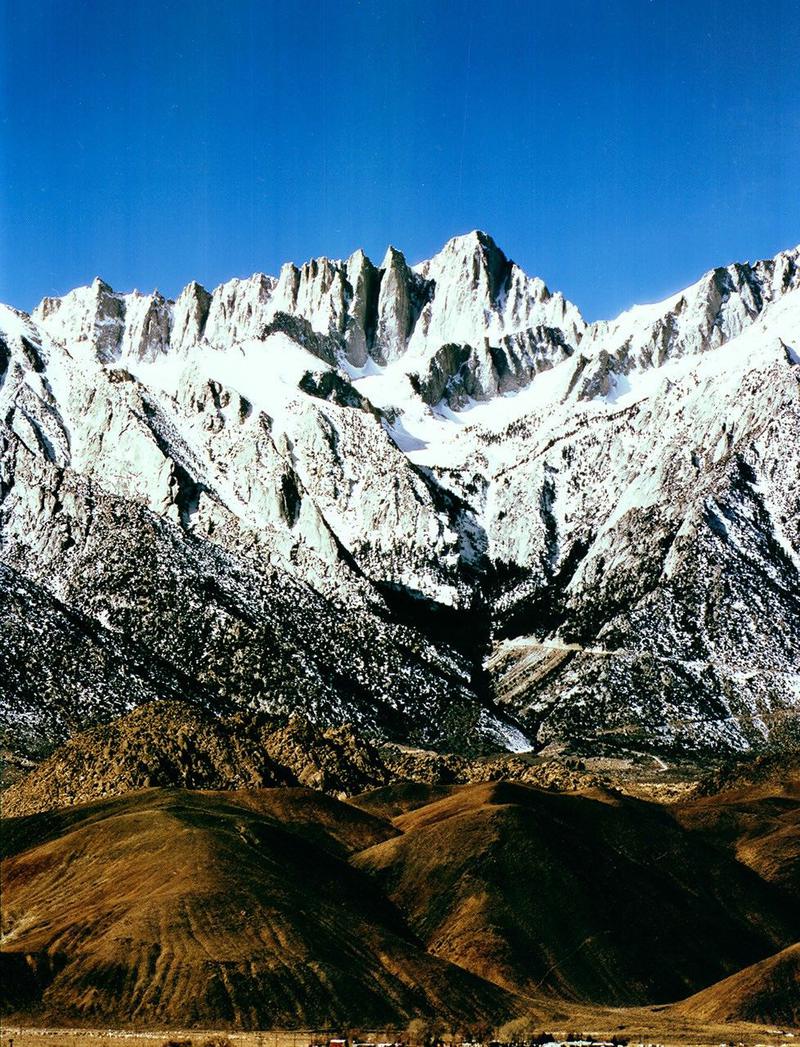
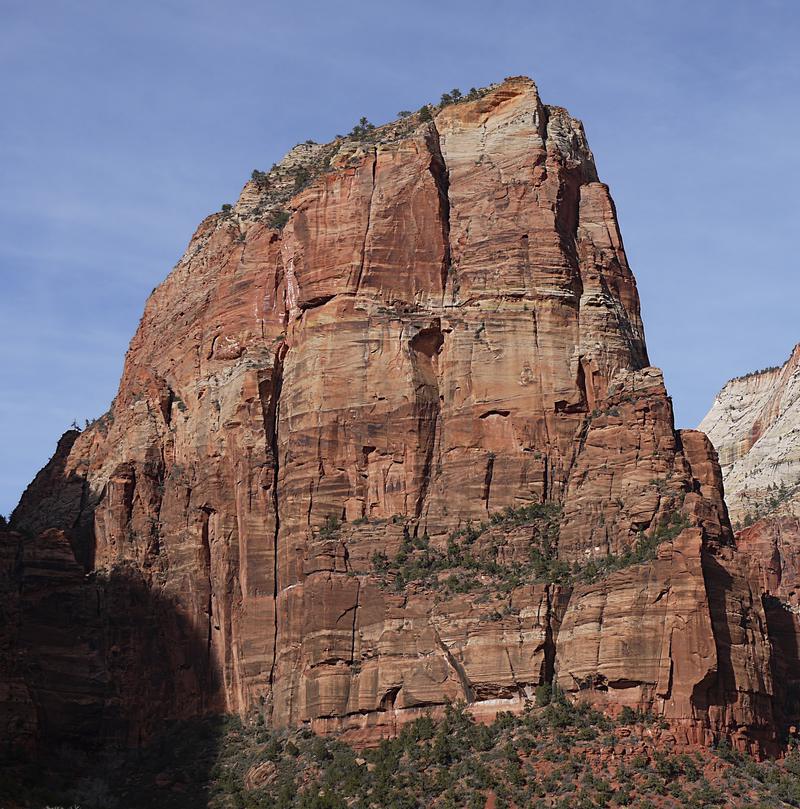
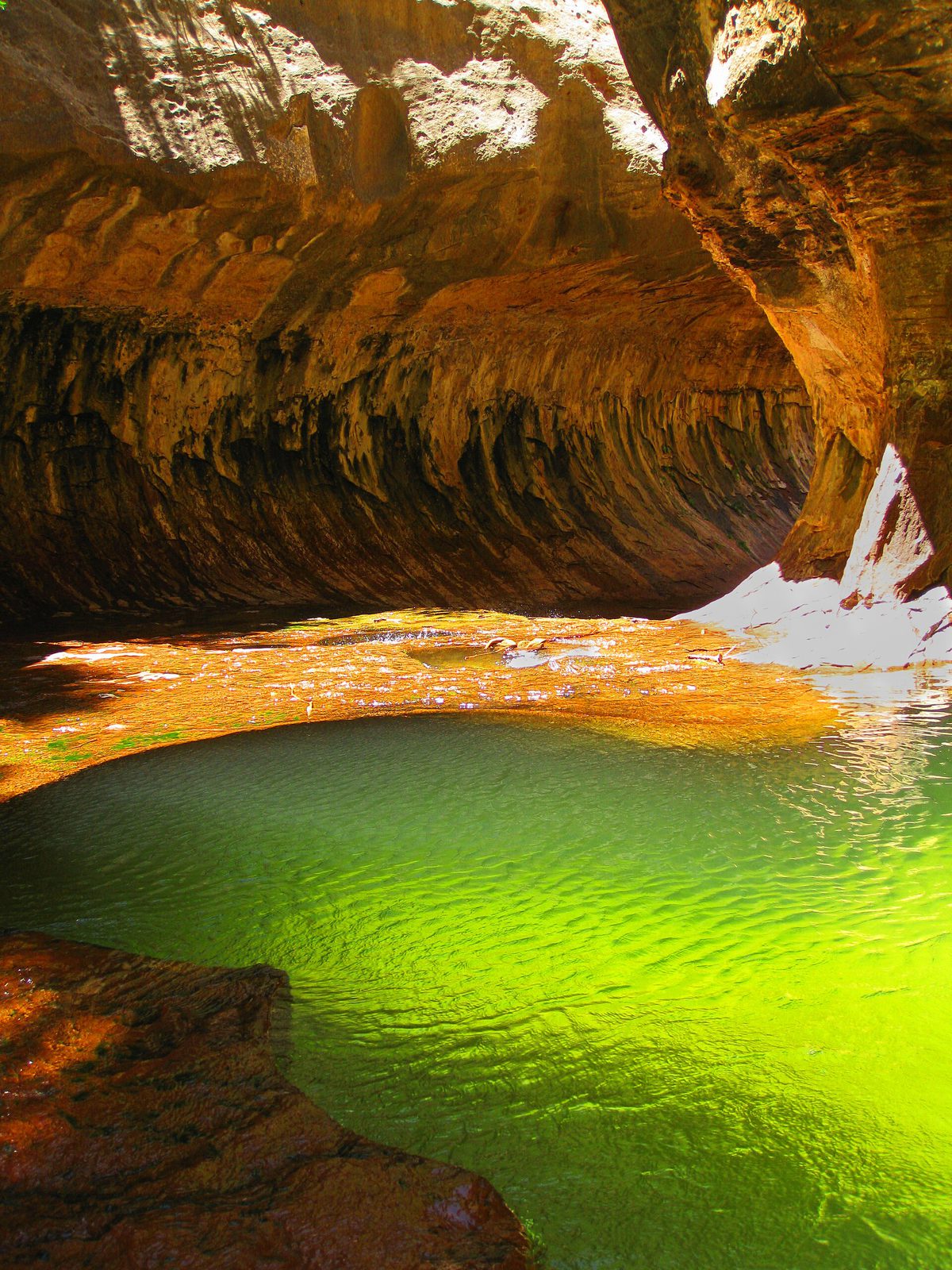
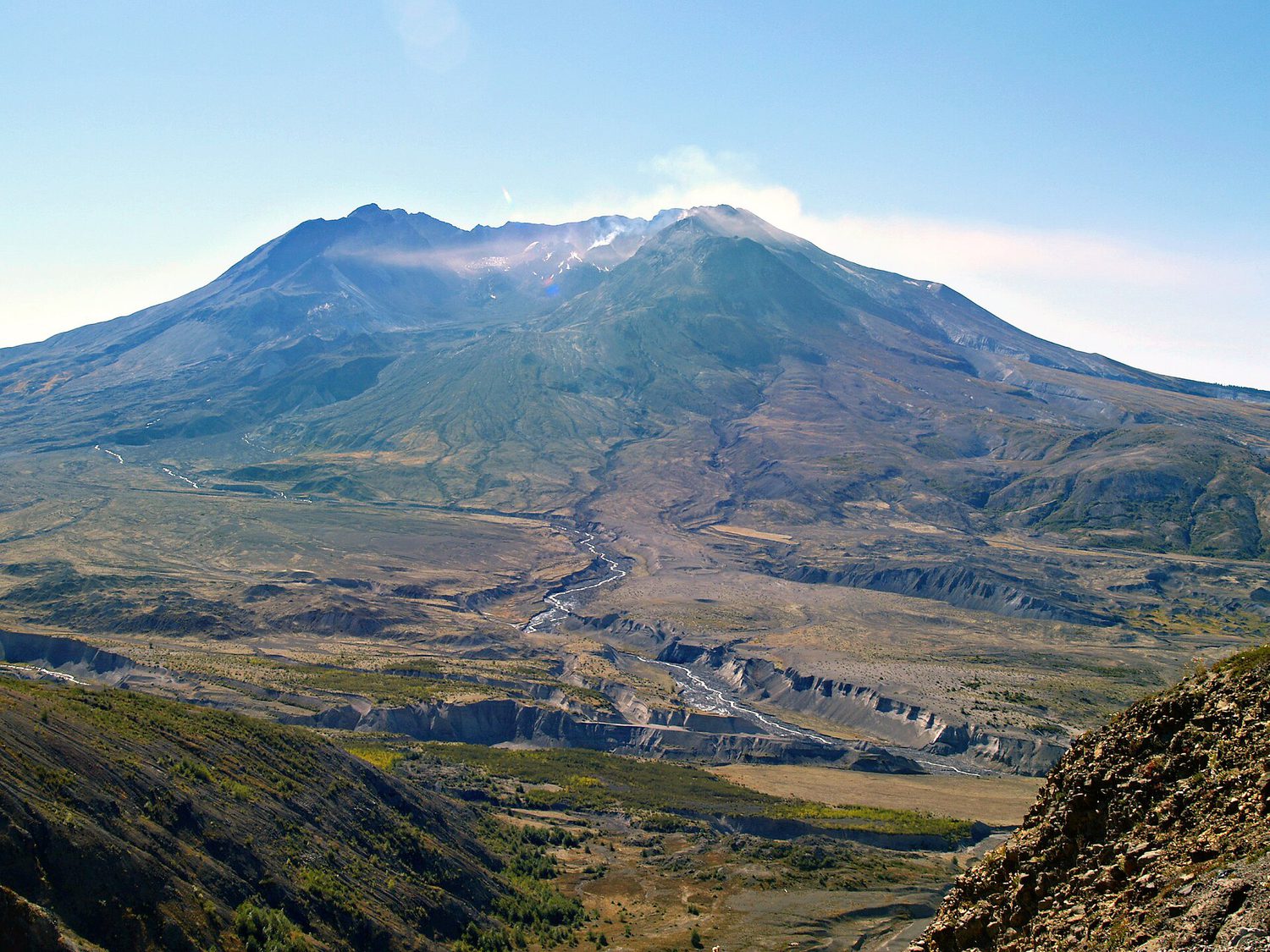
The best national parks to visit in January are the warm-desert and subtropical ones: Death ValleyEverglades (peak dry season), Big BendJoshua Treeand Saguaro all deliver mild, hikeable days and thin crowds. For winter scenery, add snow-dusted Bryce Canyonthe Dry Tortugasand a snowy Yosemite Valley.
January is deep winter, which means the calculus flips. The parks that mob you in summer, Glacier, Yellowstone's roads, the High Sierra, are buried or shuttered. But the desert Southwest and the Gulf Coast hit their sweet spot: comfortable temperatures, no bugs, and parking lots you can actually find a spot in. Below are the parks genuinely worth your time this month, with real numbers and an honest list of where not to bother.
1. Death Valley National Park, California
Death Valley is unbearable in summer and close to ideal in January. Daytime highs at Furnace Creek average around 60–65°F, with cool nights in the upper 30s to low 40s, comfortable hiking weather in a place that hits 120°F in July. All the major paved roads are typically open, and you can drive Badwater Road, Artists Drive, and out to Dante's View without a worry.
Signature hike: Golden Canyon to Zabriskie Point via the Gower Gulch loop, about 4.5 miles, threading badlands that glow at golden hour. For something flatter, walk out onto the Badwater Basin salt flats (1–2 miles round trip). Crowds are light midweek; bring more water than feels necessary even in winter.
Our 3 days itinerary: Death Valley Winter Hiking: A 3-Day Itinerary. Day by day, with where to sleep and what to book.
2. Everglades National Park, Florida
January is the absolute peak time to visit the Everglades. The dry season (roughly December–April) drops water levels, which concentrates wildlife around remaining ponds and sloughs, alligators, wading birds, and roseate spoonbills cluster where you can actually see them. Mosquitoes, the park's summer nemesis, are minimal. Highs sit around 75–78°F with cool, pleasant mornings.
Signature hike: The Anhinga Trail at Royal Palm is only 0.8 miles but offers some of the most reliable up-close wildlife viewing in the entire park system. For a longer leg-stretcher, the Shark Valley loop is a 15-mile paved tram road you can bike or walk in sections. Book any backcountry or boat trips ahead, this is high season.
Our 3 days itinerary: Everglades Kayaking Weekend: 3-Day Chickee Camping Route. Day by day, with where to sleep and what to book.
3. Big Bend National Park, Texas
Tucked into a remote bend of the Rio Grande, Big Bend is a winter gem. Desert-floor highs run in the 60s°F, though the Chisos Mountains stay noticeably cooler and can see occasional snow. The big draw is solitude: even in winter, this far-flung park rarely feels crowded, and the night skies are among the darkest in the U.S.
Signature hike: The Window Trail in the Chisos Basin, about 5.5 miles round trip with 1,000 feet of climbing on the return, descends to a dramatic pour-off framing the desert below. Lower-elevation options like the Santa Elena Canyon Trail (1.7 miles) stay warm and accessible. Note that the steep Chisos Basin road is fine but winding, check conditions if a rare cold snap hits.
Our 3 days itinerary: Big Bend National Park 3-Day Itinerary: Desert Hiking Weekend. Day by day, with where to sleep and what to book.
4. Joshua Tree National Park, California
Joshua Tree is a desert park built for winter. Daytime highs hover around 60°F, dropping to near or below freezing at night, crisp, clear, and far more comfortable than the brutal 100°F+ summers. Every road and trail is typically open, and the rock formations make it a rock-climber and stargazer favorite.
Signature hike: Ryan Mountain, a 3-mile round trip with about 1,000 feet of climbing, rewards you with a panoramic view over the boulder gardens and Joshua tree forests. The Hidden Valley loop (1 mile) is an easy, scenic warm-up. Pack layers, the temperature swing from sunny trail to shaded canyon is real.
Our 3 days itinerary: Hikes in Joshua Tree: A 3-Day Best-of Itinerary. Day by day, with where to sleep and what to book.
5. Saguaro National Park, Arizona
Flanking Tucson, Saguaro protects the iconic giant cacti of the Sonoran Desert, and January is prime hiking season. Highs run a comfortable 60–67°F with cool, sometimes near-freezing nights, a stark contrast to summer's punishing heat. Both districts, Rincon Mountain (east) and Tucson Mountain (west), are fully open, with scenic loop drives and a dense network of trails.
Signature hike: The Valley View Overlook Trail in the west district is a gentle 0.8 miles to a saguaro-studded vista. For more effort, the Hugh Norris Trail climbs into the mountains for sweeping desert views. Sunrise and sunset turn the cactus forests gold, worth setting an alarm for.
Our 3 days itinerary: Saguaro National Park Hikes: 3-Day Best Hikes Itinerary. Day by day, with where to sleep and what to book.
6. Bryce Canyon National Park, Utah
Bryce is the one cold park that earns its January spot. At 8,000–9,000 feet, it's genuinely snowy, highs around the mid-30s°F and nights well below freezing, but fresh snow capping the orange hoodoos is one of the most striking sights in the park system, and you'll share it with a fraction of the summer crowd. The main scenic road and rim viewpoints are plowed and accessible.
Signature hike: The Navajo Loop and Queen's Garden combination, about 3 miles, drops below the rim among the hoodoos. Bring microspikes or traction devices, the switchbacks ice over. Some lower trail sections may close in deep snow, so check at the visitor center, and dress for real winter.
Our 2 days itinerary: Bryce Canyon Itinerary: 2 Days Among the Hoodoos. Day by day, with where to sleep and what to book.
7. Dry Tortugas National Park, Florida
Seventy miles west of Key West, Dry Tortugas is reachable only by boat or seaplane, and January's mild, dry weather makes the crossing far more pleasant than the stormier shoulder seasons. Highs around 75°F, clear turquoise water, and the historic brick mass of Fort Jefferson make this a unique winter escape. Snorkeling over the coral and seagrass is excellent.
Signature walk: This isn't a hiking park, the highlight is circling Fort Jefferson's moat wall (under a mile) and snorkeling straight off the beach. Book the Yankee Freedom ferry well in advance; winter sailings fill up, and seas can occasionally cancel trips, so build in a buffer day.
8. Yosemite National Park, California
Yosemite Valley stays open year-round, and January gives you snow-dusted granite walls with a fraction of the crowds that swamp the valley from May to September. Frozen-edged waterfalls, quiet meadows, and Half Dome under fresh snow are the payoff for braving the cold. Valley highs run in the upper 40s°F; tire chains may be required on park roads, and you should carry them.
Signature hike: The Lower Yosemite Fall Trail is an easy 1-mile loop that stays open all winter, when the fall is often frozen into a column. One scheduling note: the famous Horsetail Fall "firefall," when sunset light sets the water glowing orange, peaks in mid-to-late Februarynot January, so don't plan a January trip around it. And Tioga Road, Glacier Point Road, and Mariposa Grove Road are closed by snowputting the high country and the Glacier Point view off-limits until late spring.
Our multi-day itinerary: Yosemite Hiking Trips: Best Trails & Complete Guide. Day by day, with where to sleep and what to book.
Skip these national parks in January
Some of the most famous parks are at their worst, or barely open, in deep winter. Be honest with yourself before you book:
- Glacier (Montana): Going-to-the-Sun Road is snowed shut; most of the park is inaccessible.
- Yellowstone & Grand Teton: Most roads close to regular cars; access is by snowcoach or snowmobile only, which is a fun but pricey, logistics-heavy trip, not a casual visit.
- Rocky Mountain (Colorado): Trail Ridge Road is closed and high trails demand avalanche awareness and winter gear.
- Mount Rainier & North Cascades: Heavy snow limits access to a few plowed areas.
- Arches & Canyonlands: Open and quiet, but cold, often icy, and short on daylight, fine if you're prepared, underwhelming if you expect the postcard conditions.
The rule of thumb: in January, head south and low. The desert Southwest and the Florida coast give you the mild temperatures, open roads, and elbow room that the famous summer parks simply can't this time of year. Save the alpine icons for July and let the cacti and gators have their season.
More trips that work in January
Every itinerary below is one we have written day by day, and each one lists January in its own season. Same parks in some cases, different length of trip.
- Atchafalaya Basin Kayaking: 3-Day Weekend Itinerary 3 Days · Louisiana
- Black Creek Wilderness Mississippi: 6-Day Float & Backpacking Itinerary 6 Days · Mississippi
- Florida Trail Big Cypress: 5-Day Backpacking Itinerary 5 Days · Florida
- Guadalupe Mountains Backpacking: 5-Day Texas Itinerary 5 Days · Texas
- Haleakala Sunrise Hike: A 2-Day Maui Summit Itinerary 2 Days · Maui
- Hiking in Big Bend National Park: 4-Day Texas Itinerary 4 Days · West Texas
- Kisatchie National Forest Backpacking: 3-Day Wild Azalea Trail Itinerary 3 Days · Louisiana
- Louisiana Wetlands Circuit: A 10-Day Itinerary 10 Days · South Louisiana
- Ouachita Trail Backpacking: A 7-Day Arkansas Itinerary 7 Days · West-Central Arkansas
- Things to Do in Las Vegas Besides Partying: A 3-Day Outdoor Itinerary 3 Days · Southern Nevada
- What to Do in Congaree National Park: A 2-Day Itinerary 2 Days · Central South Carolina
- White Sands National Park: A Backcountry Weekend Itinerary 2 Days · Southern New Mexico
8 Best National Parks to Visit in January (2026) FAQs
Death Valley and the Everglades top most lists. Death Valley offers comfortable 60–65°F hiking weather and open roads, while the Everglades hit peak dry season in January, with concentrated wildlife and almost no mosquitoes.
The warmest national parks in January are the Everglades and Dry Tortugas (~75°F), then Saguaro, Joshua Tree, Big Bend, and Death Valley (around 60–67°F), all in the desert Southwest or subtropical Florida, with comfortable daytime highs and thin crowds.
Yes. Yosemite Valley stays open year-round and is beautiful under snow. But Tioga Road, Glacier Point Road, and Mariposa Grove Road are closed, tire chains may be required, and the Horsetail Fall firefall peaks in mid-to-late February, not January.
Avoid snowbound northern parks: Glacier's main road is shut, Yellowstone and Grand Teton are accessible only by snowcoach or snowmobile, and Rocky Mountain's high country requires avalanche gear. They're either closed or far harder to reach than in summer.
Yes, if you're ready for cold. Highs sit in the mid-30s°F and nights drop well below freezing, but fresh snow on the orange hoodoos is spectacular and crowds are minimal. Bring microspikes for the icy Navajo Loop and Queen's Garden trails.
January is the single best month for the Everglades. It's peak dry season, so water levels drop and alligators and wading birds concentrate where you can see them, mosquitoes are minimal, and highs sit around a pleasant 75–78°F.
Yes. The worked day-by-day plan is Death Valley Winter Hiking: A 3-Day Itinerary (3 Days), with the permits, the stays and the drive times already sorted. Tell us your dates and we will put it together for you and confirm what is genuinely open on those days. Asking is free: no card, no deposit, and nothing is held until you say yes.