The Chalet at the End of the Valley
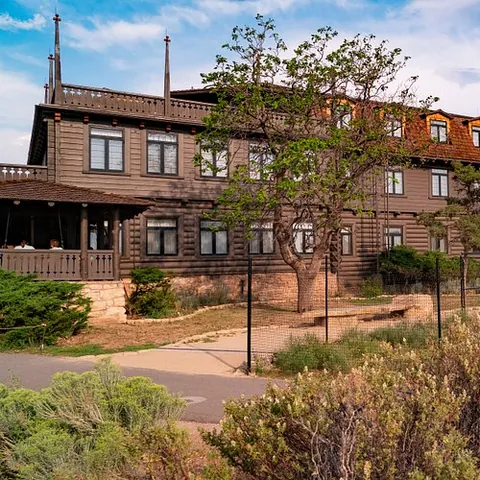
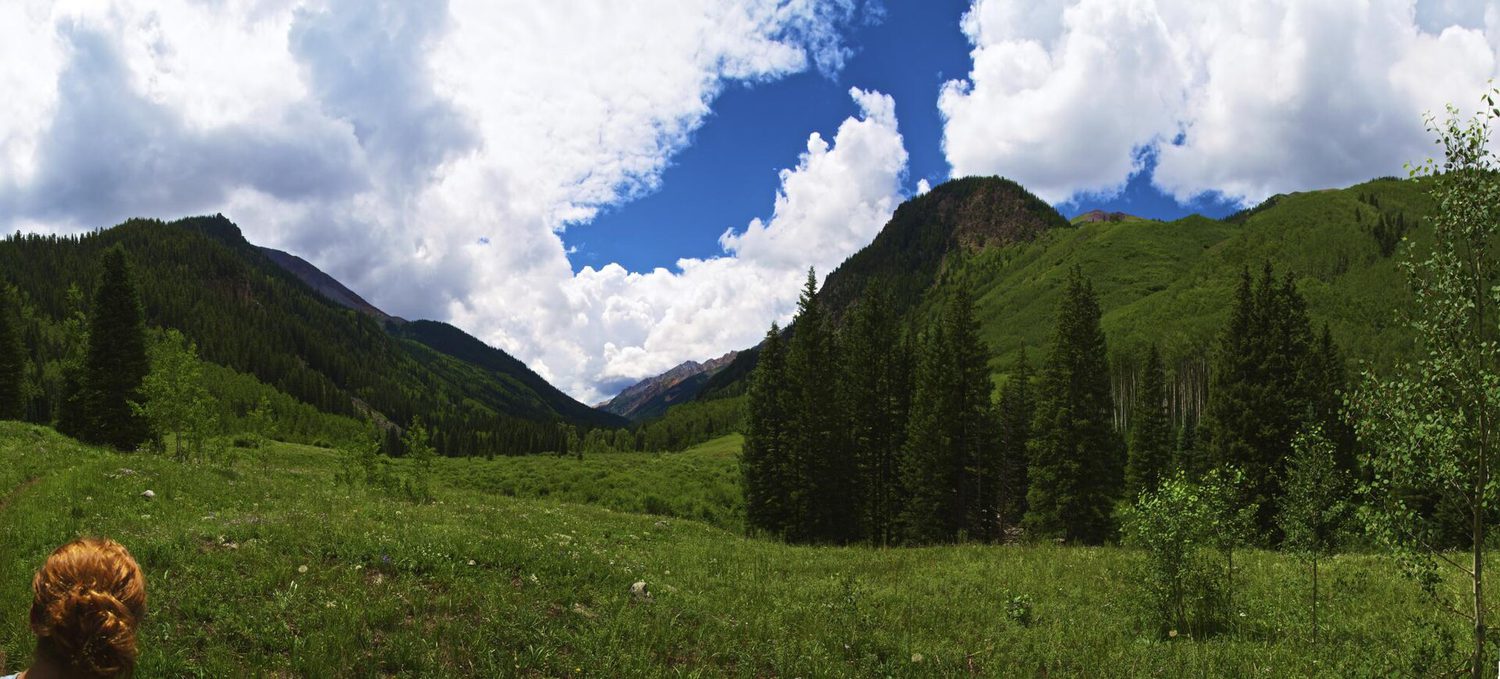
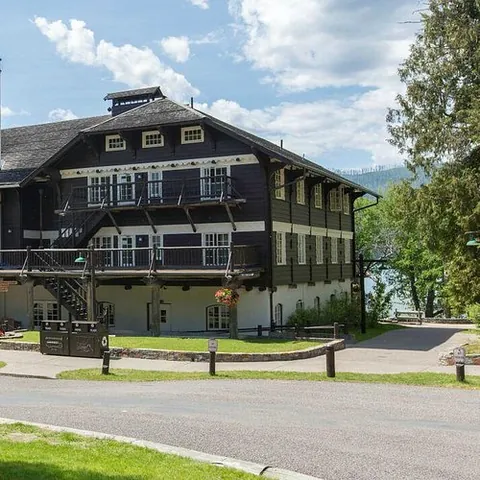
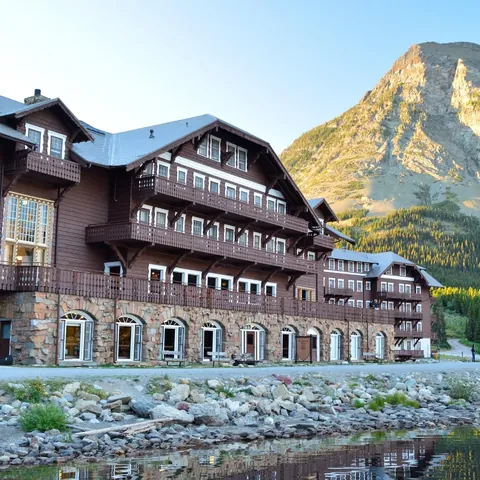
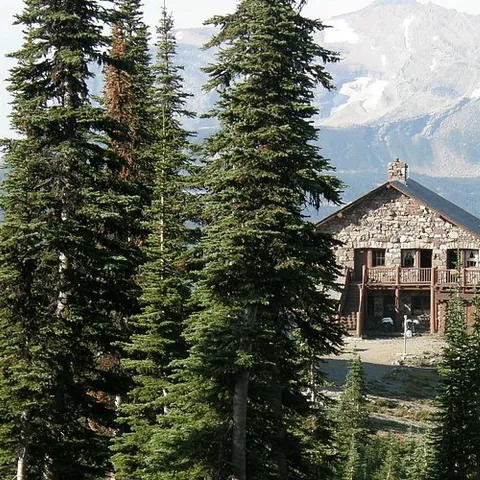
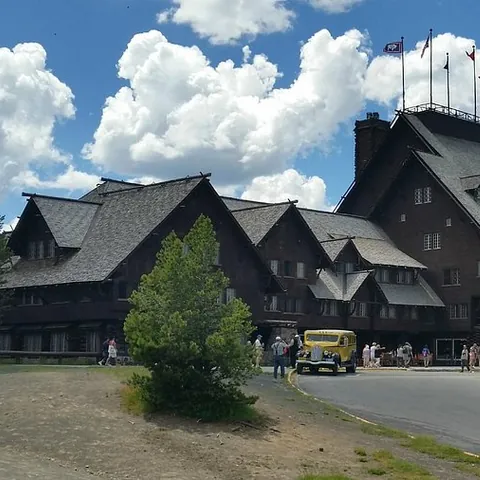
About 13 miles up the East Fork Quinault River from the Graves Creek trailhead, the trees open into a broad glacial meadow and a three-story log building appears against a wall of cliffs. This is the Enchanted Valley Chalet, built in 1930 and 1931 as a backcountry lodge for hikers and horse parties traveling deep into what is now Olympic National Park. For decades it served meals and rented beds to travelers who had walked all day from the Quinault Rain Forest. Today it is no longer a hotel, but it remains one of the most recognizable historic structures in the entire park and the natural turnaround point for most backpackers in the valley.
The chalet has had a dramatic recent life. The East Fork Quinault River shifted its channel and began undercutting the foundation, and in 2014 the National Park Service moved the entire building roughly 100 feet back from the eroding bank to save it. It is listed on the National Register of Historic Places, and you will usually find it closed to entry but open to admire from the meadow.
Why It Is Called the Valley of 10,000 Waterfalls
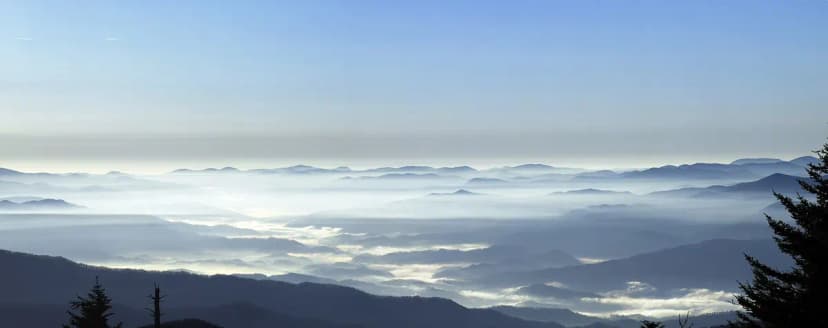
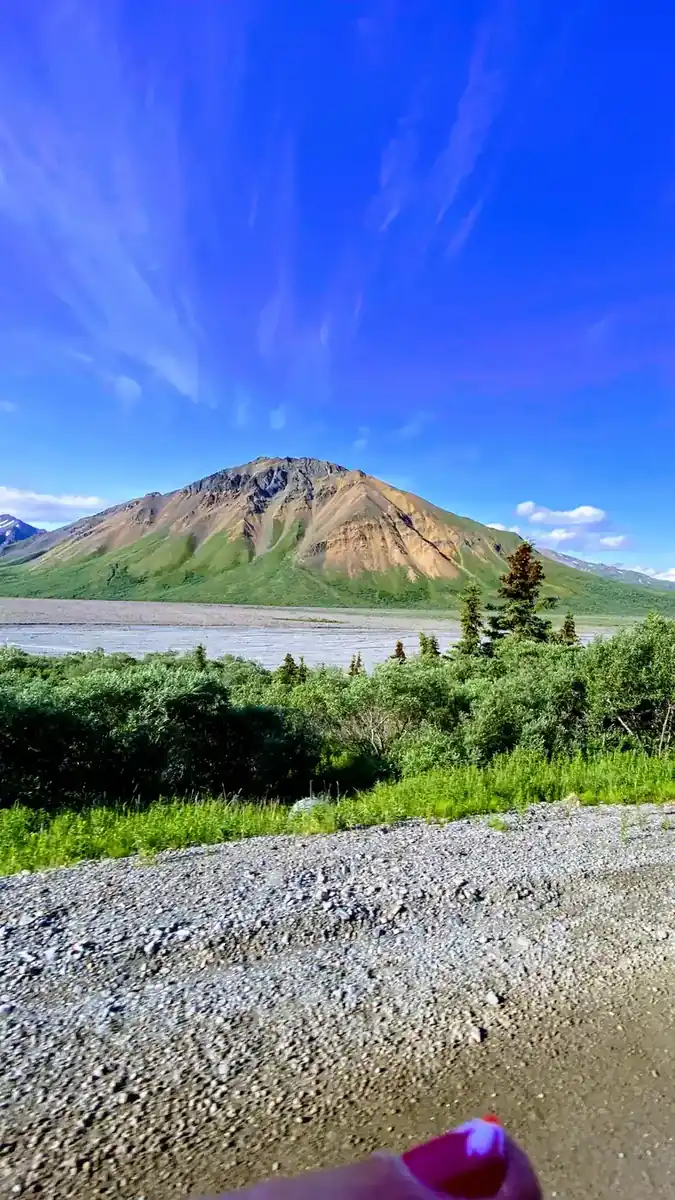
Stand in the meadow below the chalet in late spring and you will understand the nickname. The cliffs above the valley catch snowmelt from the Olympic high country, and the runoff spills over the rock in dozens of thin ribbons at once. After a wet week or during the May and June melt, hikers count waterfall after waterfall streaming down the headwall, which is how the valley earned the name Valley of 10,000 Waterfalls. By late summer many of these dry up, so timing matters if cascades are your goal.
If you want to experience the full walk in to the chalet and the meadow, our 3-day Enchanted Valley backpacking itinerary breaks the route into manageable days with campsite suggestions and river-crossing notes.
Living With Black Bears in the Valley
Enchanted Valley is famous among Olympic backpackers for its black bears. The open meadows give bears easy grazing, and they are often visible foraging on grasses and berries within view of camp. These are black bears, not grizzlies, but they have learned that backpackers carry food, so the valley has a real history of food-conditioned animals.
To keep both yourself and the bears safe, follow a few firm rules:
- Carry an approved bear canister. They are required for overnight trips in much of the Olympic backcountry, including the Quinault and Enchanted Valley corridor.
- Never leave food, trash, or scented items unattended, even for a minute while you filter water or set up a tent.
- Cook and store food away from your tent, ideally downhill and downwind of where you sleep.
- Give grazing bears plenty of distance. If a bear approaches camp, make noise, look large, and back away slowly. Do not run.
- Report aggressive or food-conditioned bears to a ranger so the park can manage problem animals.
What Else to Watch For
Beyond bears, the valley supports Roosevelt elk, which move through the meadows in the cooler hours, plus deer, river otters along the East Fork, and a chorus of birds in the surrounding old-growth. The Quinault Rain Forest section of the hike is one of the wettest places in the contiguous United States, draped in moss and ferns, so expect a very different feel between the lush lower trail and the open subalpine meadow at the chalet.
Planning Your Visit to the Chalet
The chalet sits at the heart of a long but non-technical valley hike. Most visitors plan two to three days so they have time to linger in the meadow, photograph the waterfalls, and watch wildlife in the soft evening light rather than rushing 26 miles round trip in a hurry. Permits, bear canisters, and an early start at Graves Creek are the keys to a smooth trip, and our full Enchanted Valley itinerary covers each of those details.
Enchanted Valley Chalet and the Valley of 10,000 Waterfalls FAQs
No. The chalet is a historic structure that no longer operates as a lodge and is generally closed to entry. You can admire it from the surrounding meadow, but you must camp in the valley's designated backcountry sites and carry your own shelter.
During the spring snowmelt, snow from the Olympic high country pours over the cliffs above the valley in dozens of thin cascades at once. The nickname captures how many waterfalls stream down the headwall in May and June, though many dry up by late summer.
Yes. Enchanted Valley is well known for black bears that graze openly in the meadows. Carry an approved bear canister, never leave food unattended, store food away from your tent, and keep your distance from any bear you see.