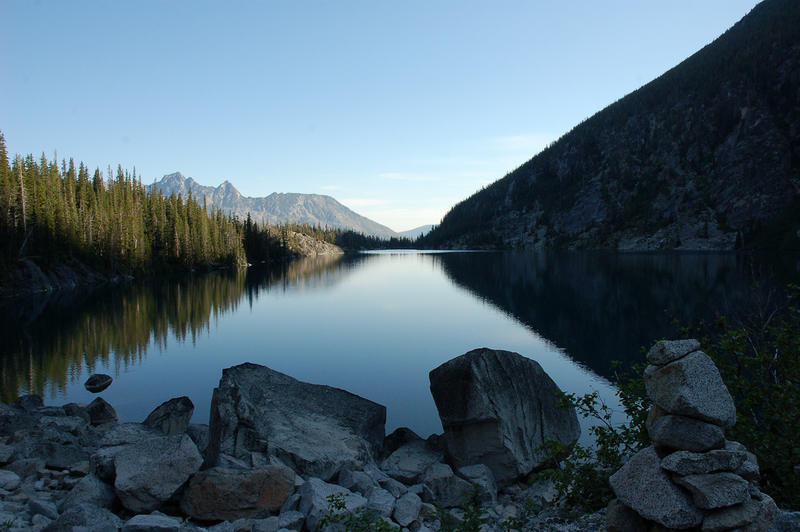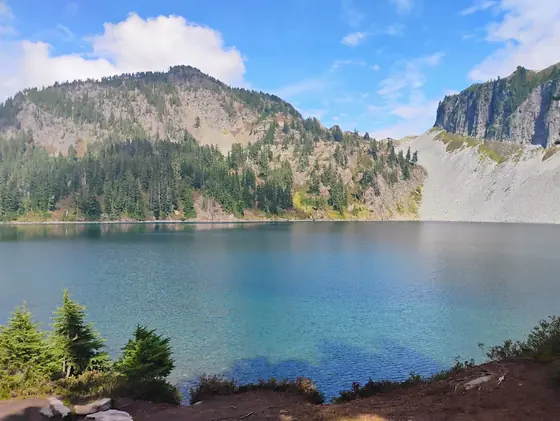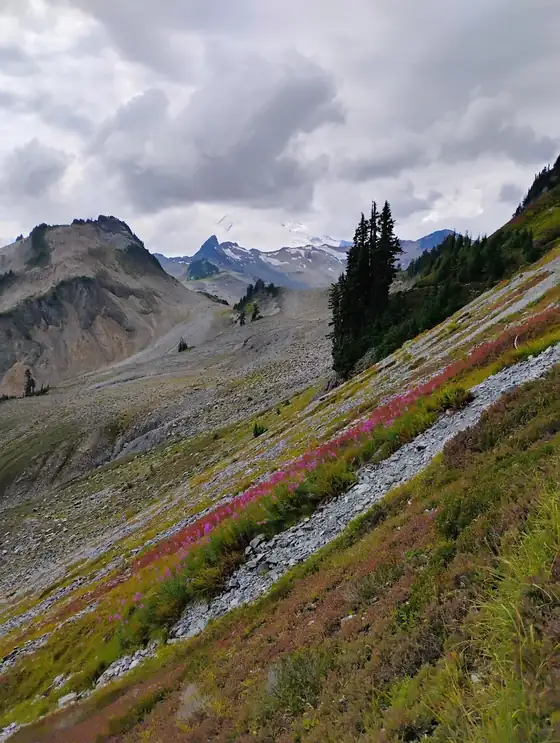
Choosing the best time to visit Grand Teton for hiking depends on what you want: snow-free trails, blooming wildflowers, rutting elk, or golden cottonwoods reflecting in the lakes. The park sits at high elevation in northwest Wyoming, so its hiking season is short and the weather swings hard. Here is what each stretch of the calendar actually delivers on the trail.
Summer: July and August

This is peak season for good reason. By July most trails, including the high routes to Lake Solitude and Amphitheater Lake, have melted out. Days are warm in the 70s and 80s Fahrenheit, wildflowers peak in the meadows of Cascade and Death canyons, and the Jenny Lake boat shuttle runs all day. The trade-off is crowds and full parking lots by mid-morning, plus reliable afternoon thunderstorms. Start hikes early and you will have the best of it.
- Trails fully open: early July onward
- Wildflower peak: mid-July at higher elevations
- Watch for: afternoon thunderstorms and busy trailheads
Fall: September and Early October
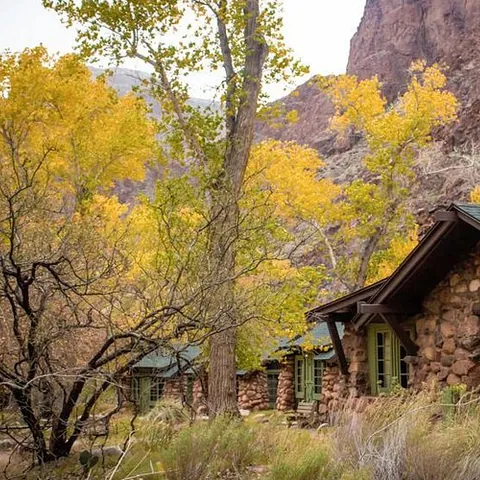
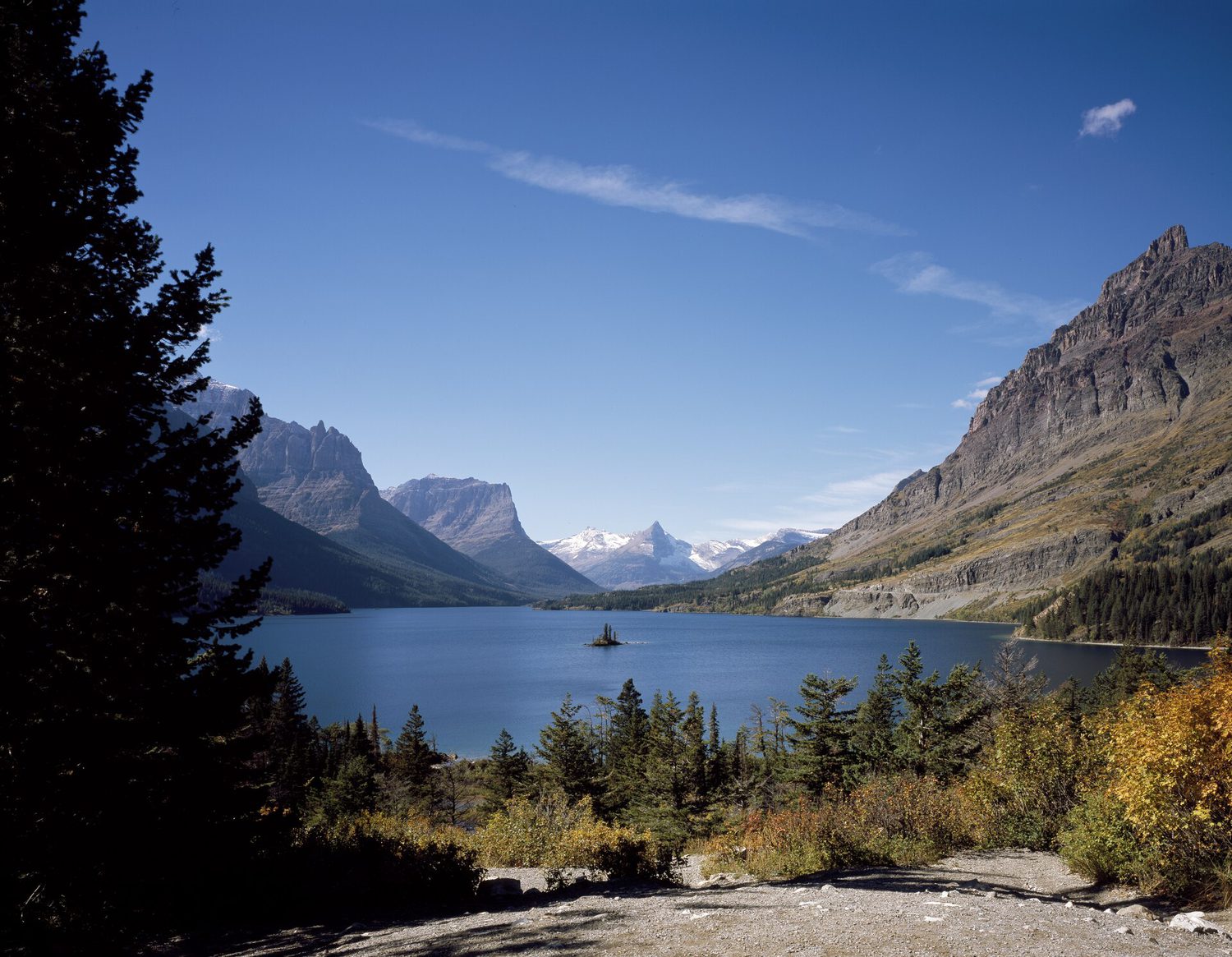
For many returning hikers, September is the single best month. Crowds thin out after Labor Day, daytime temperatures stay comfortable, the cottonwoods and aspens turn brilliant gold along the Snake River and Jenny Lake, and the elk rut fills the valley with bugling. Trails are still snow-free, the light is crisp, and lodging eases up. If you can only pick one window, this is it. The classic lake and canyon hikes in our Grand Teton day hikes itinerary are at their most photogenic right now.
Spring: May and June
Spring is dramatic but unpredictable. Lower trails like Taggart Lake melt out first while the high country stays buried under snow into July. Snowmelt makes creeks roar, baby bison and moose calves appear, and balsamroot blankets the lower slopes. Expect lingering mud, possible road and trail closures, and chilly nights. Late June is the sweet spot for those who want flowers and fewer people without committing to the high country.
Winter: November through April
The interior Teton Park Road closes to cars and becomes a groomed corridor for cross-country skiing and snowshoeing. The park is silent, stark, and stunning, with wildlife concentrated in the valley. This is the season for solitude and snow sports rather than hiking, and nearby Jackson Hole Mountain Resort handles the downhill crowds.
Trail-by-Trail Timing
Grand Teton weather by month plays out differently depending on elevation, so match the trail to the season rather than guessing. The valley-floor and lakeshore routes open weeks before the alpine traverses, and a few signature hikes are worth planning your whole trip around.
- Taggart Lake and Bradley Lake: often hikeable from mid-May; gentle, well-drained, and the first to dry out
- Jenny Lake to Hidden Falls and Inspiration Point: reliable by June, spectacular once the boat shuttle starts
- Cascade Canyon to Lake Solitude: snow-free by mid-July; the marquee day hike for wildflowers and waterfalls
- Amphitheater and Delta Lakes: steep and rocky, best late July through September when the ice has cleared
- Phelps Lake and the Death Canyon trailhead: a quieter alternative that holds fall color well into early October
Avoiding the Crowds
The narrow Jenny Lake parking lots fill by 8 a.m. in July and August, and shuttle lines can stretch long by midday. Timing your day around the rush makes a big difference. Beat the worst of it with these tactics:
- Arrive before 7 a.m. at popular trailheads like Jenny Lake, Lupine Meadows, and String Lake
- Hike on weekdays rather than weekends, especially around holidays
- Visit in September when school is back in session and the valley empties out
- Choose the south end of the park, such as Phelps Lake, where foot traffic is lighter
Even in peak season, walking just a couple of miles past the first viewpoint leaves most of the crowd behind.
Where to Stay Near the Trailheads
Your base matters because drive times eat into early starts. Jackson sits about 30 to 45 minutes south of the main trailheads and offers the widest range of lodging, dining, and outfitters. Moose and Moran put you minutes from Lupine Meadows and the Jenny Lake corridor, ideal for dawn departures. In-park options such as Jenny Lake Lodge and Colter Bay fill up months ahead for summer, so book early. For fall trips, Jackson rates drop noticeably after the September rut, making it both quieter and cheaper.
Weather Realities at Elevation
No matter when you go, the Tetons demand layers. Valley floors sit near 6,800 feet and trails climb well above 9,000 feet, so a sunny 75 degree afternoon can drop to freezing overnight. Sun exposure is intense, storms build quickly, and conditions on the peaks differ wildly from the lakeshore. Pack for three seasons in a single day and you will enjoy whichever month you choose for your hikes.
A Quick Decision Guide
Pick your timing by priority and you cannot go wrong:
- High-country hiking: mid-July through August
- Fewer crowds and fall color: September
- Wildflowers and baby wildlife: late May into June
- Snow sports and solitude: December through March
Best Time to Visit Grand Teton for Hiking FAQs
September is widely considered the best month: trails are still snow-free, crowds thin after Labor Day, the cottonwoods turn gold, and the elk rut is in full swing. July and August are best if you want all high-country trails open.
Most high-elevation trails like Lake Solitude and Amphitheater Lake melt out by early to mid-July. Lower trails such as Taggart Lake open much earlier, often by late May or June.
Yes, if you enjoy snow sports and solitude. The interior park road closes to cars and becomes a groomed route for cross-country skiing and snowshoeing, with abundant wildlife in the valley, but it is not a hiking season.