How to Find Eco-Friendly Hiking Gear (Practical Guide)
Most "eco-friendly" hiking gear marketing is noise. Greenwashing is rampant, brands put a leaf on the packaging, say "sustainable," and charge a premium for a product that's no different from anything else on the shelf. This guide cuts through that. It covers what actually matters in gear sustainability, which brands have legitimate environmental practices, what certifications to trust, and the single most eco-friendly thing you can do with your gear (hint: it's not buying new stuff).
The Hierarchy: Buy Less, Buy Better, Buy Used
Before evaluating any gear for eco credentials, accept the core rule that r/ultralight and r/backpacking both enforce: the most sustainable piece of gear is the one you already own, or can buy used. Manufacturing, even "sustainable" manufacturing, has a large carbon and water footprint. A used Patagonia Capilene base layer with no eco certifications beats a brand-new "sustainable" layer from any brand every time.
- Buy used first: REI Used, Patagonia Worn Wear, GearTrade, and local gear swaps. Boots, packs, and hardshells are particularly good used buys.
- Buy durability: A $200 shell that lasts 15 years beats a $100 shell that lasts 3. Lifetime-warranty gear (Darn Tough socks, Black Diamond trekking poles with lifetime repair) keeps material out of landfills.
- Repair before replacing: Patagonia's Worn Wear program repairs any Patagonia gear for free or low cost. Arc'teryx has a factory repair program. REI repairs and resoles boots. Learn to patch with Gear Aid Tenacious Tape for minor fixes.
What Certifications Actually Mean
Not all eco certifications are equal. Here are the ones worth trusting:
- bluesign: The strongest fabric certification for hiking gear. It audits the entire supply chain, chemical use, water consumption, energy efficiency, worker safety. If a shell or base layer has the bluesign label, it means the fabric was produced to strict environmental standards. Look for it on Arc'teryx, Patagonia, Outdoor Research, and REI Co-op products.
- Responsible Down Standard (RDS): Audits down supply chains to ensure birds are not live-plucked and the supply chain is traceable. Look for it on sleeping bags and insulated jackets from brands like Feathered Friends, Western Mountaineering, and REI.
- Global Recycled Standard (GRS): Verifies that recycled content claims (like "made from recycled bottles") are accurate and that the recycling chain is documented.
- Fair Trade Certified: Addresses worker pay and conditions, not just environmental impact, but the two are related. Patagonia uses it on many products.
- 1% for the Planet: Not a manufacturing certification, but means the brand donates 1% of revenue to environmental nonprofits. Patagonia, Cotopaxi, and others participate.
Treat any certification that a brand created for itself, or vague claims like "eco-conscious" and "planet-friendly," with appropriate skepticism.
Brands With Genuinely Credible Environmental Practices
These brands have public environmental commitments backed by third-party verification, not just marketing copy:
- Patagonia: The benchmark. B Corp certified, bluesign fabric, Fair Trade factory certifications, Worn Wear repair program, and donates 1% of sales to environmental causes. Not perfect (still sells synthetic gear that sheds microplastics) but the most transparent large brand in outdoor gear.
- Cotopaxi: Uses repurposed "del Dia" materials (factory remnants that would otherwise be waste), bluesign verified, and is a certified B Corp. Gear designs intentionally vary based on material availability.
- Arc'teryx: Heavy bluesign usage, factory repair program (ReBird), and increasingly transparent supply chain reporting. Premium price but extreme durability and strong resale value.
- Darn Tough: Made in Vermont, USA (shorter shipping chain), lifetime unconditional guarantee, takes back worn-out socks for recycling. Merino wool sourced from RWS-certified farms.
- REI Co-op: Cooperative ownership model reinvests in trails and public lands. REI-brand products increasingly use bluesign fabrics and recycled materials, and the Used Gear program is genuinely excellent.
Specific Gear Categories: What to Look For
Rain Jackets and Shells
The main concern with shells is DWR (durable water repellent) treatment. Traditional DWR used PFAS chemicals (per- and polyfluoroalkyl substances) that persist in the environment indefinitely and have been detected in human blood and wildlife worldwide. The industry has been slowly transitioning to PFC-free DWR. Look for shells labeled "PFC-free DWR" or "PFAS-free", Patagonia, Arc'teryx, and Outdoor Research have largely transitioned their lines. Gore-Tex has its own PFAS phase-out timeline.
Base Layers
Merino wool from farms with Responsible Wool Standard (RWS) certification is more sustainable than virgin synthetic. Synthetic base layers shed microplastics with every wash, if you go synthetic, use a Guppyfriend wash bag to catch microfibers. Recycled polyester (rPET) base layers from brands like Patagonia Capilene Cool Daily use recycled materials but still shed microplastics.
Insulation
Down with RDS certification is more sustainable per warmth-to-weight ratio than synthetic fill for most conditions. For wet conditions or vegan preferences, PrimaLoft recycled insulation (made from recycled plastic bottles) is the best synthetic option with verifiable recycled content claims.
Footwear
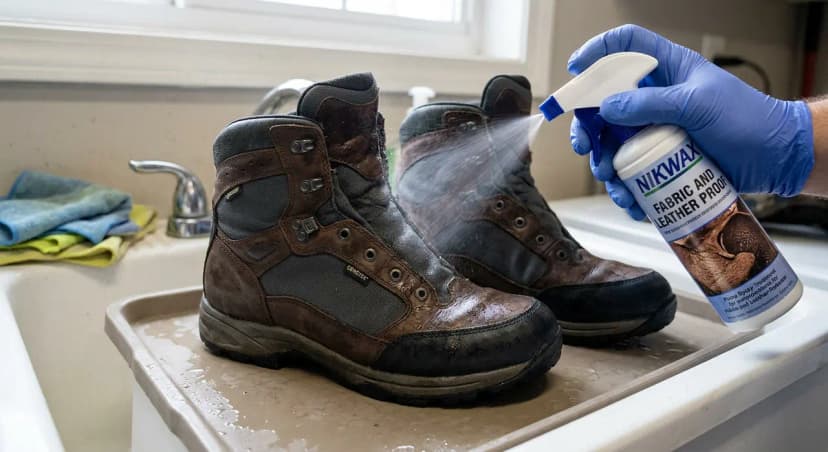
Vibram Ecostep outsoles use 30% recycled rubber. Scarpa, Salomon, and Merrell have each introduced lines with recycled materials. The more impactful choice: buy boots that can be resoled (most full-grain leather boots from Scarpa, Lowa, Vasque, and La Sportiva can be resoled, extending lifespan by 10+ years) and actually get them resoled rather than replaced.
Packs
Osprey's sustainability program uses bluesign-approved fabrics and offers an All Mighty Guarantee for repairs. Gregory uses recycled fabrics in several pack lines. The most sustainable pack is a used one that fits well, an older Osprey Atmos on GearTrade will outperform a new "sustainable" pack every time.
On Trail: Behavior Matters More Than Gear
No amount of certified gear overcomes high-impact behavior on trail. The Leave No Trace principles, especially packing out all waste, camping on durable surfaces, and staying on designated trails, have a larger environmental effect than any purchasing decision. The most eco-friendly hiker is one who stays on trail, uses established campsites, and packs out everything including apple cores and citrus peels (yes, they take months to decompose and attract wildlife).
Sunscreen in alpine lakes is a real concern. Mineral sunscreen (zinc oxide, titanium dioxide) is reef-safe and less harmful in freshwater ecosystems than chemical sunscreen (oxybenzone, avobenzone). Switch for alpine lake swims.
How to Find Eco-Friendly Hiking Gear FAQs
Buy used and repair what you own. Manufacturing new gear, even sustainably made gear, has a significant environmental footprint. REI Used, Patagonia Worn Wear, and GearTrade are good sources for used gear. Learn basic repairs (Gear Aid Tenacious Tape, Seam Grip) to extend what you have.
bluesign is a third-party certification that audits the entire fabric manufacturing supply chain, chemical inputs, water and energy use, and worker safety. It is the strongest environmental certification for outdoor fabrics and is more meaningful than a brand's own sustainability claims.
Merino wool from RWS-certified farms is generally more sustainable overall. Synthetic base layers shed microplastic fibers into waterways with every wash. If you use synthetic, use a Guppyfriend wash bag to catch microfibers. Recycled synthetics (like Patagonia Capilene rPET) reduce virgin plastic use but still shed microplastics.
Traditional DWR (water repellent) coatings used PFAS chemicals that persist in the environment for thousands of years and have been found in human blood, wildlife, and drinking water worldwide. PFAS-free DWR alternatives are now available from most major brands including Patagonia, Arc'teryx, and Outdoor Research. Look for "PFC-free" or "PFAS-free" labeling when buying rain jackets.
Patagonia has the longest track record of environmental commitment, bluesign fabrics, Fair Trade certification, Worn Wear repair, and 1% for the Planet. Cotopaxi uses factory remnant materials (del Dia), is B Corp certified, and bluesign verified. Arc'teryx uses bluesign heavily and has a strong repair program (ReBird). All three have third-party verified claims rather than just marketing copy.
Patagonia accepts worn-out Patagonia products for recycling. Darn Tough takes back worn socks. REI has a gear recycling drop-off at some locations. For most gear, donating to organizations like Outdoor Afro, Unlikely Hikers, or local trail groups extends its useful life rather than sending it to landfill.
Yes. The worked day-by-day plan is Utah's Mighty Five: Family Road Trip (7–10 Days) (Multi-day), with the permits, the stays and the drive times already sorted. Tell us your dates and we will put it together for you and confirm what is genuinely open on those days. Asking is free: no card, no deposit, and nothing is held until you say yes.