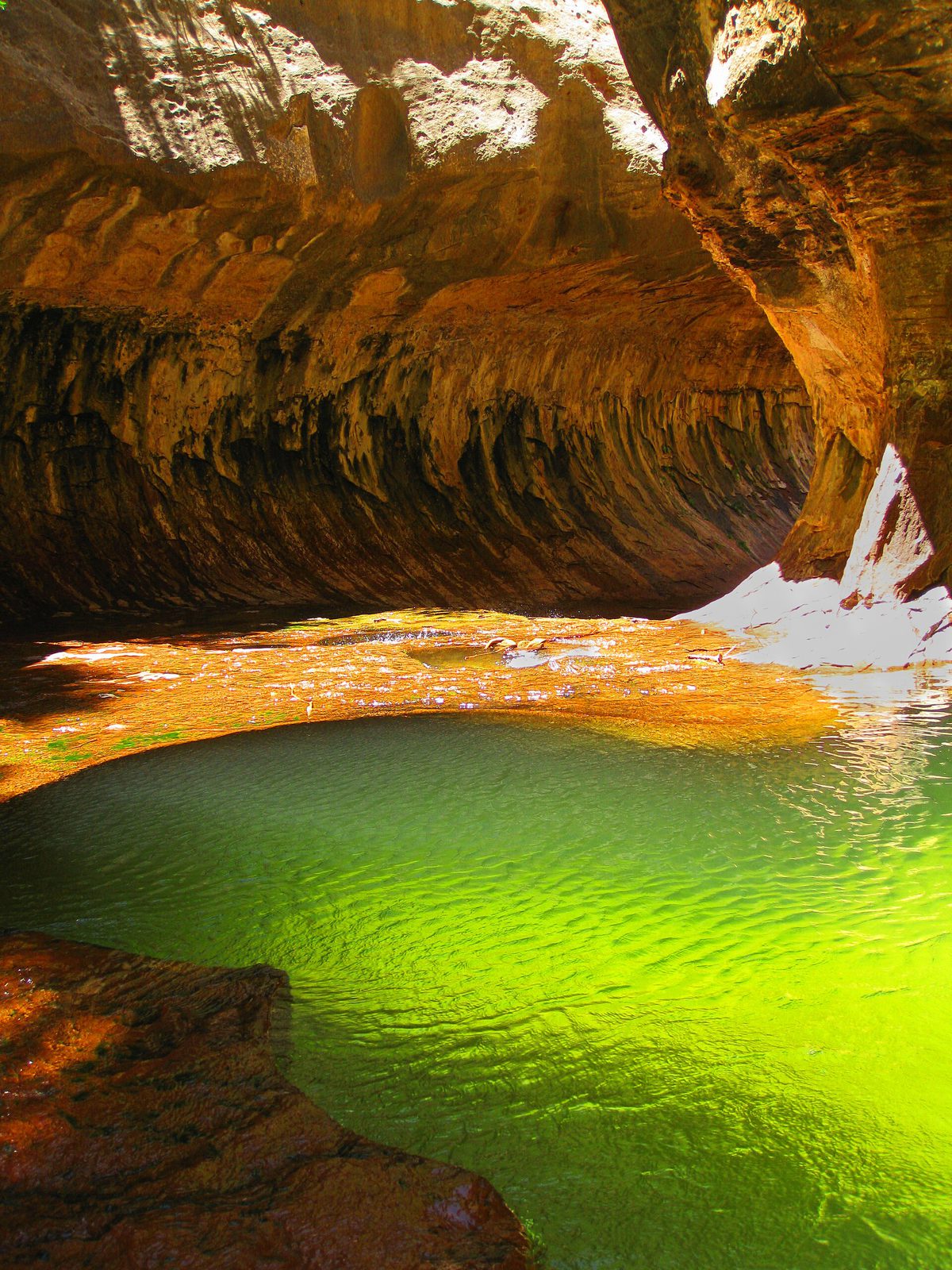
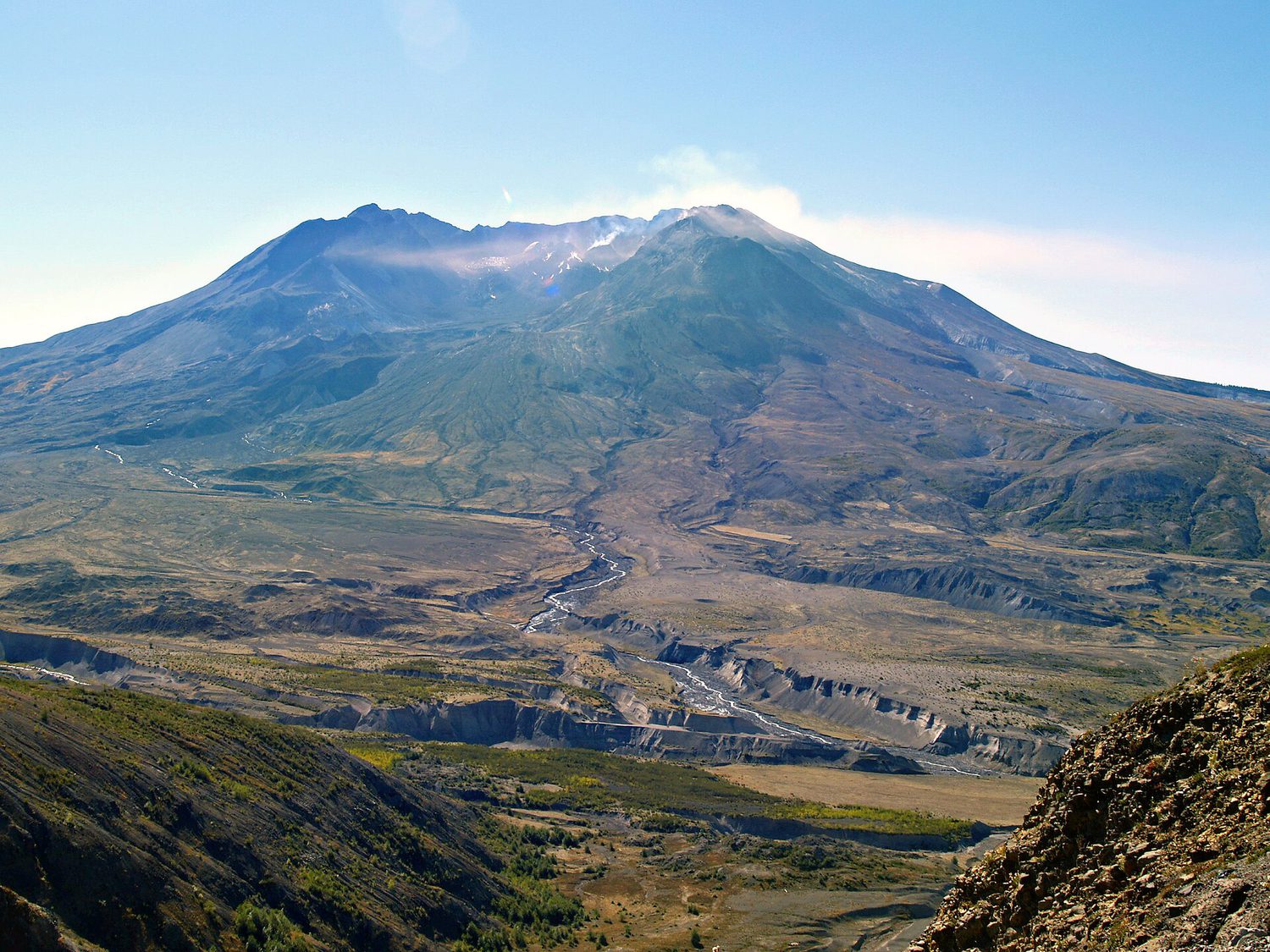
Hayden Valley vs Lamar Valley comes down to when you're visiting and what you want to see most. Both are wide, treeless valleys with a river winding down the middle, and you can watch a lot of wildlife from the road in either one. Hayden sits in the center of the park between Canyon and Yellowstone Lake, and its road closes to cars in winter. Lamar is up in the northeast corner, on the one park road that stays open to cars all year. The National Park Service calls the northern range one of the best places in the world to watch wolves.
If wolves are the goal, Lamar wins. If you're already doing the Grand Loop in summer and want bison, bears and birds without a long detour, Hayden is right on your route. Brian Farrell, a Yellowstone guide based in Bozeman, runs a private Yellowstone wolf and wildlife tour that spends its winter days on the Lamar side, since that's the road that stays open. Season matters as much as the valley you pick.
Hayden Valley vs Lamar Valley at a Glance
| Hayden Valley | Lamar Valley | |
|---|---|---|
| Where | Center of the park, starting about 5 miles south of Canyon Junction on the road to Lake | Northeast corner, between Tower Junction and the Northeast Entrance |
| River | Yellowstone River | Lamar River |
| Animals NPS lists | Bison, black bears, elk, grizzly bears, wolves, plus coyotes and many water birds | Bison, black bears, bighorn sheep, elk, grizzly bears, mule deer, pronghorn, wolves |
| Strongest season | Spring through the August bison rut | Year-round, with winter the top time for wolves |
| Winter access by car | No. Snowcoach or snowmobile only | Yes, weather permitting |
| Average drive from nearest junction | Canyon Village to Lake Village takes about 35 minutes | Tower Junction to the Northeast Entrance takes about 60 minutes |
Those drive times are the park's own averages from its directions page, and NPS warns they can run much longer with wildlife on the road, weather or construction. In both valleys, expect to sit and wait while a bison herd crosses the pavement.
Hayden Valley Wildlife Viewing
Hayden Valley is an open valley in the middle of the park with the Yellowstone River meandering through it. USGS describes it as nearly treeless apart from a few isolated islands of forest, because the fine sediments left by an ancestral Yellowstone Lake and two glaciations favor grass, and grass beats trees for water in that soil. So from the road you can see a long way in every direction, which is what you want when you're looking for animals.
This is the Hayden Valley wildlife NPS says to expect.
- Bison: Large herds in spring, early summer and during the rut in August. Bison from the park's central herd gather in Hayden Valley to breed, then spend the rest of the year moving among the Madison, Firehole, Hayden and Pelican valleys.
- Grizzly and black bears: Most often in spring and early summer, when grizzlies hunt newborn bison and elk calves.
- Coyotes: NPS says they can almost always be seen in the valley.
- Wolves: They turn up here too, but the valley is better known for bison.
- Birds: Ducks, geese and American white pelicans on the river, bald eagles, northern harriers and sandhill cranes. September and October bring the raptor migration.
Bison live in Hayden Valley year-round, through winters that NPS says can hit -44°F. You just can't drive there to see them in winter.
Hayden Valley at Alum Creek
Come here for shorebirds. The park's Canyon area page says a variety of them can be seen on the mud flats at Alum Creek, and NPS has a separate place page for Hayden Valley at Alum Creek that repeats the valley's big-mammal list: bears in spring and early summer, big bison herds in spring, early summer and the August rut, coyotes almost always, and wolves at times. That page also explains why there are so few trees. Clay soils from old glacial lake sediments favor meadow, so lodgepole pine grows only in patches on rhyolite outcrops.
The Hayden Valley Overlook
The stop NPS calls Hayden Valley (Overlook at Yellowstone River) has a sign about bison. It says Yellowstone is the only place in the United States where bison have lived continuously since prehistoric times, that the park has the largest bison population on public land in the country, and that wolves and grizzly bears are the only large predators of adult bison. Pull in and scan the river bends with binoculars.
Lamar Valley Wildlife Viewing
Lamar Valley is a large, wide-open valley in the northeast part of the park, with the Lamar River meandering through cottonwoods and sandbars. NPS says glaciers carved it about 21,000 years ago. It's the heart of Yellowstone's northern range, which holds some of the largest wild bison and elk herds in North America. It's also critical winter range, and it feeds several wolf packs.
NPS gives Lamar Valley the longest animal list in the park: bison, black bears, bighorn sheep, elk, grizzly bears, mule deer, pronghorn and wolves. A large number of bison spend the summer there. Coyotes are common, and bobcats, cougars and red foxes turn up in reports now and then. Moose are most often seen farther east, between Pebble Creek and the Northeast Entrance.
Wolves are the reason most people make the drive. The park brochure says Lamar Valley has been a wolf watching destination since wolves were reintroduced to Yellowstone in 1995, and NPS gives the average Yellowstone pack size as 10 wolves. For more on finding them, read our guide to wolf watching in Yellowstone, and for the packs themselves, see Yellowstone wolf packs.
Bison have also been shifting toward Lamar. According to NPS, Hayden Valley was historically the main place for the bison rut, but recent trends show the herds moving north to Lamar Valley. The park's seasons page now lists the July and August bison rut for both valleys.
One stop you'll pass is the historic Lamar Buffalo Ranch, where bison were once bred to rebuild the park's herd. You can drive by and look, but NPS says no facilities there are open to the public.
Best Time to See Wildlife in Yellowstone
Go at dawn and dusk. The park brochure says many animals are most active then. Be in place by sunrise and again for the last hour or two before dark, and save the middle of the day for driving and geyser basins.
Here's how the NPS seasons page breaks down the best time to see wildlife in Yellowstone National Park by month, with the valley where each event happens:
- April: Black bears come out of their dens and bison calves are born in Lamar Valley.
- May: Wolf pups come out of their dens in Lamar Valley. The road through Hayden Valley is projected to open to cars on May 7 in 2027.
- June: Bighorn sheep lambs in Lamar Valley and at Calcite Springs Overlook.
- July and August: The bison rut in both Lamar and Hayden valleys.
- September and October: Raptor migration in Hayden Valley. In October bears move to lower elevations and are easier to see from the road.
- December through February: Wolves in Lamar Valley, and coyotes and foxes hunting in snowy meadows across the park.
Roads decide the rest. The park's projected 2027 dates have Canyon Village to Bridge Bay, the road through Hayden Valley, open to cars from May 7 to October 31. From December 15, 2026 to March 14, 2027, the Canyon to Fishing Bridge stretch is open only to snowcoaches and snowmobiles. The road from the North Entrance through Mammoth Hot Springs, Tower Junction and Lamar Valley to the Northeast Entrance is open year-round, weather permitting, and it's the only park road you can drive in winter. That makes Lamar the only one of the two you can reach by car from November through April. Our month-by-month guide to the best time to visit Yellowstone covers the rest of the park.
Can You Do Both in One Day?
In summer, yes. Using the park's average drive times, Lamar Valley to Hayden Valley runs from the Northeast Entrance road to Tower Junction (up to 60 minutes from the far end), Tower to Canyon over Dunraven Pass (50 to 60 minutes), then about 5 miles south of Canyon Junction into Hayden Valley. That's two to three hours of driving before you stop for a single animal. Dunraven Pass has the shortest season of the roads involved, with projected 2027 dates of May 28 to October 11.
Do dawn in Lamar Valley, drive south through the middle of the day, and spend the evening in Hayden Valley. If you're staying in the north, near Gardiner or Mammoth, flip the order only if you don't mind driving back after dark, when bison and elk on the road are much harder to see.
Watching Wildlife Safely in Either Valley
The rules are the same in both valleys. Stay at least 100 yards from bears and wolves and at least 25 yards from bison, elk and all other wildlife. NPS says that if you cause an animal to move, you're too close. Watch bears from in or next to your car.
Park only in pullouts, don't block the road and don't drive or park on the roadside plants. In a traffic jam, stay with your vehicle. Rangers can close pullouts when people break these rules. Binoculars and a telephoto lens will do more for you than walking closer ever will. Our guide on how to protect yourself from wildlife while hiking covers bear spray and trail encounters.
Going Deeper Than the Road
Both valleys open up a lot more once you leave the pavement. Brian's Lamar Valley and Cache Creek backpacking trip is 4 days, starting in Lamar Valley and following Cache Creek up to Republic Pass, from July to early September for $1,200 per person. His Pelican Valley to Lamar Valley backpacking trip is also 4 days and $1,200 per person in the same season. Pelican Valley is one of the valleys Hayden's bison move through outside the breeding season, and the route ends in Lamar Valley. Both trips include round-trip transportation from Bozeman, Montana if you need it.
Go With a Guide
The private wolf and wildlife tour with Brian runs by road year-round for 1 to 5 people at $850 per group, and lasts about 7 hours. From November to April it works the Northern Range, which is Mammoth Hot Springs, Blacktail Plateau, Tower Junction and Lamar Valley, because that's the road that's open. Other days are planned around one part of the park, such as Lamar Valley, Dunraven Pass or Lower Falls at the Grand Canyon of the Yellowstone. Lunch, snacks, drinks, binoculars and a spotting scope are included. The animals Brian lists are wolves, bears, elk, bison, moose and coyotes. The tour runs in all weather, and plans change for wildlife and for road or park closures. If you're driving up from Montana, our guide to Yellowstone tours from Bozeman covers the routes in.
Hayden Valley vs Lamar Valley: Where to See Yellowstone Wildlife FAQs
Lamar Valley is better for wolves and for winter, since it sits on the only park road open to cars year-round. Hayden Valley is easier to fit into a summer Grand Loop drive, and it's known for big bison herds, bears in spring and early summer, coyotes and water birds.
Yes. NPS lists wolves among the animals seen in Hayden Valley. Lamar Valley is the better bet, though. NPS calls Yellowstone's northern range one of the best places in the world to watch wolves, and Lamar has been a wolf watching destination since wolves were reintroduced in 1995.
Not to cars. The road from Canyon Village to Fishing Bridge is open only to snowcoaches and snowmobiles from December 15, 2026 to March 14, 2027, and projected 2027 dates for regular vehicles are May 7 to October 31. Lamar Valley stays open to cars all winter, weather permitting.
Dawn and dusk. The park brochure says many animals are most active then, so be at a pullout by sunrise and again in the last hours before dark.
Plan on two to three hours in summer. Using NPS average drive times, the far end of the Northeast Entrance road to Tower Junction is up to 60 minutes, Tower to Canyon over Dunraven Pass is 50 to 60 minutes, and Hayden Valley begins about 5 miles south of Canyon Junction. Wildlife on the road often adds time.
NPS says a variety of shorebirds use the mud flats at Alum Creek, and the valley around it has big bison herds in spring, early summer and the August rut, bears in spring and early summer, coyotes almost always, and wolves at times.
Yes. The worked day-by-day plan is Yellowstone Itinerary: 3 Days on the Grand Loop (3 Days), with the permits, the stays and the drive times already sorted. Tell us your dates and we will put it together for you and confirm what is genuinely open on those days. Asking is free: no card, no deposit, and nothing is held until you say yes.