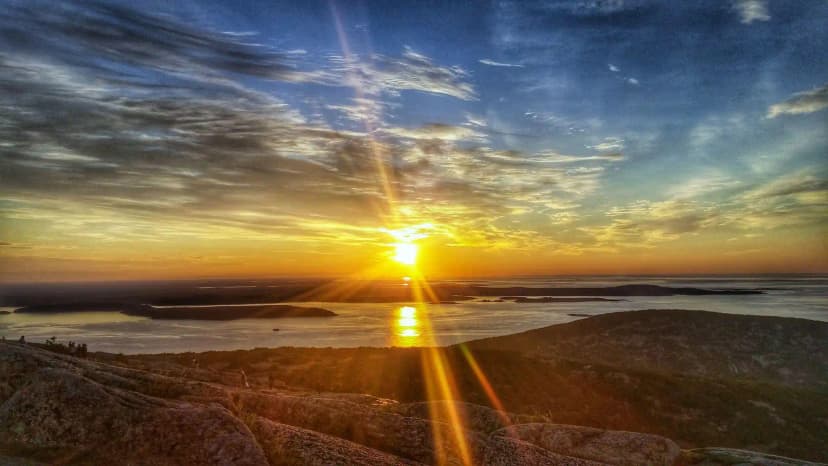
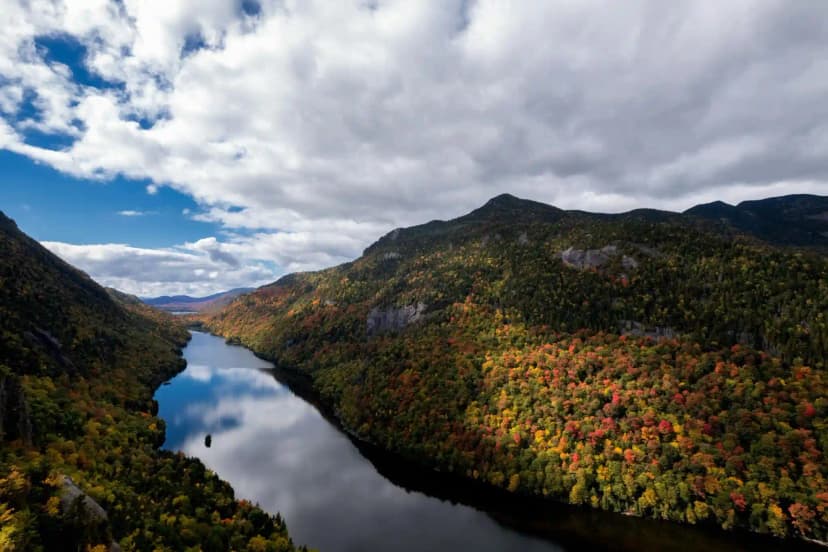
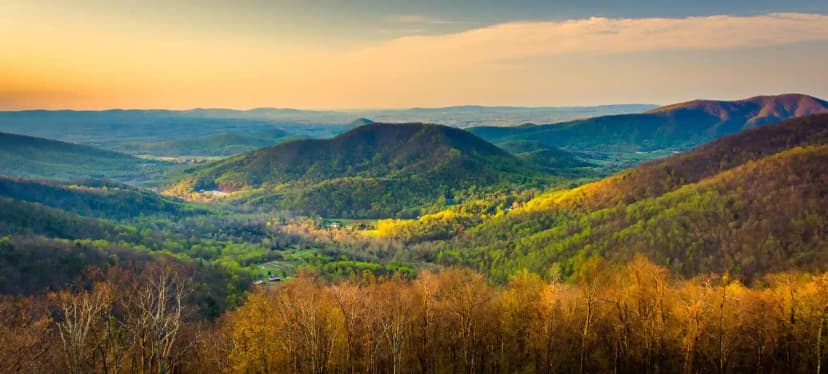
Rocky Mountain National Park, at elevations between 8,000 and 14,259 feet in the northern Colorado Rockies, offers some of the most accessible alpine hiking in the US — Trail Ridge Road (the highest paved highway in the US) brings visitors to 12,183 feet without a single switchback on foot. But the real magic is on the trails, where elk herds graze in meadows below dramatic granite peaks and wildflowers paint the tundra every July.
Day 1: Bear Lake Corridor
The Bear Lake Road area is the park's most popular trail hub. Take the free park shuttle (required during summer) to Bear Lake Trailhead. The Bear Lake to Dream Lake to Emerald Lake trail (3.6 miles RT from Bear Lake) connects three stunning alpine lakes under Hallett Peak in under 4 miles. Emerald Lake is bright green-blue in early summer. Start early — the shuttle lot fills before 8am in summer.
Day 2: Trail Ridge Road and Alpine Tundra
Drive (or bike) Trail Ridge Road to the Alpine Visitor Center at 11,796 feet. The Tundra Communities Trail (1 mile RT) is a high-elevation walk on boardwalk through protected alpine tundra — the landscape resembles the Arctic, with plants that take 100 years to grow an inch. Acclimatize before strenuous effort at this elevation.
Day 3: Chasm Lake
The most dramatic day hike in the park: Chasm Lake (8.4 miles RT, 2,380 ft gain) sits directly below the east face of Longs Peak — a sheer 1,500-foot granite wall that dominates the southern park skyline. The lake is emerald colored, boulder-fringed, and unforgettably dramatic. Start before 7am to avoid afternoon lightning near the exposed upper trail.
Practical Notes
- Timed entry permits required May–October — book at recreation.gov 2 days before
- Altitude sickness is common above 10,000 ft — stay hydrated, ascend slowly
- Weather: afternoon thunderstorms daily in July–August. Summit early.
- Elk rut in September is spectacular — bulls bugling throughout the park