Theodore Roosevelt National Park Map
The Badlands most people never find, from Medora.
3-day Theodore Roosevelt National Park weekend in the South Unit from Medora. Overlook the Painted Canyon, drive the 36-mile Scenic Loop, watch wild horses and bison, hike Wind Canyon at sunset, and loop the remote Petrified Forest, the North Dakota Badlands most people never find.
“I’ve requested to book a Chain Lakes Loop guide on ExplorOFF, and it was the best idea ever! I highly recommend going with their guided option since you get a real human connection on the trail and don’t have to worry about a thing. Yulia was great to talk to!”
 14 stops on a real mapEvery stop pinned in order→
Theodore Roosevelt NP: every stop pinned in order.
Painted Canyon · Scenic Loop · Petrified Forest · North Dakota
Every stop on this trip, in order, opens as one driving route in the Google Maps app. No copying addresses across one at a time.
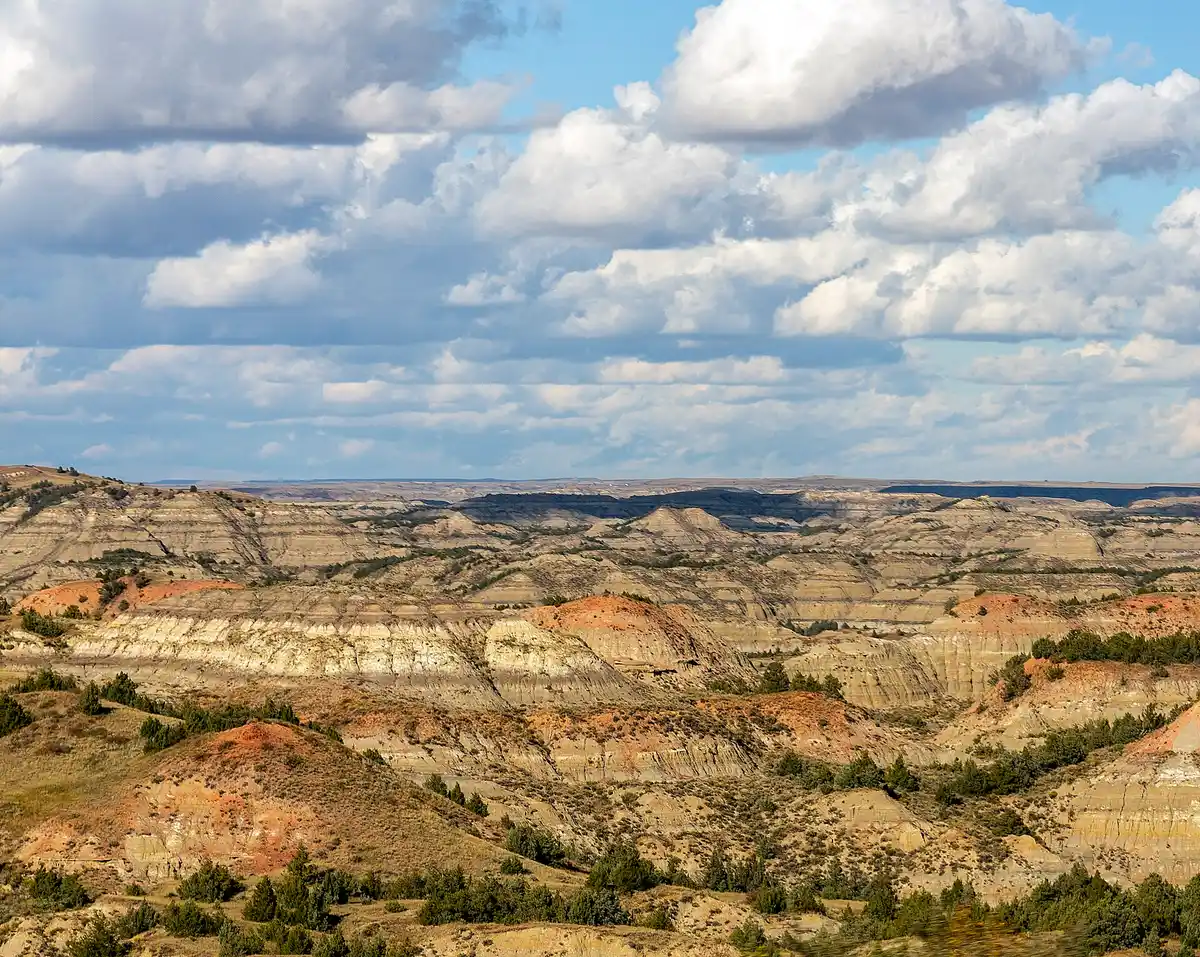
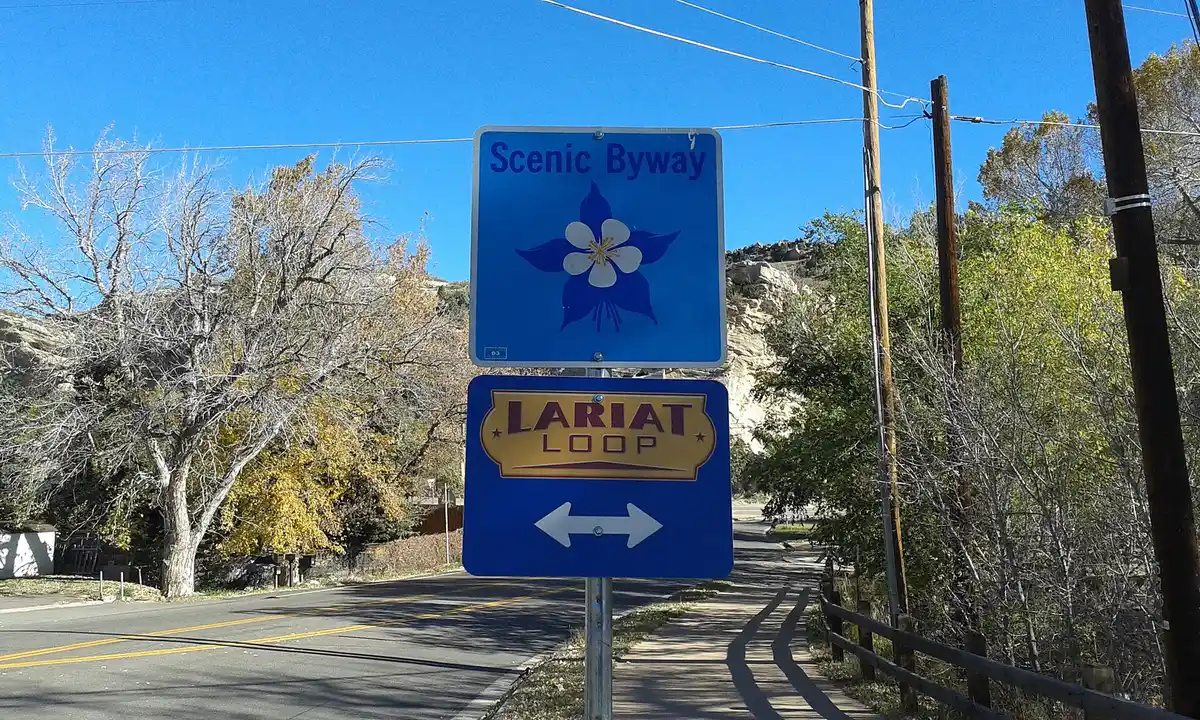
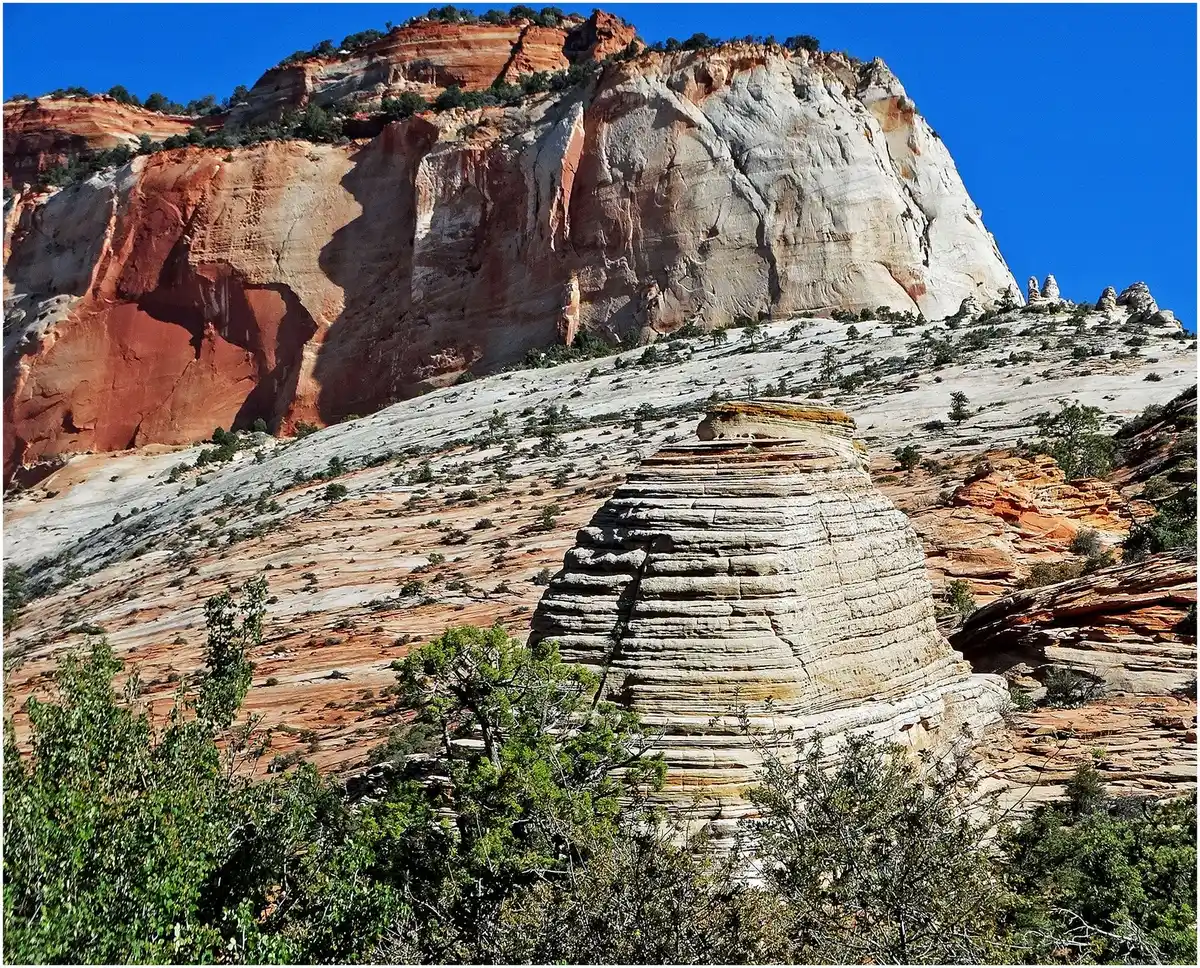
Theodore Roosevelt NP in photos: 5 of the stops.
Plan and book your 3 days in Theodore Roosevelt NP, one step at a time
How 3 days in Theodore Roosevelt NP split up
Plan 3 days for Theodore Roosevelt NP. Base town: Medora, ND. Scenic Loop: 36-mi loop. Permits: $30 / vehicle. This 3-day Theodore Roosevelt National Park weekend explores the park's most accessible and rewarding corner, the South Unit near Medora, ND. It protects 70,000 acres of layered North Dakota Badlands, open grasslands where bison herds graze, and feral horse bands that have roamed here since the 1800s, and it sees a fraction of the crowds of the more famous Badlands across the border in South Dakota.
Day 1: Painted Canyon & Wind Canyon Sunset
5 stops · Day one
Day 2: Scenic Loop Drive & Wildlife · 36-mile loop
5 stops · Day two
Day 3: Petrified Forest Loop & Medora · 10.4-mile hike
4 stops · Day three
Painted Canyon & Wind Canyon Sunset
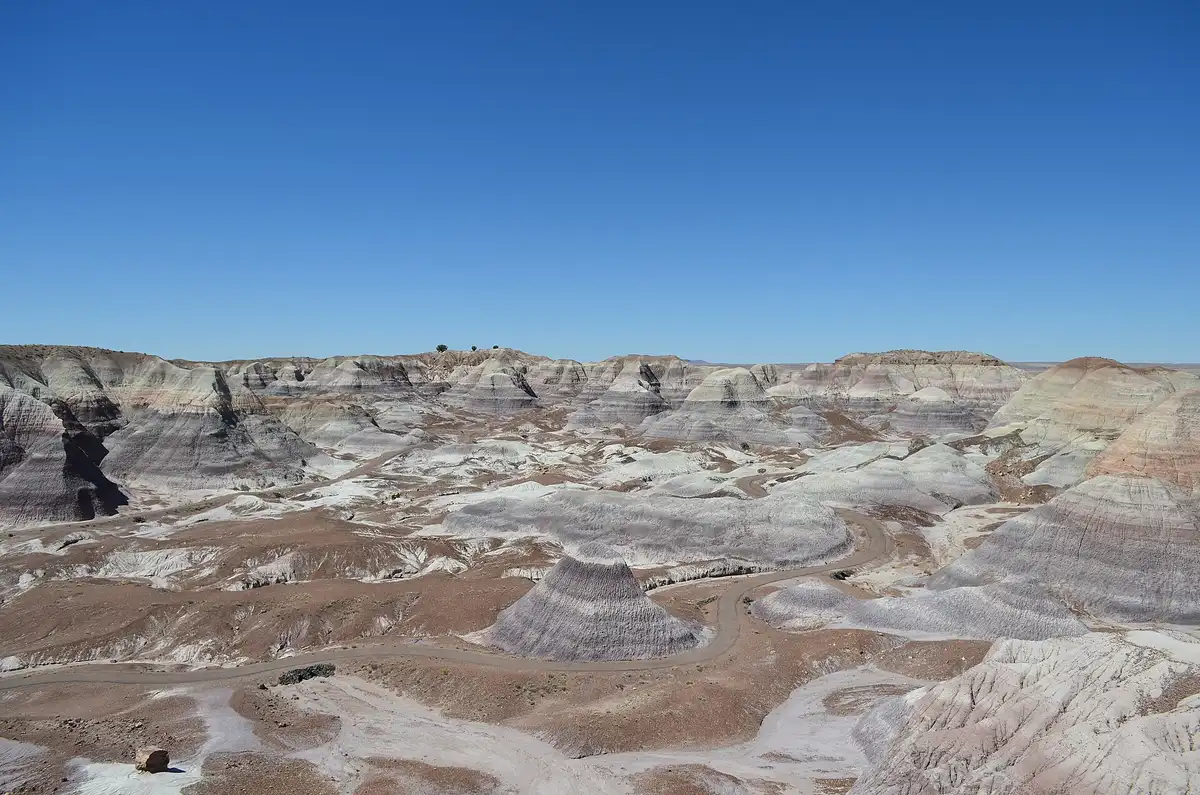
Start at the South Unit Visitor Center in Medora to pay the entrance fee and, if you plan to camp, pick up your free backcountry permit. Then drive 7 miles east on I-94 to the Painted Canyon Overlook, the jaw-dropping first look at the layered burgundy, gold, and gray clay canyons that define the park.
Not the order you want? Drag a stop, or use the arrows beside it. Stops move between days too.
- Drive from
~35 mi W on I-94 to Medora · car required · DriveFly into Dickinson Theodore Roosevelt Regional Airport (DIK), about 35 miles east, or Bismarck (BIS), about 135 miles east with more flights, then drive west on I-94 to Medora at the South Unit entrance. There is no transit to the park, so a rental car is essential for the Scenic Loop and the trailheads.
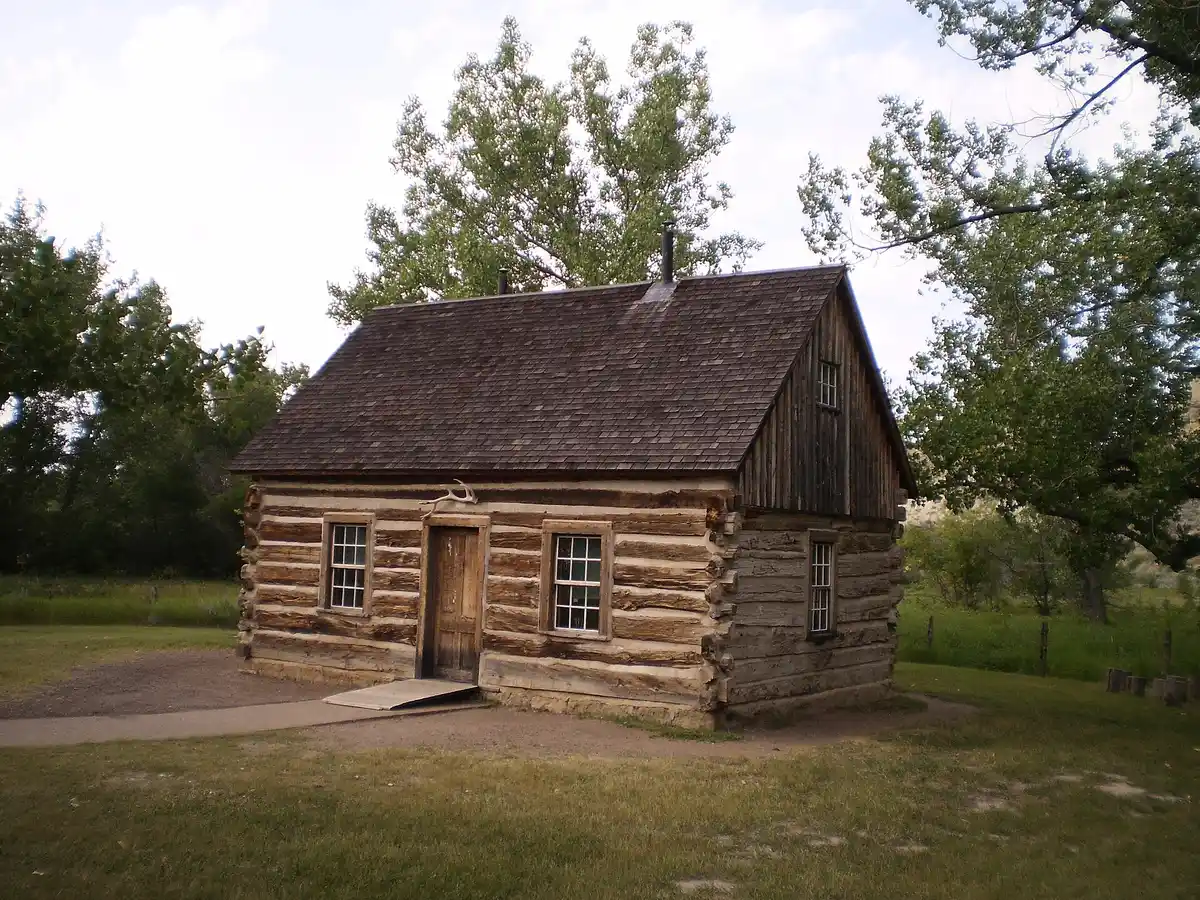
 Acroterion / CC BY-SA 4.0South Unit Visitor Center
Medora entrance · fee + free camping permit · ViewpointStart at the South Unit Visitor Center right at the Medora entrance to pay the $30 per-vehicle entrance fee (7 days) and see Theodore Roosevelt's restored Maltese Cross Cabin. If you plan to camp in the backcountry, pick up your free permit here in person, there is no online reservation for it.
Official info →- Painted Canyon Overlook
7 mi E of Medora · I-94 exit 32 · ViewpointDrive 7 miles east on I-94 to the Painted Canyon Overlook, the jaw-dropping first look at the layered burgundy, gold, and gray clay canyons that define the park. The seasonal Painted Canyon Visitor Center here has restrooms, a bookstore, and a short rim trail with the best roadside view in the South Unit.
Official info → - Don Graham from Redlan / CC BY-SA 2.0Wind Canyon Trail
0.4 mi loop · easy · Little Missouri sunset · HikeWalk the short Wind Canyon Trail, a 0.4-mile loop along wind-eroded cliffs that climbs to a dramatic lookout over a bend in the Little Missouri River. It is the park's premier sunset spot, the iron-rich clay glows deep red as the light drops. Time it for the last hour of daylight.
See the trail → 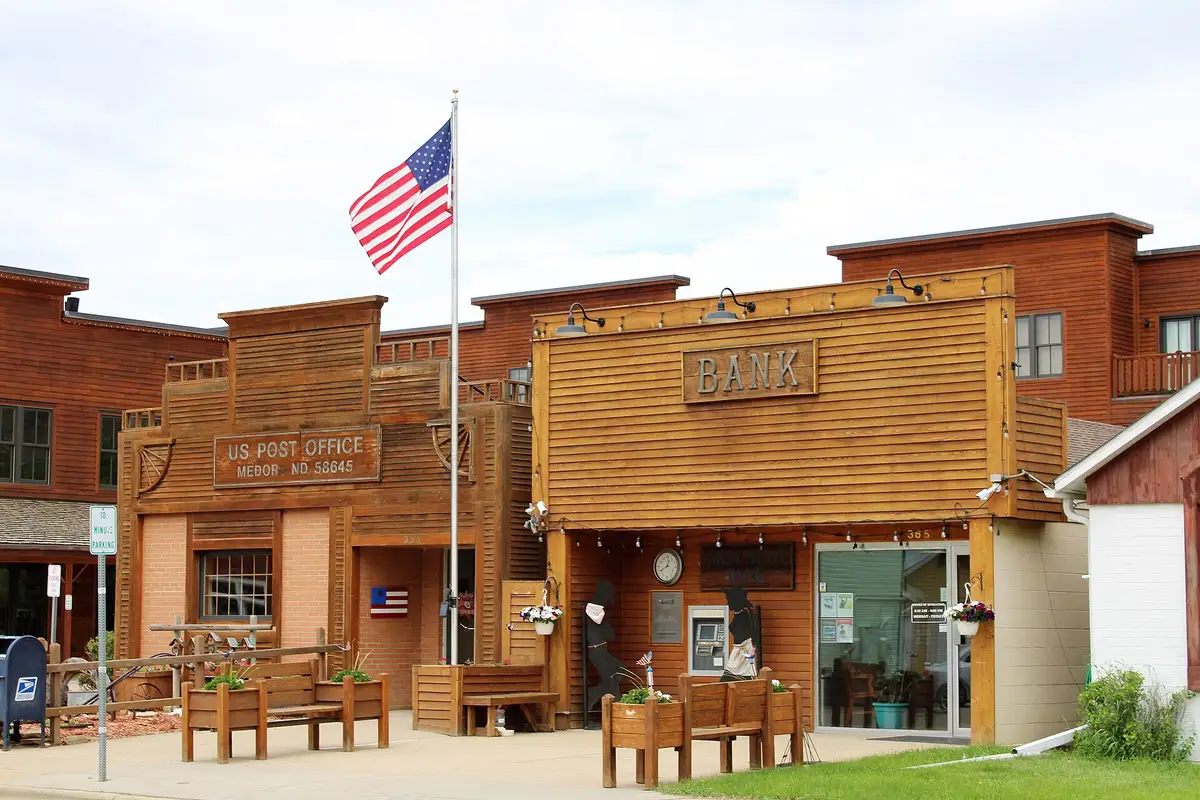 Farragutful / CC BY-SA 4.0Overnight in Medora
$120–220/night · gateway town · lodgeCheck into Medora for the night, the well-preserved frontier town at the South Unit entrance. Options include the historic Rough Riders Hotel, the Badlands Motel, and the AmericInn, plus restaurants and the Medora Musical in summer. For an in-park stay, Cottonwood Campground sits about 5 miles inside the South Unit.
Scenic Loop Drive & Wildlife · 36-mile loop
Spend the day on the Scenic Loop Drive, the 36-mile road that winds through the South Unit past its best overlooks and trailheads. Go early or late for the wildlife: the park's bison herd, pronghorn, prairie-dog towns, and its band of about 100 wild horses that can appear anywhere on the horizon.
Not the order you want? Drag a stop, or use the arrows beside it. Stops move between days too.
- Scenic Loop Drive
36-mi loop · overlooks + trailheads · DriveSpend the day on the 36-mile Scenic Loop Drive, the road that winds through the South Unit past its best overlooks and trailheads. Drive it early morning or late afternoon for the park's bison herd, pronghorn, prairie-dog towns, and its band of about 100 wild horses. Watch for animals on the road at all times.
Official info → - Boicourt Overlook
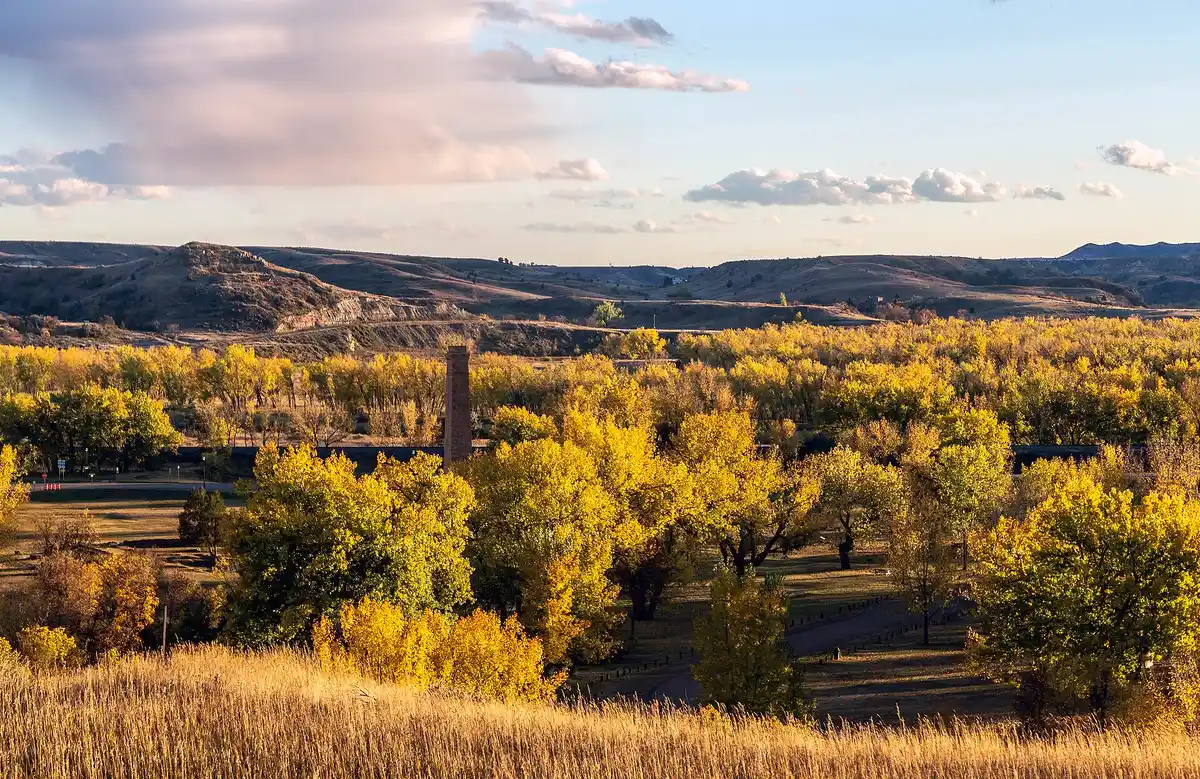
Sweeping Little Missouri Badlands view · ViewpointStop at Boicourt Overlook for the vast, rolling Little Missouri Badlands, where Theodore Roosevelt found his "land of vast, silent spaces." A short paved path leads to the main view, and a rougher spur continues along the ridge for those who want to walk out farther. It is a superb sunrise or sunset spot.
Official info → 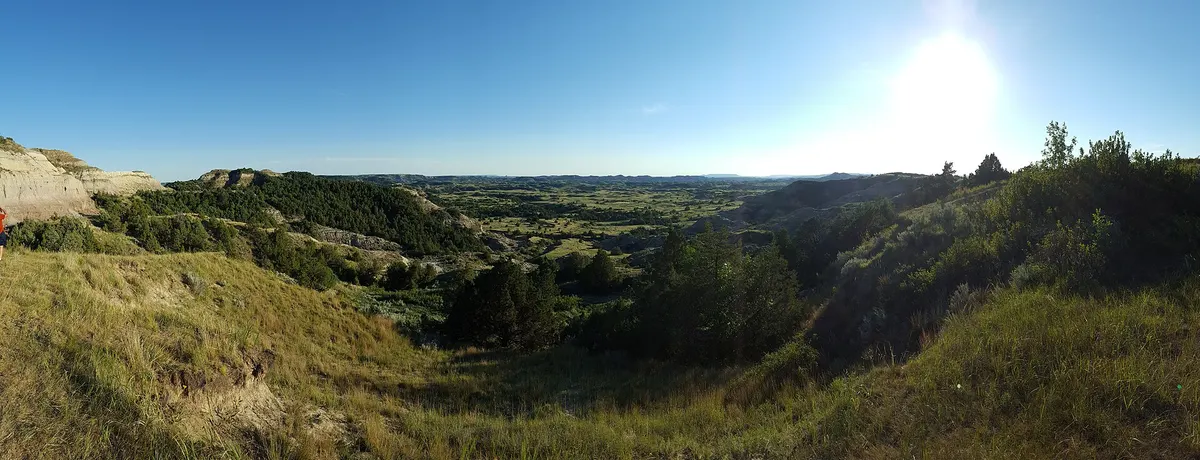 Eddy23 / CC BY-SA 4.0Buck Hill
0.4 mi RT · short steep climb · 360° view · HikeClimb the short trail up Buck Hill, one of the highest accessible points in the South Unit, for a 360-degree panorama across the Badlands. It is only about 0.4 miles round trip but steep and exposed, so bring water and go early before the heat. Add the Ridgeline Nature Trail or Coal Vein Trail nearby to stretch your legs.
Official info →- Amaury Laporte / CC BY 2.0Wild horses & bison
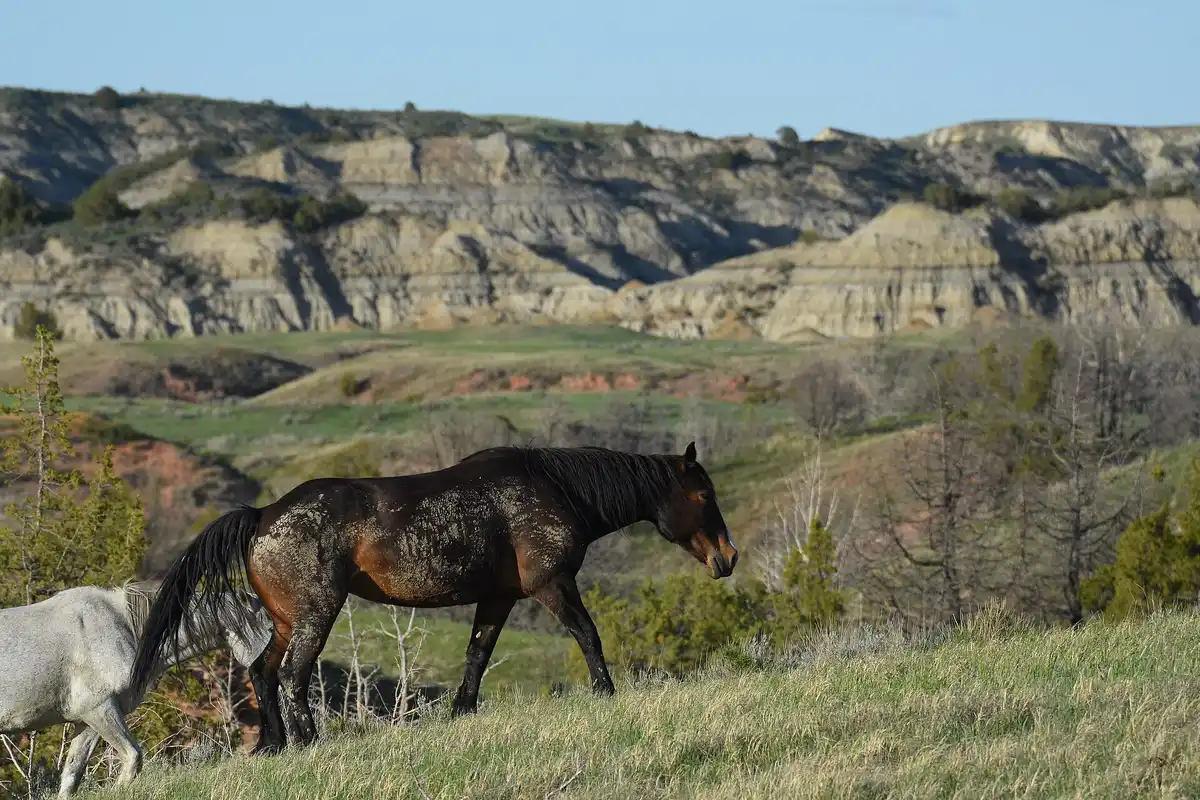
Feral herd of ~100 · give 100+ yards · ViewpointKeep an eye on the grasslands and ridgelines for the South Unit's band of roughly 100 feral wild horses, descended from domestic stock, plus the park's bison herd. They can appear anywhere along the loop. Enjoy them from a distance, give bison and horses at least 100 yards, and never feed or approach them.
 Second night in Medora
$120–220/night · or Cottonwood Campground · lodgeHead back to Medora for a second night, or camp at Cottonwood Campground inside the South Unit, about 5 miles from the entrance along the Little Missouri, with first-come and reservable summer sites on Recreation.gov. In town, catch the Medora Musical (June–September) or dinner on the Rough Riders patio.
Petrified Forest Loop & Medora · 10.4-mile hike
Save the wildest day for last. Drive the unpaved road to the park's west-end Petrified Forest trailhead (high-clearance is smart, the clay turns to concrete when wet) and hike the remote 10.4-mile Petrified Forest Loop past 55-million-year-old petrified wood stumps, dry washes, and canyon systems where you may not see another person all day. Do not collect any petrified wood, it is a federal offense.
Not the order you want? Drag a stop, or use the arrows beside it. Stops move between days too.
- Petrified Forest trailhead access road
Unpaved west-end road · high-clearance smart · DriveDrive to the park's west-end Petrified Forest trailhead, about 50 minutes from Medora on dirt and gravel. The park now asks everyone to use its approved route: take I-94 Exit 10 toward Camels Hump Lake and follow the marked posts, as set out on the NPS Petrified Forest page. High-clearance is smart, and the clay turns to concrete and can become impassable when wet, so check the forecast and skip it after rain. Fuel up and fill your water in Medora first.
Official info →  Acroterion / CC BY-SA 4.0Petrified Forest Loop
10.4 mi loop · remote · petrified wood · HikeHike the remote 10.4-mile Petrified Forest Loop past 55-million-year-old petrified wood stumps, dry washes, and canyon systems where you may not see another person all day. The trail is marked with wooden posts, not a maintained tread, so download the route to Gaia GPS first. Carry 4+ liters of water, and do not collect any petrified wood, it is a federal offense.
See the trail →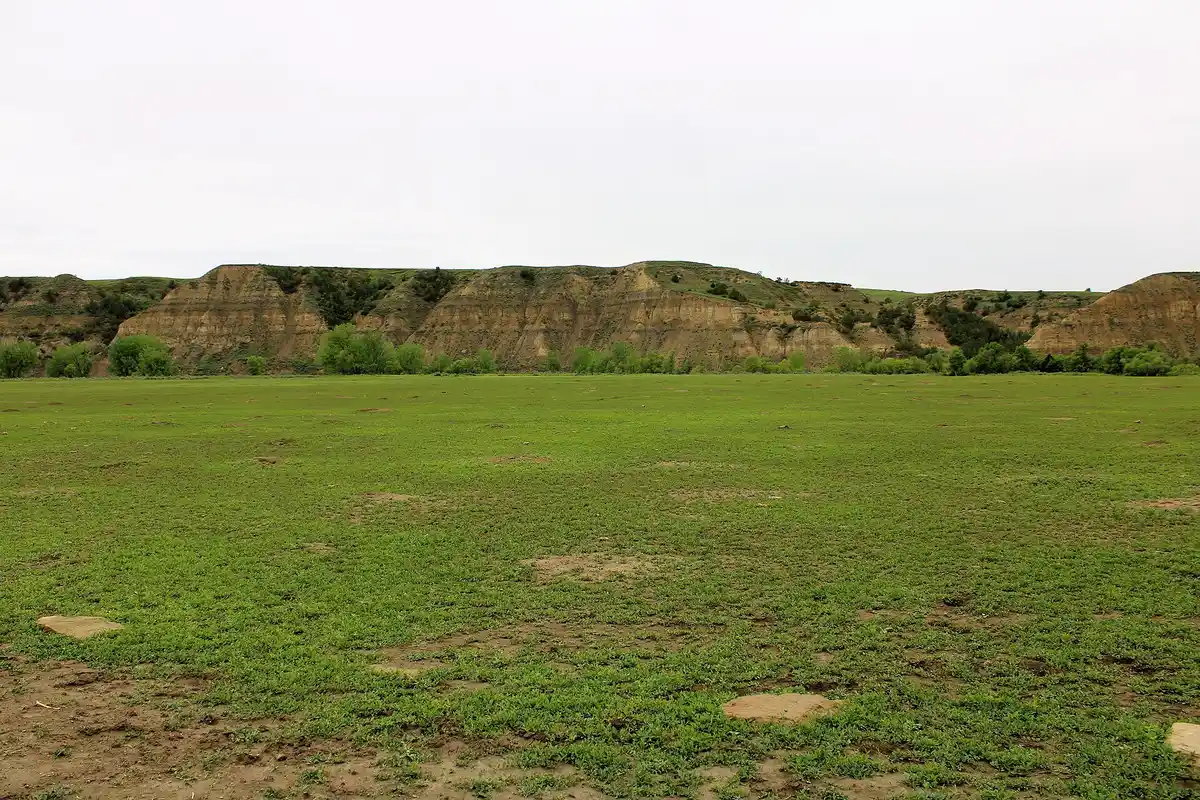 Farragutful / CC BY-SA 4.0Medora town & Medora Musical
Frontier gateway · outdoor show Jun–Sep · ViewpointBack in Medora, wind down in the well-preserved frontier town. The Medora Musical, an outdoor amphitheater show, runs June through September and is genuinely worth catching, and the Rough Riders Hotel has a good restaurant and a patio with butte views. Grab a pitchfork-fondue dinner before the show if you have time.
 Jonathan Schilling / CC BY-SA 4.0Depart via Dickinson (DIK)
~35 mi E on I-94 · return rental car · DriveWrap up the trip with the roughly 35-mile drive east on I-94 from Medora to Dickinson Theodore Roosevelt Regional Airport (DIK), or continue to Bismarck (BIS) for more flight options. Allow buffer for returning your rental car and for a final meal in Dickinson if time permits.
Book the 2 nights
Beds near the trailheads are the one thing on this trip that genuinely runs out. Everything else can be decided later.
Tell us your dates and we will do the checking. We find what is still open near each trailhead and email you this plan back with a booking link for each night. Nothing is charged and you decide at the end.
Request to bookWhat to pack for Theodore Roosevelt NP
Built from this route, not a generic list. Every line says why it is here.
On every day of this trip
On your feet
Because you are sleeping indoors
For the driving days
Essential park rules & planning.
Getting there needs a car
The South Unit entrance is right in Medora off I-94. Dickinson Theodore Roosevelt Regional Airport (DIK) is about 35 miles east; Bismarck (BIS) is about 135 miles east with more flights. There is no transit to the park, so a rental car is essential for the Scenic Loop and the trailheads.
Fees & the free camping permit
Park entry is $30 per vehicle for 7 days, and the America the Beautiful pass is accepted. There is no timed entry. A backcountry permit is required to camp overnight, it is free but must be picked up in person at the South Unit Visitor Center; there is no online reservation.
Respect the wildlife
The South Unit has bison, pronghorn, prairie dogs, and about 100 feral wild horses. Give bison and horses at least 100 yards, never feed or approach them, and never get between a cow bison and her calf. Watch for animals on the Scenic Loop, especially at dawn and dusk.
Carry all your water
There are no reliable water sources in the South Unit backcountry, and the Badlands offer almost no shade. Carry at least 4 liters per person for the Petrified Forest Loop and plan for roughly 1 liter per hour of hiking in warm weather. A filter is backup only.
Clay roads & trails when wet
The Petrified Forest access road is unpaved, and much of the backcountry is bentonite clay that turns to wet concrete after rain, clinging to boots and making the road impassable. Trail runners work on dry clay; bring gaiters or plan to bail if storms are forecast.
Go spring or fall
May, June, and September bring mild temperatures, wildflowers, bison calves, and active wildlife. July and August routinely top 100°F with intense sun and almost no shade, so hike at first light. Winters are cold and can close roads. Carry sun protection and layers year-round.
Watch your footing off-trail
Walking off-trail through the open grasslands hides real hazards: deep prairie-dog burrows can catch a boot and roll or break an ankle, so keep your eyes on the ground tread. Give the wild horse herds an especially wide berth, since stallions can charge if they feel crowded. Keep at least 100 yards back and let the animals move at their own pace.
Theodore Roosevelt NP: questions before you go
South unit: the questions people ask most.
A weekend covers the South Unit highlights: one day for the Painted Canyon Overlook and a Wind Canyon sunset, one day for the 36-mile Scenic Loop Drive and its wildlife, and one day for the remote 10.4-mile Petrified Forest Loop. Base yourself in Medora right at the park entrance. Add a day if you also want the more remote North Unit, about 70 miles north.
Day visits need only the $30 per-vehicle entrance fee (7 days), covered by the America the Beautiful pass. A backcountry permit is required to camp overnight in the wilderness, it is free but must be picked up in person at the South Unit Visitor Center. There is no online reservation and no timed entry.
May through June and September are ideal, with mild temperatures, wildflowers, bison calves in spring, and active wildlife. July and August can top 100°F with almost no shade, so hike at first light if you go then. Winter is cold and can close park roads. The Medora Musical and most town services run June through September.
Yes. The South Unit maintains a band of roughly 100 feral horses, descended from domestic stock, that can appear anywhere along the Scenic Loop Drive or in the backcountry. They are one of the park's most memorable sights. Watch them from a distance, do not approach or feed them, and keep at least 100 yards away.
No reliable water sources exist in the South Unit backcountry. Carry all your water from the trailhead, plan for at least 1 liter per hour of hiking in warm weather and a minimum of 4 liters for the Petrified Forest Loop. The Little Missouri River is silty and not a dependable source, so treat a filter as backup only.
It is a remote 10.4-mile loop that is moderate in terrain but demanding in exposure: the trail is marked with wooden posts rather than a maintained tread, there is no shade and no water, and the bentonite clay becomes impassable when wet. Download offline maps (Gaia GPS or CalTopo), carry 4+ liters of water, and skip it if rain is forecast.
Off-trail travel is allowed in the South Unit, but it carries real hazards. The open grasslands are riddled with deep prairie-dog burrows that can catch a boot and turn or break an ankle, so watch your footing closely. You may also cross paths with bison and the feral horse herds, and horse stallions can charge if they feel crowded, so keep well back, at least 100 yards, and give any animal a wide, respectful berth.
It is split. The South Unit, at Medora, runs on Mountain time. The North Unit, about 70 miles north, runs on Central time, an hour ahead. If you are visiting both units in one trip, build the hour into your schedule so you do not miss a ranger program or arrive at a gate after closing.
Yes. Tell us your dates and we check what is still open for the plan on this page, then send it back with a booking link for each night and the total. Nothing is charged and nothing is held, and you pay the normal rate.
Pick how you want to go.
Same 3-day route. Same 8 stops.
- 2 nights, a campsite near Medora
- $40
- Rental car, 3 days
- $180
- Gas, about 168 miles
- $25
- 2 nights, a room in Medora
- from $276
- Rental car, 3 days
- $180
- Gas, about 168 miles
- $25
- A private local guide, rooms and campsites booked
- Included
- Airport pickup and every drive
- Included
- Park, permit and campsite fees paid
- Included
- All the gear and the trail meals
- Included
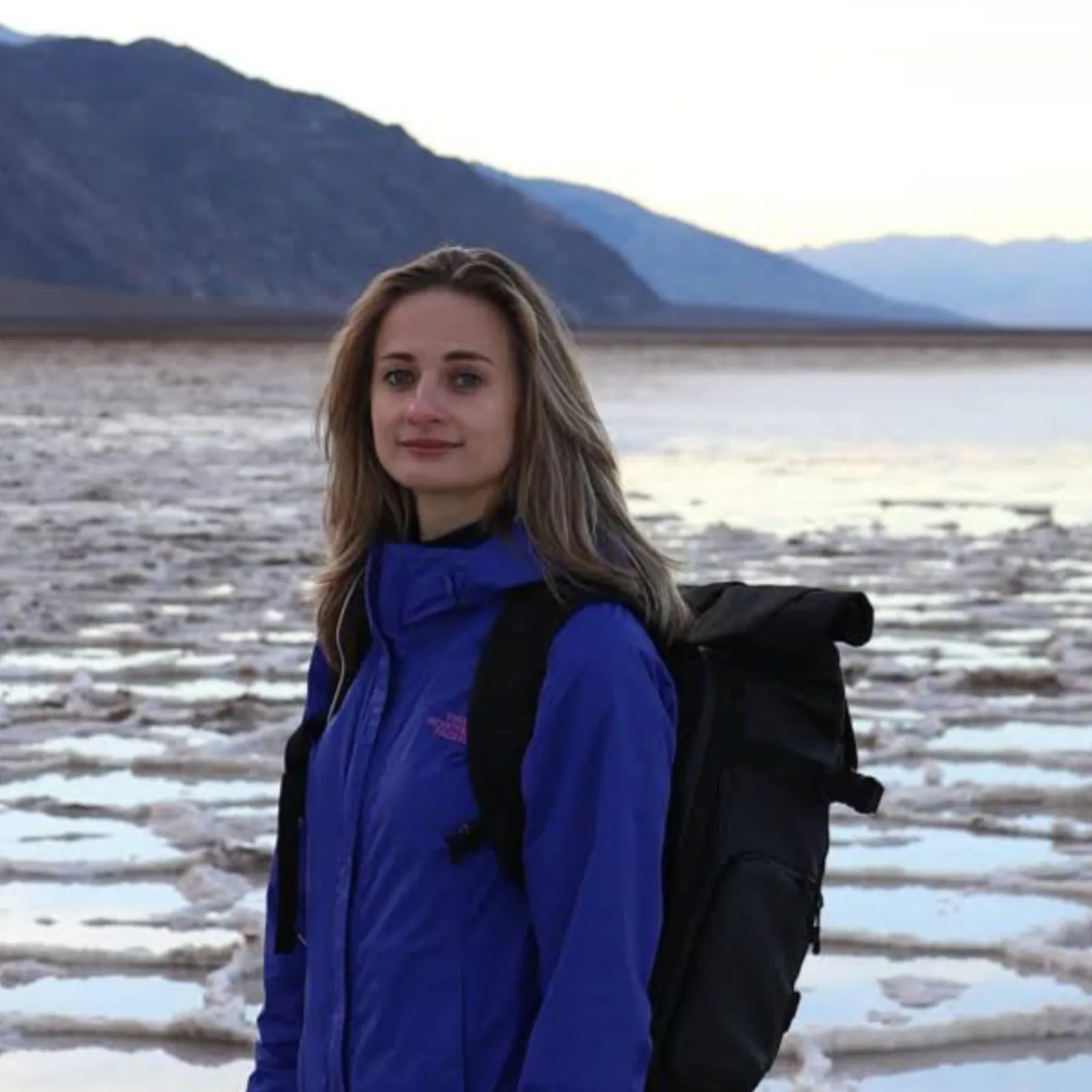
Written and walked by Yulia Vasilyeva · Co-founder · Lead planner and guide
Three years leading guided hikes in the Pacific Northwest, rated 5.0 by 20+ verified guests, and she builds every custom itinerary herself. Based in Seattle.
Last checked October 2026
You might also love these
Other itineraries near this one.
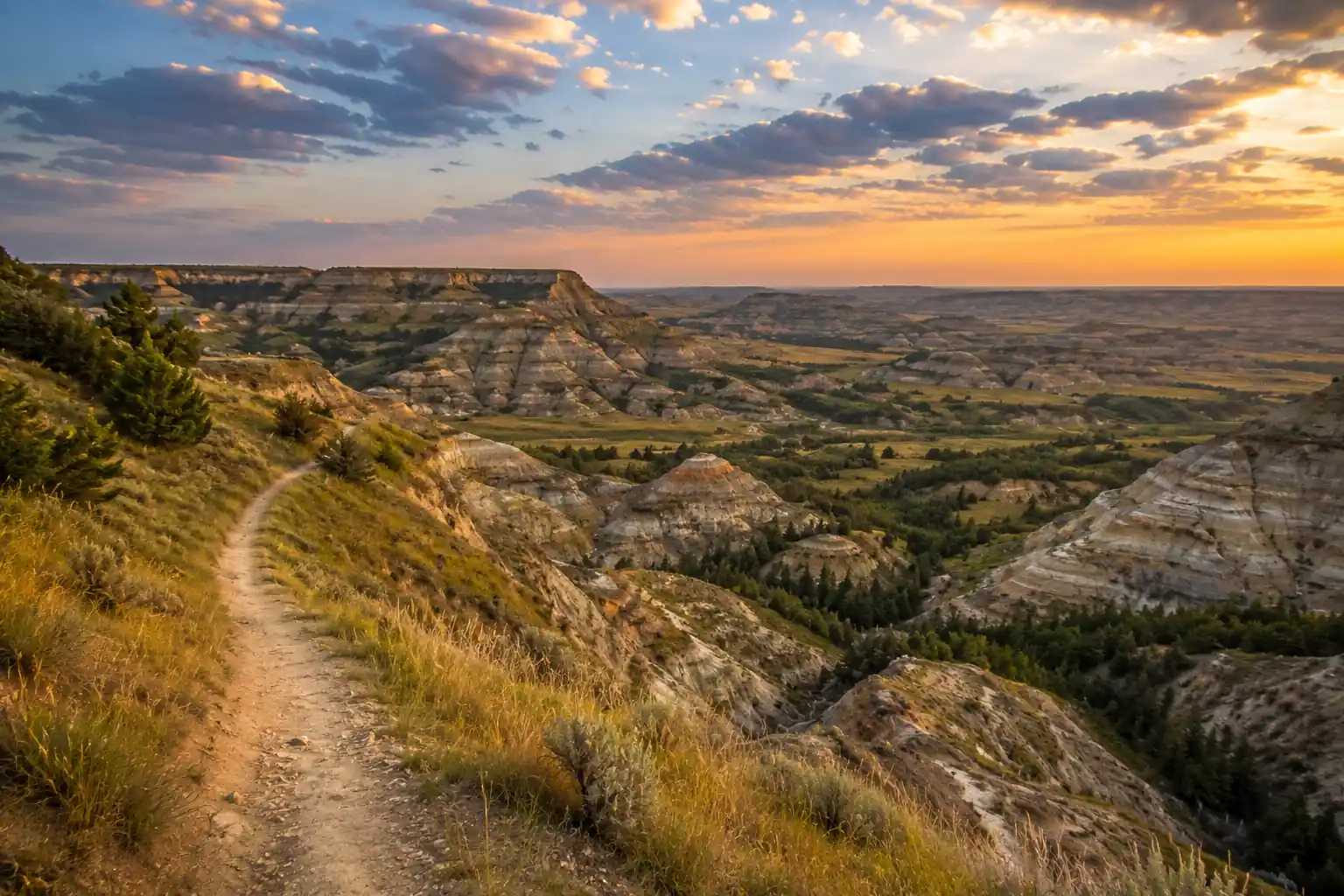
Maah Daah Hey Trail: 6-Day Backpacking Itinerary
A 6-day Maah Daah Hey Trail itinerary covering a 60-mile central section of the North Dakota Badlands, from Sully Creek to Peaceful…
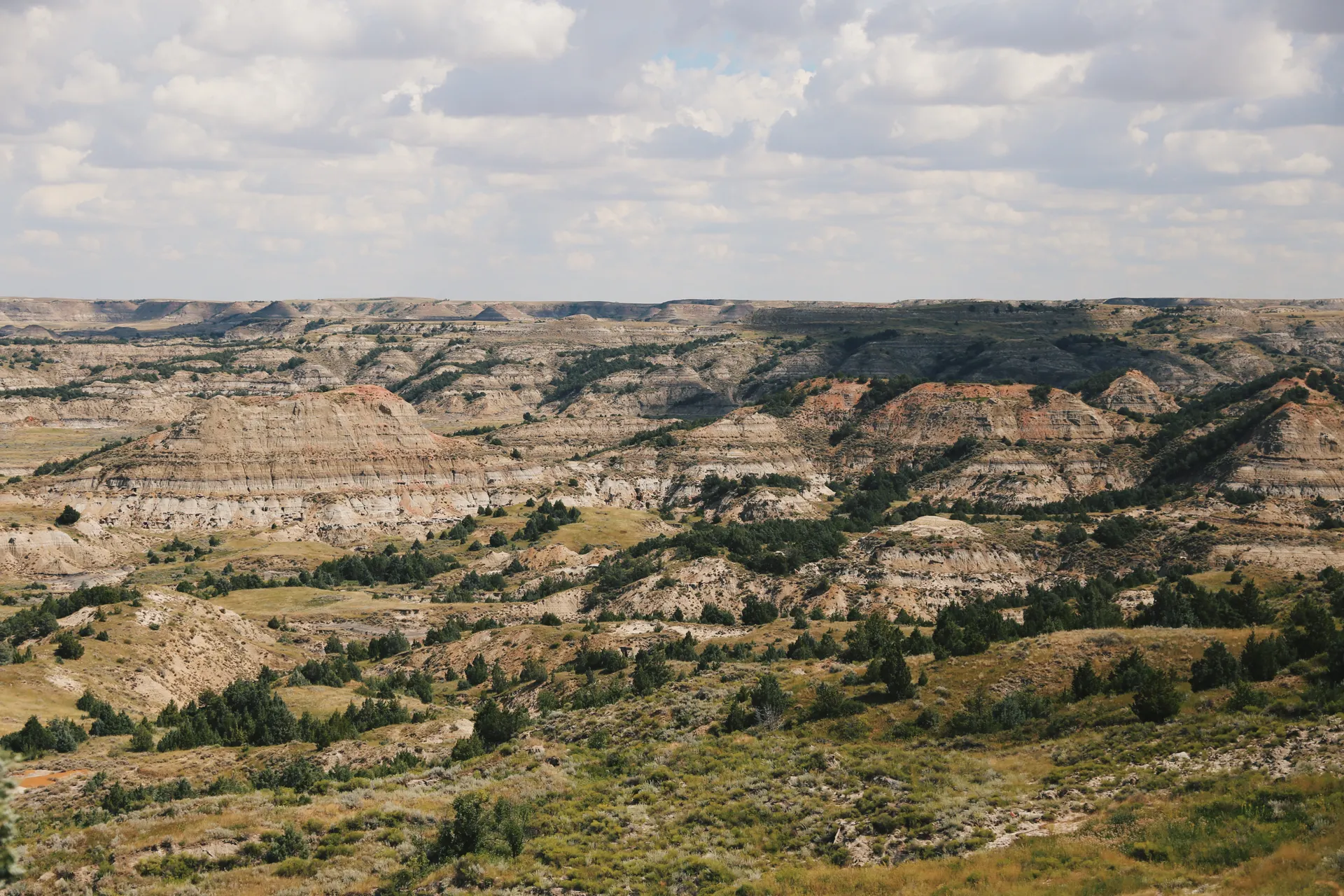
Little Missouri River Canoe Trip: 5 Days, Medora to Long X Bridge
107.5 river miles through the North Dakota badlands, from the South Unit past Roosevelt’s Elkhorn Ranch to the North Unit, camped on the…
North Dakota Canoe Trip: A 10-Day Itinerary
Ten days paddling North Dakota: the seasonal Little Missouri River canoe run through the Theodore Roosevelt badlands, flatwater on Lake…
Guides for this tripThe Best Time to Visit Theodore Roosevelt National ParkThe Best Hikes in Theodore Roosevelt National Park
What adventurers say about us.
All reviews are from verified guests. ★★★★★ 5.0 average from 20+ bookings.
"Felt like going out with a really knowledgeable friend who just happens to know everything about the area. No awkward tour-guide energy, just a magnificent day."
"Yulia is an incredible guide. She knew every trail, every viewpoint, and exactly how to pace the day for our group. The photos she took of us were stunning. 100% booking again."
"I was visiting Seattle solo and this was the best decision I made on the trip. Yulia picked me up, had snacks, and took us to a trail I never would have found on my own. Absolute must-do."
"We did this as a couple's trip and it was perfect. Yulia adapted everything to us, our pace, our interests, our photo obsession. The mountain views were unreal."
"Phenomenal experience. Yulia has deep local knowledge and a real passion for the outdoors. She went out of her way to show us the hidden gems tourists never see. Will remember this forever."
"I've done a few guided hikes and this was by far the best. Yulia is warm, funny, and genuinely expert. The trail she chose had the most insane wildflower bloom, we got so lucky."
Fees, reservation windows, shuttle dates and trail closures are planning estimates. Confirm hours, road status and any reservations with the land manager before you go.
What other travelers are saying
Be the first to leave a tip or question for the next traveler.
Was this helpful?
One tap. It goes straight to Yulia and Margarita.
You can't hike it if you can't get the permit.
The best hikes in America run on lotteries that open once a year and sell out in minutes. Every trail runs on its own calendar. Pick the ones you want and we do the watching.
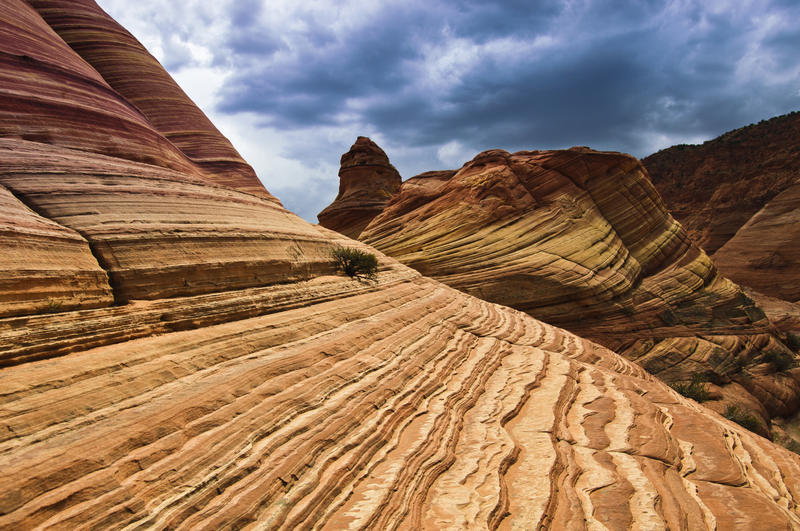 The WaveCoyote Buttes North · Arizona / UtahPermitLotterybrutal odds
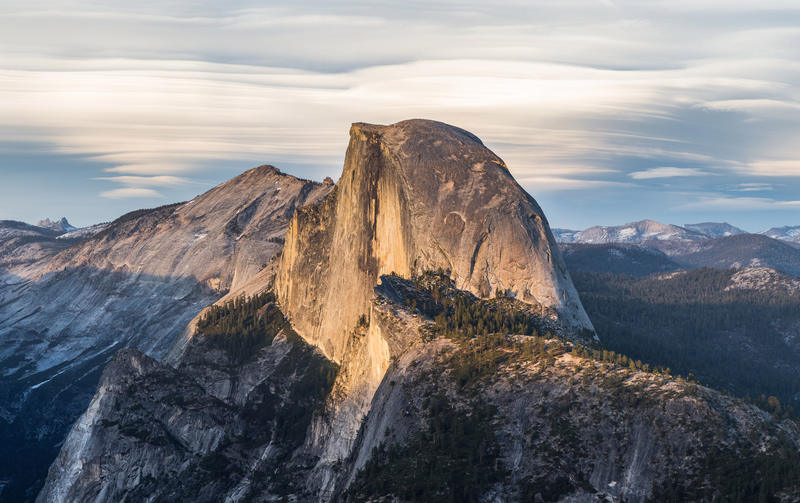 Half Dome CablesYosemite NP · CaliforniaPermitOpens Mar 1fair odds
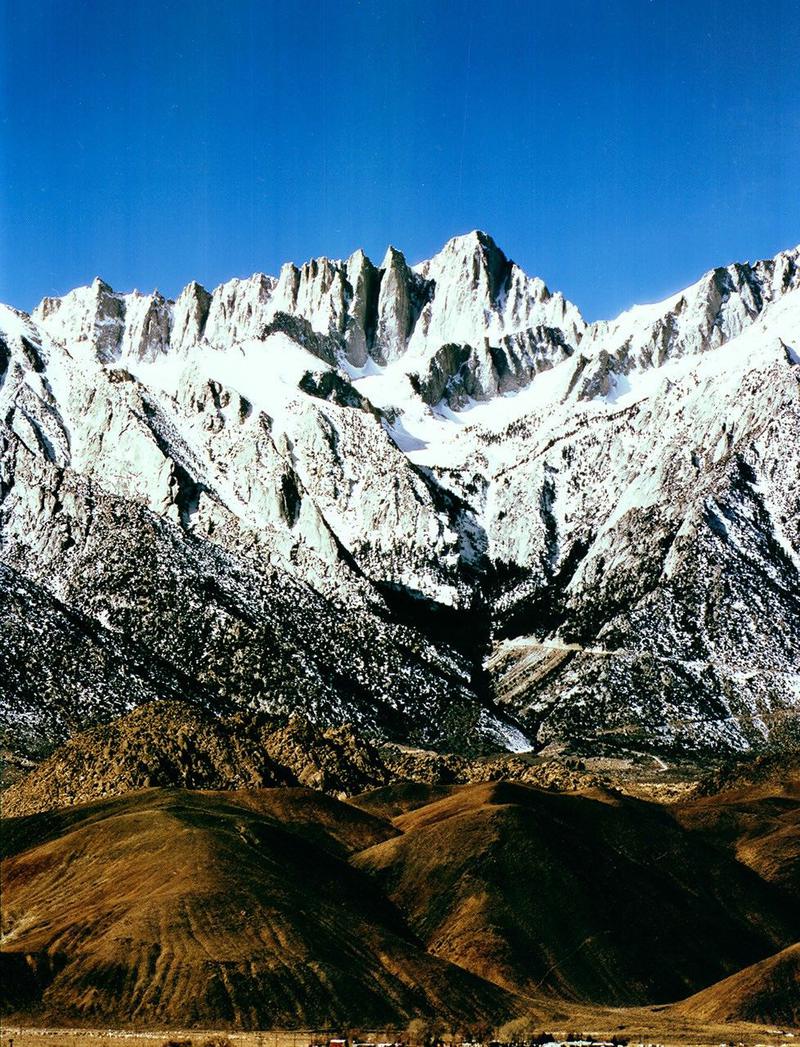 Mt. WhitneyInyo NF · CaliforniaPermitOpens Feb 1tough odds
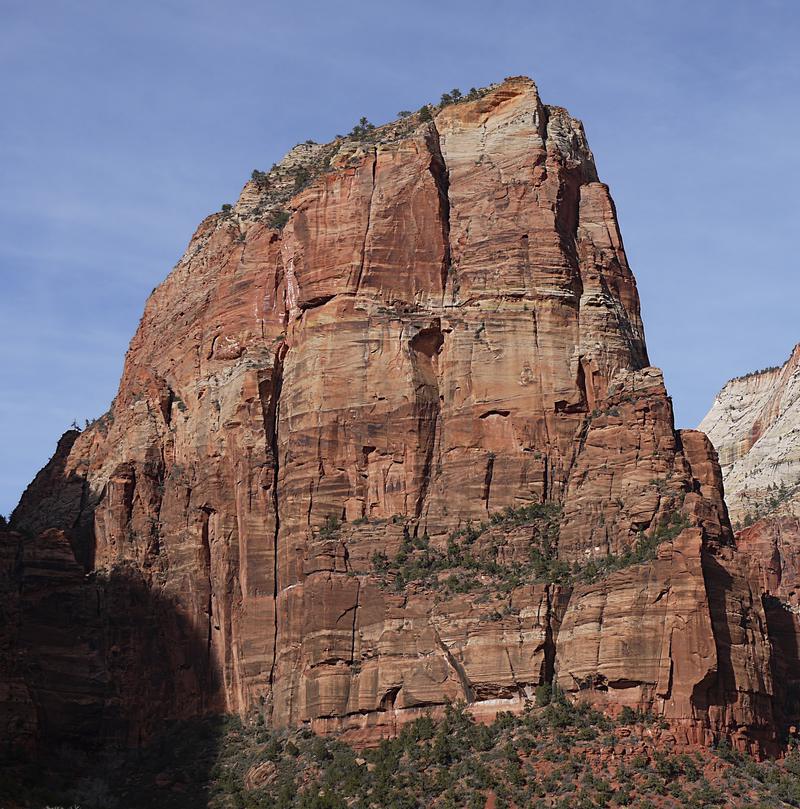 Angels LandingZion NP · UtahPermitLotterytough odds
 The SubwayZion NP · UtahPermitLotterytough odds
 Mount St. Helens Summit ClimbGifford Pinchot NF · WashingtonPermitReservationtough odds
How it works
- An email the morning each window opens, never the day after.
- A 14-day heads-up so you can line up your group and dates.
- Win odds and a ranked backup plan for every trail you pick.
Didn't win? We keep watching. We check recreation.gov every day for The Enchantments, Half Dome and Angels Landing, and email you the moment a sold-out date frees up. Cancellations are the second chance most people never hear about.