Pine Ridge Nebraska Map
A hidden wilderness loop in the Nebraska Pine Ridge.
3-day Pine Ridge backpacking itinerary in northwestern Nebraska. An ~11-mile figure-eight of the Boots & Saddle and Trooper trails through the 7,794-acre Soldier Creek Wilderness, based out of Fort Robinson, with Toadstool Geologic Park on the drive out.
“I’ve requested to book a Chain Lakes Loop guide on ExplorOFF, and it was the best idea ever! I highly recommend going with their guided option since you get a real human connection on the trail and don’t have to worry about a thing. Yulia was great to talk to!”
 10 stops on a real mapEvery stop pinned in order→
Pine Ridge: every stop pinned in order.
Soldier Creek Wilderness · Boots & Saddle + Trooper loop · Nebraska
Every stop on this trip, in order, opens as one driving route in the Google Maps app. No copying addresses across one at a time.
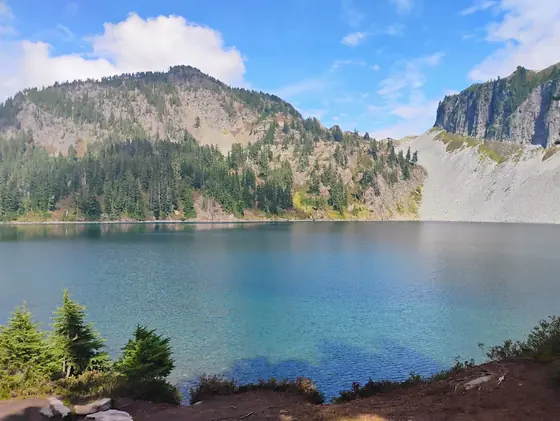
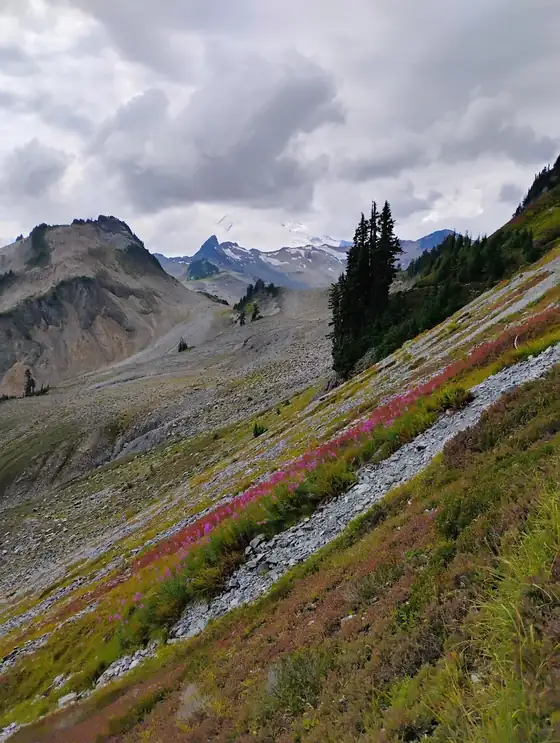
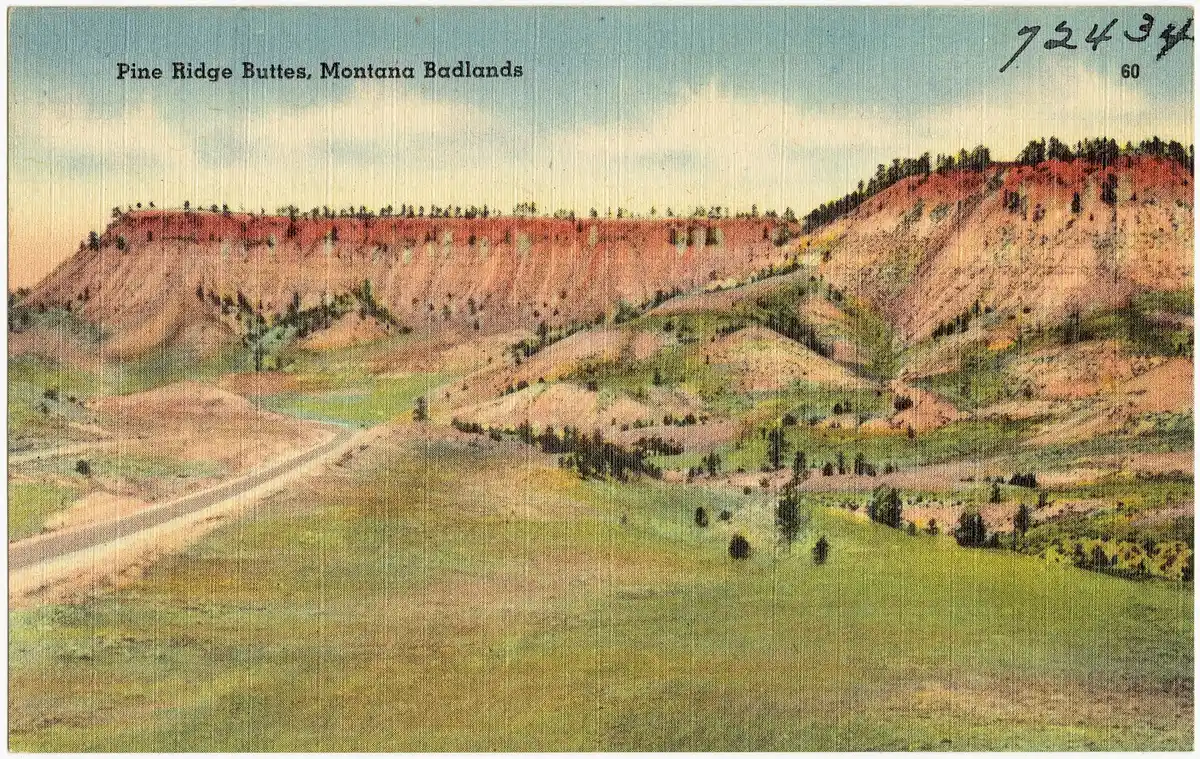
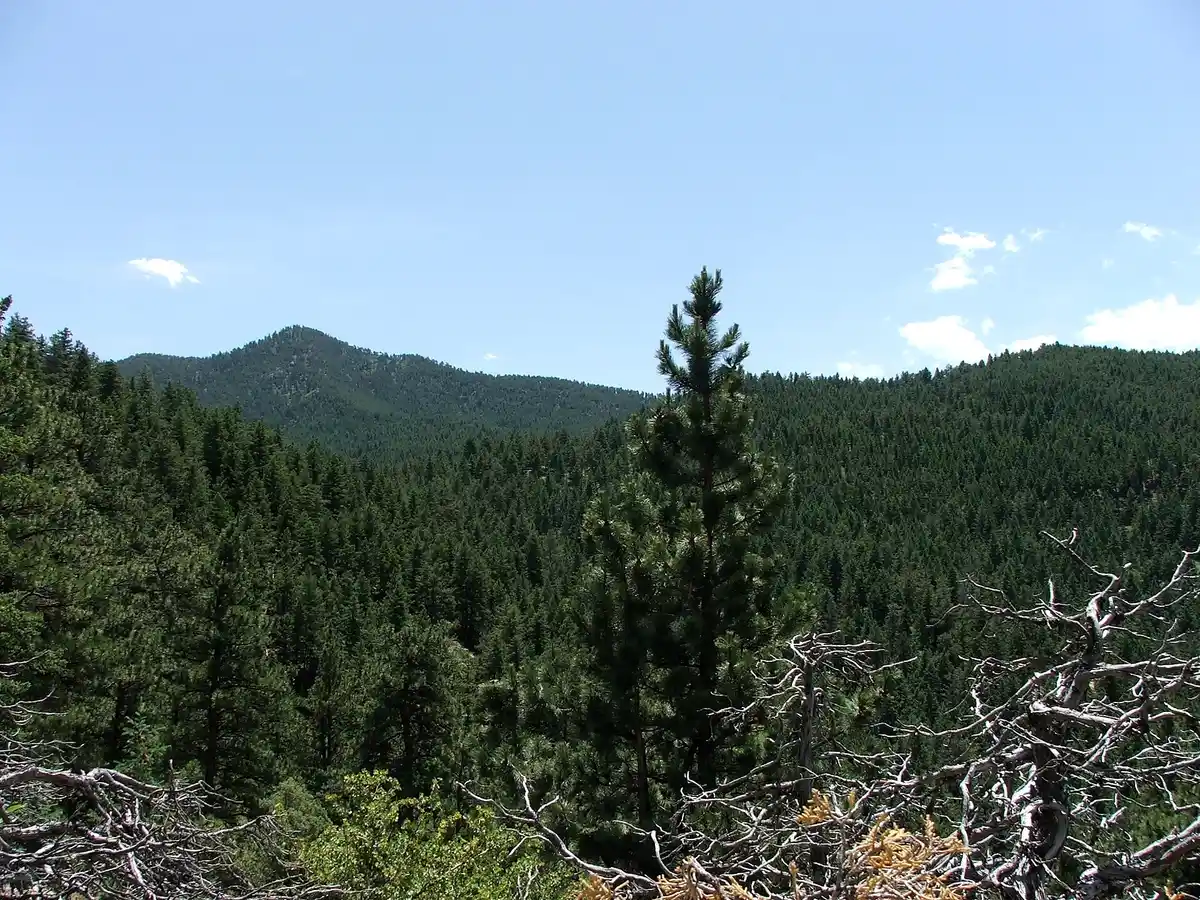
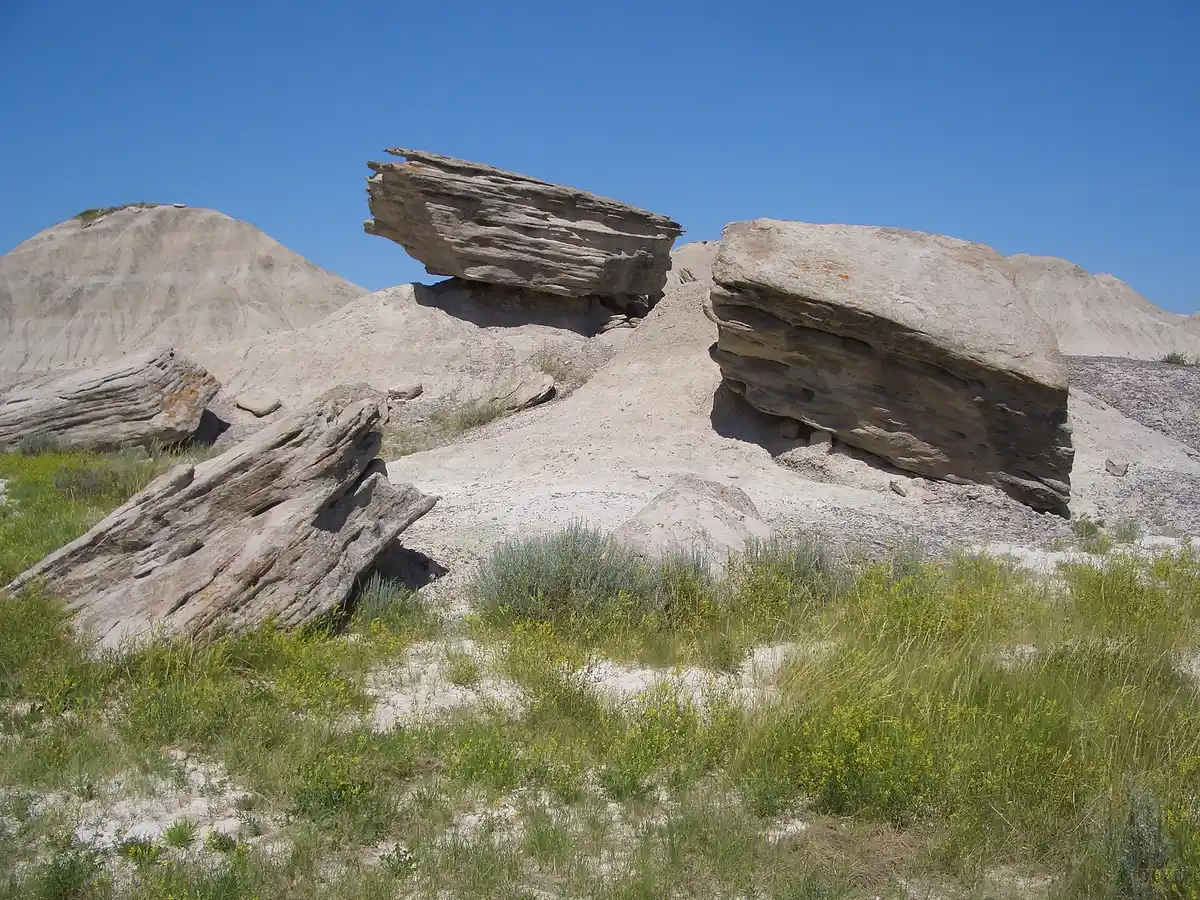
Pine Ridge in photos: 3 of the stops.
Plan and book your 3 days in Pine Ridge, one step at a time
- Stage 1 fire restrictions have covered all of the Nebraska National Forests and Grasslands, including the Pine Ridge, since July 18, 2026: no campfires at a dispersed camp, so carry a stove. Source
How 3 days in Pine Ridge split up
Plan 3 days for Pine Ridge. Distance: ~11-mile loop. Elevation gain: ~1,500 ft. Permits: None. For a 3-day backpacking trip in northwestern Nebraska's Pine Ridge, base your logistics out of Fort Robinson State Park near Crawford and hike the Soldier Creek Wilderness. This 7,794-acre wilderness, designated in 1986 and managed by the Nebraska National Forests and Grasslands, is laced with an ~11-mile figure-eight of the Boots & Saddle and Trooper trails through ponderosa pine ridges and clay buttes.
Day 1: Fort Robinson to the Ridge
4 stops · Day one
Day 2: Ridge Traverse & Butte Views
3 stops · Day two
Day 3: Hike Out & Toadstool Geologic Park
3 stops · Day three
Fort Robinson to the Ridge
Drive to Fort Robinson State Park near Crawford, top off every water bottle and bladder at the trailhead, and check in for current fire and trail conditions. From there it is 6 miles north on Soldier Creek Road to Soldier Creek Campground and the North Fork Trailhead, the gateway into the wilderness.
Not the order you want? Drag a stop, or use the arrows beside it. Stops move between days too.
- Drive from
~2.5 mi to Fort Robinson · car required · DriveBase your logistics out of Crawford and Fort Robinson State Park. Crawford is about 5–6 hours from Denver International Airport and 2.5–3 hours from Rapid City Regional Airport. Fort Robinson is 2.5 miles southwest of Crawford on US-20. No public transportation reaches the wilderness, so a car is required.
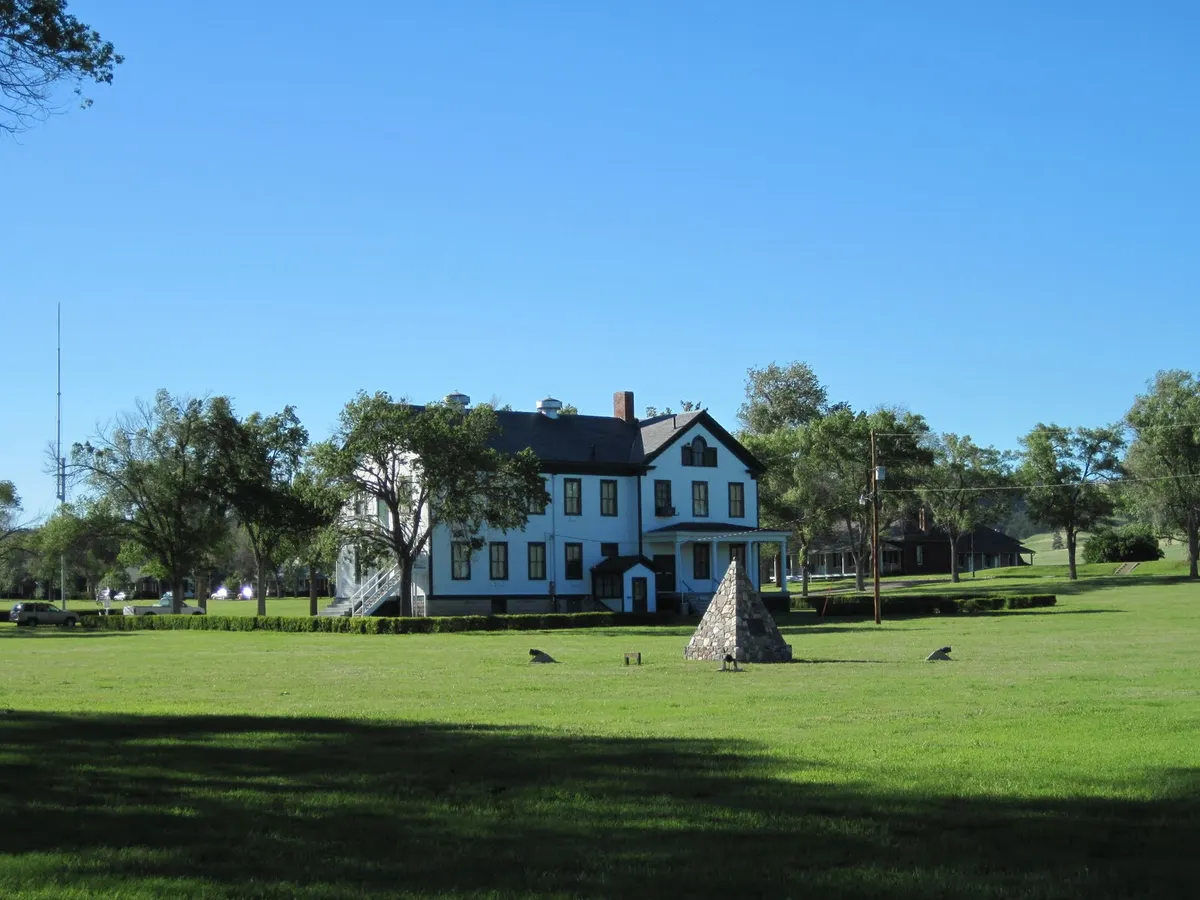 SkybirdForever / CC BY-SA 3.0Fort Robinson State Park & trailhead access
NE park permit · fill water · gateway to the wilderness · ViewpointFort Robinson State Park is your base and access point. A Nebraska state park entry permit is required to park here ($8/day or $45 annual for non-residents, from outdoornebraska.gov). Top off every bottle and bladder, and check in for current fire and trail conditions. It is 6 miles north on Soldier Creek Road to the trailhead.
Official info →- North Fork Trailhead · Boots & Saddle Trail
Soldier Creek Campground · ~7.1-mi trail · HikeThe North Fork Trailhead sits at Soldier Creek Campground, which has a hand-pump well, vault toilets, and 8 sites. Start up the Boots & Saddle Trail (about 7.1 miles) into the ponderosa pines, climbing toward the first open ridge with wide Pine Ridge views.
Official info → - Dispersed camp on the ridge
Leave No Trace · ~5 mi in · durable ground · lodgeSet a dispersed camp on durable ground on the first open ridge, at least a quarter mile from roads and developed areas. Store your food away from wildlife, carry all the water you need for the night and morning, and enjoy the solitude of one of the least-visited wildernesses in the Great Plains.
Ridge Traverse & Butte Views
This is the big day: connect onto the Trooper Trail and traverse the high ridges for panoramic views across the Pine Ridge. Faint stretches and game trails mean map, compass, and a downloaded GPS track earn their keep. The reward is dramatic clay buttes and eroded formations, remnants of ancient seabeds, standing above the pines.
Not the order you want? Drag a stop, or use the arrows beside it. Stops move between days too.
- Trooper Trail ridge traverse
~9.7-mi loop · panoramic Pine Ridge views · HikeConnect onto the Trooper Trail (about 9.7 miles) and traverse the high ridges for panoramic views across the Pine Ridge. Faint stretches and game trails make map, compass, and a downloaded GPS track essential. This completes the figure-eight with the Boots & Saddle loop.
See the trail → - Clay buttes & badlands formations
Eroded ancient seabeds above the pines · ViewpointSpend time among the dramatic clay buttes and eroded formations that define this region, remnants of ancient seabeds standing above the ponderosa pines. Watch for deer, wild turkeys, and soaring raptors. The formations are fragile, so look but do not climb on or disturb them.
- Dispersed camp in a sheltered draw
Windbreak · good drainage · second night · lodgeDrop into a sheltered draw for your second night, prioritizing a spot with a windbreak and good drainage. Store food away from wildlife and ration the water you carried. Expect near-total darkness and excellent stargazing with almost no light pollution.
Hike Out & Toadstool Geologic Park
Finish the figure-eight back to the North Fork Trailhead on more defined tread, taking in the last views of the Pine Ridge before you reach the car at Soldier Creek Campground. Clean up at Fort Robinson and grab a celebratory meal in Crawford.
Not the order you want? Drag a stop, or use the arrows beside it. Stops move between days too.
- Hike out to the North Fork Trailhead
~5 mi · more defined trail · last ridge views · HikeFinish the figure-eight back to the North Fork Trailhead on more defined tread, taking in the last views of the Pine Ridge before you reach the car at Soldier Creek Campground. Clean up at Fort Robinson and grab a celebratory meal in Crawford.
- Toadstool Geologic Park
~1-mi interpretive loop · Oglala National Grassland · ViewpointOn the way out, drive about an hour north to Toadstool Geologic Park in the Oglala National Grassland. The one-mile interpretive loop winds through mushroom-shaped rock formations, ancient mammal trackways, and eroded badlands. It is a day-use area with no potable water, so bring your own and wear sun protection.
Official info → 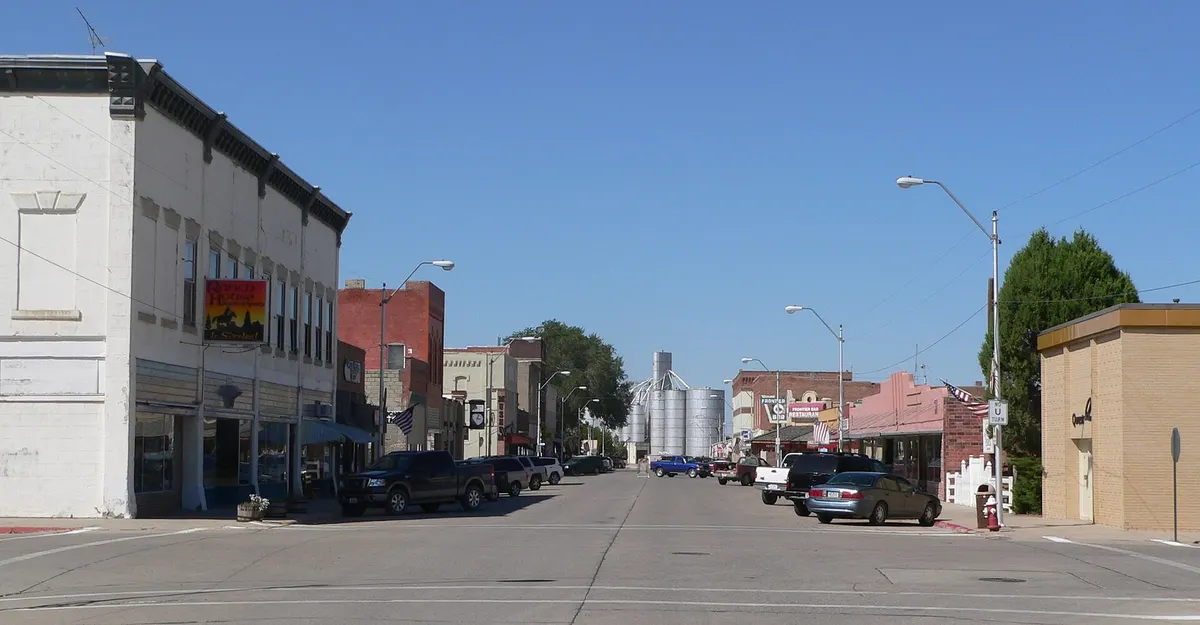 Back in Crawford, NE
Trip ends · Fort Robinson lodge if you stay on · ViewpointSpend a final night in a bed at the historic Fort Robinson lodge or cabins or in Crawford, or begin the drive home. From here you can add the Fort Robinson trails, the Sandhills, or the Niobrara River to extend your Nebraska trip.
Sort where you sleep each night
Most nights on this trip are in a tent. Reserve any campsite the route needs, and the room either side of it if you want one.
Tell us your dates and we will do the calling: the rooms either side, and the guided days in between. Nothing is charged and you decide at the end.
Request to bookWhat to pack for Pine Ridge
Built from this route, not a generic list. Every line says why it is here.
On every day of this trip
On your feet
Because you are sleeping out 2 nights
For the drive to the trailhead
Essential wilderness planning for the Pine Ridge.
Water is the crux
Sources in the Soldier Creek Wilderness are limited and unreliable, and creek beds are often dry. Carry 4–6 liters of capacity per person, treat everything you do find, and consider caching water at a road access point in advance. Do not plan on finding water on the ridges.
No permit, but bring navigation
No backcountry permit is required and dispersed camping is allowed, but trails fade into game paths. Carry a paper map, compass, and a downloaded GPS track. Cell service is spotty to non-existent across the wilderness.
Leave No Trace camping
Camp on durable surfaces at least a quarter mile from roads and developed areas, pack out all trash, and store food away from wildlife. A bear canister is not required, but an Ursack or a proper hang keeps rodents and other critters out.
Go in spring or fall
May–June and September–October have the most pleasant temperatures. Summer brings heat, humidity, frequent thunderstorms, ticks, and mosquitoes; winter is harsh with snow and extreme cold. Spring adds wildflowers but more ticks and mud.
Wildlife & tick awareness
Expect deer, wild turkeys, and coyotes, with rattlesnakes in rocky areas and the occasional mountain lion. Do thorough tick checks in spring and summer, and watch where you place hands and feet on the buttes.
Getting there needs a car
Crawford is about 5–6 hours from Denver International Airport and 2.5–3 hours from Rapid City Regional Airport. Fort Robinson is 2.5 miles southwest of Crawford on US-20, and the Soldier Creek trailhead is 6 miles north on Soldier Creek Road. No transit reaches the trailhead, so a car is required.
Wildfire risk, and pack a stove
The dry ponderosa ridges and grasslands carry a severe, fast-moving summer wildfire risk, and open fires are typically banned in the backcountry. Pack an ultralight backpacking stove for cooking rather than relying on a campfire, and check current fire restrictions with the Pine Ridge Ranger District before you go. A GPS app also helps you navigate the unmarked ranch fence lines that cross the wilderness edges, since the trails fade in and out.
Pine Ridge: questions before you go
Pine Ridge nebraska backpacking: the questions people ask most.
No backcountry permit is required and dispersed camping is allowed in the Soldier Creek Wilderness, which is managed by the Nebraska National Forests and Grasslands. You do need a Nebraska state park entry permit to park at Fort Robinson State Park ($8/day or $45 annual for non-residents). Always check with the Pine Ridge Ranger District for current fire restrictions before you go.
The wilderness has an ~11-mile figure-eight formed by the Boots & Saddle Trail (about 7.1 miles) from the North Fork Trailhead and the Trooper Trail loop (about 9.7 miles) from the Middle and South Fork trailheads. Done as a relaxed 3-day backpacking trip with two nights of dispersed camping, it runs roughly 5, 7, and 5 miles per day, plus a Toadstool Geologic Park stop on the way out.
Not reliably. Water sources in the Pine Ridge are extremely limited and creek beds are often dry, so you must carry significant water (4–6 liters of capacity is recommended) or pre-cache it at an approved road access point. Fill up at the Soldier Creek Campground hand-pump well before you start, and treat any water you do find.
May through early June and September through early October offer the most pleasant temperatures and the fewest bugs. Summers are hot and humid with frequent thunderstorms plus abundant ticks and mosquitoes, and winters are harsh with snow and extreme cold. Fall is driest, so plan your water accordingly.
Fly into Rapid City Regional Airport (about 2.5–3 hours) or Denver International (about 5–6 hours) and drive to Crawford, Nebraska. From Crawford, take US Highway 20 about 2.5 miles southwest to Fort Robinson, then Soldier Creek Road 6 miles north to Soldier Creek Campground and the North Fork Trailhead. A car is required; no public transportation reaches the wilderness.
Yes, and it pairs perfectly with this loop. Toadstool Geologic Park is in the Oglala National Grassland about an hour north of Crawford, with a one-mile interpretive loop through mushroom-shaped rock formations, ancient mammal trackways, and eroded badlands. It is a day-use area with no potable water, so bring your own. This itinerary visits it on the drive out on Day 3.
Tell us your dates and we ask a local guide who works this area what they can do on your days and what it costs. If nobody is free, we tell you. Asking is free: no card, no deposit, and nothing is held until you say yes.
Pick how you want to go.
Same 3-day loop. Same 7 stops.
- 2 nights, sites along the route
- Free
- Rental car, 3 days
- $180
- Gas, about 34 miles
- $10
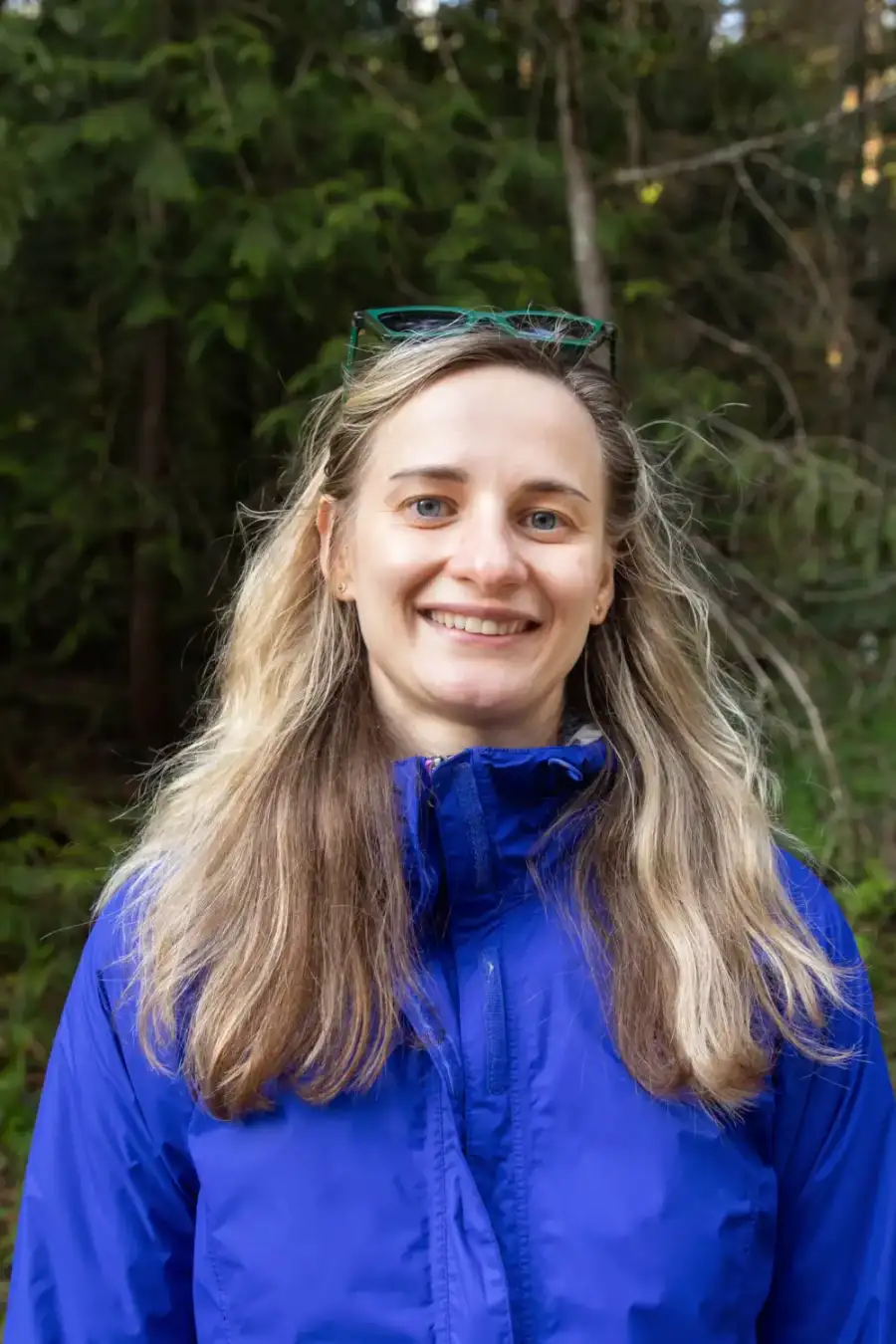
- A private local guide, campsites booked
- Included
- Airport pickup and every drive
- Included
- Park, permit and campsite fees paid
- Included
- All the gear and the trail meals
- Included
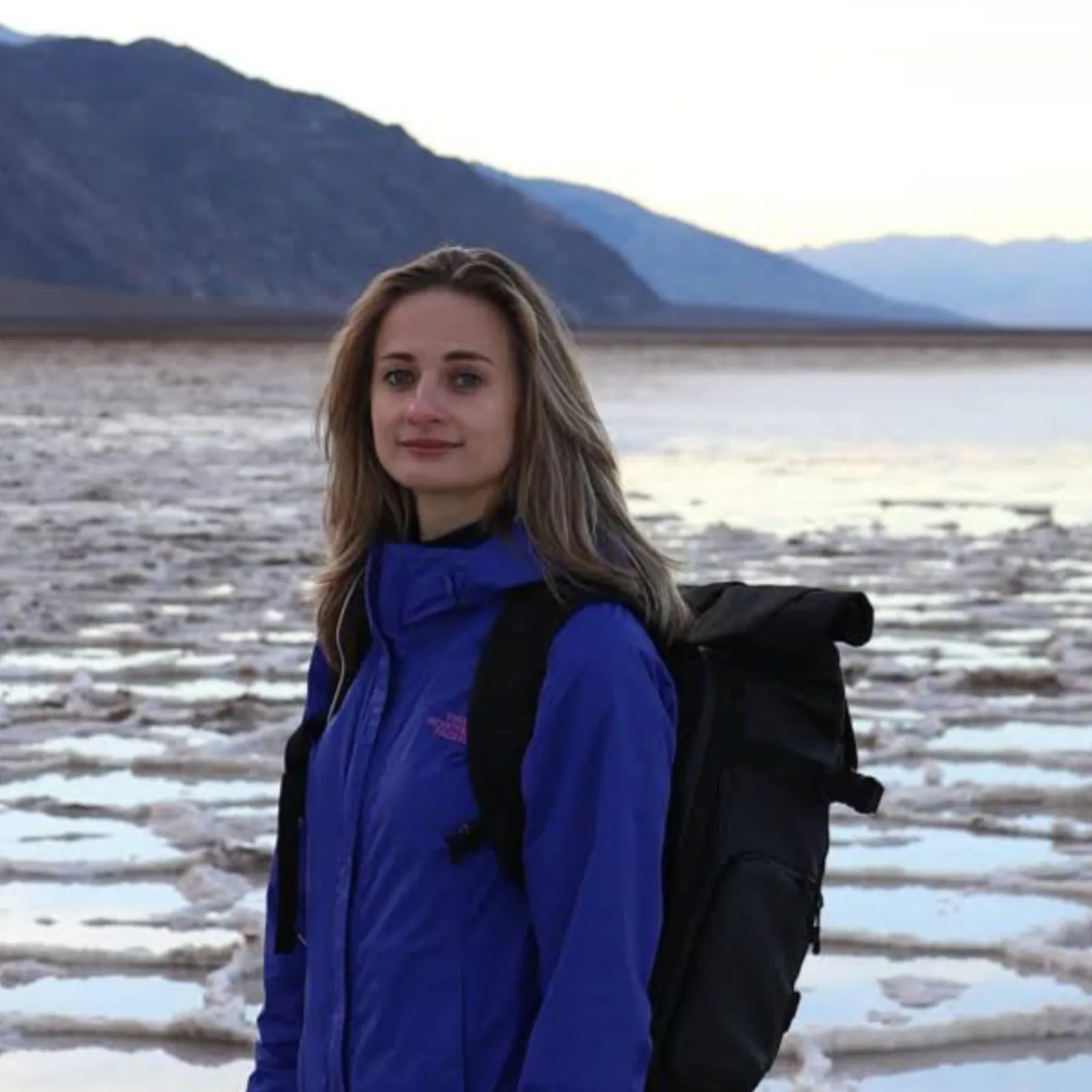
Written and walked by Yulia Vasilyeva · Co-founder · Lead planner and guide
Three years leading guided hikes in the Pacific Northwest, rated 5.0 by 20+ verified guests, and she builds every custom itinerary herself. Based in Seattle.
Last checked September 2026
You might also love these
Other itineraries near this one.
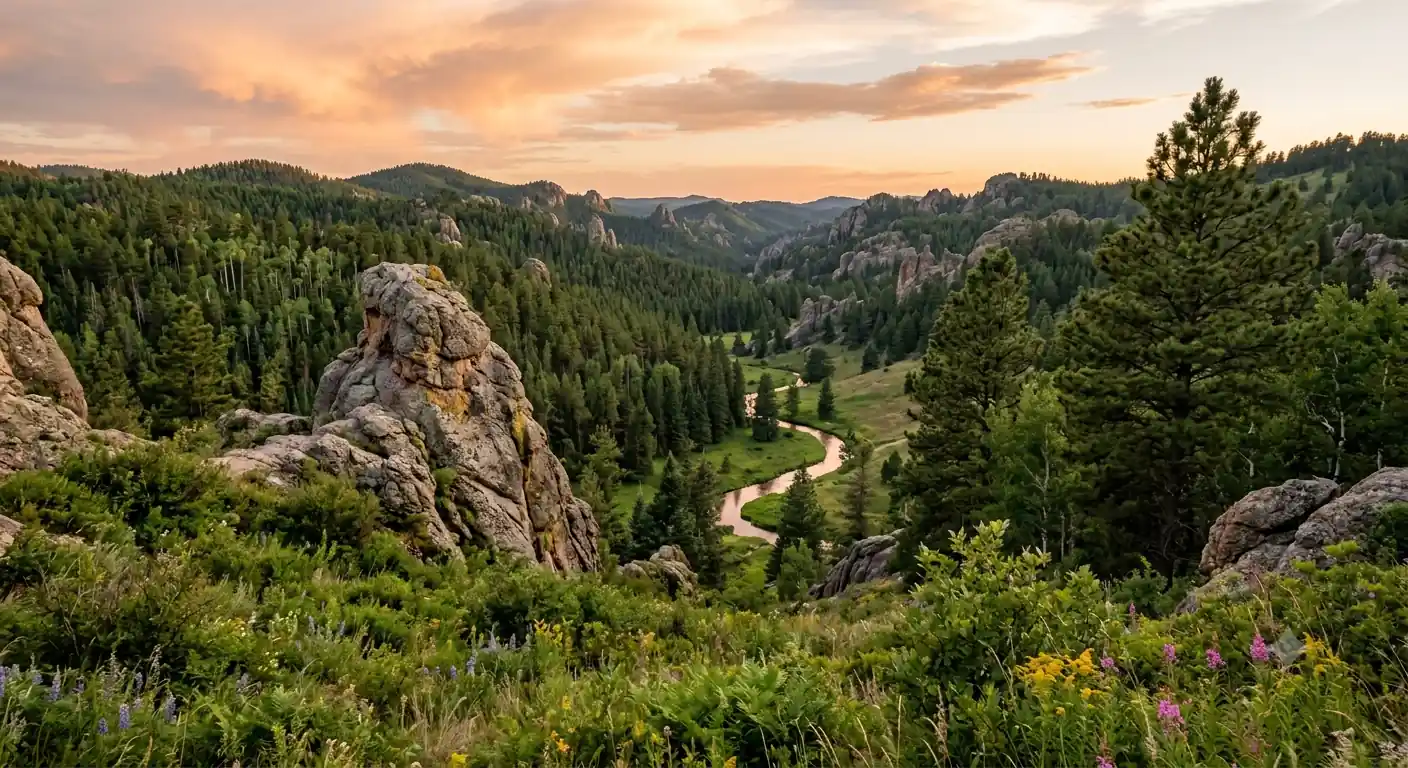
Centennial Trail South Dakota: 6-Day Backpacking Itinerary
The Centennial Trail South Dakota map plus a 6-day backpacking itinerary along Trail #89 through Custer State Park to Black Elk Peak,…

South Dakota Wilderness: A 10-Day Road Trip Itinerary
A 10-day South Dakota road trip itinerary that loops the badlands, caves, granite spires, and free-roaming bison: Badlands National…
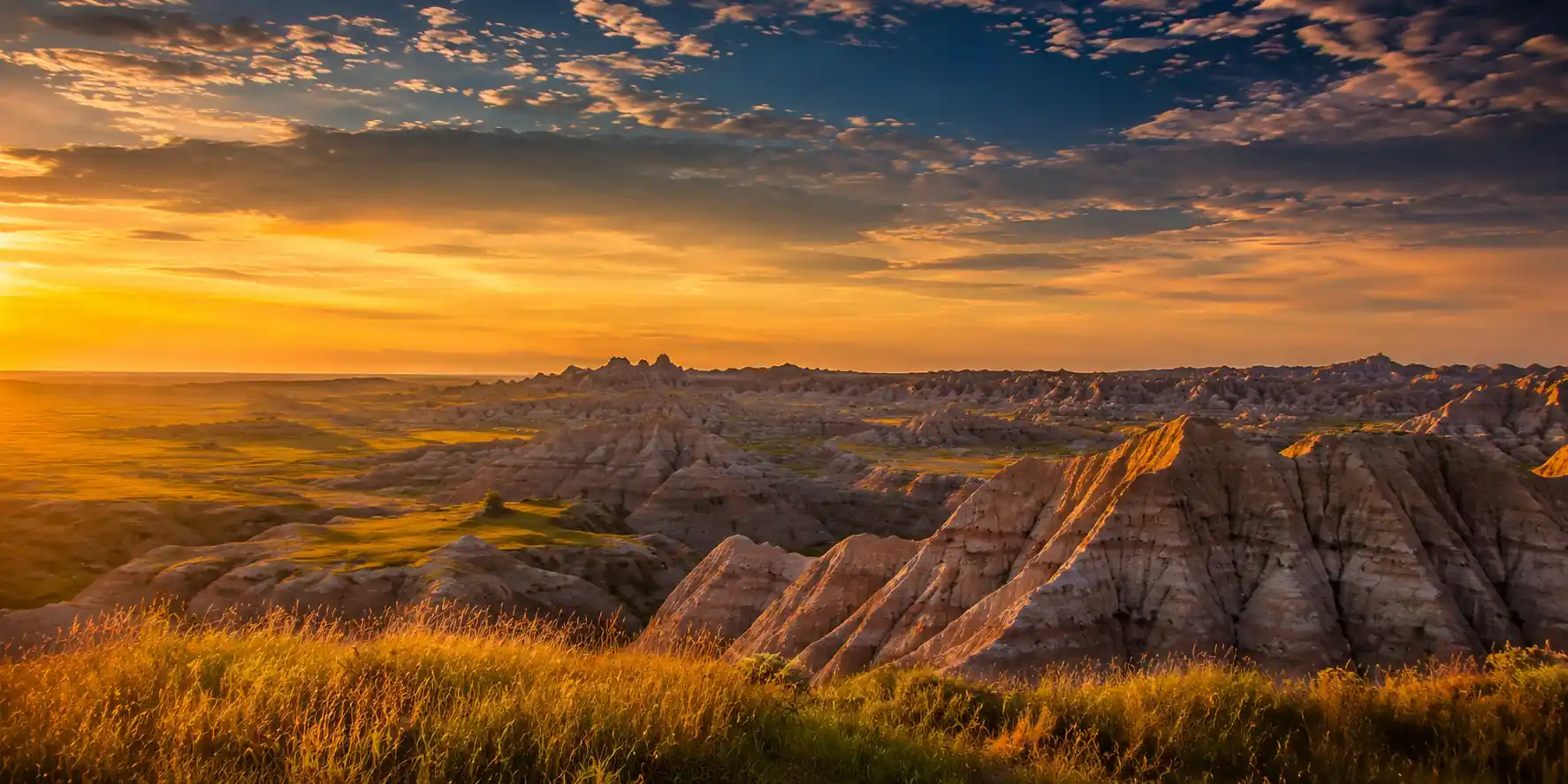
Badlands & Black Hills: 3-Day Road Trip Itinerary
A 3-day Badlands and Black Hills road trip itinerary from Rapid City: Badlands Loop Road, Custer State Park wildlife, Crazy Horse, Mount…
Guides for this tripBiking the Cowboy Trail in NebraskaNiobrara River Canoeing Guide
What adventurers say about us.
All reviews are from verified guests. ★★★★★ 5.0 average from 20+ bookings.
"Felt like going out with a really knowledgeable friend who just happens to know everything about the area. No awkward tour-guide energy, just a magnificent day."
"Yulia is an incredible guide. She knew every trail, every viewpoint, and exactly how to pace the day for our group. The photos she took of us were stunning. 100% booking again."
"I was visiting Seattle solo and this was the best decision I made on the trip. Yulia picked me up, had snacks, and took us to a trail I never would have found on my own. Absolute must-do."
"We did this as a couple's trip and it was perfect. Yulia adapted everything to us, our pace, our interests, our photo obsession. The mountain views were unreal."
"Phenomenal experience. Yulia has deep local knowledge and a real passion for the outdoors. She went out of her way to show us the hidden gems tourists never see. Will remember this forever."
"I've done a few guided hikes and this was by far the best. Yulia is warm, funny, and genuinely expert. The trail she chose had the most insane wildflower bloom, we got so lucky."
Fees, reservation windows, shuttle dates and trail closures are planning estimates. Confirm hours, road status and any reservations with the land manager before you go.
What other travelers are saying
Be the first to leave a tip or question for the next traveler.
Was this helpful?
One tap. It goes straight to Yulia and Margarita.
You can't hike it if you can't get the permit.
The best hikes in America run on lotteries that open once a year and sell out in minutes. Every trail runs on its own calendar. Pick the ones you want and we do the watching.
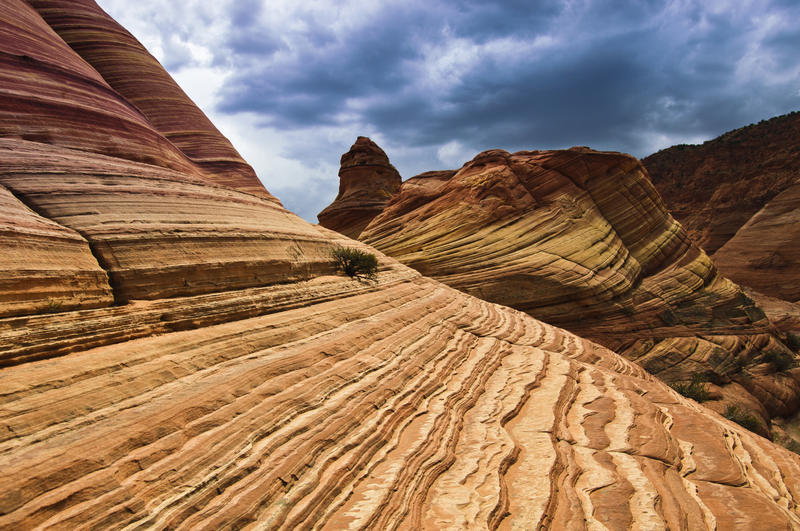 The WaveCoyote Buttes North · Arizona / UtahPermitLotterybrutal odds
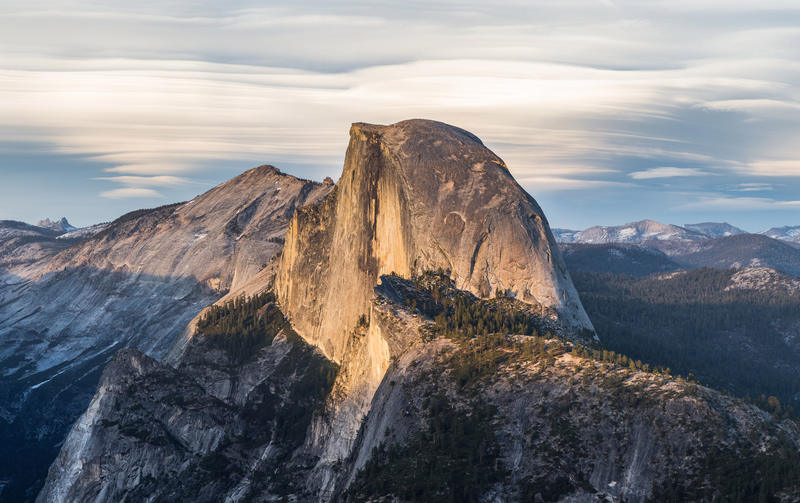 Half Dome CablesYosemite NP · CaliforniaPermitOpens Mar 1fair odds
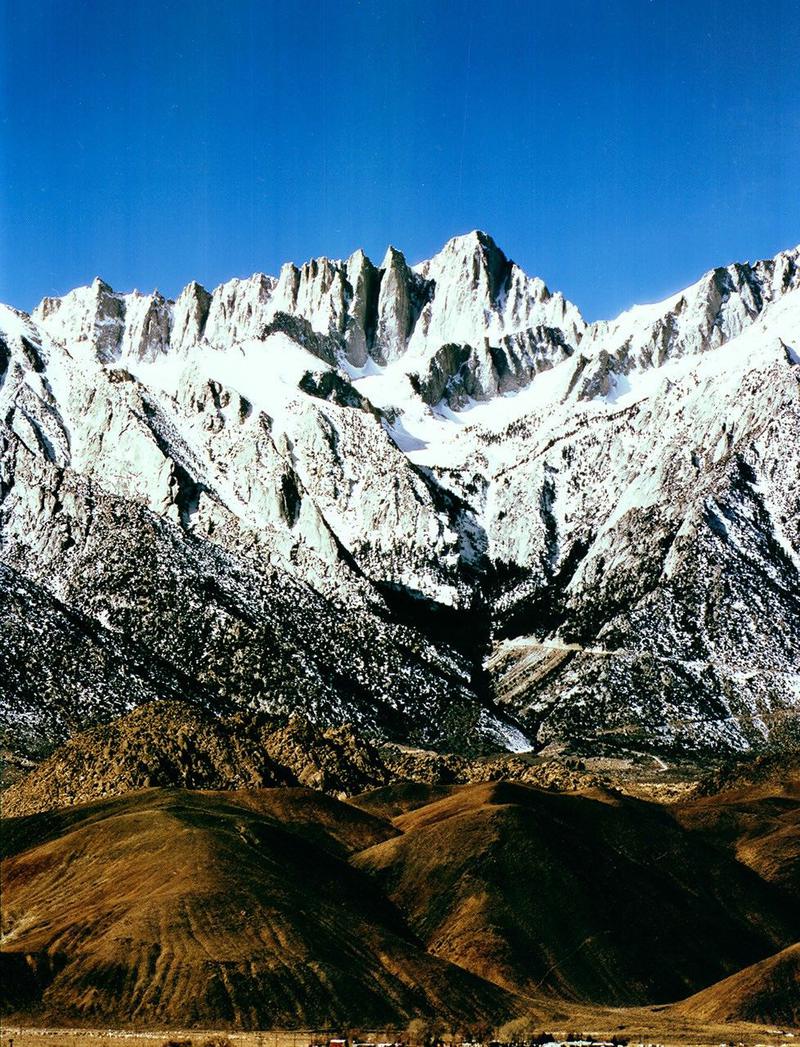 Mt. WhitneyInyo NF · CaliforniaPermitOpens Feb 1tough odds
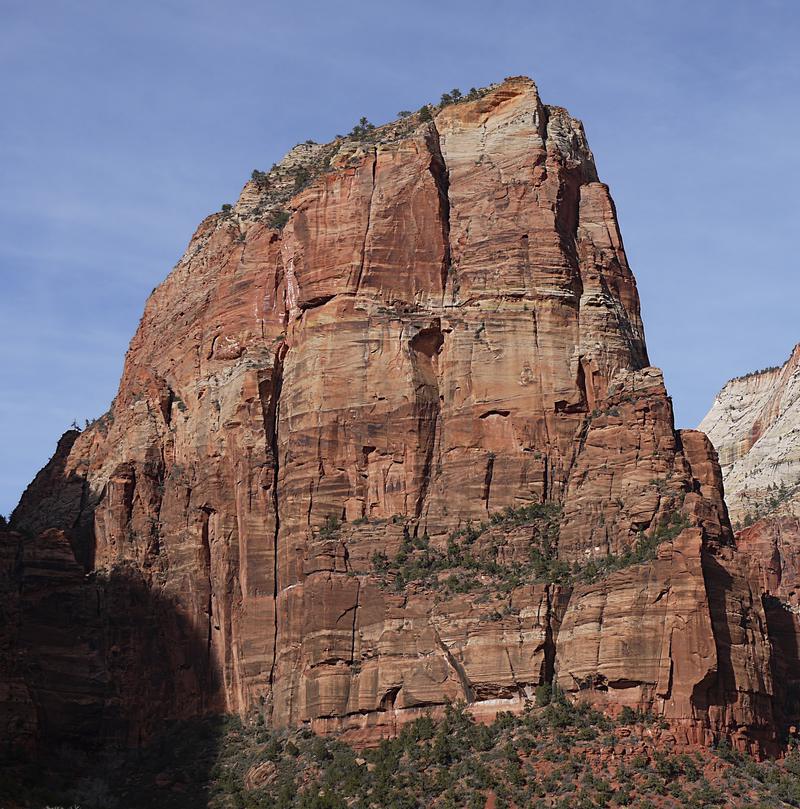 Angels LandingZion NP · UtahPermitLotterytough odds
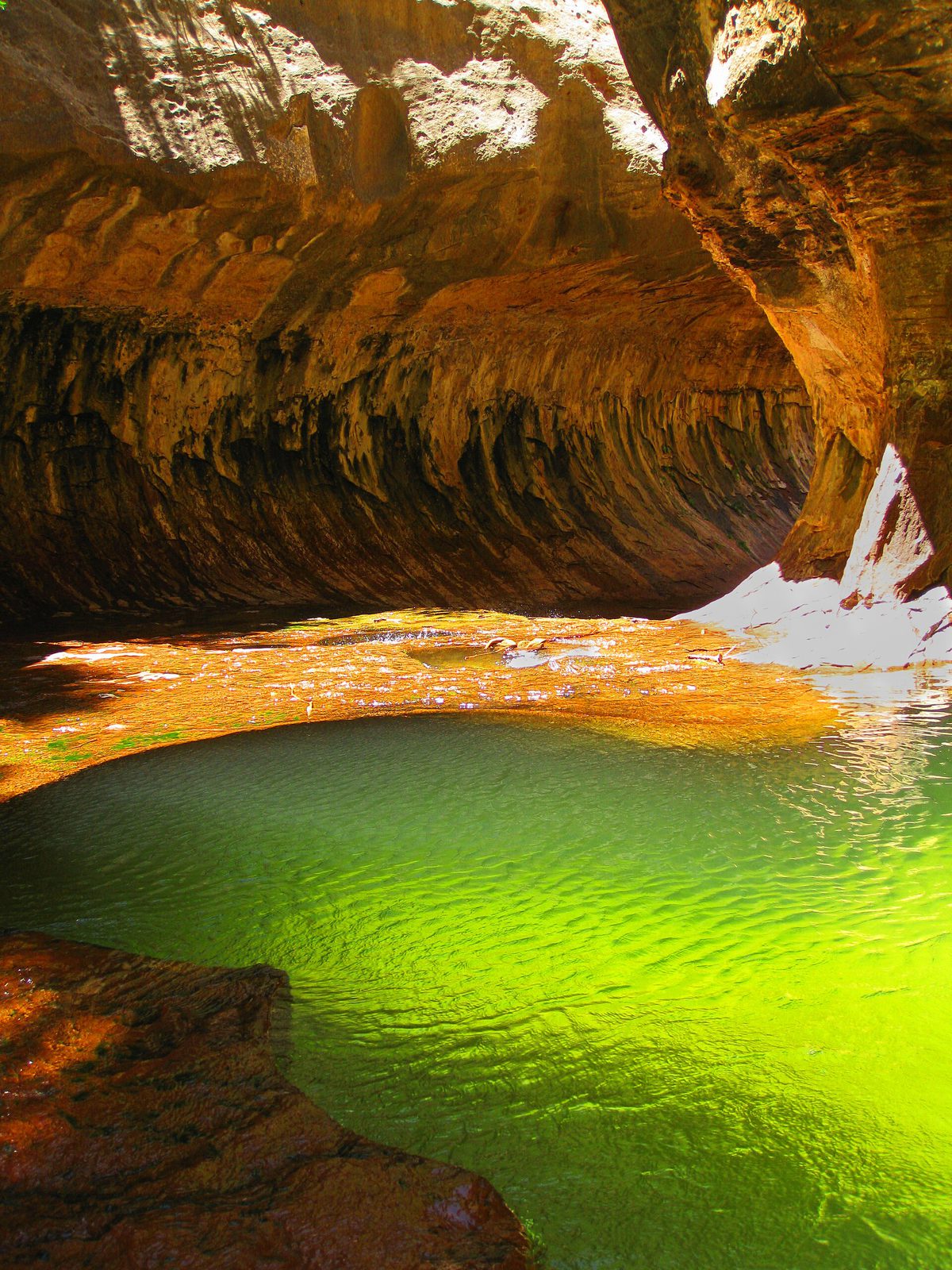 The SubwayZion NP · UtahPermitLotterytough odds
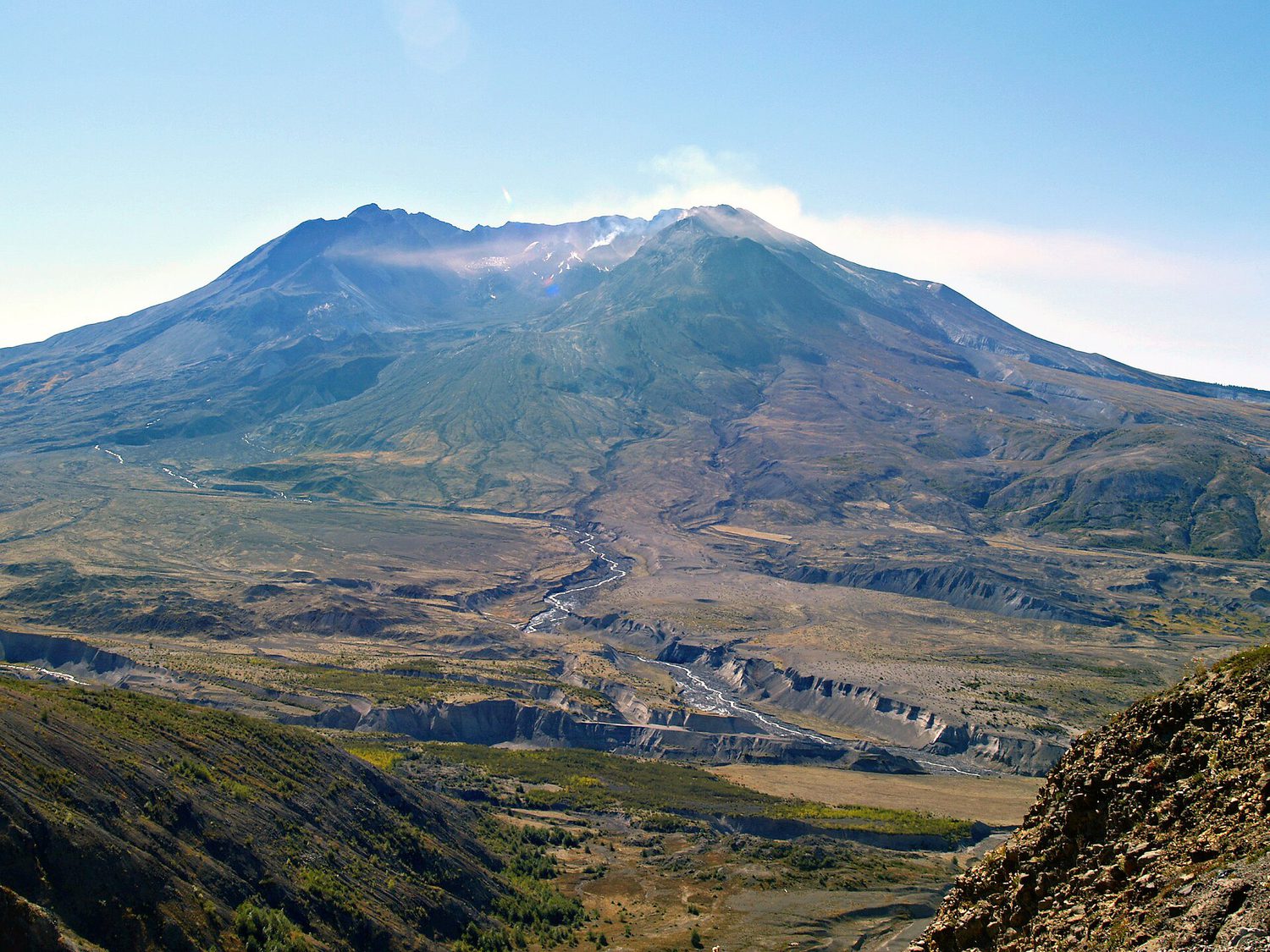 Mount St. Helens Summit ClimbGifford Pinchot NF · WashingtonPermitReservationtough odds
How it works
- An email the morning each window opens, never the day after.
- A 14-day heads-up so you can line up your group and dates.
- Win odds and a ranked backup plan for every trail you pick.
Didn't win? We keep watching. We check recreation.gov every day for The Enchantments, Half Dome and Angels Landing, and email you the moment a sold-out date frees up. Cancellations are the second chance most people never hear about.