Ouachita Trail Backpacking: A 7-Day Arkansas Itinerary
One long ridge walk, shelters, springs & fall color, across Arkansas.
Seven days backpacking the Arkansas Ouachita Trail: long east-west ridge walks, Rich Mountain, the Flatside Wilderness and Forked Mountain, free first-come shelters, and the logistics to thru hike it safely.
“I’ve requested to book a Chain Lakes Loop guide on ExplorOFF, and it was the best idea ever! I highly recommend going with their guided option since you get a real human connection on the trail and don’t have to worry about a thing. Yulia was great to talk to!”
 23 stops on a real mapEvery stop pinned in order→
Ouachita Trail: every stop pinned in order.
Talimena to Pinnacle Mountain · Ouachita National Forest · Arkansas
Every stop on this trip, in order, opens as one driving route in the Google Maps app. No copying addresses across one at a time.
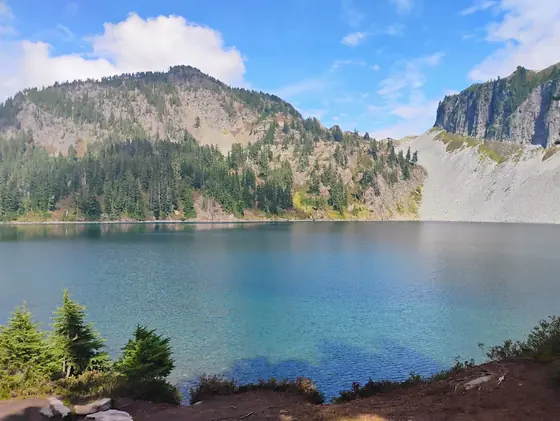
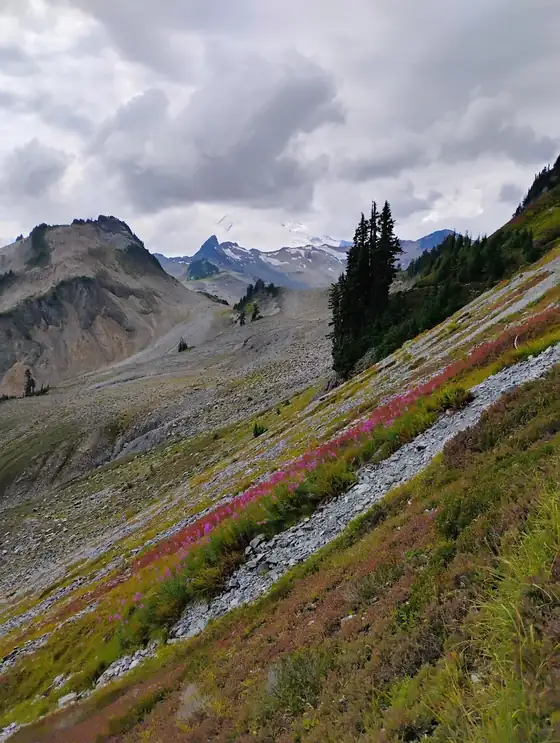
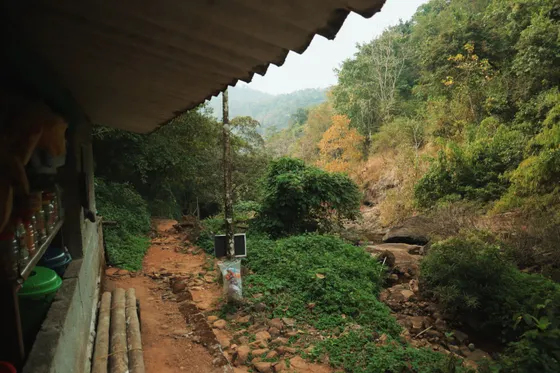
Ouachita Trail in photos: 5 of the stops.



Plan and book your 7 days in Ouachita Trail, one step at a time
How 7 days in Ouachita Trail split up
Plan 7 days for Ouachita Trail. Total distance: ~180 mi. Difficulty: Strenuous. Permit: None. The Ouachita Trail runs about 223 miles from Talimena State Park near the Oklahoma line east to Pinnacle Mountain State Park just outside Little Rock. Most of it, roughly 180 miles, lies in Arkansas, threading the Ouachita National Forest along ridges that, unusually for North America, run east to west. It is a quiet, primitive long trail: free to camp, lightly traveled, and a true week-plus backpack rather than a stroll.
Day 1: Talimena start & the climb over Rich Mountain
4 stops · Day one
Day 2: Long ridge walks east through the Ouachita National Forest
3 stops · Day two
Day 3: Shelters, creek crossings & quiet forest miles
3 stops · Day three
Day 4: Crystal & Fourche Mountain country
3 stops · Day four
Day 5: Into the Flatside Wilderness & Forked Mountain
3 stops · Day five
Day 6: Fall-color ridges toward the eastern forest
3 stops · Day six
Day 7: Final miles to Pinnacle Mountain & the finish
4 stops · Day seven
Talimena start & the climb over Rich Mountain
Stage your shuttle, then start at the western Arkansas trailhead near Talimena State Park and the Oklahoma line. The Ouachita Trail throws you straight into the high country, climbing toward Rich Mountain, the high point of the trail near Queen Wilhelmina State Park, where a lodge and tower crown a long forested crest with views across ridge after ridge.
Not the order you want? Drag a stop, or use the arrows beside it. Stops move between days too.
 Drive from
~1.5 hr · stage your shuttle · DriveFort Smith (FSM) is the closest airport to the western end. Drive in, stage your shuttle, and start at the Arkansas trailhead near Talimena State Park by the Oklahoma line. Because the trail is point-to-point, arrange a car or hiker shuttle at both ends before you set off.
- Talimena State Park trailhead
Western Arkansas start · OK line · ViewpointStart at the western Arkansas trailhead near Talimena State Park and the Oklahoma line. The Ouachita Trail throws you straight into the high country, climbing onto the forested east-west ridges that define the whole route.
- Rich Mountain & Queen Wilhelmina
Trail high point · ridge views · HikeClimb over Rich Mountain, the high point of the trail near Queen Wilhelmina State Park, where a lodge and tower crown a long forested crest with views across ridge after ridge. Top off and treat water wherever you find a reliable source, because the high ridge can be dry.
- Camp at a shelter or primitive site
Near water before dark · lodgePick a free shelter or primitive site near water before dark. Keep doing daily tick checks and watch the forecast, since being on an exposed rocky knob in lightning is the one thing to avoid.
Long ridge walks east through the Ouachita National Forest
Today is the rhythm that defines the trail: long, rolling ridge walks east through the Ouachita National Forest, dropping into hollows to cross small creeks and climbing back onto the spine. The Ouachitas' east-west grain means you trade short, steep climbs for mile after mile of forested crest, with the occasional rocky outcrop opening a view.
Not the order you want? Drag a stop, or use the arrows beside it. Stops move between days too.
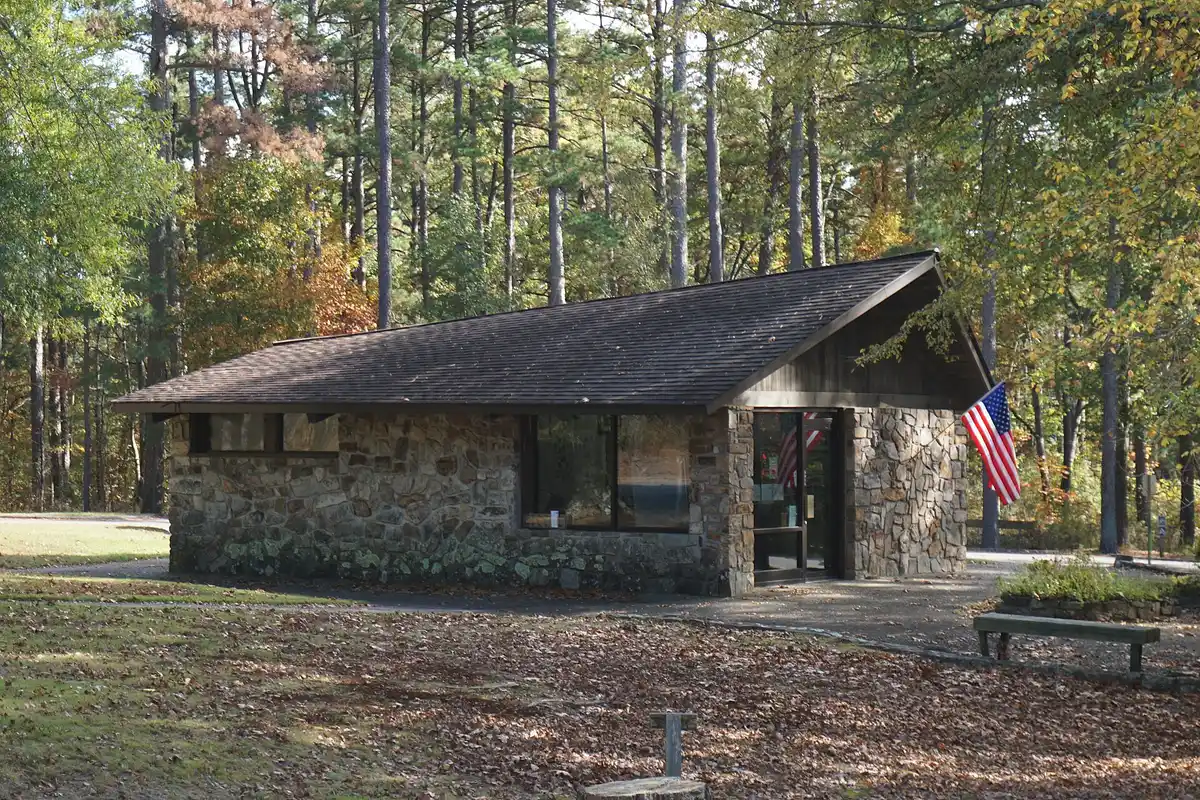 Michael Barera / CC BY-SA 4.0East-west ridge walking
Rolling forested crest · HikeToday is the rhythm that defines the trail: long, rolling ridge walks east through the Ouachita National Forest, dropping into hollows to cross small creeks and climbing back onto the spine. The Ouachitas' east-west grain trades sustained climbs for mile after mile of forested crest.
 Creek crossing & water fill
Fill & treat at reliable creeks · ViewpointPlan your day around water: note which creeks and springs are running, fill up when you can, and treat everything. Aim camp for a known shelter or a flat spot near a reliable creek so you are not searching for water at dusk.
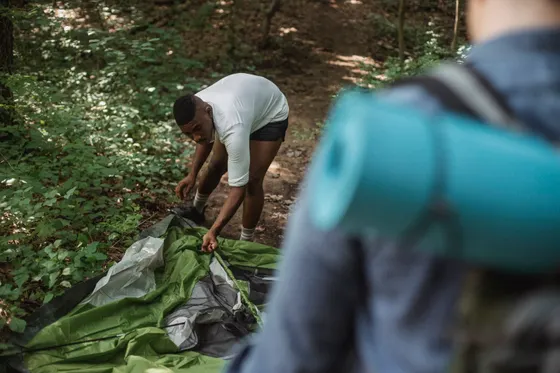 Camp by a creek or at a shelter
Near running water · lodgeCamp at a first-come shelter or a flat primitive site near running water. Do a tick check before you settle in, and keep food stored properly overnight in this black-bear country.
Shelters, creek crossings & quiet forest miles
A full day in the heart of the Ouachita National Forest: quiet, lightly traveled miles where you may not see another hiker for hours. The trail rolls along the ridges and dives to creek crossings in shaded hollows, the kind of spots where the temperature drops, the frogs start up, and a cold filtered drink feels earned.
Not the order you want? Drag a stop, or use the arrows beside it. Stops move between days too.
 Quiet, lightly traveled miles
Real solitude · HikeA full day in the heart of the Ouachita National Forest: quiet, lightly traveled miles where you may not see another hiker for hours. The trail rolls along the ridges and dives to creek crossings in shaded hollows. Carry a paper map and a downloaded GPS route, because there is little to no cell service.
- Free trail shelter
Three-sided · first-come · ViewpointThe Ouachita Trail's string of free trail shelters is one of its quiet joys: simple three-sided structures, first-come and no permit, spaced along the route. They are a dry roof in a region that delivers sudden rain. If shelters are full or off your mileage, primitive camping anywhere on the forest is allowed and free.
- Camp at the shelter or nearby
Pack a shelter backup · lodgeSet camp at the shelter or a primitive site nearby. Treat your water from the last reliable creek, and keep an eye on the weather, because Ouachita storms can build fast and the shelters earn their keep.

Crystal & Fourche Mountain country
The middle of the trek runs through the Crystal and Fourche Mountain country, more long ridge walking with rocky stretches and a string of climbs and descents that earn their reward in evening light. This is the kind of remote, restful midpoint where the trail and your pace finally sync up.
Not the order you want? Drag a stop, or use the arrows beside it. Stops move between days too.
- Crystal & Fourche Mountain country
Rocky ridge · remote midpoint · HikeThe middle of the trek runs through the Crystal and Fourche Mountain country, more long ridge walking with rocky stretches and a string of climbs and descents. This is the remote, restful midpoint where the trail and your pace finally sync up.
- Resupply at a road crossing
Cache food · towns are far off-trail · ViewpointKeep managing water and resupply: by now you are deep in the forest and far from any town, so know where your next reliable source is and whether you have enough food to reach the far end. If you arranged a food cache or town resupply via a road crossing, this is the region where it tends to fall.
- Camp at a shelter or primitive site
Near water before dark · lodgePick a free shelter or primitive site near water before dark. Keep doing daily tick checks and watch the forecast, since being on an exposed rocky knob in lightning is the one thing to avoid.
Into the Flatside Wilderness & Forked Mountain
A highlight of the Arkansas section: the trail enters the Flatside Wilderness, a roadless, federally protected pocket of the Ouachitas with some of the trek's most rugged and rewarding miles. Nearby rises the distinctive cone of Forked Mountain, a landmark that punctuates the forested sea of ridges.
Not the order you want? Drag a stop, or use the arrows beside it. Stops move between days too.
- Flatside Wilderness
Roadless · most rugged miles · HikeA highlight of the Arkansas section: the trail enters the Flatside Wilderness, a roadless, federally protected pocket of the Ouachitas with some of the trek's most rugged and rewarding miles. Wilderness rules mean no motors and a stronger leave-no-trace ethic.
- Forked Mountain landmark
Distinctive cone above the ridges · ViewpointNearby rises the distinctive cone of Forked Mountain, a landmark that punctuates the forested sea of ridges and makes the best photo of the trek, especially in late-afternoon light or with fall color. The walking is wilder and rockier here, so build in a little extra time.
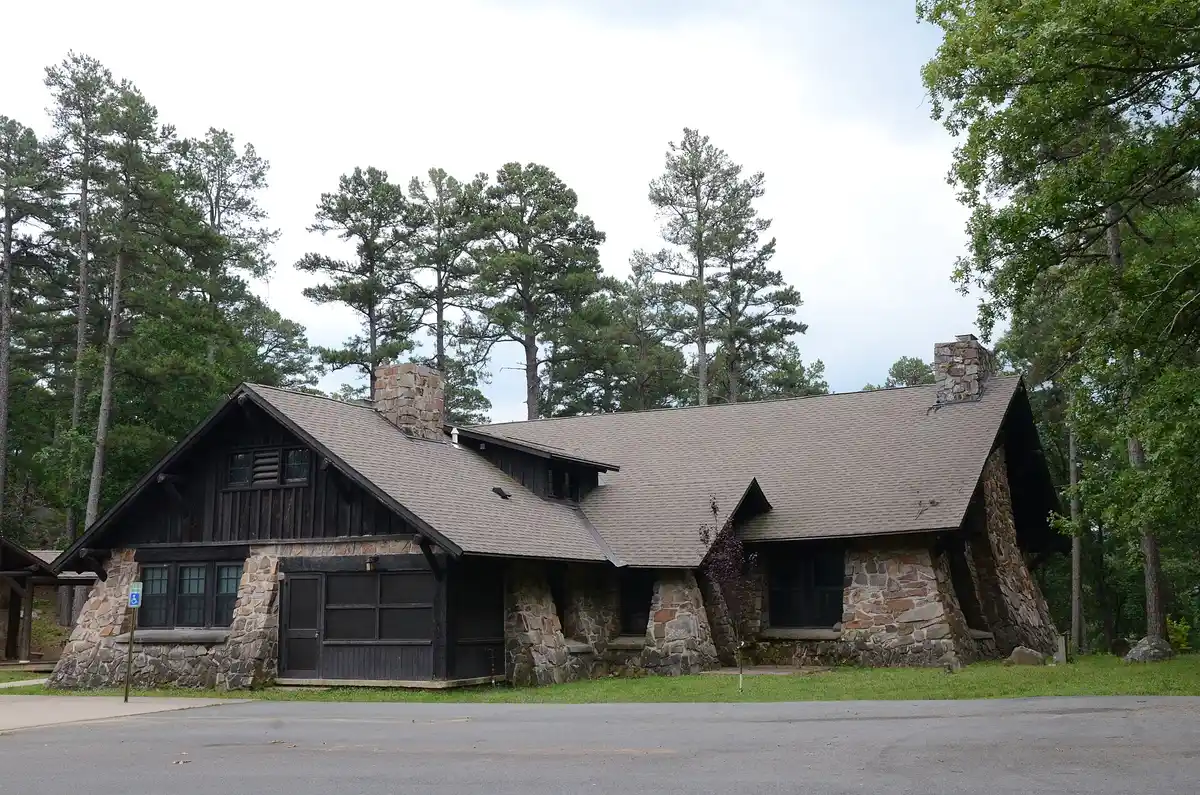 Valis55 / CC BY-SA 3.0Camp in or near the wilderness
Durable, established sites · lodgeCamp at a primitive site in or near the wilderness, choosing durable, established ground and packing out everything. Keep groups small and follow strict leave-no-trace, since this is federally protected wilderness.
Fall-color ridges toward the eastern forest
East of the wilderness the trail rolls on through prime fall-color country. In late October and early November the oak and hickory ridges blaze gold and red, and a cool, clear day of ridge walking here is the reason to time your trek for autumn. The miles tick by under a changing canopy with occasional rocky overlooks.
Not the order you want? Drag a stop, or use the arrows beside it. Stops move between days too.
- Fall-color ridge walking
Gold & red oak-hickory · HikeEast of the wilderness the trail rolls on through prime fall-color country. In late October and early November the oak and hickory ridges blaze gold and red, and a cool, clear day of ridge walking here is the reason to time your trek for autumn.
- Confirm your end-of-trail pickup
Nearing Pinnacle Mountain · ViewpointYou are nearing the eastern end, so dial in the logistics: confirm your pickup or car at Pinnacle Mountain for tomorrow, account for your remaining water, and fill at the last reliable source. Hot Springs is the nearest real town to this side of the trek.
- Last full night on trail
Shelter or primitive site · lodgeEnjoy a last full night under the trees at a shelter or primitive site. Fill and treat water from the last reliable source, and savor the final forest camp before you walk out at Pinnacle Mountain tomorrow.
Final miles to Pinnacle Mountain & the finish
The last day brings you out of the forest toward the eastern terminus near Pinnacle Mountain State Park, just outside Little Rock, where the wild ridge country gives way to the edge of the city. The distinctive peak of Pinnacle Mountain marks the end of the Ouachita Trail and the close of your week-plus across Arkansas.
Not the order you want? Drag a stop, or use the arrows beside it. Stops move between days too.
- Final miles to Pinnacle Mountain
Eastern terminus near Little Rock · HikeThe last day brings you out of the forest toward the eastern terminus near Pinnacle Mountain State Park, just outside Little Rock, where the wild ridge country gives way to the edge of the city. The distinctive peak marks the end of the Ouachita Trail.
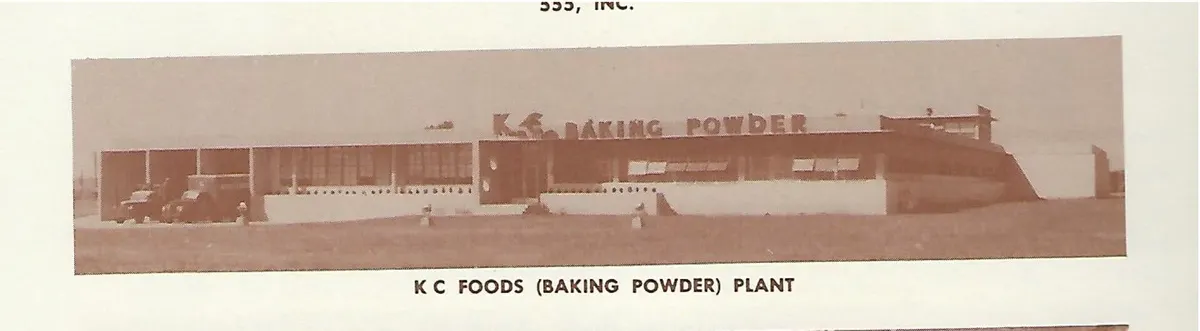 MartyHead313 / CC BY-SA 4.0Getting home: Little Rock or Fort Smith
LIT ~30-40 min · FSM west end · DriveFrom the eastern terminus, Little Rock (LIT) is the nearest airport, about 30 to 40 minutes away; Fort Smith (FSM) is the closer option to the western end. Collect your pre-arranged shuttle or car at the terminus.
- Recover in Hot Springs or Little Rock
Real meal & a bed · lodgeTreat yourself to a real meal and a night in Hot Springs or Little Rock before the journey home. A hot soak in Hot Springs is a fitting way to end a week-plus of ridge walking across Arkansas. You have earned it.
 Zipline tour in Hot Springs
Optional · 90 min, 10 zip lines · 4.89 from 757 reviews · activityIf you recover in Hot Springs, spend the next morning flying instead of walking. Adventureworks runs 10 zip lines through old-growth forest and over the water, next to Catherine's Landing about 15 minutes from downtown, and it is a fun way for the group to celebrate finishing the trail together.
Book this →
Sort where you sleep each night
Most nights on this trip are in a tent. Reserve any campsite the route needs, and the room either side of it if you want one.
Tell us your dates and we will do the calling: the rooms either side, and the guided days in between. Nothing is charged and you decide at the end.
Request to bookWhat to pack for Ouachita Trail
Built from this route, not a generic list. Every line says why it is here.
On every day of this trip
On your feet
Because you are sleeping out 7 nights
For the drive to the trailhead
What we actually learned on the trail.
Arrange a shuttle, it is point-to-point
The Ouachita Trail runs one way from Talimena State Park to Pinnacle Mountain, and the two ends are hours apart by road. Stage a car at each end, arrange a hiker shuttle, or split the drive with a partner. Sort this out before anything else, because the whole trek depends on it.
Plan your water carefully
Springs and small creeks along the trail can run low or dry, especially in late summer and fall. Study the water sources for your section, treat or filter everything, and never leave a reliable source low on water. Carry extra across the dry ridge stretches.
Ticks, chiggers & copperheads
The Ouachitas are tick and chigger country, and copperheads sun on warm rocks. Wear permethrin-treated clothing, do a tick check every evening, watch where you put your hands and feet, and carry a basic first-aid kit. They are manageable, but you need to respect them.
Free shelters & dispersed camping
A string of simple three-sided trail shelters runs the route, all free and first-come with no permit. They are not guaranteed, so carry a tent or tarp. On most of the Ouachita National Forest you may also camp dispersed, free, almost anywhere off the trail.
Hike late October through April
Late October into early November brings the best fall color and crisp ridge walking. Winter is cold but clear and bug-free; spring greens up fast. Summer is hot, humid, and thick with ticks and chiggers, with unreliable water, so most thru hikers avoid June through September.
Fly into Little Rock or Fort Smith
Little Rock (LIT) is the closest airport to the eastern terminus near Pinnacle Mountain, about 30 to 40 minutes away. Fort Smith (FSM) is closer to the western end near Talimena. Base in Mena to the west or Hot Springs to the east for lodging at either end.
Ouachita Trail: questions before you go
Ouachita Trail arkansas: the questions people ask most.
The full Ouachita Trail is about 223 miles from Talimena State Park near the Oklahoma line to Pinnacle Mountain State Park near Little Rock, with roughly 180 of those miles in Arkansas. Most backpackers take seven to twelve days for the Arkansas section depending on pace and daily mileage. This itinerary covers the heart of it as a strong seven-day point-to-point trek.
No. Most of the Ouachita Trail crosses the Ouachita National Forest, where dispersed camping and the trail shelters are free and require no permit. The trail also passes a few state parks, which may have their own camping rules, but for the long forested stretches you simply walk, camp, and treat your water. Always follow leave-no-trace, especially in the Flatside Wilderness.
Late October through April is the window. Late October into early November brings the best fall color and crisp, bug-free ridge walking, which is why most thru hikers aim for autumn. Winter is cold but clear, and spring greens up fast. Summer, roughly June through September, is hot, humid, thick with ticks and chiggers, and water sources can run dry, so most hikers avoid it.
Water comes from springs and small creeks along the route, but they are not guaranteed and can run low or dry in late summer and fall. Study a current water-source list for your section, fill up whenever you pass a reliable source, and treat or filter everything. Carry extra across the dry ridge stretches and never leave a good source low on water.
Yes. The trail has a string of simple three-sided shelters spaced along the route, all free and first-come with no permit or reservation. They are a welcome dry roof in a region that gets sudden rain, but because they are not guaranteed to be open you should still carry a tent or tarp. When a shelter is full, dispersed camping on the forest is free almost anywhere.
Because the trail is point-to-point and the two ends are hours apart by road, you need to handle transport before you start. Options include staging a car at each end, splitting the drive with a hiking partner, or hiring a local hiker shuttle. Towns like Mena to the west and Hot Springs to the east are useful bases, and the nearest airports are Little Rock (LIT) and Fort Smith (FSM).
It is a moderate to strenuous long-distance backpack. The Ouachita ridges run east to west, so you trade big sustained climbs for endless short, steep ups and downs, plus rocky footing, real remoteness, and the need to manage your own water and resupply over many days. It is well-marked and rewarding, but it is a genuine week-plus wilderness trek, not a casual stroll.
The main nuisances are ticks and chiggers, so wear permethrin-treated clothing and check yourself every evening. Copperheads sun on warm rocks, so watch where you step and reach. Black bears live in the Ouachitas but are rarely a problem if you store food properly. Sudden thunderstorms are the other hazard, so stay off exposed rocky knobs in lightning.
Tell us your dates and we ask a local guide who works this area what they can do on your days and what it costs. If nobody is free, we tell you. Asking is free: no card, no deposit, and nothing is held until you say yes.
Pick how you want to go.
Same 7-day route. Same 14 stops.
- 6 nights, sites along the route
- Free
- Hot Springs zipline tour (Adventureworks)
- $132

- A private local guide, campsites booked
- Included
- Airport pickup and every drive
- Included
- Park, permit and campsite fees paid
- Included
- All the gear and the trail meals
- Included
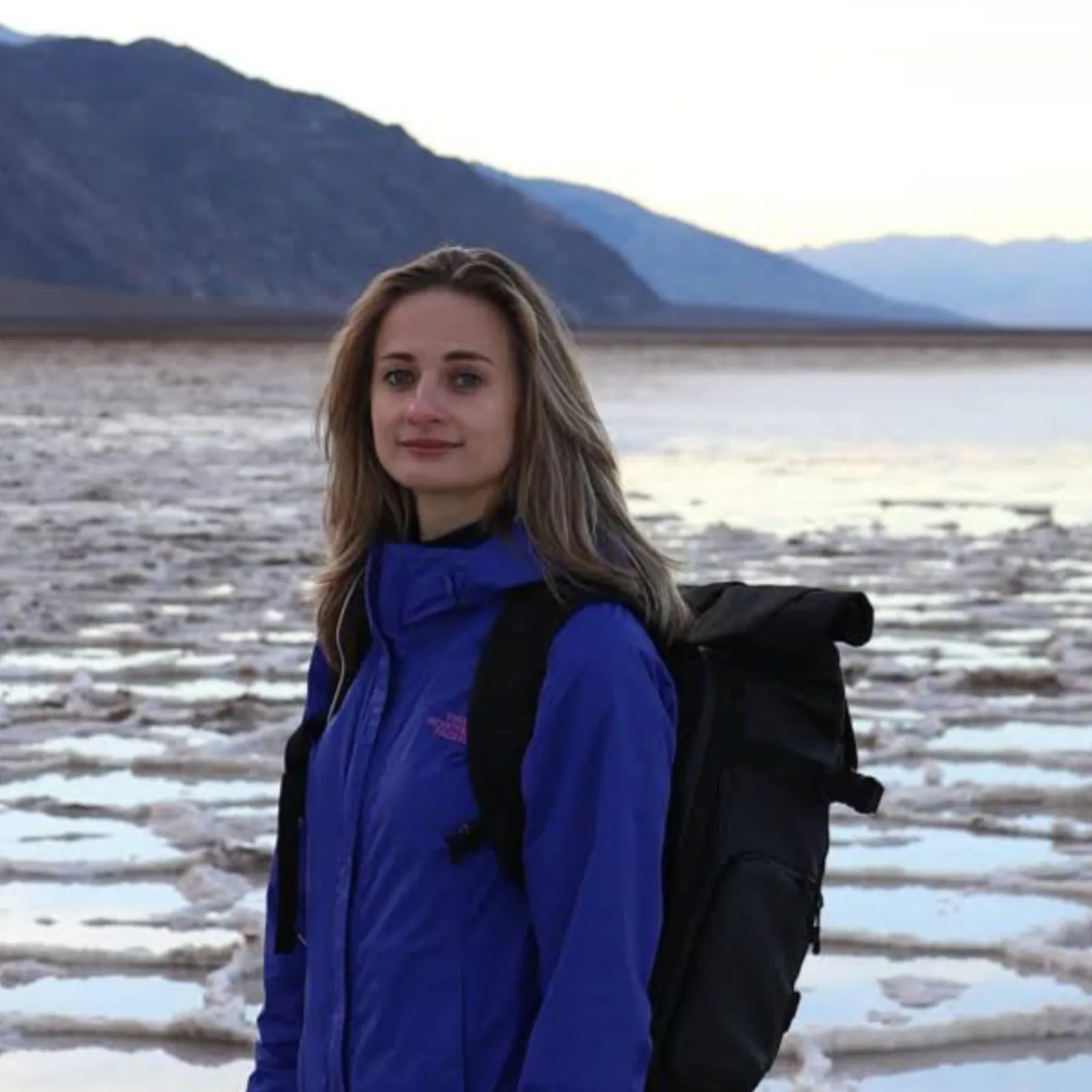
Written and walked by Yulia Vasilyeva · Co-founder · Lead planner and guide
Three years leading guided hikes in the Pacific Northwest, rated 5.0 by 20+ verified guests, and she builds every custom itinerary herself. Based in Seattle.
Last checked September 2026
You might also love these
Other itineraries near this one.
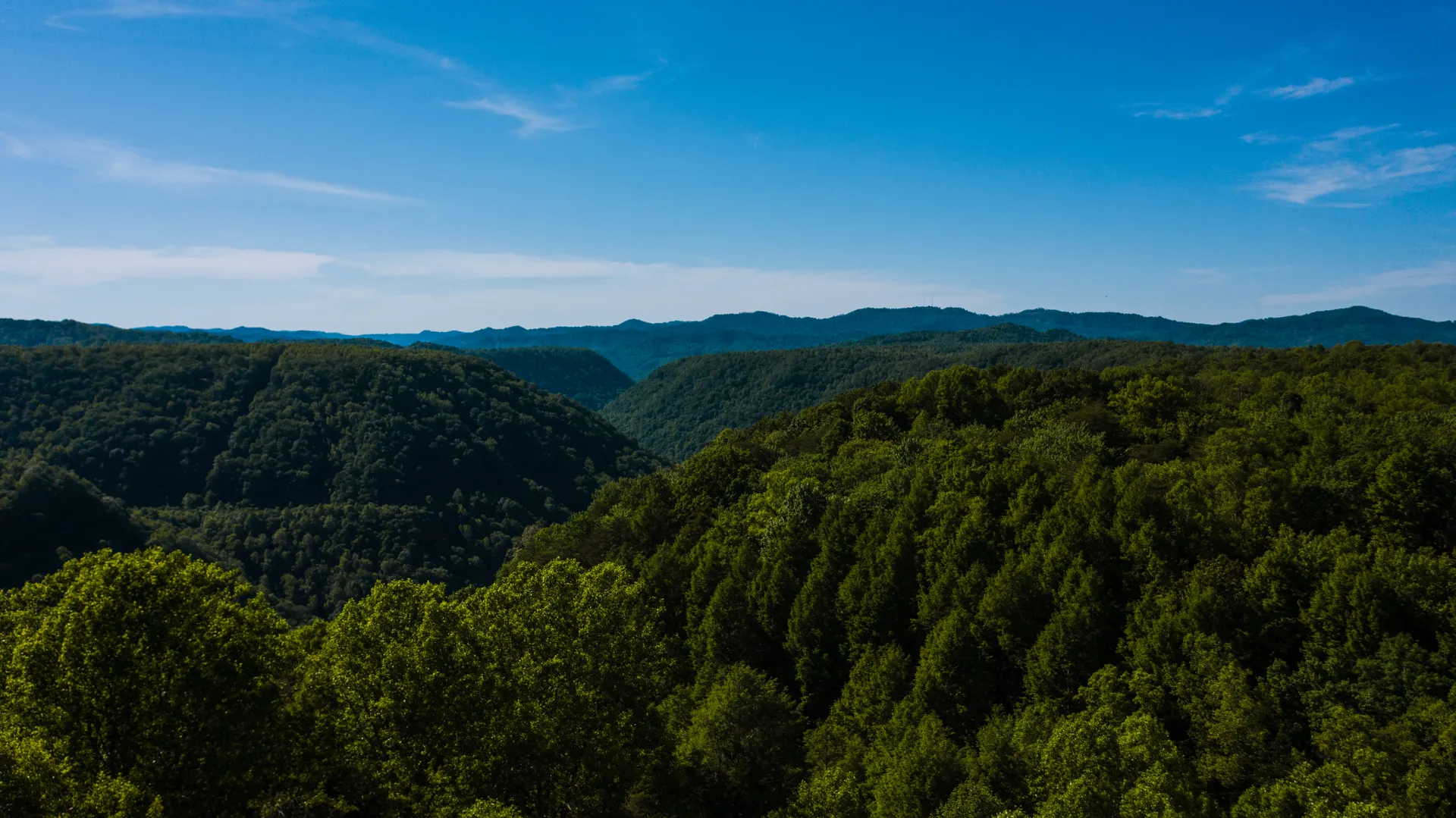
Ouachita National Recreation Trail: A Section-Hike Itinerary
Four days section-hiking the Ouachita National Recreation Trail (the OT): Pinnacle Mountain near Little Rock, the Flatside Wilderness…
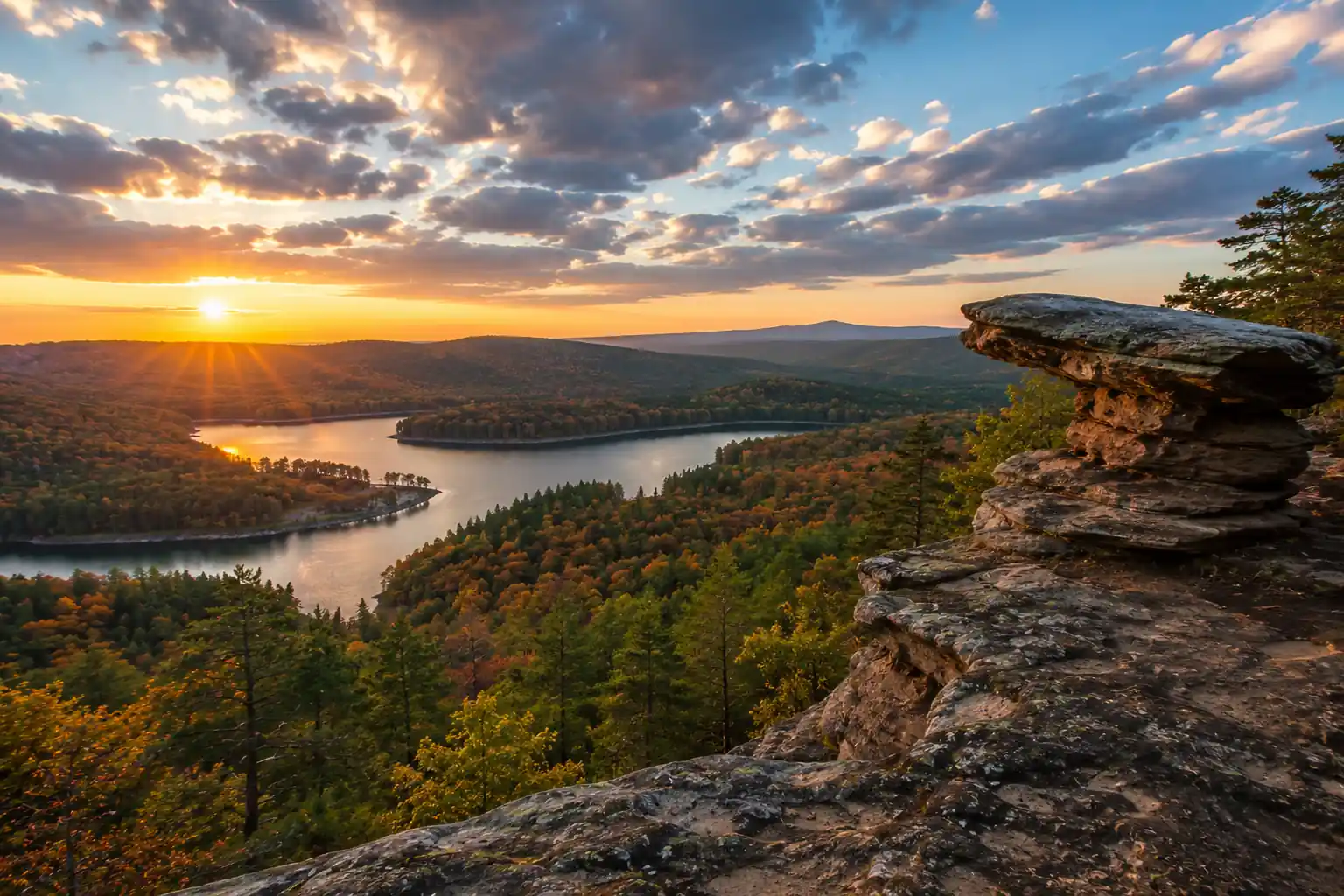
Arkansas 10-Day Outdoor Circuit: Ozarks to Ouachitas
The best hikes in Arkansas on one 10-day loop: Whitaker Point (Hawksbill Crag), the Buffalo River Trail, Hot Springs, the Ouachitas, and…
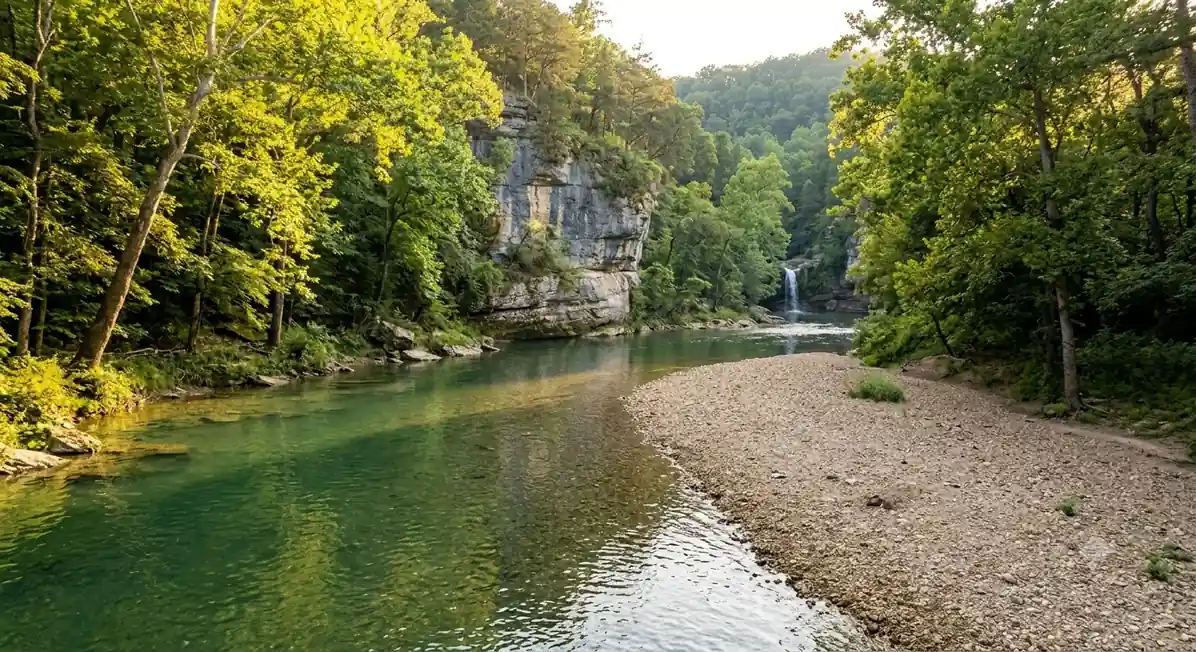
Buffalo National River: 3-Day Float & Hike Itinerary
A 3-day Buffalo National River itinerary: the Lost Valley Trail, an 11-mile Pruitt-to-Carver float, and the strenuous hike to 209-ft…
Guides for this tripOuachita National Forest CampingTalimena Scenic Drive
What adventurers say about us.
All reviews are from verified guests. ★★★★★ 5.0 average from 20+ bookings.
"Felt like going out with a really knowledgeable friend who just happens to know everything about the area. No awkward tour-guide energy, just a magnificent day."
"Yulia is an incredible guide. She knew every trail, every viewpoint, and exactly how to pace the day for our group. The photos she took of us were stunning. 100% booking again."
"I was visiting Seattle solo and this was the best decision I made on the trip. Yulia picked me up, had snacks, and took us to a trail I never would have found on my own. Absolute must-do."
"We did this as a couple's trip and it was perfect. Yulia adapted everything to us, our pace, our interests, our photo obsession. The mountain views were unreal."
"Phenomenal experience. Yulia has deep local knowledge and a real passion for the outdoors. She went out of her way to show us the hidden gems tourists never see. Will remember this forever."
"I've done a few guided hikes and this was by far the best. Yulia is warm, funny, and genuinely expert. The trail she chose had the most insane wildflower bloom, we got so lucky."
Fees, reservation windows, shuttle dates and trail closures are planning estimates. Confirm hours, road status and any reservations with the land manager before you go.
What other travelers are saying
Be the first to leave a tip or question for the next traveler.
Was this helpful?
One tap. It goes straight to Yulia and Margarita.
You can't hike it if you can't get the permit.
The best hikes in America run on lotteries that open once a year and sell out in minutes. Every trail runs on its own calendar. Pick the ones you want and we do the watching.
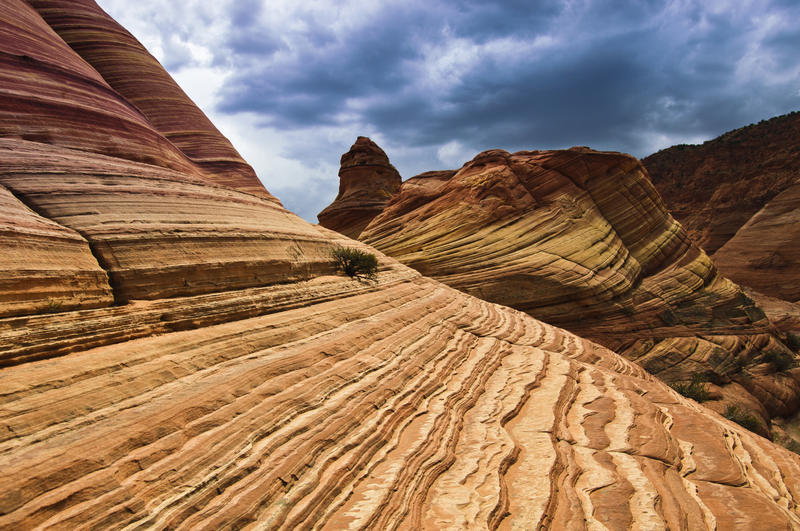 The WaveCoyote Buttes North · Arizona / UtahPermitLotterybrutal odds
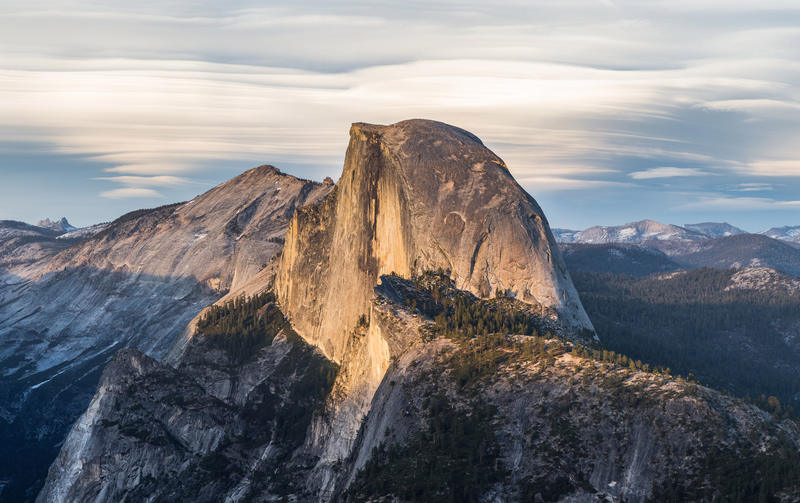 Half Dome CablesYosemite NP · CaliforniaPermitOpens Mar 1fair odds
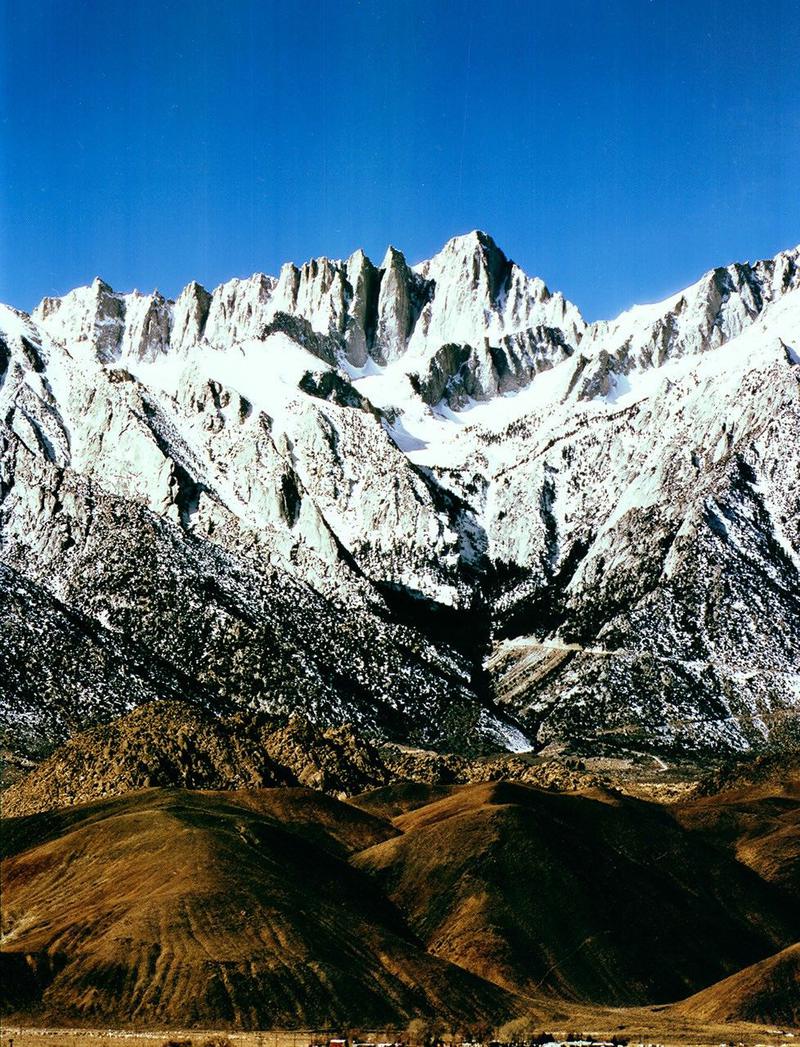 Mt. WhitneyInyo NF · CaliforniaPermitOpens Feb 1tough odds
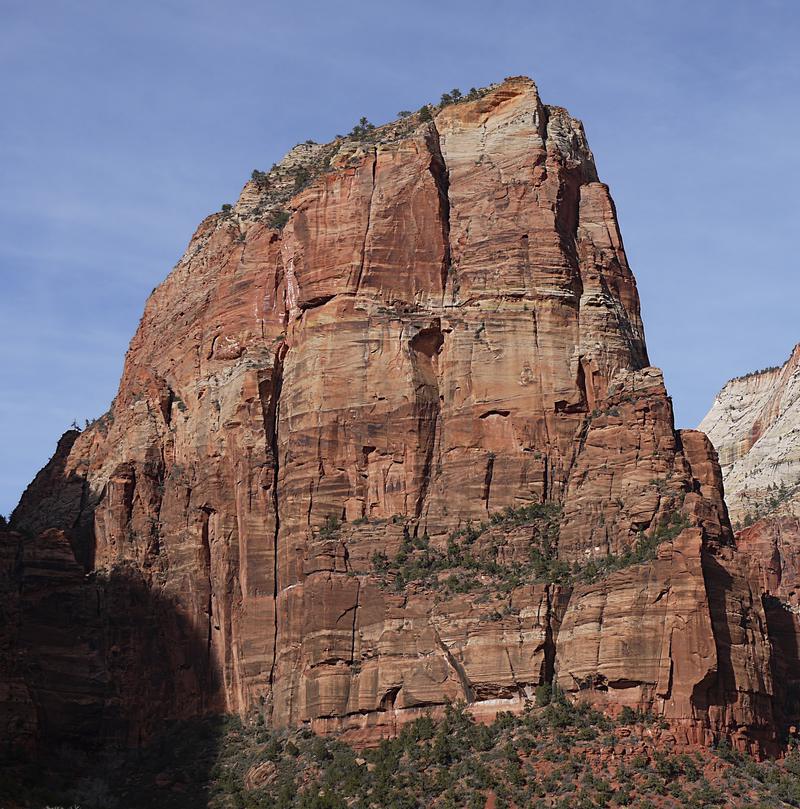 Angels LandingZion NP · UtahPermitLotterytough odds
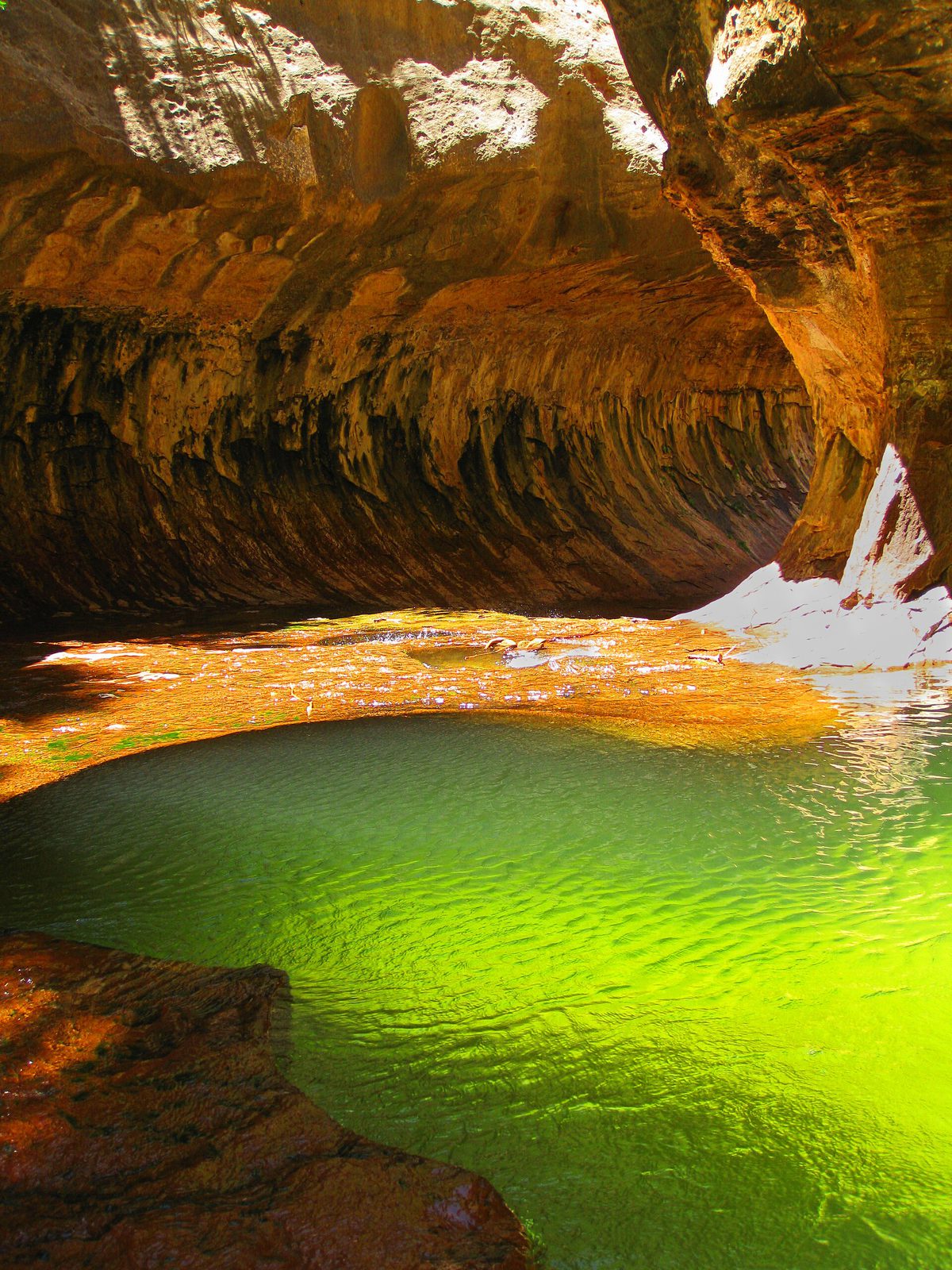 The SubwayZion NP · UtahPermitLotterytough odds
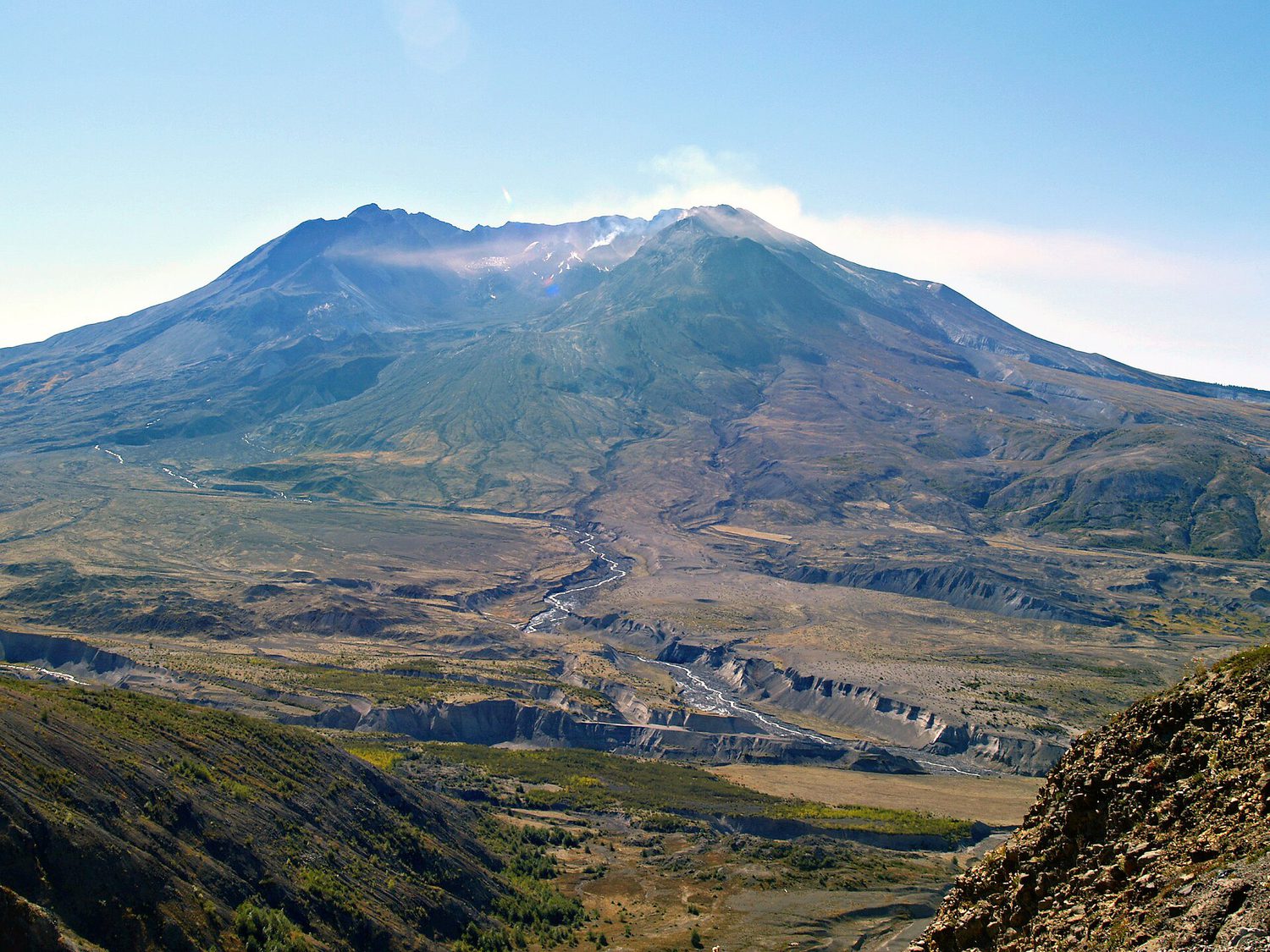 Mount St. Helens Summit ClimbGifford Pinchot NF · WashingtonPermitReservationtough odds
How it works
- An email the morning each window opens, never the day after.
- A 14-day heads-up so you can line up your group and dates.
- Win odds and a ranked backup plan for every trail you pick.
Didn't win? We keep watching. We check recreation.gov every day for The Enchantments, Half Dome and Angels Landing, and email you the moment a sold-out date frees up. Cancellations are the second chance most people never hear about.