Niobrara River Tubing: A Nebraska Float Trip Weekend
One clear river, waterfalls, bison & the Sandhills, all in one weekend.
A two-day Niobrara River float trip near Valentine, Nebraska: tube, kayak, canoe, or tank a clear spring-fed river past Smith Falls, then explore the Sandhills, Fort Niobrara bison, and the Cowboy Trail.
“I’ve requested to book a Chain Lakes Loop guide on ExplorOFF, and it was the best idea ever! I highly recommend going with their guided option since you get a real human connection on the trail and don’t have to worry about a thing. Yulia was great to talk to!”
 9 stops on a real mapEvery stop pinned in order→
Niobrara River: every stop pinned in order.
Berry Bridge, Smith Falls & Fort Niobrara · north-central Nebraska
Every stop on this trip, in order, opens as one driving route in the Google Maps app. No copying addresses across one at a time.
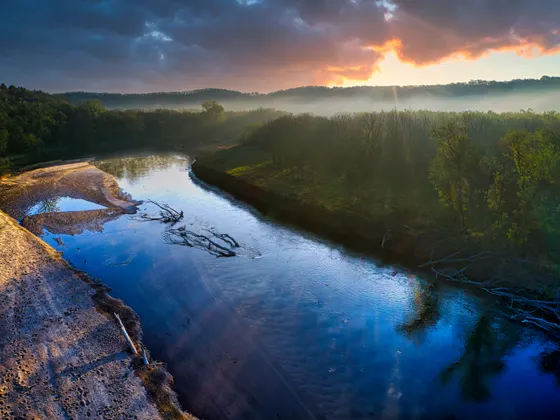
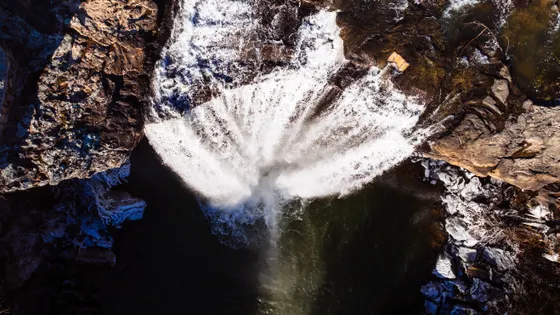
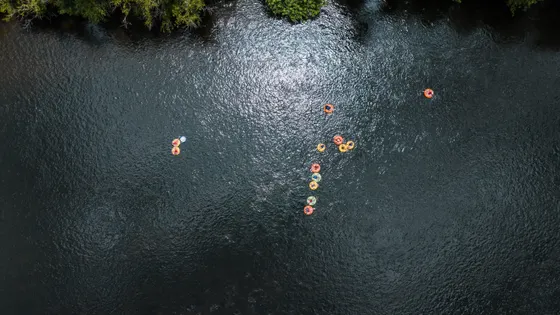
Niobrara River in photos: 5 of the stops.

Plan and book your 2 days in Niobrara River, one step at a time
How 2 days in Niobrara River split up
Plan 2 days for Niobrara River. The float: ~3–7 hrs. Difficulty: Easy. Smith Falls: 63 ft. The Niobrara National Scenic River near Valentine, Nebraska is one of the best tubing, canoeing, and tanking rivers in the Great Plains. Fed by Sandhills springs, it runs clear and cool through a wooded canyon where six different ecosystems meet, and more than 200 waterfalls spill down the banks. It is gentle, family-friendly class I water, which is exactly why it draws floaters from across the Midwest every summer.
Day 1: Arrive in Valentine & float past Smith Falls
5 stops · Day one
Day 2: Fort Niobrara bison, Fort Falls & the Cowboy Trail
4 stops · Day two
Arrive in Valentine & float past Smith Falls
Get to Valentine, the friendly Sandhills town that anchors the whole weekend, with its own small airport (VTN) or an easy drive from points across Nebraska and South Dakota. Stop in at a local outfitter, pick your craft (tube, kayak, canoe, or a "tank"), and let them sort the shuttle, since their van is what carries you and your gear back to your car at the end of the float.
Not the order you want? Drag a stop, or use the arrows beside it. Stops move between days too.
 Drive to
Sandhills hub · airport VTN · DriveGet to Valentine, the friendly Sandhills town that anchors the whole weekend, with its own small airport (VTN) or an easy drive from points across Nebraska and South Dakota. It is the hub for outfitters, fuel, food, and lodging, so stop in, settle, and pick up your river gear before heading to the water.
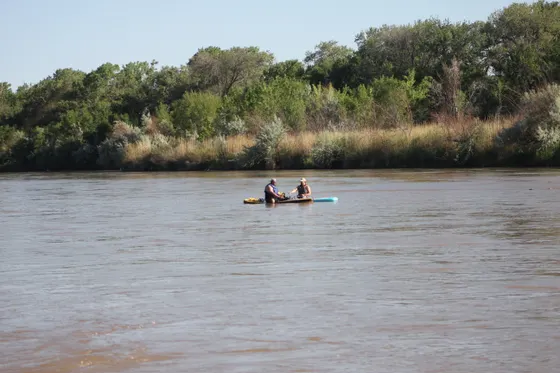 Canoe or kayak and shuttle: Dryland Aquatics, Sparks
Canoes, kayaks and tubes · shuttle to the put-in · activityDryland Aquatics in Sparks, a few minutes from Smith Falls State Park, rents canoes, kayaks and tubes and shuttles you to the put-in, so you finish at your car. Book the Cornell Bridge to Smith Falls canoe or kayak trip below; tubing runs Berry Bridge to Brewer Bridge or Stan's Landing on Friday to Sunday.
- Canoe or kayak Cornell Bridge to Smith Falls
~3 hr · gentle class I · shuttle included · activityThe classic float puts in near Cornell Dam or Berry Bridge and drifts downriver through a wooded canyon where spring-fed side streams pour over the banks. It is gentle, family-friendly class I water, clear and cool, with more than 200 waterfalls along the route. Depending on craft and level it runs roughly 3 to 7 hours.
Book this → - Smith Falls
Nebraska's tallest waterfall · 63 ft · ViewpointPull over at Smith Falls State Park and walk the short boardwalk to Smith Falls, the tallest waterfall in Nebraska at 63 feet, spilling down a fern-lined canyon wall. The park charges a Nebraska entry permit, and it makes a perfect mid-float break before you drift on to the takeout.
 Stay in Valentine
Small town · book early · lodgeBase in Valentine, the small Sandhills town where the outfitters, restaurants, and most lodging cluster. Rooms sell out fast on summer float weekends, so reserve early. It sets you up close to Fort Niobrara and the Cowboy Trail trestle for tomorrow.
Fort Niobrara bison, Fort Falls & the Cowboy Trail
Trade the river for the land that surrounds it. Just east of Valentine, Fort Niobrara National Wildlife Refuge protects a herd of bison and elk on the prairie above the river, with a short auto tour and the easy Fort Falls trail dropping to one of the refuge's own spring-fed waterfalls. It is the best place to understand why this stretch is so rich: six ecosystems, from eastern woodland to western pine to northern boreal to mixed-grass prairie, overlap right here.
Not the order you want? Drag a stop, or use the arrows beside it. Stops move between days too.
- Fort Niobrara National Wildlife Refuge
Bison & elk · auto tour · ViewpointJust east of Valentine, Fort Niobrara National Wildlife Refuge protects a herd of bison and elk on the prairie above the river, with a short auto tour and overlooks. It is the best place to understand the area, where six ecosystems overlap, from eastern woodland to western pine to mixed-grass prairie. View wildlife from your car and keep your distance.
 Fort Falls trail
Short, easy walk to a falls · HikeThe short, easy Fort Falls trail drops from the refuge down to one of its own spring-fed waterfalls, a quick leg-stretcher with a boardwalk and steps. It is a fine way to see the canyon up close and one of the area's 200-plus falls without getting back on the water.
- Cowboy Trail & the Niobrara trestle
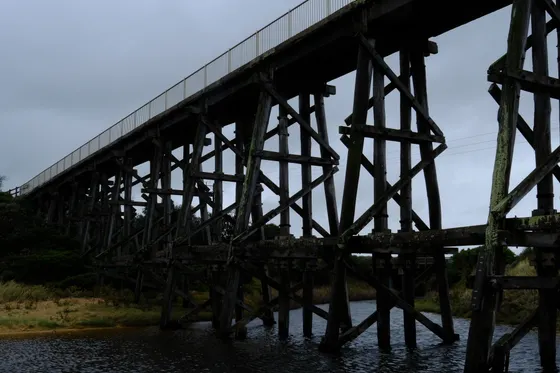
Walk or bike a high trestle · ViewpointFinish on the Cowboy Trail, the long rail-to-trail path that crosses the Niobrara on a high former railroad trestle just outside Valentine. It is an easy flat walk or bike with a big view back down the river canyon, one of the best free vantage points in the area.
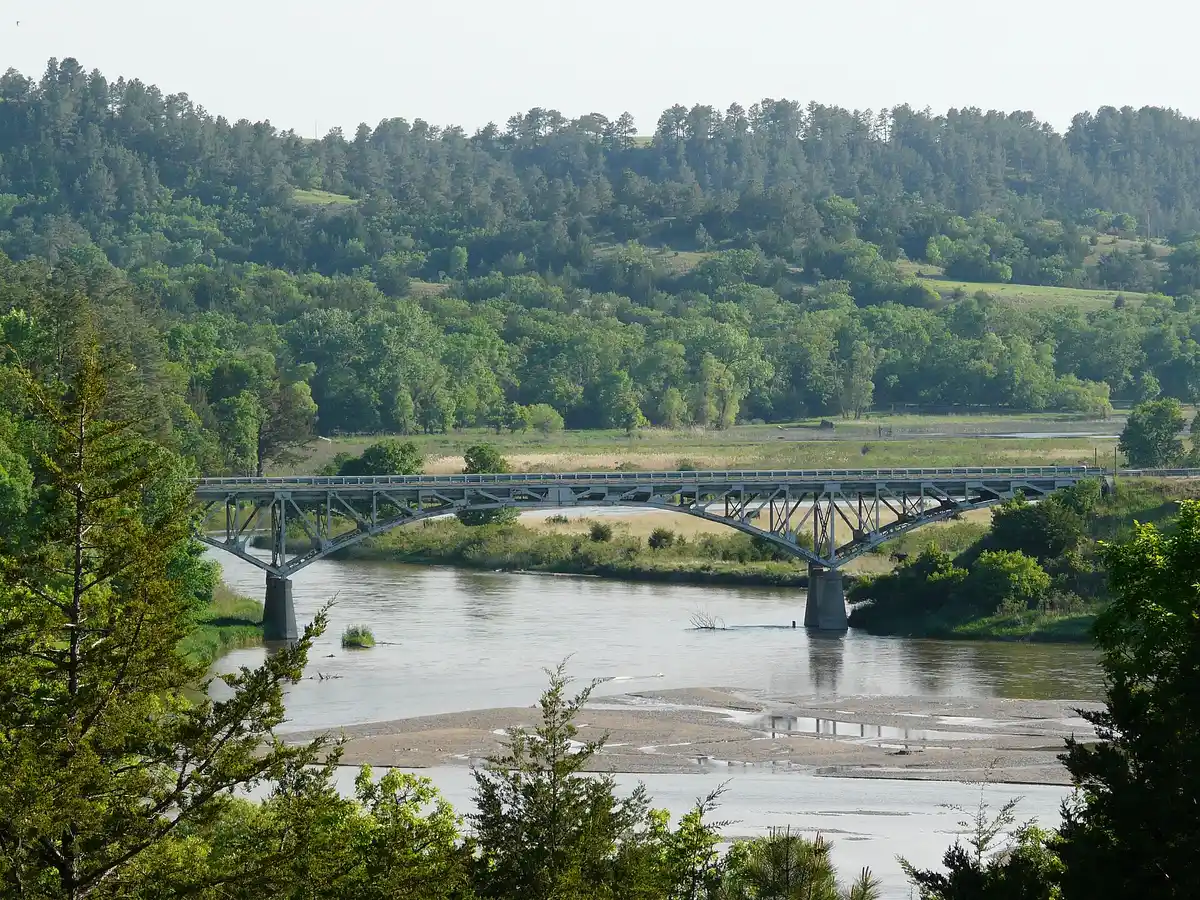 Vihelik / CC BY-SA 3.0Getting home: Valentine (VTN) or drive out
Airport hop or Sandhills drive · DriveFrom Valentine it is a quick hop from the airport (VTN) or an open Sandhills drive back to wherever you came from across Nebraska and South Dakota. Valentine is the last real services town for a while in every direction, so fuel up, grab food, and fill water before you head out.
Book the 1 night
Beds near the trailheads are the one thing on this trip that genuinely runs out. Everything else can be decided later.
Tell us your dates and we will do the checking. We find what is still open near each trailhead and email you this plan back with a booking link for each night. Nothing is charged and you decide at the end.
Request to bookWhat to pack for Niobrara River
Built from this route, not a generic list. Every line says why it is here.
On every day of this trip
On your feet
Because you are sleeping indoors
For the driving days
What we actually learned on the river.
Pick your craft, then book the shuttle
Tube for a lazy drift, kayak or canoe to cover more river, or pile a group into a flat-bottomed "tank" and spin downstream together. Whatever you choose, the local outfitter that rents it also runs the shuttle, so reserve both ahead on summer weekends.
Sun and water shoes are non-negotiable
You will be on open water for hours with no shade. Wear and reapply sunscreen, bring a hat, and wear water shoes you can swim in for the rocky, sandy bottom and the boardwalk at Smith Falls. The river is gentle but the sun is not.
Use a dry bag and bring cash
Everything in the boat gets wet, so seal your phone, keys, and snacks in a dry bag clipped to your craft. Smith Falls State Park needs a Nebraska park permit, and some river access points charge a small landowner fee, so carry cash.
Know your put-in and takeout
The classic float runs from near Cornell Dam or Berry Bridge down past Smith Falls to the downstream takeouts. Confirm exactly where you launch and land with your outfitter, since the float length and shuttle timing depend on it.
Go late May through September
Summer is the season, with the warmest water and longest days in July and August. Late May, June, and September floats are quieter and cooler. The water stays clear and cool year-round because it is spring-fed, so layer for a chilly start.
Base in Valentine and book early
Valentine is the hub for outfitters, food, fuel, and lodging, but it is a small town and rooms sell out fast on summer weekends. Reserve early, or look at campgrounds and cabins at Smith Falls State Park and along the river.
Niobrara River: questions before you go
Niobrara River tubing: the questions people ask most.
The classic Niobrara river float trip runs near Valentine, Nebraska, putting in around Cornell Dam or Berry Bridge and drifting downriver past Smith Falls, the tallest waterfall in the state, to takeouts farther downstream. The Niobrara National Scenic River is a clear, spring-fed river through the Sandhills, gentle class I water that is ideal for tubing, kayaking, canoeing, and tanking.
It depends on your craft and the water level, but the popular stretch past Smith Falls runs roughly 3 to 7 hours. Tubes drift the slowest, kayaks and canoes are quicker, and a flat-bottomed "tank" sits somewhere in between. Plan a relaxed half-day on the water and tell your outfitter how long you want to be out so they can match the put-in and takeout.
Yes. Niobrara river tubing is one of the most popular things to do in the Nebraska Sandhills. The river is gentle, family-friendly class I water with clear, cool spring-fed flow, and you drift past more than 200 waterfalls including 63-foot Smith Falls. Local outfitters in Valentine rent tubes and run the shuttle back to your car.
Late May through September is the season. July and August have the warmest water and longest days, which is peak floating time. June and September are quieter and a little cooler. Because the river is spring-fed it stays clear and cool all summer, so you may want a layer for a chilly morning start even in July.
Bring sun protection (sunscreen, a hat, and sunglasses on a strap), water shoes you can swim in for the rocky bottom and the Smith Falls boardwalk, and a dry bag for your phone, keys, and snacks clipped to your craft. Add plenty of drinking water, cash for park permits and small access fees, and a change of clothes for after the float.
You do not have to rent from an outfitter, but most floaters do because the outfitter rents the tubes, kayaks, canoes, or tanks and runs the shuttle that gets you back to your car at the end of the float. They also know the current water levels and the best put-in and takeout for the time you want on the water, so booking ahead on summer weekends is smart.
Plenty. Fort Niobrara National Wildlife Refuge just east of Valentine protects bison and elk and has the short Fort Falls trail and an auto tour. The Cowboy Trail crosses the river on a high former railroad trestle for an easy walk or bike, and the area is where six ecosystems overlap, so the birding and scenery are excellent on land as well as on the water.
The Niobrara is gentle class I water, but beginners often struggle to steer a tube cleanly around low tree sweepers and the steel pillars under the bridges, which is where most spills happen. When water levels run high, especially in early June, rent a rigid canoe or a tracking kayak rather than a basic open tube so you can actually steer around obstacles. Keep to the main channel and let your outfitter match your craft to the current flow.
Yes. Tell us your dates and we check what is still open for the plan on this page, then send it back with a booking link for each night and the total. Nothing is charged and nothing is held, and you pay the normal rate.
Pick how you want to go.
Same 2-day route. Same 6 stops.
- 1 night, a campsite near Valentine
- $22
- Canoe or kayak Cornell Bridge to Smith Falls
- Priced when you book
- 1 night, a room in Valentine
- from $84
- Canoe or kayak Cornell Bridge to Smith Falls
- Priced when you book
- A private local guide, rooms and campsites booked
- Included
- Airport pickup and every drive
- Included
- Park, permit and campsite fees paid
- Included
- All the gear and the trail meals
- Included
Written and walked by Yulia Vasilyeva · Co-founder · Lead planner and guide
Three years leading guided hikes in the Pacific Northwest, rated 5.0 by 20+ verified guests, and she builds every custom itinerary herself. Based in Seattle.
Last checked September 2026
You might also love these
Other itineraries near this one.
Nebraska Sandhills: A 10-Day Road Trip Itinerary
Ten days across the largest sand-dune sea in the Western Hemisphere: float the Niobrara, chase waterfalls and wildlife around Valentine,…
Badlands & Black Hills: 3-Day Road Trip Itinerary
A 3-day Badlands and Black Hills road trip itinerary from Rapid City: Badlands Loop Road, Custer State Park wildlife, Crazy Horse, Mount…
Pine Ridge Nebraska Backpacking: 3-Day Soldier Creek Wilderness Loop
A 3-day Pine Ridge backpacking itinerary through the Soldier Creek Wilderness near Fort Robinson: the ~11-mile Boots & Saddle and…
Guides for this tripSmith Falls State Park, NebraskaThings to Do in Valentine, NebraskaNiobrara River Canoeing Guide
What adventurers say about us.
All reviews are from verified guests. ★★★★★ 5.0 average from 20+ bookings.
"Felt like going out with a really knowledgeable friend who just happens to know everything about the area. No awkward tour-guide energy, just a magnificent day."
"Yulia is an incredible guide. She knew every trail, every viewpoint, and exactly how to pace the day for our group. The photos she took of us were stunning. 100% booking again."
"I was visiting Seattle solo and this was the best decision I made on the trip. Yulia picked me up, had snacks, and took us to a trail I never would have found on my own. Absolute must-do."
"We did this as a couple's trip and it was perfect. Yulia adapted everything to us, our pace, our interests, our photo obsession. The mountain views were unreal."
"Phenomenal experience. Yulia has deep local knowledge and a real passion for the outdoors. She went out of her way to show us the hidden gems tourists never see. Will remember this forever."
"I've done a few guided hikes and this was by far the best. Yulia is warm, funny, and genuinely expert. The trail she chose had the most insane wildflower bloom, we got so lucky."
Fees, reservation windows, shuttle dates and trail closures are planning estimates. Confirm hours, road status and any reservations with the land manager before you go.
What other travelers are saying
Be the first to leave a tip or question for the next traveler.
Was this helpful?
One tap. It goes straight to Yulia and Margarita.
You can't hike it if you can't get the permit.
The best hikes in America run on lotteries that open once a year and sell out in minutes. Every trail runs on its own calendar. Pick the ones you want and we do the watching.
 The WaveCoyote Buttes North · Arizona / UtahPermitLotterybrutal odds
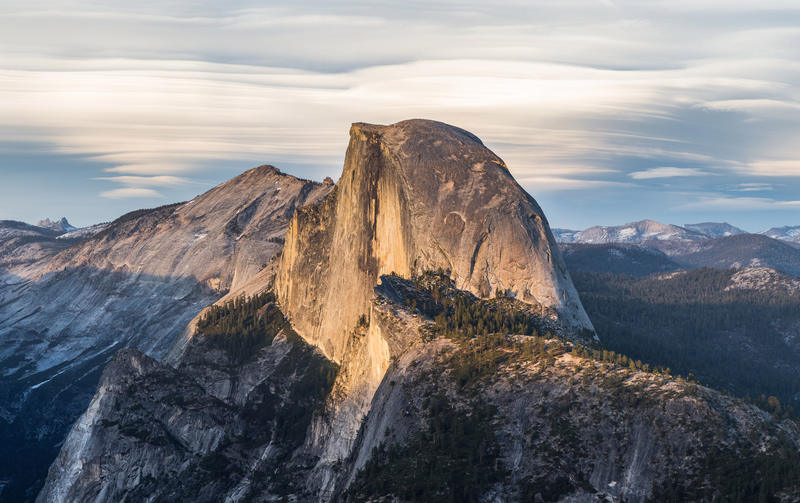 Half Dome CablesYosemite NP · CaliforniaPermitOpens Mar 1fair odds
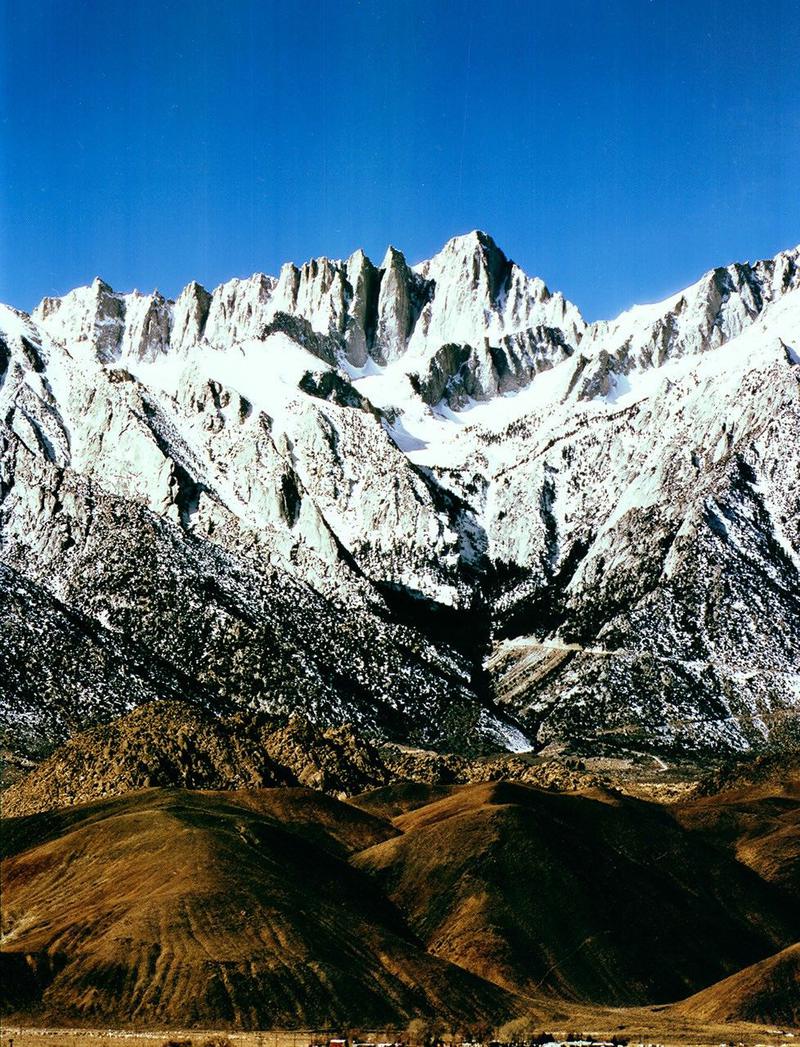 Mt. WhitneyInyo NF · CaliforniaPermitOpens Feb 1tough odds
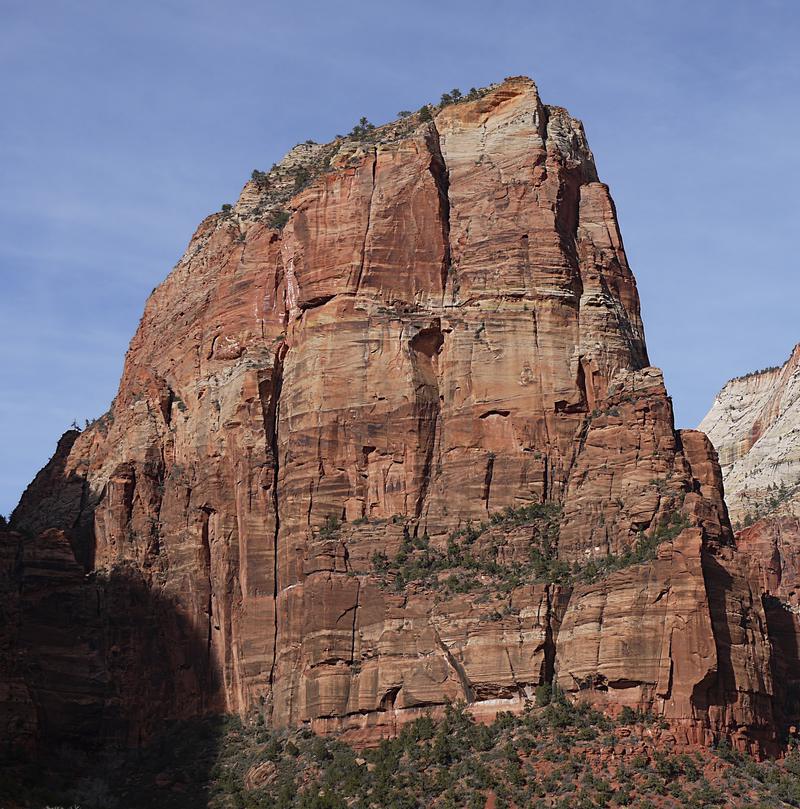 Angels LandingZion NP · UtahPermitLotterytough odds
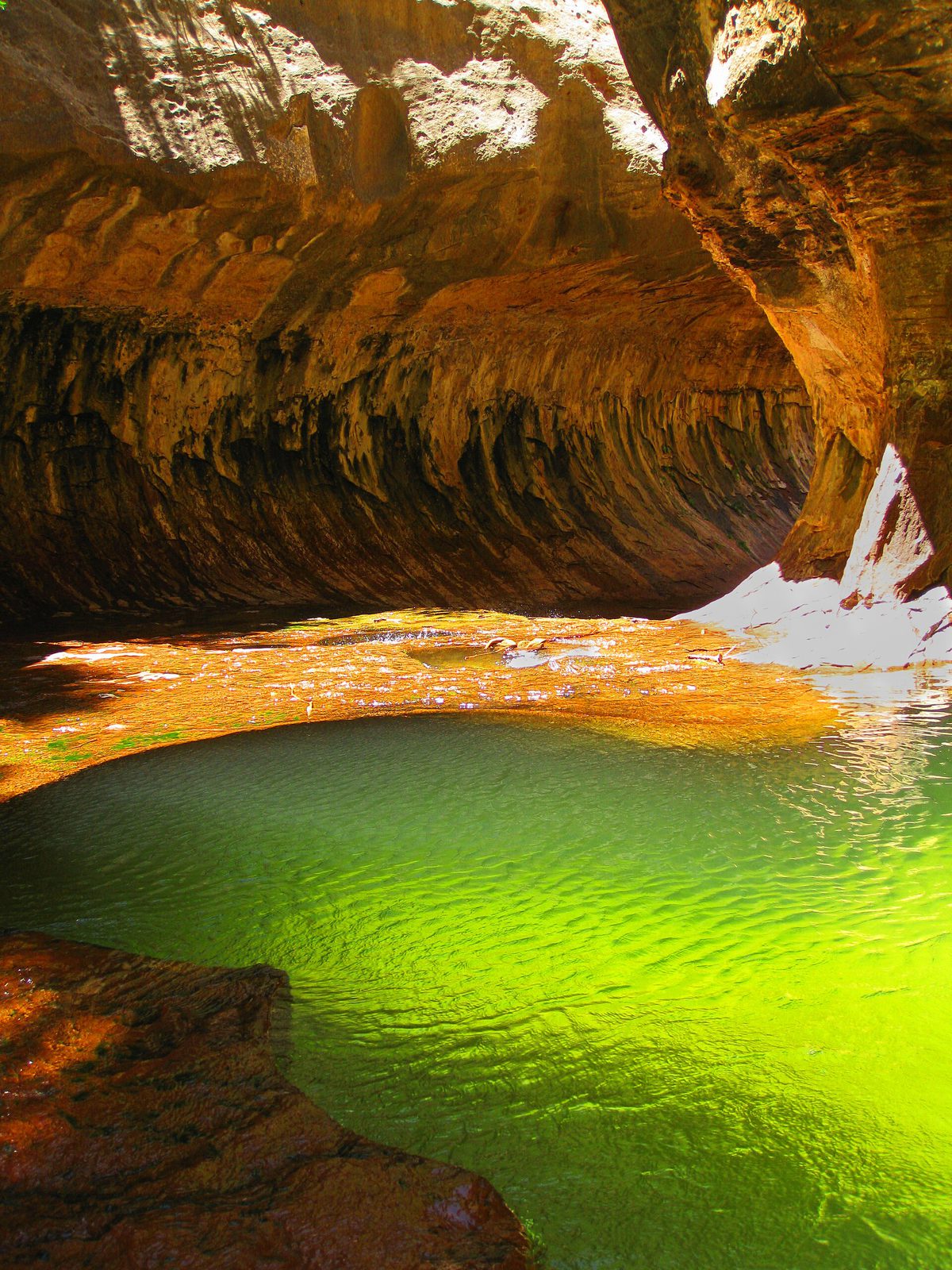 The SubwayZion NP · UtahPermitLotterytough odds
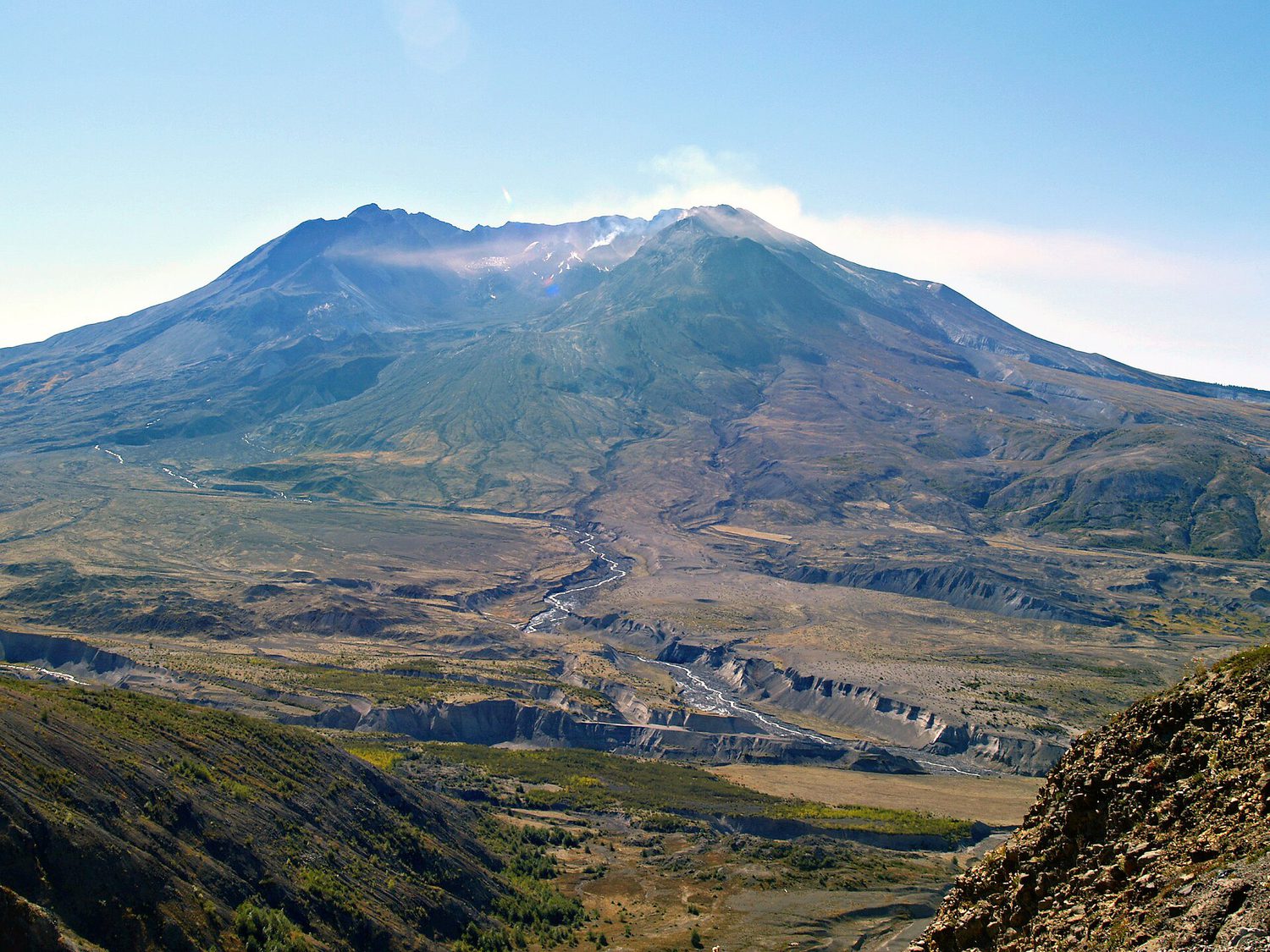 Mount St. Helens Summit ClimbGifford Pinchot NF · WashingtonPermitReservationtough odds
How it works
- An email the morning each window opens, never the day after.
- A 14-day heads-up so you can line up your group and dates.
- Win odds and a ranked backup plan for every trail you pick.
Didn't win? We keep watching. We check recreation.gov every day for The Enchantments, Half Dome and Angels Landing, and email you the moment a sold-out date frees up. Cancellations are the second chance most people never hear about.