Minnesota Boundary Waters Map
A 7-day canoe route & the Superior Hiking Trail, from Grand Marais.
10-day Minnesota wilderness itinerary. Two warm-up days on the Superior Hiking Trail, then a 7-day, roughly 25 to 30 mile canoe route from Sawbill Lake through Grace, Hazel and Polly lakes, exiting at Kawishiwi Lake, all based out of Grand Marais.
“I’ve requested to book a Chain Lakes Loop guide on ExplorOFF, and it was the best idea ever! I highly recommend going with their guided option since you get a real human connection on the trail and don’t have to worry about a thing. Yulia was great to talk to!”
 27 stops on a real mapEvery stop pinned in order→
Boundary Waters: every stop pinned in order.
Sawbill → Kawishiwi · ~25–30 paddling miles · Minnesota
Every stop on this trip, in order, opens as one driving route in the Google Maps app. No copying addresses across one at a time.
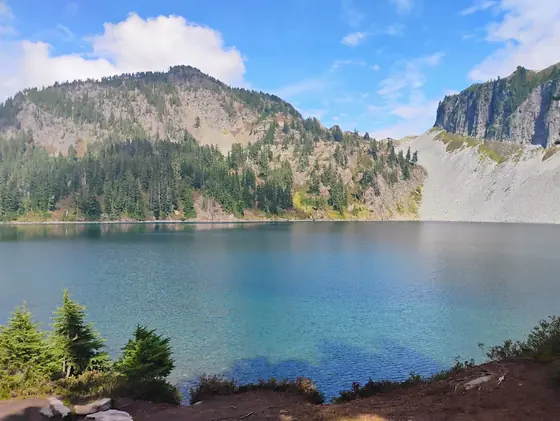
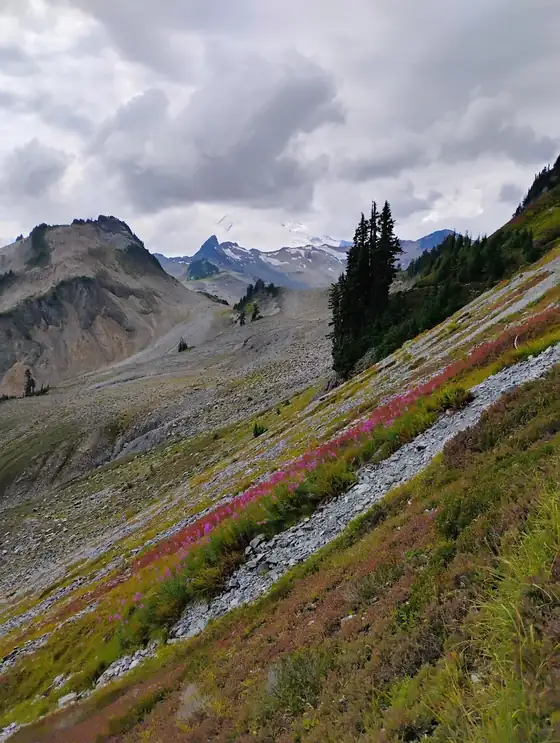
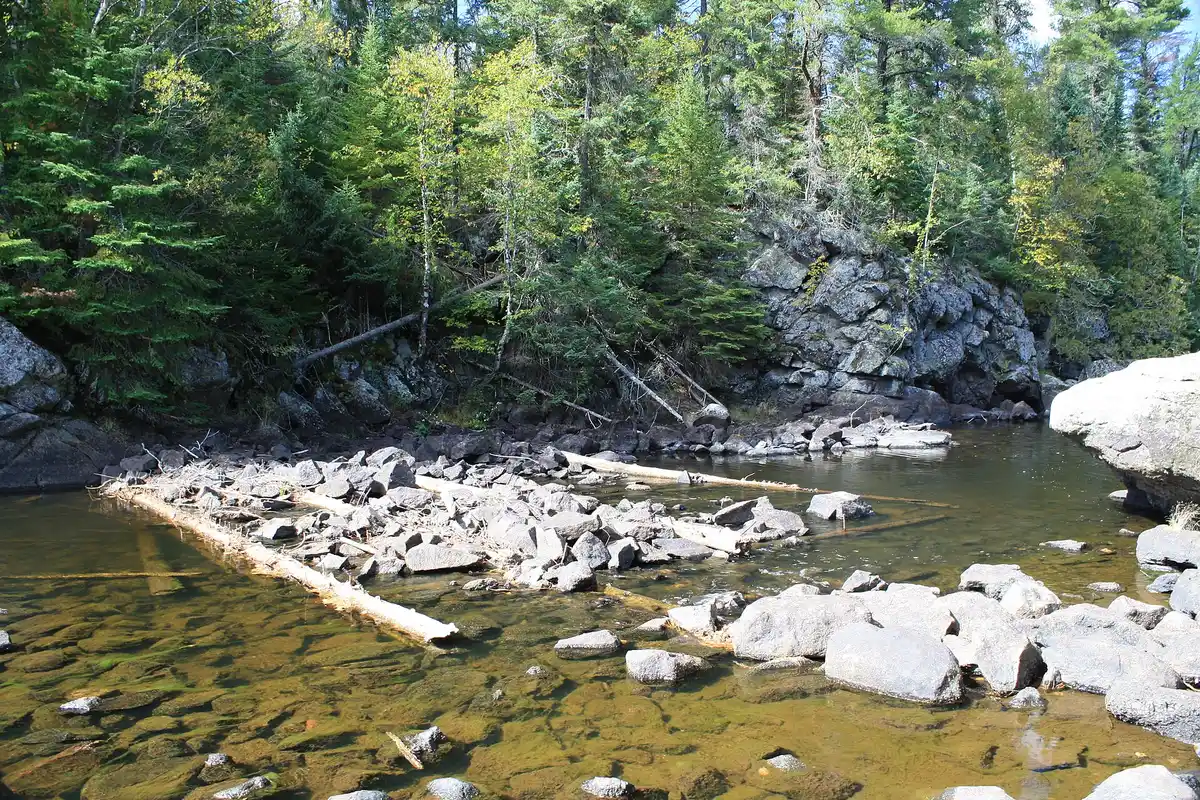
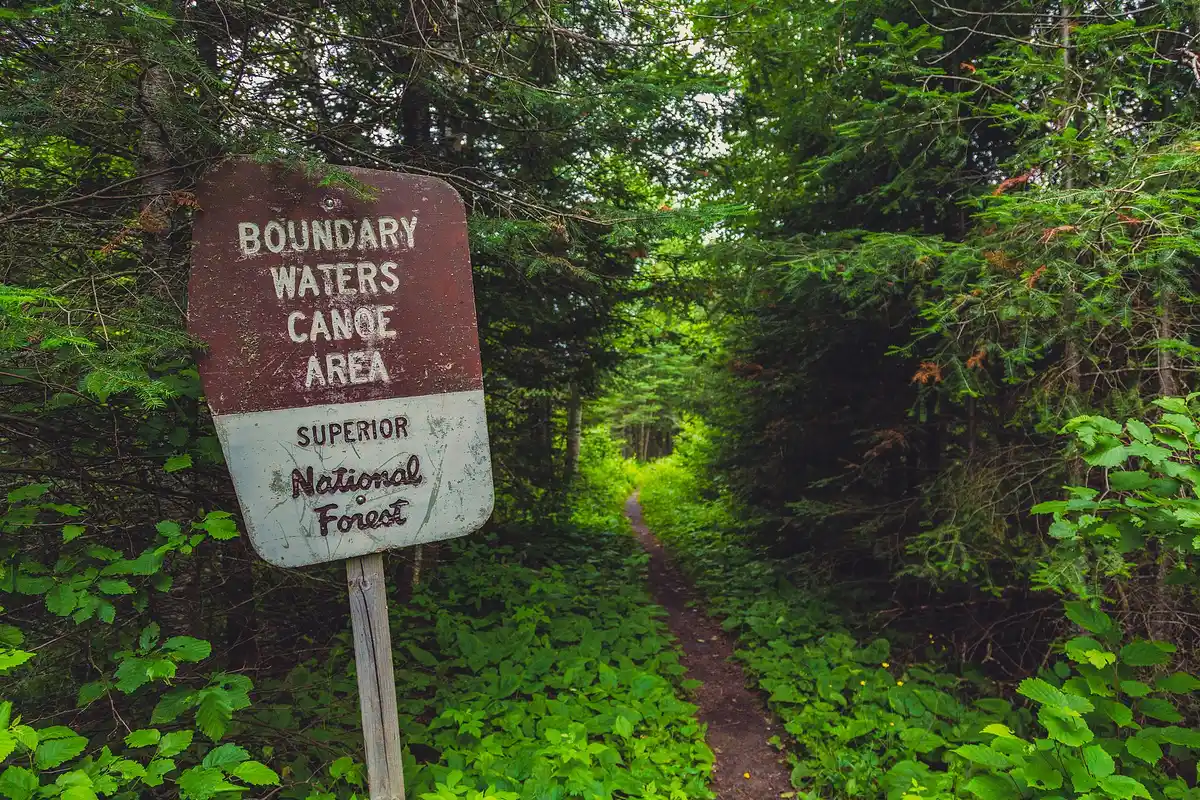
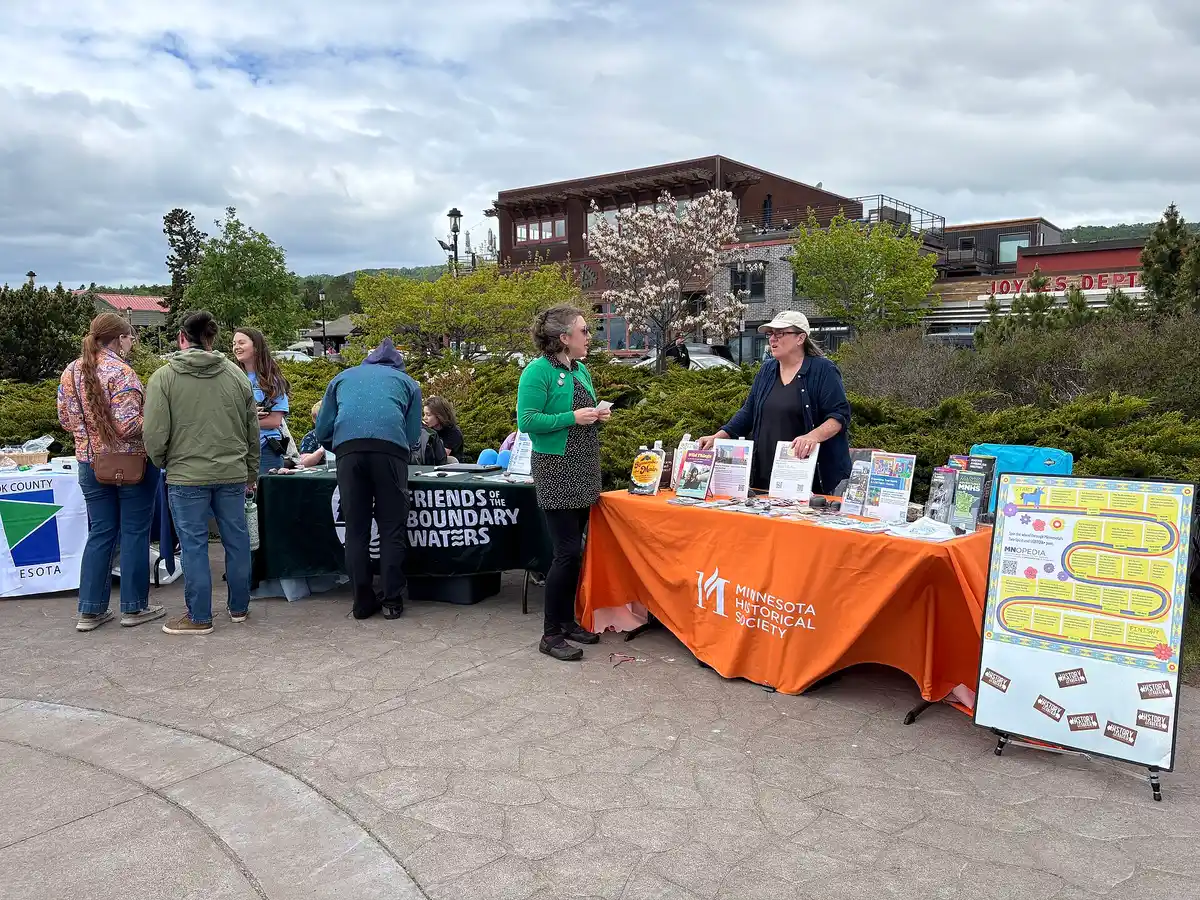
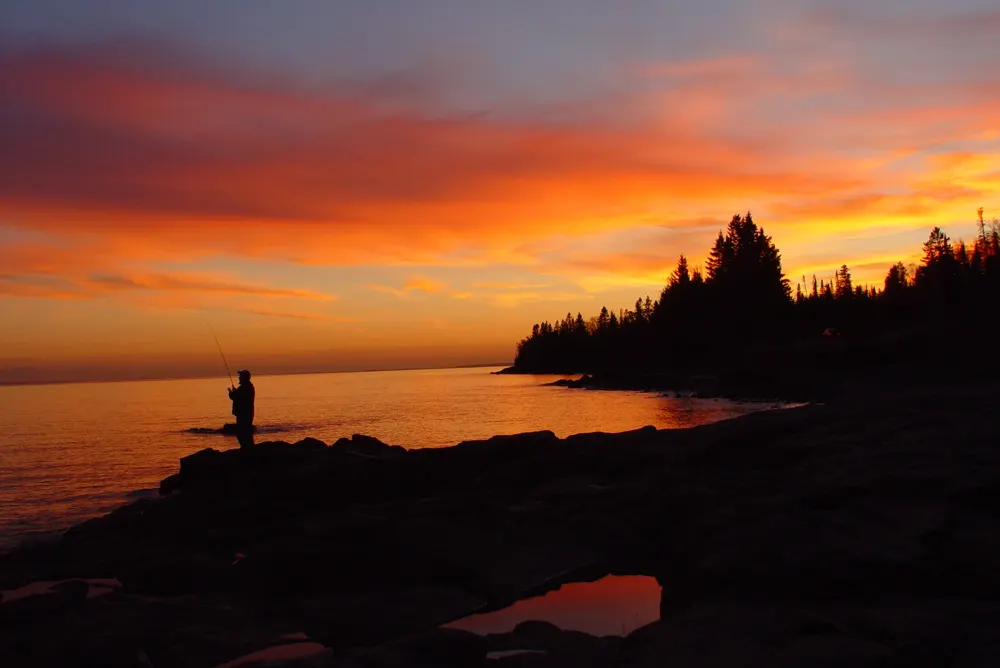
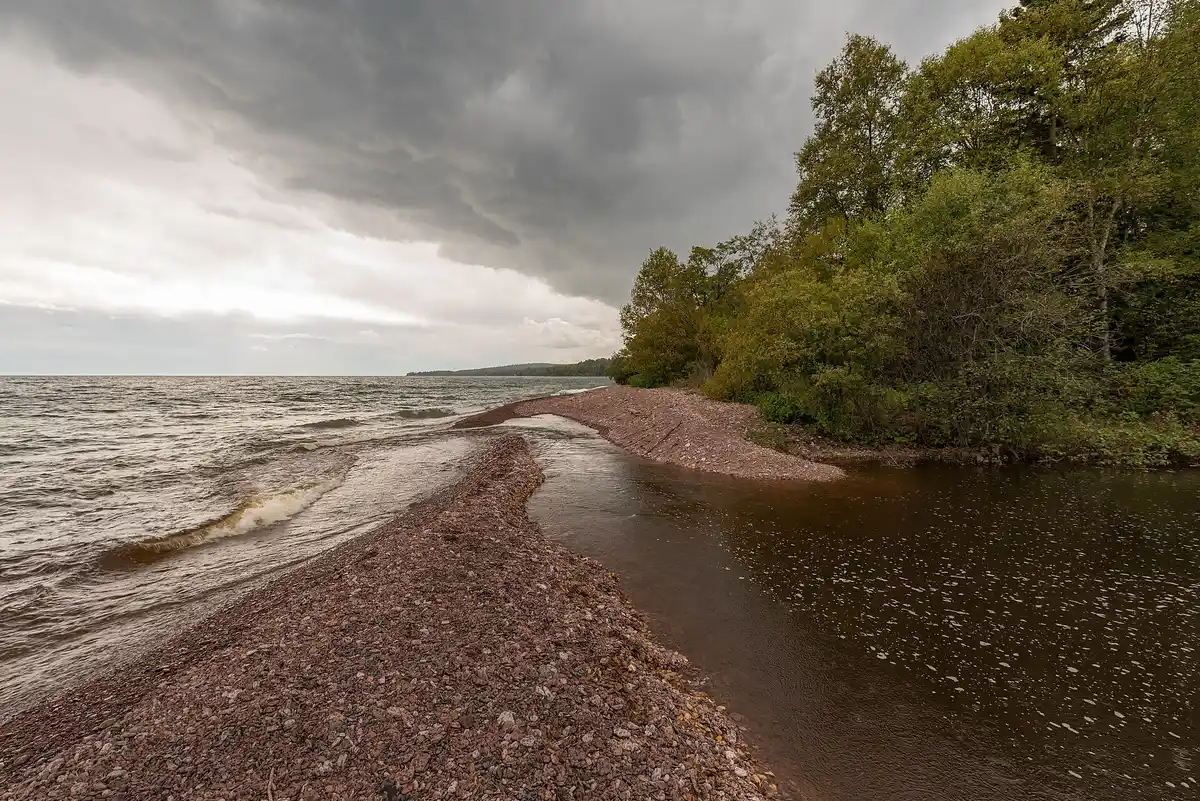
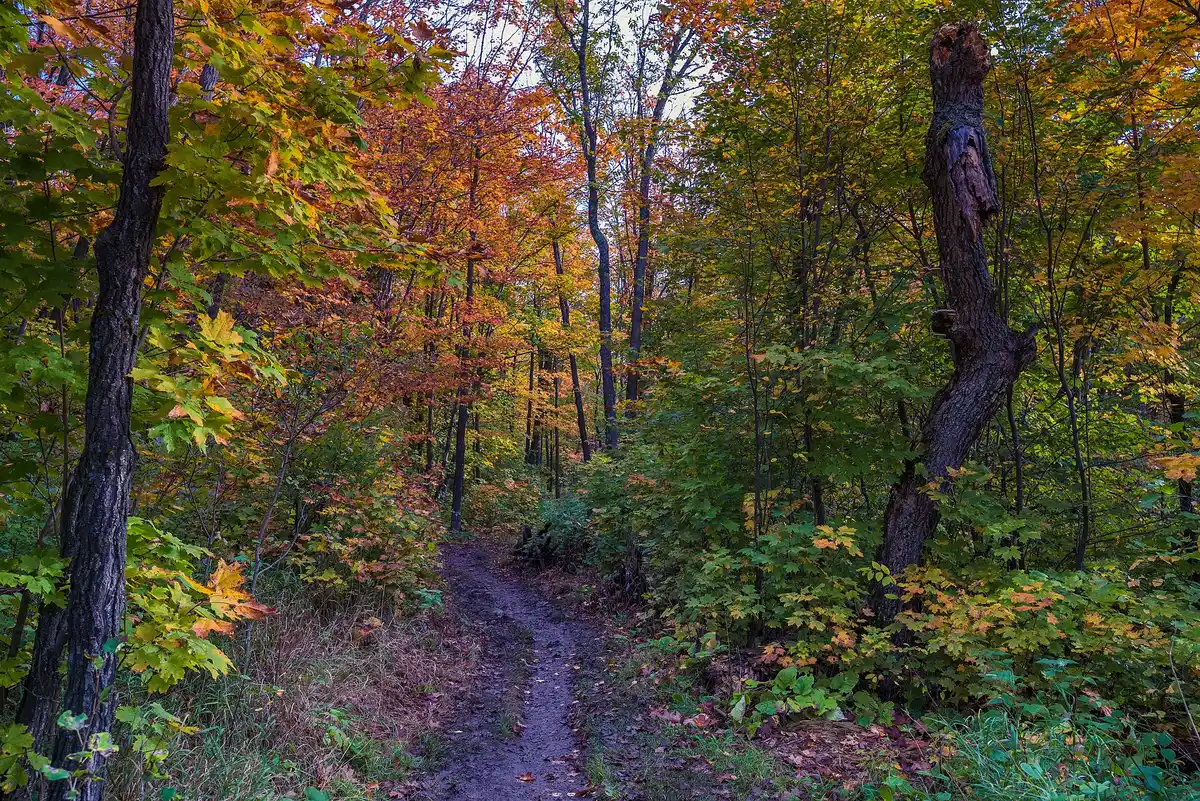
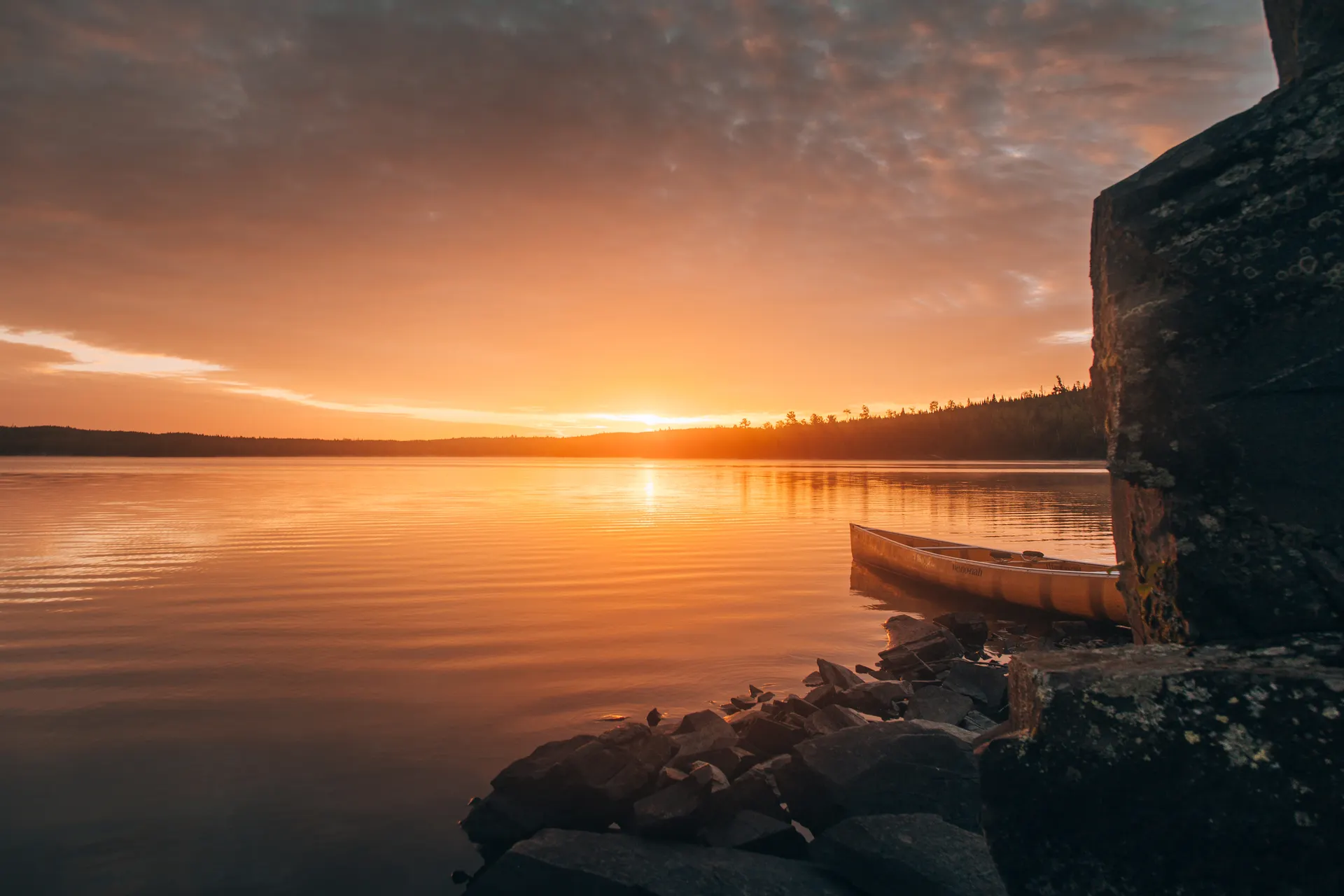
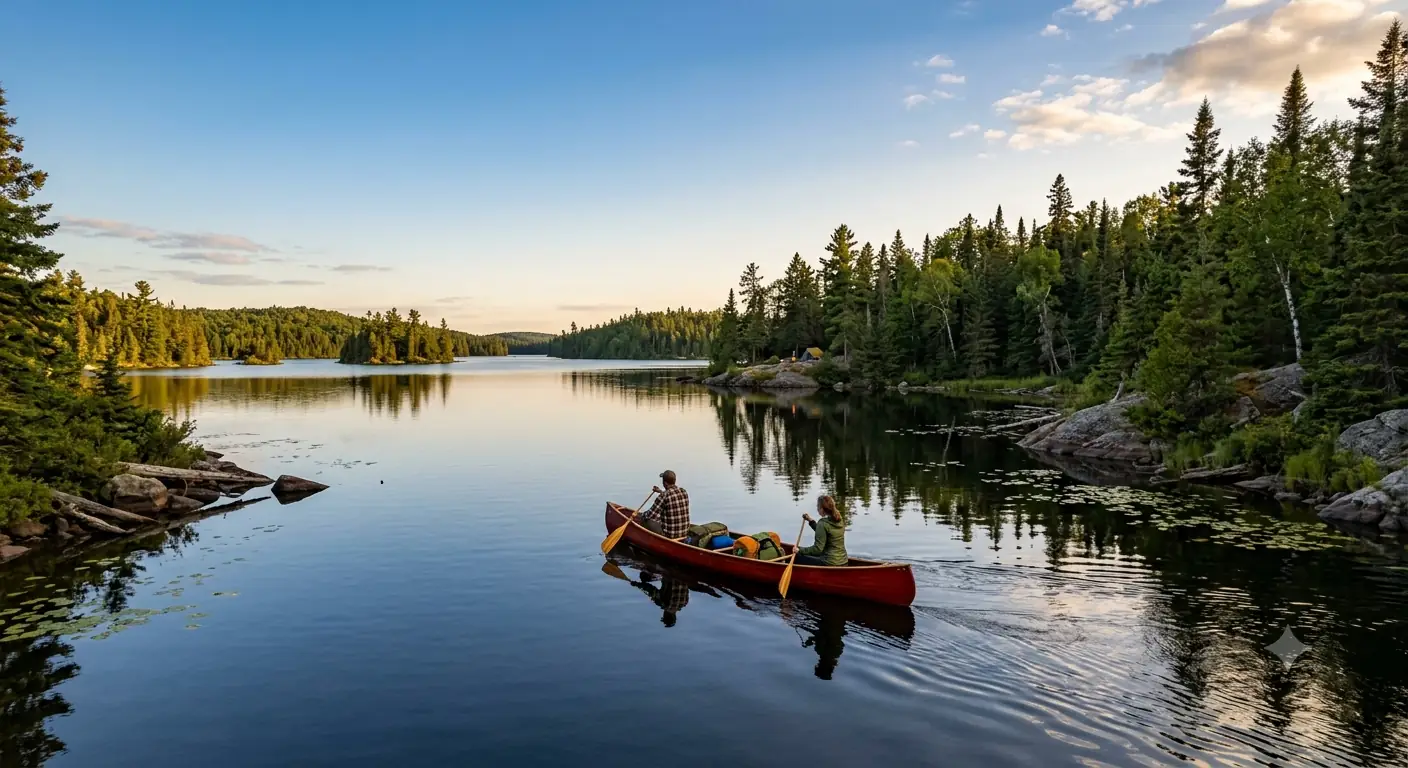
Boundary Waters in photos: 4 of the stops.
Plan and book your 10 days in Boundary Waters, one step at a time
- Sawbill Canoe Outfitters, the day 3 rental and the Kawishiwi Lake shuttle back to your car, is open from ice-out (about May 1) to the end of October; fall hours are 8 am to 7 pm. Source
How 10 days in Boundary Waters split up
Plan 10 days for Boundary Waters. Distance: ~25–30 mi paddle. Route: Sawbill → Polly. Permits: BWCAW quota. This 10-day Minnesota itinerary pairs the Boundary Waters Canoe Area Wilderness (BWCAW) with the Superior Hiking Trail. Base your logistics out of Grand Marais on Lake Superior, warm up with two days on the trail, then paddle a 7-day canoe route from Sawbill Lake to Kawishiwi Lake, roughly 25 to 30 paddling miles with a portage most days and a layover on Polly Lake.
Day 1: Arrive in Grand Marais & the Superior Hiking Trail
3 stops · Day one
Day 2: Superior Hiking Trail: Oberg & Leveaux Mountains
4 stops · Day two
Day 3: Drive to Sawbill & BWCAW Entry
4 stops · Day three
Day 4: Alton to Beth Lake
2 stops · Day four
Day 5: Beth to Grace Lake
2 stops · Day five
Day 6: Grace to Hazel Lake
3 stops · Day six
Day 7: Hazel to Polly Lake
2 stops · Day seven
Day 8: Layover on Polly Lake
2 stops · Day eight
Day 9: Polly Exit & Drive to Grand Marais
3 stops · Day nine
Day 10: Depart from Grand Marais
2 stops · Day ten
Arrive in Grand Marais & the Superior Hiking Trail
Drive the scenic North Shore of Lake Superior on Highway 61 to Grand Marais, an artsy harbor town about two hours from Duluth International Airport (DLH). Check into your lodging, then stretch your legs on your first section of the Superior Hiking Trail along the Kadunce River gorge toward Judge C.R. Magney State Park.
Not the order you want? Drag a stop, or use the arrows beside it. Stops move between days too.
 Xopher Smith / CC BY 2.0Drive from
~2 hr · ~110 mi to Grand Marais on Hwy 61 · DriveFly into Duluth International Airport (DLH) and drive the scenic North Shore of Lake Superior on Highway 61 to Grand Marais, an artsy harbor town about two hours (110 miles) north. This is your base for the whole trip, so top up on groceries, fuel, and anything else in town before heading inland.
 Tony Webster from Minn / CC BY-SA 2.0Superior Hiking Trail: Kadunce River
~5 mi · ~300 ft gain · river gorge & Lake Superior · HikeWarm up with a 5-mile out-and-back on the Superior Hiking Trail up the Kadunce River gorge toward Judge C.R. Magney State Park. It stretches your legs with river and Lake Superior views before the wilderness stretch of the trip. A Minnesota State Park pass is required if you park at the state-park trailhead.
See the trail → Myotus / CC BY-SA 4.0Overnight in Grand Marais
Hot shower · celebratory dinner · lodgeCheck into a comfortable lodge in Grand Marais, take a well-earned hot shower, and celebrate with dinner in town. After nine days out, a real bed and a restaurant meal feel like genuine luxuries. Book this night ahead in peak season.
Superior Hiking Trail: Oberg & Leveaux Mountains
Drive about 25 minutes south to the shared trailhead on the Onion River Road (Forest Road 336) for two of the most loved loops on the Superior Hiking Trail. Hike the Oberg Mountain Loop first, a series of overlooks with the best fall-color and Lake Superior views on the trail, then connect to the more rugged Leveaux Mountain Loop above the Temperance River valley.
Not the order you want? Drag a stop, or use the arrows beside it. Stops move between days too.
- Drive to Oberg Mountain trailhead
~25 min · ~18 mi · FR 336 (Onion River Rd) · DriveDrive about 25 minutes south from Grand Marais and turn up the Onion River Road (Forest Road 336) to the shared Oberg/Leveaux trailhead. It is a Superior National Forest lot, not a state park, so no state-park pass is needed. Arrive early, as the lot fills fast, especially in fall color season.
 Tony Webster from Minn / CC BY-SA 2.0Oberg Mountain Loop
~2.5 mi · ~400 ft gain · panoramic overlooks · HikeHike the Oberg Mountain Loop, a series of overlooks with the best fall-color and Lake Superior views on the Superior Hiking Trail. It is a moderately strenuous climb with a string of viewpoints looking out over the lake and the inland forest.
See the trail →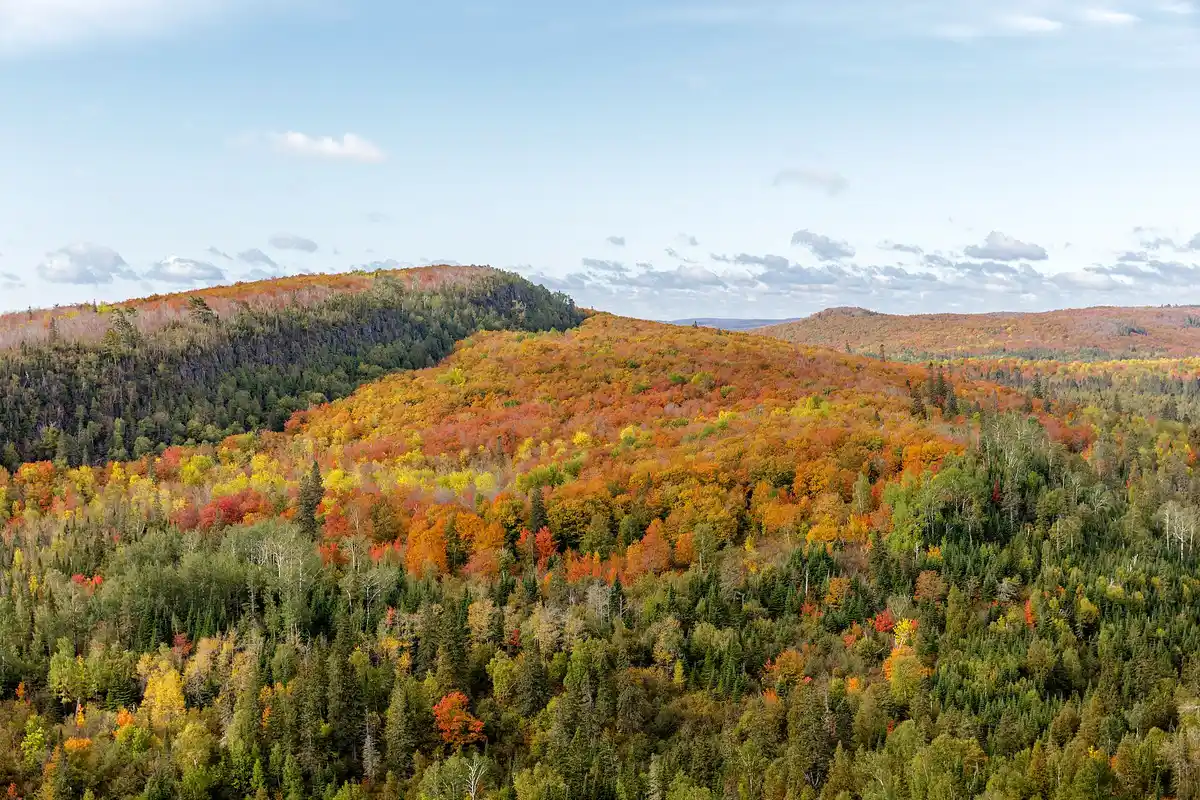 Lorie Shaull / CC BY 2.0Leveaux Mountain Loop
~3.5 mi · ~500 ft gain · Temperance River valley · HikeConnect to the more rugged Leveaux Mountain Loop from the same trailhead. It is rockier and usually less crowded than Oberg, with rewarding views over the Temperance River valley. Together the two loops make a roughly 6-mile day, the final tune-up before the Boundary Waters.
See the trail →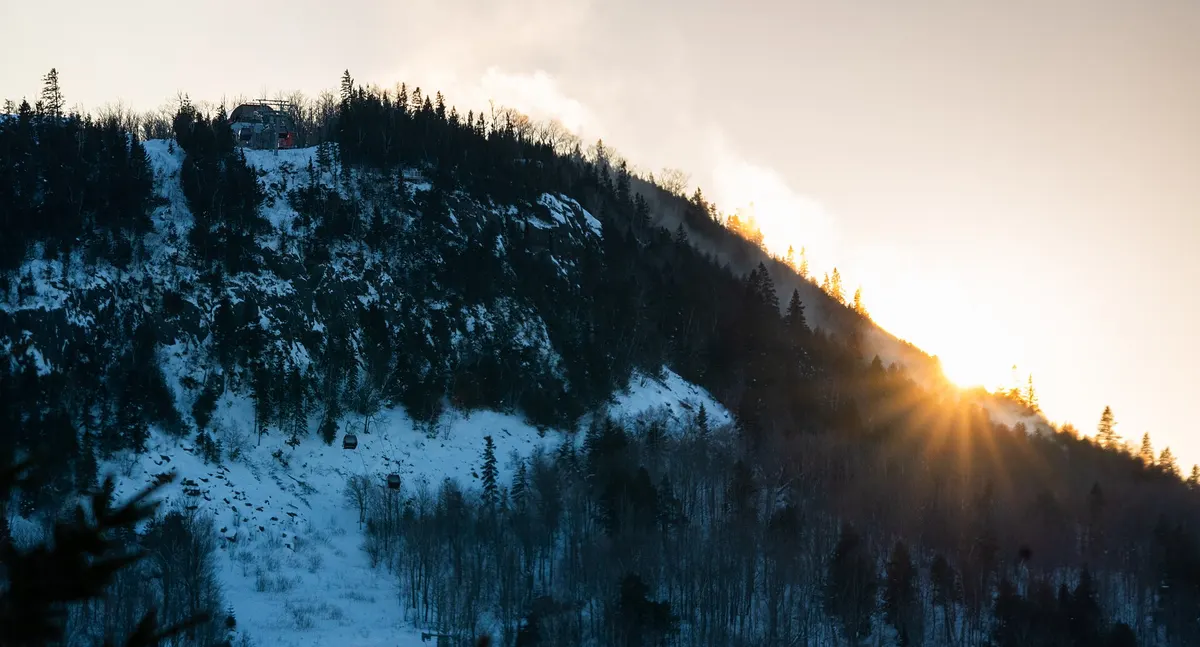 Tony Webster from Minn / CC BY 2.0Overnight near Lutsen or Grand Marais
Resort amenities or more dining options · lodgeStay overnight in Lutsen for resort amenities or return to Grand Marais for more dining choices. Either way, get a good meal and solid rest, then repack, because tomorrow you drive to Sawbill and enter the BWCAW.
Drive to Sawbill & BWCAW Entry
Head inland on the Sawbill Trail (Cook County Road 2) to Sawbill Canoe Outfitters at the Sawbill Lake landing, part of it unpaved. This is your last stop for gear, a final briefing, and pickup of your reserved BWCAW entry permit (Sawbill Lake, entry point #38). Attend the mandatory wilderness orientation covering Leave No Trace and current fire conditions.
Not the order you want? Drag a stop, or use the arrows beside it. Stops move between days too.
- Drive to Sawbill Canoe Outfitters
~1 hr · ~55 mi · Sawbill Trail (partly unpaved) · DriveHead inland on the Sawbill Trail (Cook County Road 2), part of it unpaved, to Sawbill Canoe Outfitters at the Sawbill Lake landing. This is your last stop for gear, a final briefing, and the launch point for the canoe route. Outfitting, canoe rental, and portage packs are available here (open ice-out to the end of October), and this is where you book the shuttle from the Kawishiwi Lake exit back to your car.
Operator info → - Tony Webster from Minn / CC BY-SA 2.0BWCAW permit pickup & orientation
Sawbill Lake EP #38 · reservation required · ViewpointPick up your reserved BWCAW entry permit (Sawbill Lake, entry point #38) at the outfitter or adjacent ranger station and attend the mandatory wilderness orientation covering Leave No Trace and current fire conditions. You must have a Recreation.gov reservation, and you must enter on your reserved date and entry point. Group size is capped at 9 people and 4 watercraft.
Official info → - daakrolb@hotmail.com / CC BY-SA 3.0Paddle Sawbill Lake to Alton Lake
~5 mi paddle · 1 short portage (~10 rods) · HikeLaunch onto Sawbill Lake, a large open lake where wind and waves matter, and cross to the first short portage (about 10 rods) into Alton Lake. Focus the first day on efficient packing, paddling, and portage technique. No cans or bottles are allowed in the BWCAW, so repackage food before you launch.
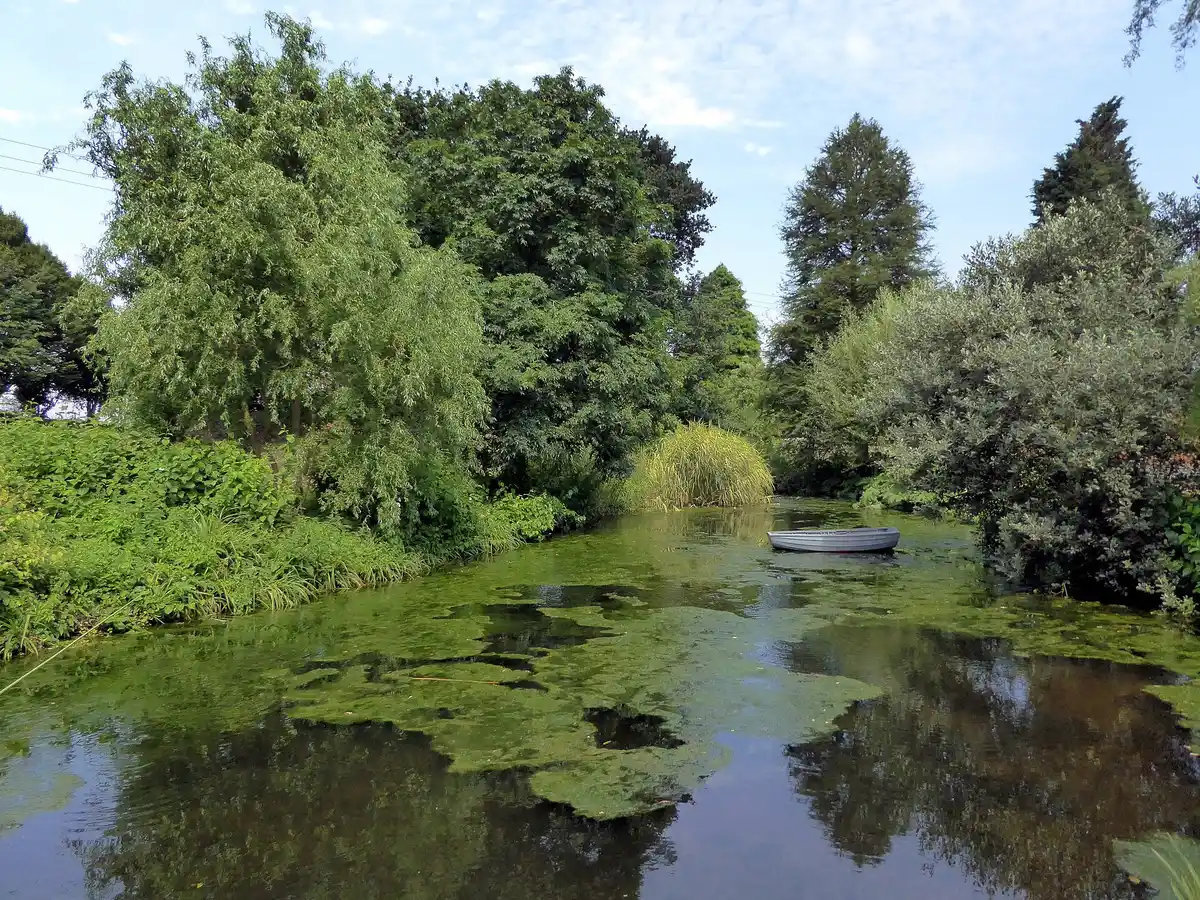
- Jonah docter-loeb / CC BY-SA 4.0Camp on Alton Lake
First night in BWCAW · designated site · lodgeFind an available designated campsite on Alton Lake, set up camp, and cook your first wilderness meal. Sites are first-come, first-served with provided fire grates, so stop paddling with daylight to spare. Store all food in a bear-resistant container or a hung bear bag overnight.
Alton to Beth Lake
A short day to settle in. Paddle the length of Alton Lake to its southwest corner and carry over the portage into Beth Lake, a long, narrow lake with clear water and secluded campsites that feel noticeably deeper in the wilderness.
Not the order you want? Drag a stop, or use the arrows beside it. Stops move between days too.
- Paddle Alton Lake to Beth Lake
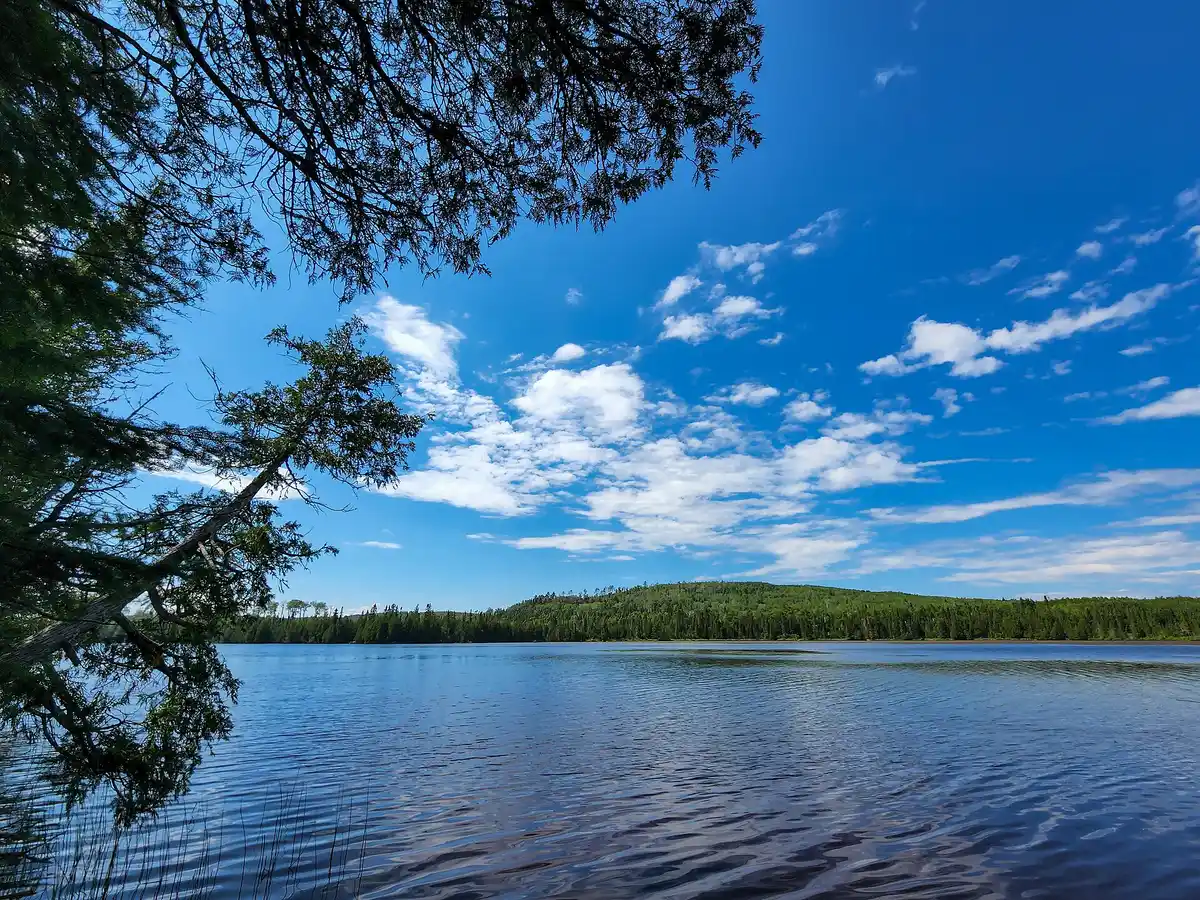
~3 mi · 1 portage · rocky carry · HikePaddle the length of Alton Lake to its southwest corner and carry over the portage into Beth Lake. It is a short day on purpose: dial in your packing system and double-carry if the load is heavy.
 Tony Webster / CC BY 2.0Camp on Beth Lake
Designated site · wilderness solitude · lodgeMake camp on Beth Lake, a long, narrow lake with clear water, good swimming, and secluded campsites. Practice Leave No Trace, store food securely, and prepare for bug activity in the evening.
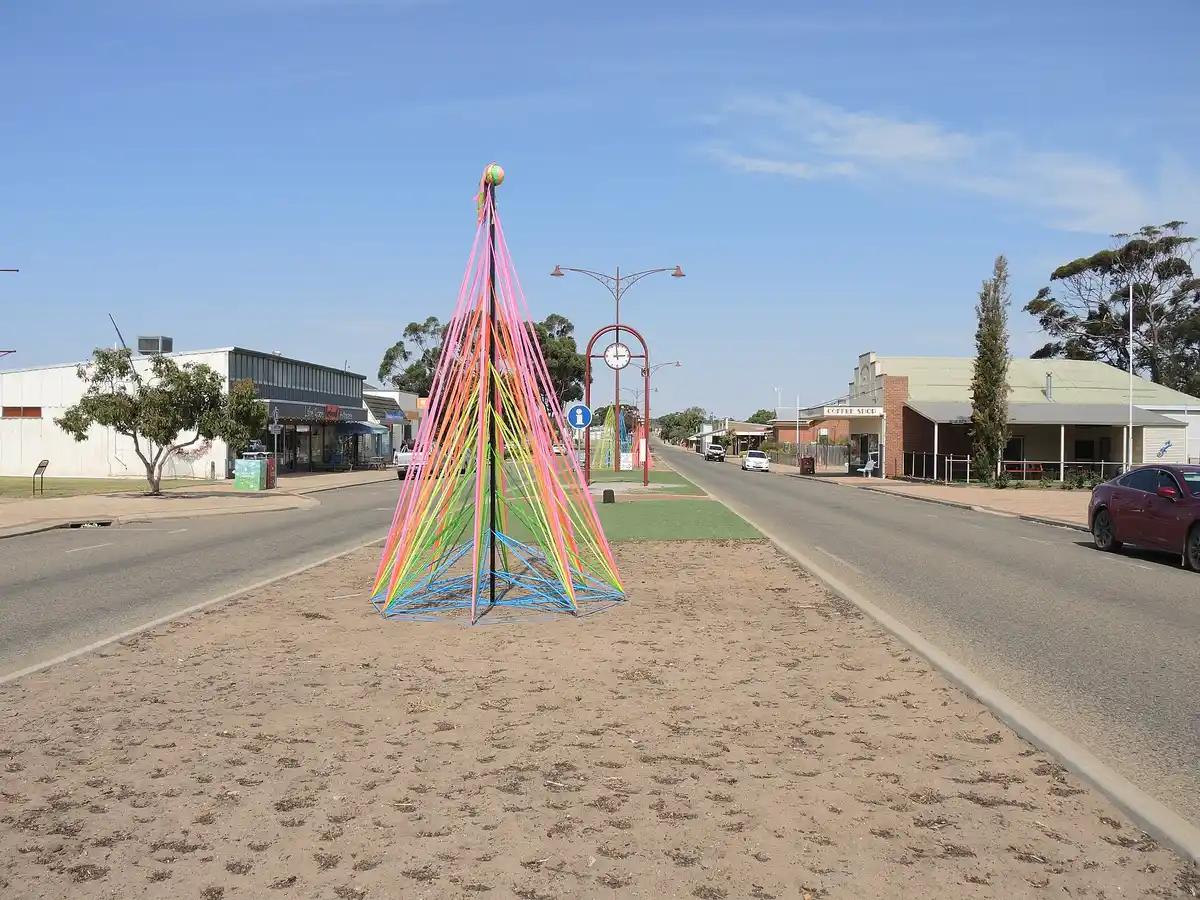
Beth to Grace Lake
Cross Beth and take the longest carry so far into Grace Lake, which may involve some elevation. Grace is large and scenic, so make camp early and spend the afternoon fishing or exploring its bays.
Not the order you want? Drag a stop, or use the arrows beside it. Stops move between days too.
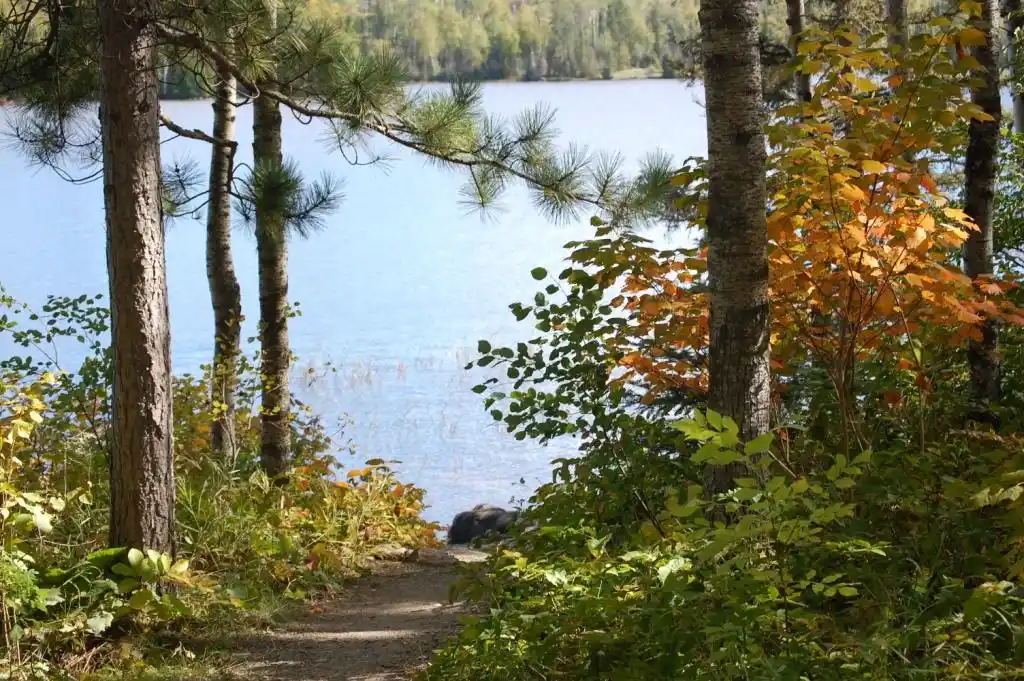 Superior National Fore / CC BY 2.0Paddle Beth to Grace Lake
~2 mi · 1 longer portage · HikeStart with a paddle across Beth and the longest portage so far into Grace Lake, which may involve some elevation. Plan to double-carry it. Grace is a large, scenic lake with good walleye and northern pike fishing.
- Camp on Grace Lake
Central hub · many sites · layover option · lodgeSet up camp on one of Grace Lake's many sites and spend the afternoon fishing or exploring its bays. On clear, dark nights the interior offers a chance at the northern lights.
Grace to Hazel Lake
Head west out of Grace into quiet Phoebe Lake, then follow the Phoebe River chain through little Knight Lake to Hazel Lake. The river sections are narrow and winding, with beaver dams to lift over in low water, and this is prime moose country.
Not the order you want? Drag a stop, or use the arrows beside it. Stops move between days too.
- Paddle Grace to Phoebe Lake
Portages into a quiet lake · HikeHead west out of Grace into quiet, less-traveled Phoebe Lake, a good place to watch for birds and other wildlife away from the busier routes.
- Phoebe River through Knight Lake
Narrow river · beaver dams in low water · HikeFollow the winding Phoebe River through little Knight Lake toward Hazel. In low water expect to step out and lift over beaver dams and rocks. This is prime moose country, so paddle quietly.
- Camp on Hazel Lake
Small, forested, usually calm · lodgeMake camp on Hazel Lake, a small, forested lake with usually calm water and one of the quietest evenings on the route.
Hazel to Polly Lake
Follow the Phoebe River north and west out of Hazel to large, scenic Polly Lake, a hub with many campsites on the Kawishiwi River system. It is a shorter day, so you can take the river slowly and still arrive early enough for a good site.
Not the order you want? Drag a stop, or use the arrows beside it. Stops move between days too.
- Phoebe River from Hazel to Polly Lake
River paddle · short carries · HikeFollow the Phoebe River north and west out of Hazel to Polly Lake. It is a shorter day, so take the river slowly and still arrive early enough to claim a good site.
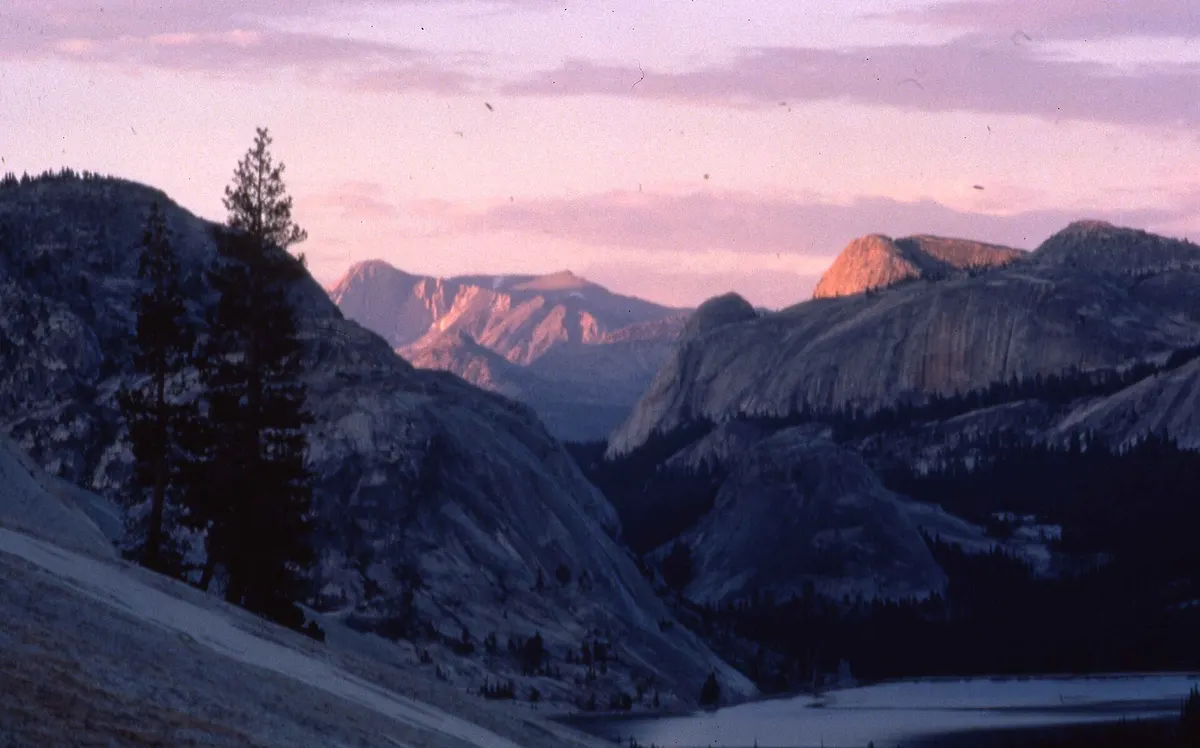 Camp on Polly Lake
Two nights · many sites · lodgeClaim a campsite on large, scenic Polly Lake for two nights. Polly can be busier than the interior lakes because it sits close to the Kawishiwi Lake entry, so arrive early.
Layover on Polly Lake
A layover day, and the reward for the week. Leave camp standing and paddle light: fish Polly's bays, or make an optional day trip north on the Kawishiwi River toward Koma and Malberg lakes and back.
Not the order you want? Drag a stop, or use the arrows beside it. Stops move between days too.
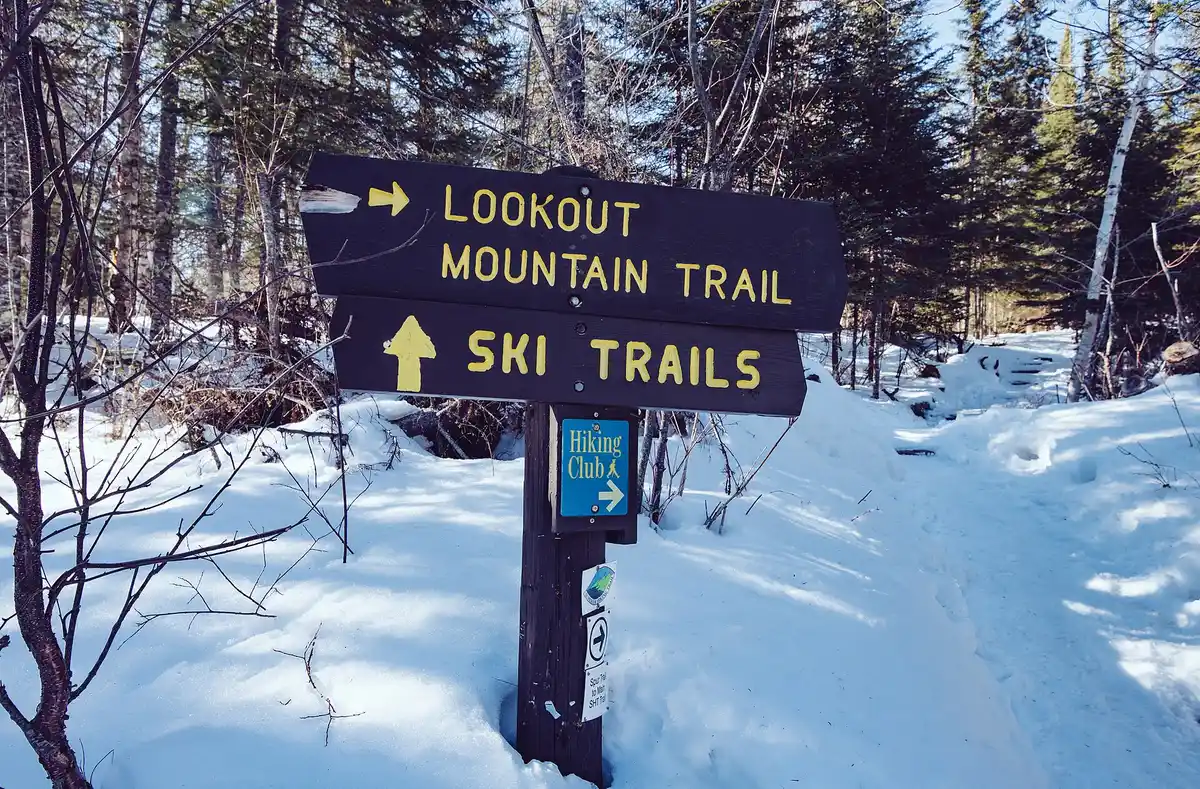
- Optional day paddle toward Koma & Malberg
Paddle light · back to the same camp · HikeLeave camp standing and paddle light north on the Kawishiwi River toward Koma and Malberg lakes, or stay put and fish Polly's bays. The layover is also your weather buffer if wind held you up yesterday.
 Tony Webster from Minn / CC BY 2.0Second night on Polly Lake
Last night in BWCAW · same site · lodgeYour last night in the Boundary Waters. Enjoy a final campfire if conditions allow, reflect on the journey, and pre-pack what you can so tomorrow's exit and drive go quickly.
Polly Exit & Drive to Grand Marais
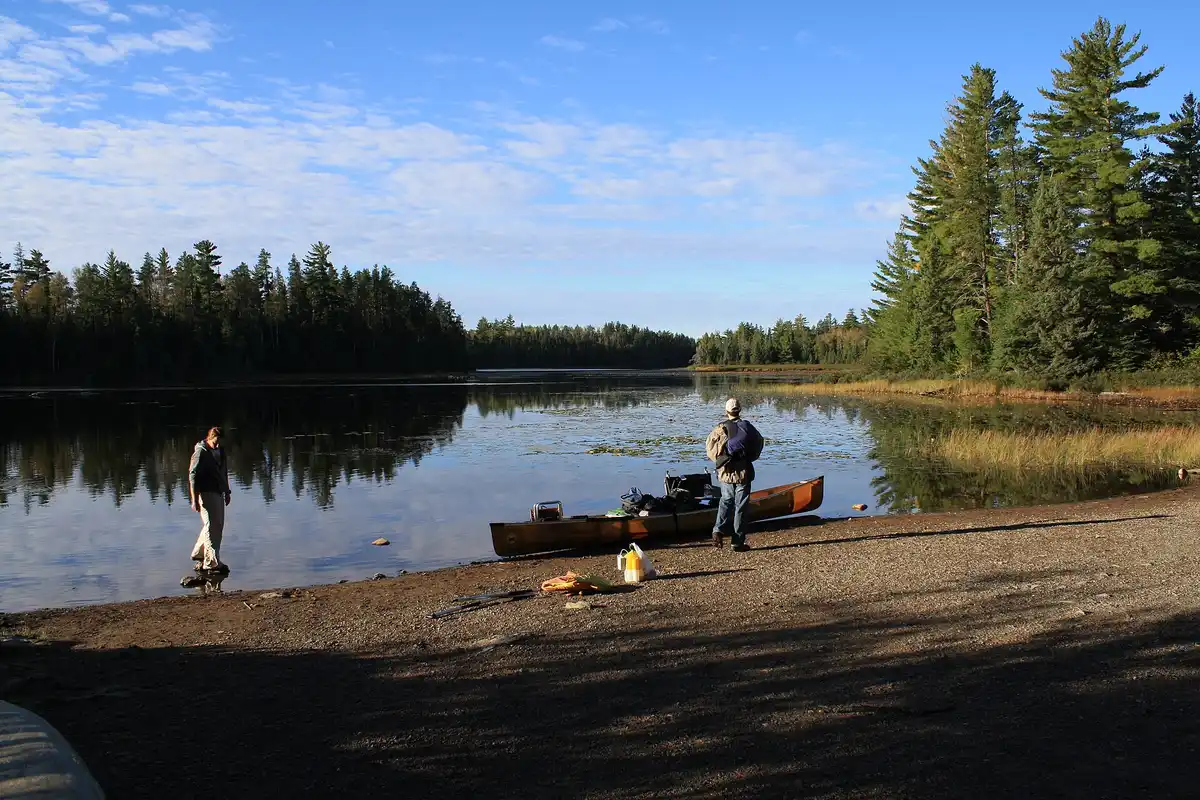
Paddle south from Polly through Kawasachong and Square lakes and down the Kawishiwi River to the Kawishiwi Lake exit (entry point #37). You started at Sawbill, so book the Sawbill Canoe Outfitters shuttle from Kawishiwi Lake back to your car before you launch on day three.
Not the order you want? Drag a stop, or use the arrows beside it. Stops move between days too.
- Paddle Polly to the Kawishiwi Lake exit
Via Kawasachong & Square lakes · EP #37 · HikePaddle south from Polly through Kawasachong and Square lakes and down the Kawishiwi River to the Kawishiwi Lake landing (entry point #37), with several portages along the way.
- Sawbill shuttle, then drive to Grand Marais
~2.25 hr in all · partly unpaved · DriveYour car is back at Sawbill, so book Sawbill Canoe Outfitters' shuttle from Kawishiwi Lake (they list it as a standard route). It is about 20 minutes on forest roads to Sawbill, then roughly an hour and a half down the Sawbill Trail and Highway 61 to Grand Marais.
- Myotus / CC BY-SA 4.0Overnight in Grand Marais
Hot shower · celebratory dinner · lodgeCheck into a comfortable lodge in Grand Marais, take a well-earned hot shower, and celebrate with dinner in town. After nine days out, a real bed and a restaurant meal feel like genuine luxuries. Book this night ahead in peak season.
Depart from Grand Marais
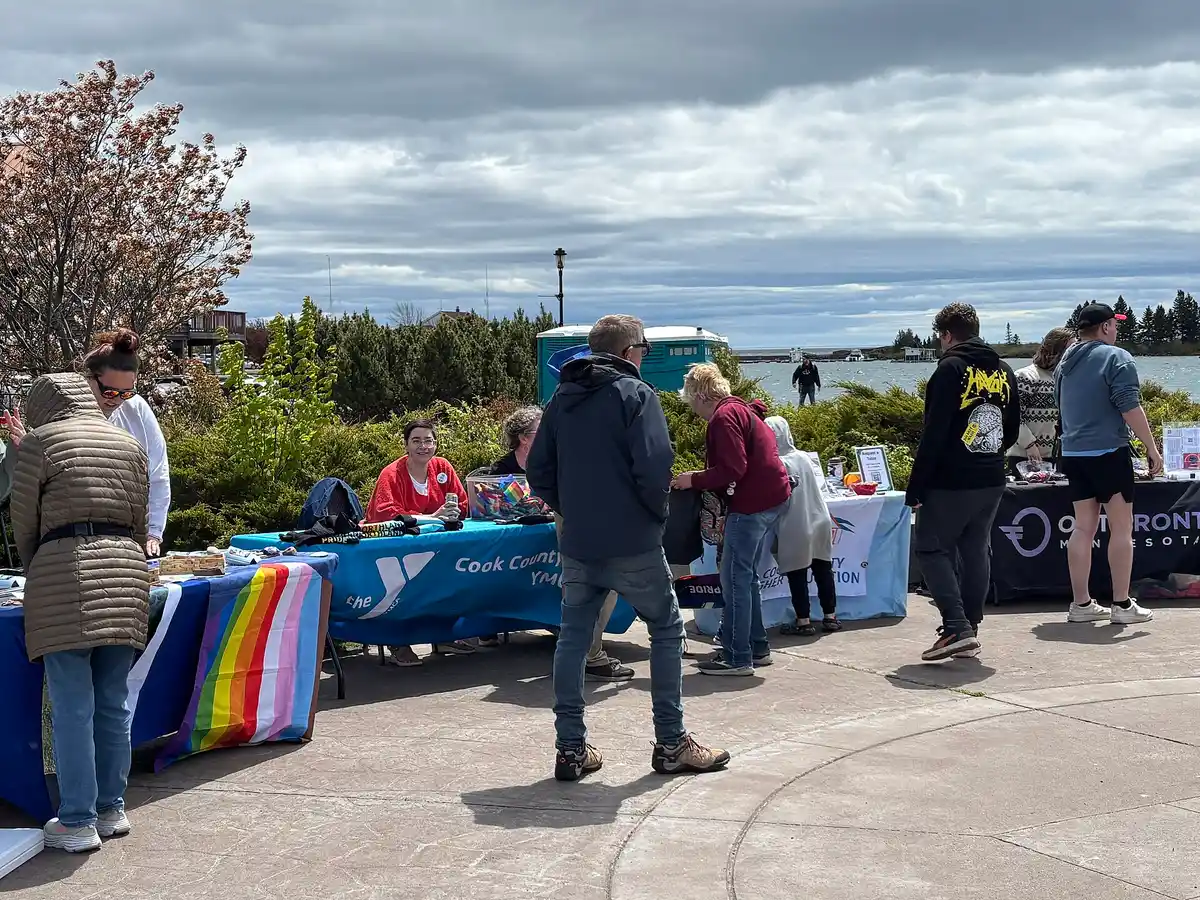
Enjoy a final North Shore breakfast at one of Grand Marais's cafes and, if time allows, stroll the harbor, visit the lighthouse, and browse the art galleries and outfitters in town. Grab a coffee and a local pastry before you point the car south.
Not the order you want? Drag a stop, or use the arrows beside it. Stops move between days too.
 Myotus / CC BY-SA 4.0Breakfast & harbor stroll in Grand Marais
North Shore cafes · lighthouse · galleries · activityEnjoy a final North Shore breakfast at one of Grand Marais's cafes and, if time allows, stroll the harbor, visit the lighthouse, and browse the art galleries and Stone Harbor Wilderness Supply. Grab a coffee and a local pastry before you point the car south.
 Sharon Mollerus / CC BY 2.0Drive to Duluth International Airport (DLH)
~2 hr · ~110 mi south on Hwy 61 · DriveDrive Highway 61 back along Lake Superior toward Duluth International Airport, roughly two hours (110 miles) south, with an optional stop at Split Rock Lighthouse. Allow ample time for the drive and traffic near Duluth before your flight home.
Book the 3 nights under a roof
Most nights on this trip are in a tent. Reserve any campsite the route needs, and the room either side of it if you want one.
Tell us your dates and we will do the calling: the rooms either side, and the guided days in between. Nothing is charged and you decide at the end.
Request to bookBoundary Waters Canoe Area Wilderness overnight permit opens on its own calendar
$16 per adult and $8 per child for the trip, plus a $6 reservation fee. One permit per group, up to 9 people and 4 watercraft.
| Permit | Required: Boundary Waters Canoe Area Wilderness overnight permit Official page |
|---|---|
| Application window | first come, first served from 9:00 AM CST on the last Wednesday in January, covering the 1 May to 30 September quota season. There is no longer a lottery. |
| Odds of drawing | Entirely down to the entry point. The well-known ones go the first morning; remote entry points stay open for months. |
| If your application is denied | Change the entry point rather than the dates. The quota is per entry point, not per trip, and the quieter ones are open all season. Walk-up permits are also issued at cooperator stations on your entry date or the day before. |
| Trip starts from | Ely, MN, flying into Duluth (DLH) |
What to pack for Boundary Waters
Built from this route, not a generic list. Every line says why it is here.
On every day of this trip
On your feet
Because you are sleeping out 6 nights
For the 3 nights under a roof
For the drive to the trailhead
Essential wilderness rules & planning.
BWCAW permits & quotas
A BWCAW entry permit is required for overnight trips and is issued through a daily quota per entry point on Recreation.gov. Reservations typically open in late January for the following season, so book the Sawbill Lake entry point (#38) as soon as the window opens for June through August. You must enter on your reserved date and through your reserved entry point.
Group size & watercraft
Group size is capped at 9 people and 4 watercraft per permit in the BWCAW. Plan your party within that limit. All members should be present or listed on the permit at pickup, handled through Sawbill Canoe Outfitters or the ranger station.
Camping, fires & no cans
Camp only at designated sites with the provided fire grates, which are first-come, first-served. Fires are allowed only in the grates using dead-and-down wood. Cans and bottles are prohibited in the BWCAW, so repackage food before you launch, and pack out all trash and food waste.
Water, waste & Leave No Trace
Filter, purify, or boil all water from lakes and streams; giardia is present. Bury human waste 6 to 8 inches deep at least 200 feet from water, trails, and camp, and wash at least 200 feet from any water source with biodegradable soap. Leave No Trace is mandatory in both the BWCAW and on the Superior Hiking Trail.
When to go
The season runs late May to early October. Late May and June bring higher water and easier portages but heavy bugs; July and August are warmest and busiest, with common thunderstorms; September into early October offers fewer insects, cool weather, and fall color, though lower water can make some portages harder.
Getting there needs a car
Grand Marais is about two hours (110 miles) from Duluth International Airport (DLH) on Highway 61. Sawbill is roughly an hour inland on the Sawbill Trail, part of it unpaved, and Kawishiwi Lake is reached on forest roads. No public transportation serves the trailheads, so a car is required.
Pack for the portages, not just the paddle
A Kevlar canoe and loaded gear packs must be hand-carried over muddy portages measured in rods, so how you pack matters as much as how you paddle. Use modular, waterproof portage packs with padded shoulder straps rather than skimpy dry bags, which turn every carry brutal. Balance the loads, keep the canoe a one-person carry where you can, and cross the big, exposed lakes at first light when the surface winds are calmest.
Boundary Waters: questions before you go
Boundary Waters itinerary: the questions people ask most.
Yes. A BWCAW entry permit is required for overnight trips and is issued through a daily quota per entry point on Recreation.gov. Reservations for the season typically open in late January of the preceding year. For popular entry points like Sawbill (#38) and peak dates in June through August, book immediately when the window opens. The Superior Hiking Trail itself needs no permit, but a Minnesota State Park pass ($7/day or $35 annual) is required to park at state-park trailheads.
The route has a portage most days over its 7 days on the water, from short, easy carries to longer ones over uneven, rocky terrain, plus beaver dams to lift over on the Phoebe River in low water (1 rod = 16.5 feet). Good conditioning, experience carrying heavy loads, and teamwork are essential, and you should expect to double-portage the heavier sections, one trip with packs and one with the canoe.
Costs vary. Budget for the BWCAW permit (around $16 per person plus a $6 reservation fee per entry point), a Minnesota State Park pass ($7/day), canoe rental (roughly $50 to $70/day), any shuttle service, and food. If you rent gear and use an outfitter, budget roughly $1,000 to $1,500-plus per person, excluding travel to Minnesota.
Yes. Outfitters in Grand Marais and along the routes, including Sawbill Canoe Outfitters at the Sawbill Lake landing, offer full or partial outfitting: canoes, paddles, PFDs, portage packs, tents, sleeping bags, and cooking gear. This is a good option if you do not own expedition gear or want to minimize travel bulk.
No. Filter, purify, or boil all drinking water from lakes and streams in the BWCAW and on the Superior Hiking Trail. Giardia and other waterborne pathogens are present. A reliable filter such as a Sawyer Squeeze or Katadyn BeFree, or chemical treatment, is essential.
The BWCAW is home to moose, black bears, wolves, deer, beaver, otter, loons, eagles, and owls; the Superior Hiking Trail adds deer and smaller mammals. Store all food in a bear-resistant container or a well-hung bear bag every night, never in your tent, keep a respectful distance from all wildlife, and never feed animals.
Application window: first come, first served from 9:00 AM CST on the last Wednesday in January, covering the 1 May to 30 September quota season. There is no longer a lottery..
Entirely down to the entry point. The well-known ones go the first morning; remote entry points stay open for months.
Change the entry point rather than the dates. The quota is per entry point, not per trip, and the quieter ones are open all season. Walk-up permits are also issued at cooperator stations on your entry date or the day before.
Ely, MN is the gateway town, flying into Duluth (DLH).
Tell us your dates and we ask a local guide who works this area what they can do on your days and what it costs. If nobody is free, we tell you. Asking is free: no card, no deposit, and nothing is held until you say yes.
Pick how you want to go.
Same 10-day route. Same 13 stops.
- 9 nights, sites along the route
- $162
- Rental car, 10 days
- $600
- Gas, about 339 miles
- $45
- A private local guide, campsites booked
- Included
- Airport pickup and every drive
- Included
- Park, permit and campsite fees paid
- Included
- All the gear and the trail meals
- Included
Written and walked by Yulia Vasilyeva · Co-founder · Lead planner and guide
Three years leading guided hikes in the Pacific Northwest, rated 5.0 by 20+ verified guests, and she builds every custom itinerary herself. Based in Seattle.
Last checked September 2026
You might also love these
Other itineraries near this one.
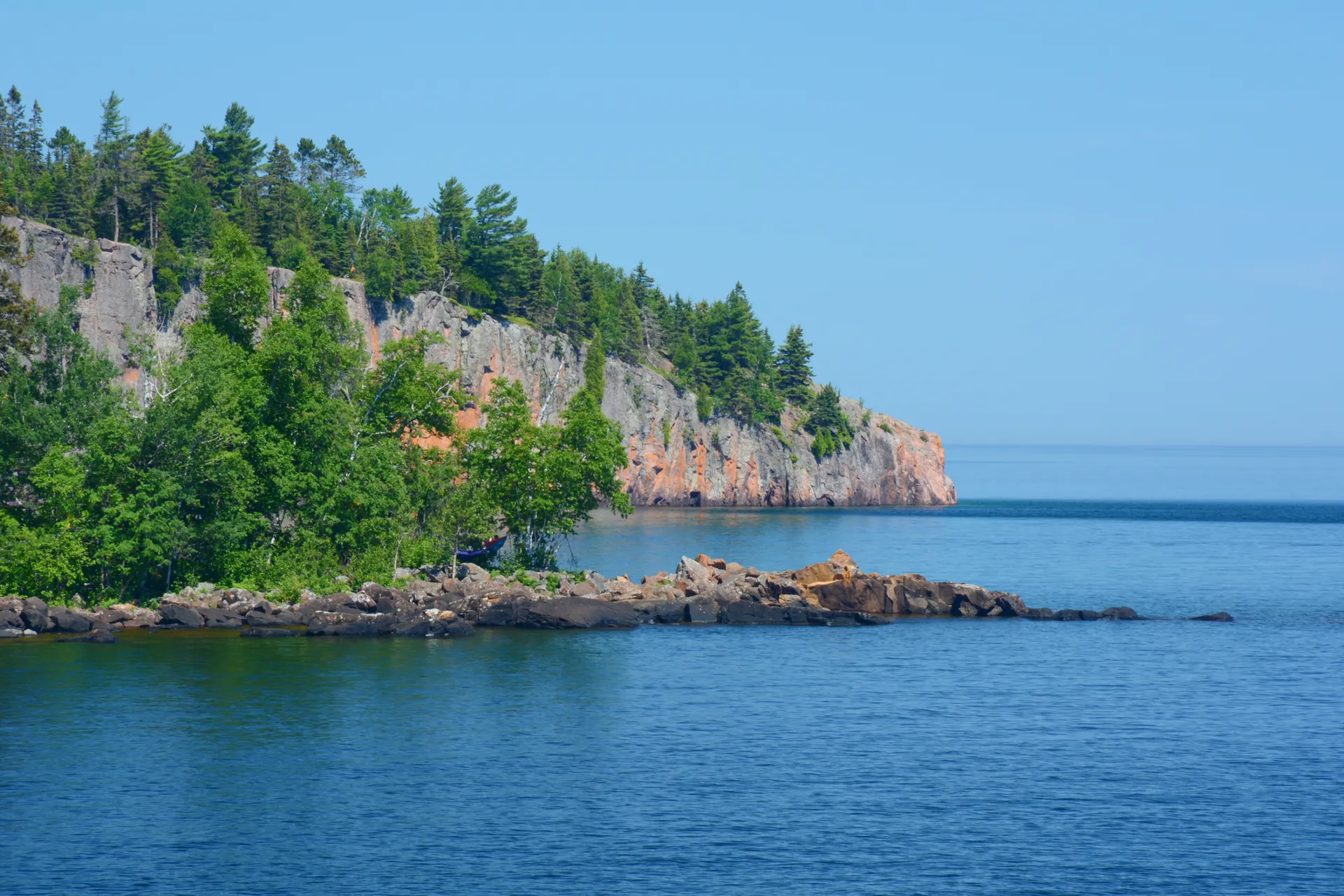
Superior Hiking Trail: A 4-Day Minnesota Itinerary
Four days section-hiking the Superior Hiking Trail along Lake Superior's North Shore: Gooseberry Falls, Split Rock, Tettegouche, Carlton…
Boundary Waters Canoe Trip: A 4-Day Itinerary
Four days deep in the BWCAW: reserve your quota permit, pick an entry point, then paddle lake to lake, portage your canoe and gear, and…
Boundary Waters Canoe Trip: 3-Day Beginner Route from Ely
A 3-day beginner Boundary Waters canoe trip from Entry Point 30 near Ely, MN: a Lake One, Lake Two, and Lake Three loop with short…
Guides for this tripBest Day Hike Sections of the Superior Hiking TrailBoundary Waters Entry PointsBoundary Waters Guided TripsItasca State Park Day Trip
What adventurers say about us.
All reviews are from verified guests. ★★★★★ 5.0 average from 20+ bookings.
"Felt like going out with a really knowledgeable friend who just happens to know everything about the area. No awkward tour-guide energy, just a magnificent day."
"Yulia is an incredible guide. She knew every trail, every viewpoint, and exactly how to pace the day for our group. The photos she took of us were stunning. 100% booking again."
"I was visiting Seattle solo and this was the best decision I made on the trip. Yulia picked me up, had snacks, and took us to a trail I never would have found on my own. Absolute must-do."
"We did this as a couple's trip and it was perfect. Yulia adapted everything to us, our pace, our interests, our photo obsession. The mountain views were unreal."
"Phenomenal experience. Yulia has deep local knowledge and a real passion for the outdoors. She went out of her way to show us the hidden gems tourists never see. Will remember this forever."
"I've done a few guided hikes and this was by far the best. Yulia is warm, funny, and genuinely expert. The trail she chose had the most insane wildflower bloom, we got so lucky."
Fees, reservation windows, shuttle dates and trail closures are planning estimates. Confirm hours, road status and any reservations with the land manager before you go.
What other travelers are saying
Be the first to leave a tip or question for the next traveler.
Was this helpful?
One tap. It goes straight to Yulia and Margarita.
You can't hike it if you can't get the permit.
The best hikes in America run on lotteries that open once a year and sell out in minutes. Every trail runs on its own calendar. Pick the ones you want and we do the watching.
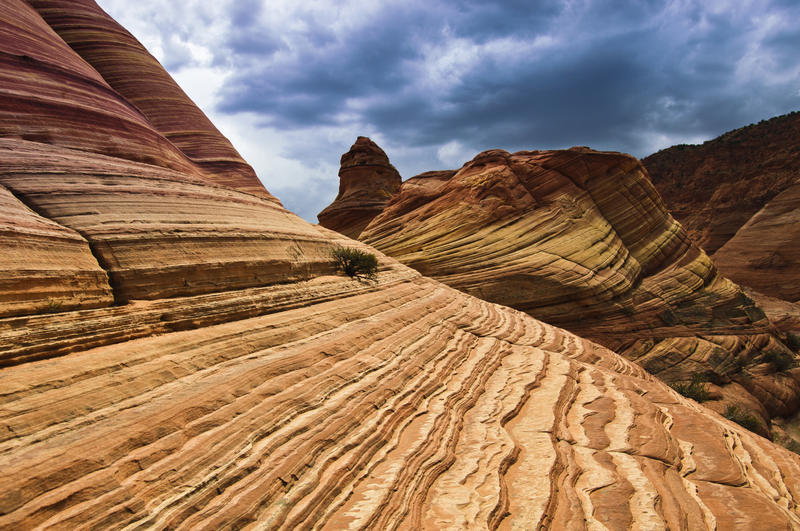 The WaveCoyote Buttes North · Arizona / UtahPermitLotterybrutal odds
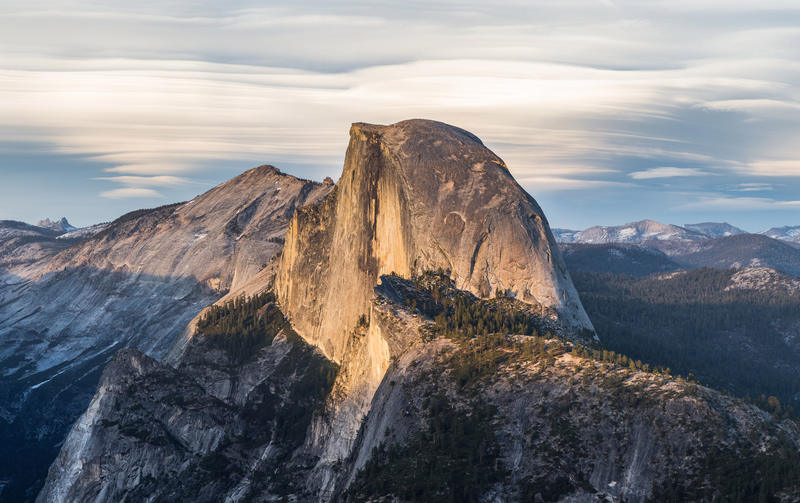 Half Dome CablesYosemite NP · CaliforniaPermitOpens Mar 1fair odds
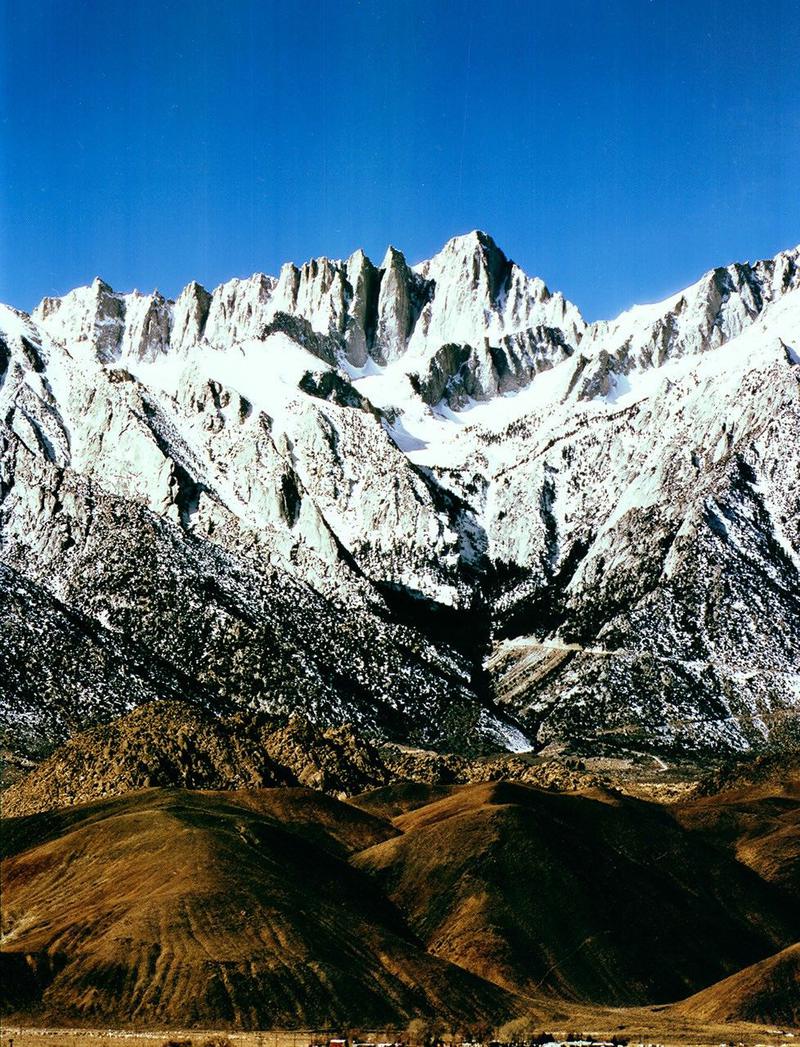 Mt. WhitneyInyo NF · CaliforniaPermitOpens Feb 1tough odds
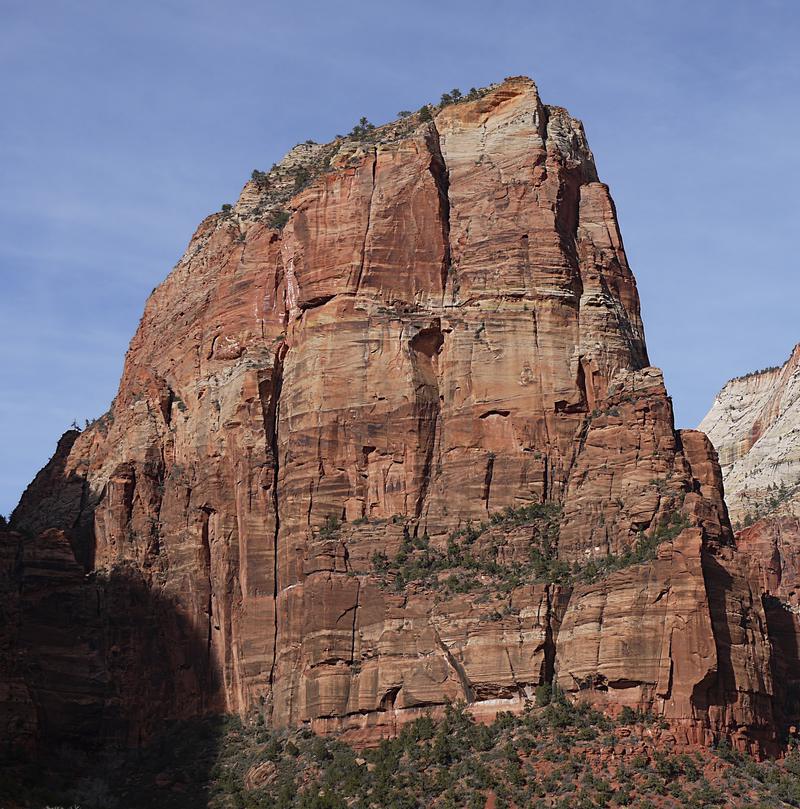 Angels LandingZion NP · UtahPermitLotterytough odds
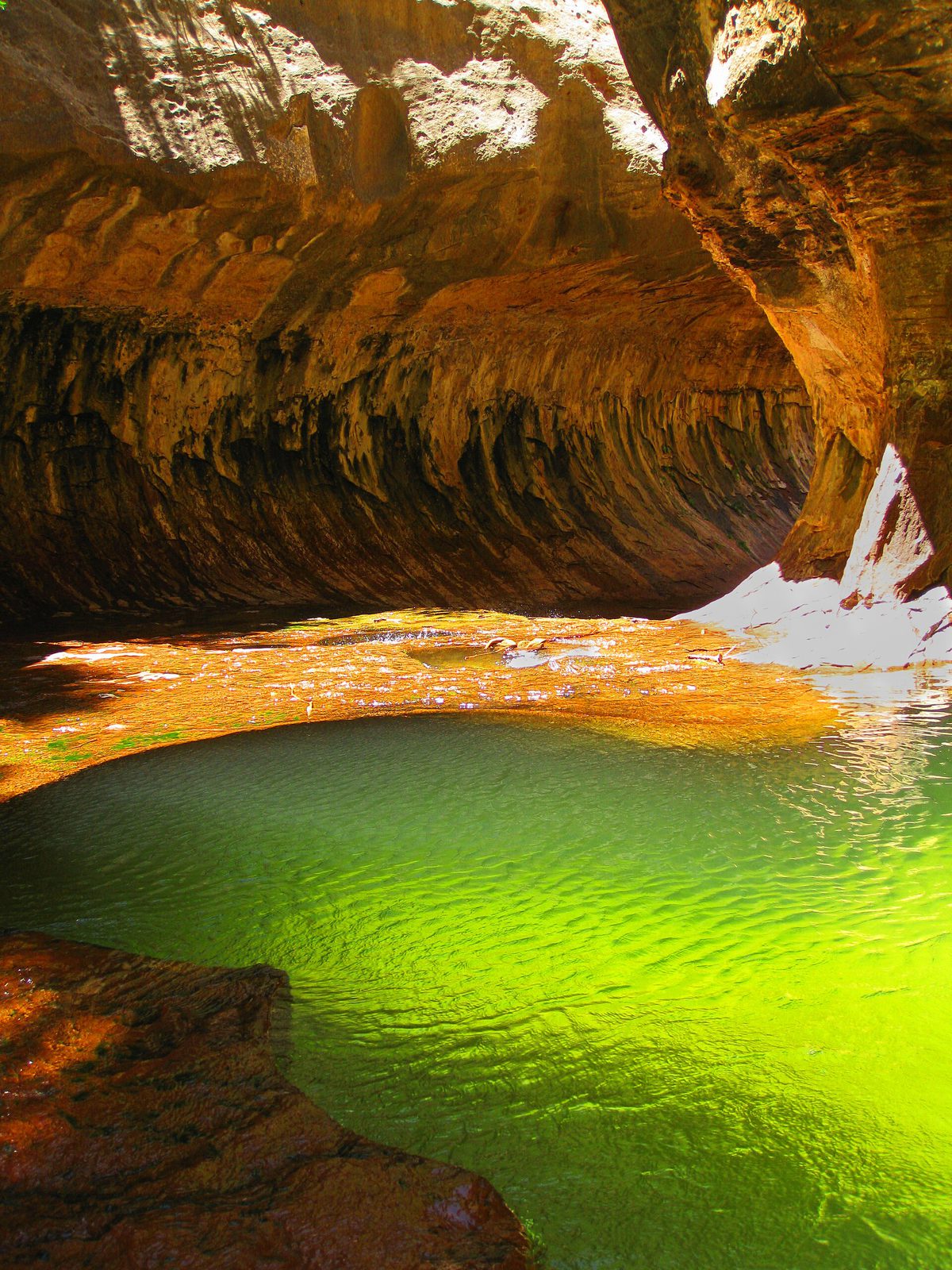 The SubwayZion NP · UtahPermitLotterytough odds
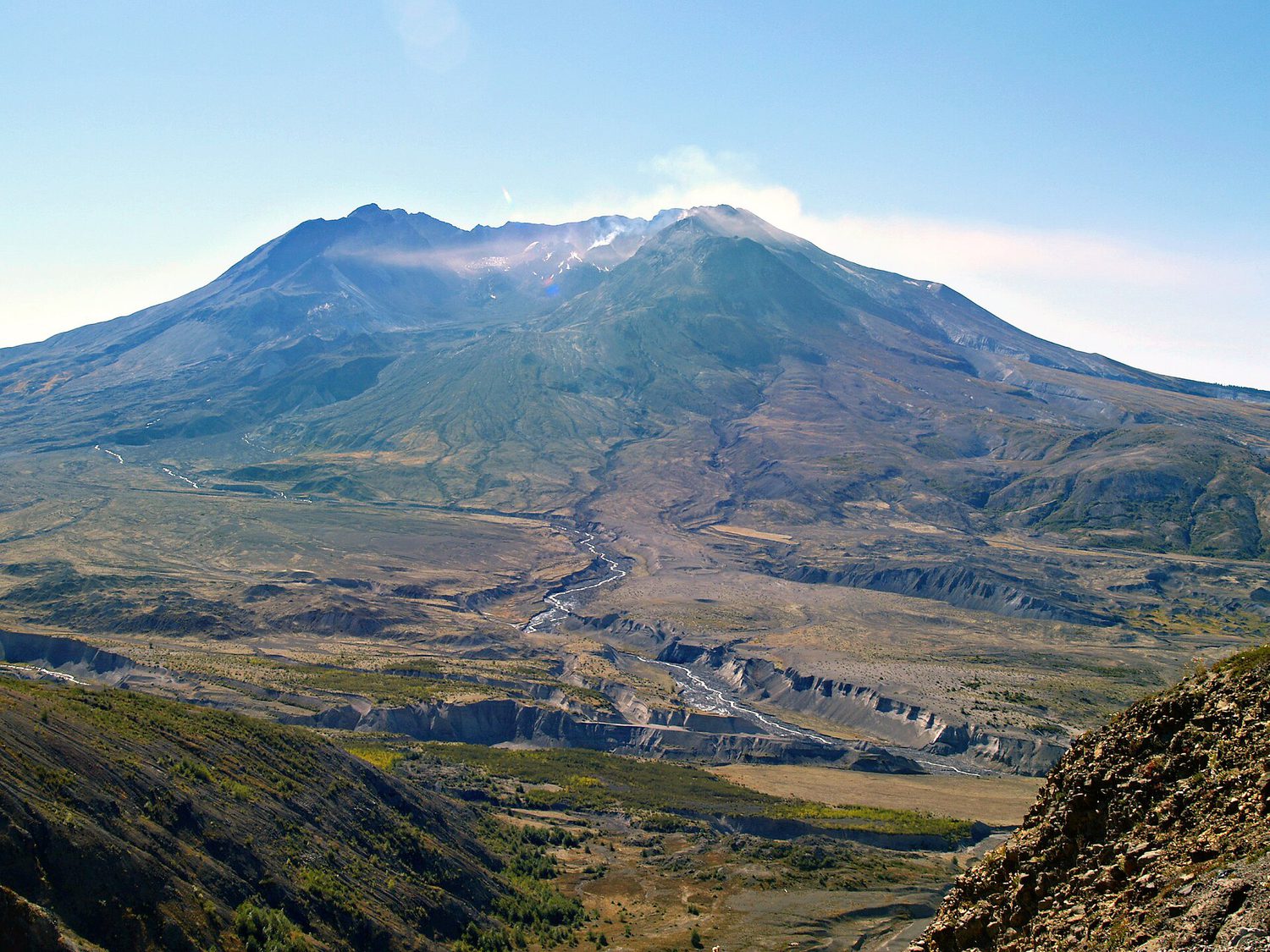 Mount St. Helens Summit ClimbGifford Pinchot NF · WashingtonPermitReservationtough odds
How it works
- An email the morning each window opens, never the day after.
- A 14-day heads-up so you can line up your group and dates.
- Win odds and a ranked backup plan for every trail you pick.
Didn't win? We keep watching. We check recreation.gov every day for The Enchantments, Half Dome and Angels Landing, and email you the moment a sold-out date frees up. Cancellations are the second chance most people never hear about.