Gulf Islands National Seashore Map
A Ship Island ferry day plus a night on the bayou, from the Mississippi coast.
3-day Gulf Islands National Seashore weekend from the Mississippi coast. Ferry to Ship Island for Fort Massachusetts and a white-sand Gulf beach, then camp under the live oaks at Davis Bayou and wander the bayou boardwalks and the town of Ocean Springs.
“I’ve requested to book a Chain Lakes Loop guide on ExplorOFF, and it was the best idea ever! I highly recommend going with their guided option since you get a real human connection on the trail and don’t have to worry about a thing. Yulia was great to talk to!”
 13 stops on a real mapEvery stop pinned in order→
Gulf Islands: every stop pinned in order.
Ship Island & Davis Bayou · Mississippi coast
Every stop on this trip, in order, opens as one driving route in the Google Maps app. No copying addresses across one at a time.
Gulf Islands in photos: 1 of the stops.
Plan and book your 3 days in Gulf Islands, one step at a time
- The Ship Island ferry is on its fall schedule until November 1, 2026: Wednesday to Friday at 9 a.m. (back 2:30 p.m.), weekends at 9 a.m. and noon (back 2:30 or 5 p.m.). It does not run Mondays or Tuesdays, and after November 1 the next season starts in mid-March. Source
- Fort Massachusetts is open Wednesday to Sunday in October, 10:15 a.m. to 2:15 p.m., and the island's restrooms and concession close for the winter from November 1. Source
How 3 days in Gulf Islands split up
Plan 3 days for Gulf Islands. Island: Ship Island. Access: Ferry. Permits: None. For a 3-day weekend at Gulf Islands National Seashore, start in Gulfport, Mississippi. Day one is the passenger ferry to Ship Island (West Ship Island) for historic Fort Massachusetts and a swim off a white-sand Gulf beach. Day two moves 35 minutes east to the seashore's Davis Bayou Area in Ocean Springs, with its visitor center, marsh boardwalks and Davis Bayou Campground, where you camp that night.
Day 1: Ferry to Ship Island & Fort Massachusetts
5 stops · Day one
Day 2: Davis Bayou, Ocean Springs & a Night at Camp
5 stops · Day two
Day 3: Bayou Sunrise, Biloxi Lighthouse & Gulf Seafood
3 stops · Day three
Ferry to Ship Island & Fort Massachusetts
Your weekend begins with the Ship Island Excursions ferry from Jones Park in Gulfport, a roughly one-hour, 11-mile crossing of the Mississippi Sound with a good chance of dolphins alongside the boat. Ship Island is the only Mississippi barrier island reached by a public ferry, and the 9 a.m. boat gives you the longest day on the sand.
Not the order you want? Drag a stop, or use the arrows beside it. Stops move between days too.
- Drive from
~15 min from GPT airport · free parking · DriveThe Ship Island Excursions ferry leaves from Jones Park, 1022 23rd Avenue in Gulfport. Gulfport-Biloxi International Airport (GPT) is about 15 minutes away and parking at Jones Park is free. Arrive early to park and board the 9 a.m. boat.
- Ship Island Excursions ferry to Ship Island
~1 hr each way · $48 adult round trip · mid-Mar to Nov 1 · activityBoard the Ship Island Excursions passenger ferry for a roughly one-hour, 10.7-mile crossing of the Mississippi Sound to Ship Island, the only Mississippi barrier island served by a public ferry. Watch for dolphins alongside the boat. In fall it runs Wednesday to Sunday until November 1: 9 a.m. out and 2:30 p.m. back on weekdays, plus a noon boat and a 5 p.m. return on weekends.
Book this → - Fort Massachusetts, Ship Island
1859–1866 brick fort · self-guided tours · ViewpointExplore Fort Massachusetts, a brick Third System coastal fortification completed in 1866, a short walk from the ferry dock. In October the fort is open Wednesday to Sunday, 10:15 a.m. to 2:15 p.m., with guided programs and a passport stamp; the NPS app has a self-guided tour.
Official info → - Swim & beachcomb the Ship Island beach
Day-use only · sunrise to sunset · HikeSpend the afternoon on Ship Island's clear, white-sand Gulf beach, swimming, shelling and watching shorebirds. Chairs and umbrellas can be rented at the swim beach. The island is day-use only, so plan around the 2:30 p.m. (or weekend 5 p.m.) return ferry.
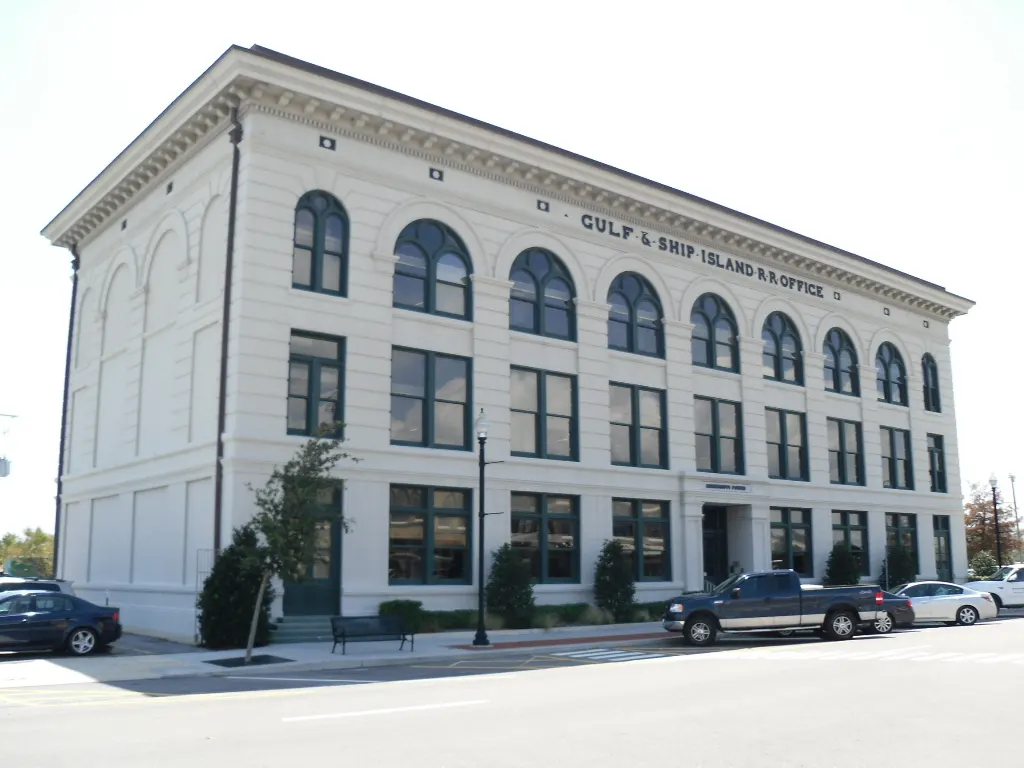 Shocking Blue / CC BY-SA 3.0Stay in Gulfport
Night 1 · a room near the ferry harbor · lodgeShip Island is day-use only, so tonight is a room in Gulfport, minutes from the ferry dock. Tomorrow you move 35 minutes east to camp at Davis Bayou. If you would rather camp both nights, Davis Bayou works for tonight too.
Davis Bayou, Ocean Springs & a Night at Camp
Drive about 35 minutes east to the seashore's Davis Bayou Area in Ocean Springs. Start at the William M. Colmer Visitor Center (exhibits, a park film and an observation deck over the marsh), then walk the trails and boardwalks through live oaks, pines and salt marsh, watching for herons, egrets and ospreys.
Not the order you want? Drag a stop, or use the arrows beside it. Stops move between days too.
- Drive to the Davis Bayou Area, Ocean Springs
~35 min from Gulfport · no entrance fee · DriveDrive about 35 minutes east on US 90 to the Davis Bayou Area of the national seashore, at the corner of US 90 and Park Road, three miles east of downtown Ocean Springs. The area gate is open 8 a.m. to sunset year-round.
Official info → - William M. Colmer Visitor Center
Exhibits, park film & marsh observation deck · ViewpointThe seashore's Mississippi visitor center has exhibits on the barrier islands, a park film, passport stamps and an observation deck over the marsh. Open 9 a.m. to 4 p.m.
- Davis Bayou trails & marsh boardwalks
Live oaks, pines & salt marsh · easy · HikeWalk the Davis Bayou trails and boardwalks through live oaks, pines and salt marsh, looking out over the bayous for herons, egrets and ospreys. Swimming is not allowed anywhere in Davis Bayou.
- Downtown Ocean Springs
Galleries, cafés & live oaks · 12 min from camp · ViewpointSpend the afternoon in Ocean Springs, a walkable art town of galleries, cafés and oak-shaded streets, 12 minutes from the campground. Pick up dinner and ice here: there are no stores or concessions in the Davis Bayou Area.
- Camp at Davis Bayou Campground
Night 2 · $22 a night · water, electric & showers · lodgeThe seashore's own campground sits under live oaks and pines beside a salt marsh: 52 sites with water and electric hookups, flush toilets, showers and drinking water, $22 a night on Recreation.gov. Check-in is 1 p.m.; the office is open 8 a.m. to 4 p.m., and the campground host is on site 3 after hours.
Bayou Sunrise, Biloxi Lighthouse & Gulf Seafood
Wake for sunrise over the marsh from the Davis Bayou fishing pier, then break camp before the 11 a.m. checkout. Drive 20 minutes west along the beach road to the Biloxi Lighthouse, the 1848 cast-iron tower that stands in the middle of US 90.
Not the order you want? Drag a stop, or use the arrows beside it. Stops move between days too.
- Sunrise on the Davis Bayou fishing pier
Marsh birds at first light · checkout 11 a.m. · ViewpointWalk down to the Davis Bayou fishing pier near the visitor center for sunrise over the marsh, then break camp before the 11 a.m. checkout. Fishing from the pier needs a Mississippi license.
- Biloxi Lighthouse
1848 cast-iron tower on US 90 · ~20 min from camp · ViewpointDrive about 20 minutes west to the Biloxi Lighthouse, the 1848 cast-iron tower that stands in the median of US 90 facing the beach. Check tour days and times with the City of Biloxi; the tower is worth the stop from the road either way.
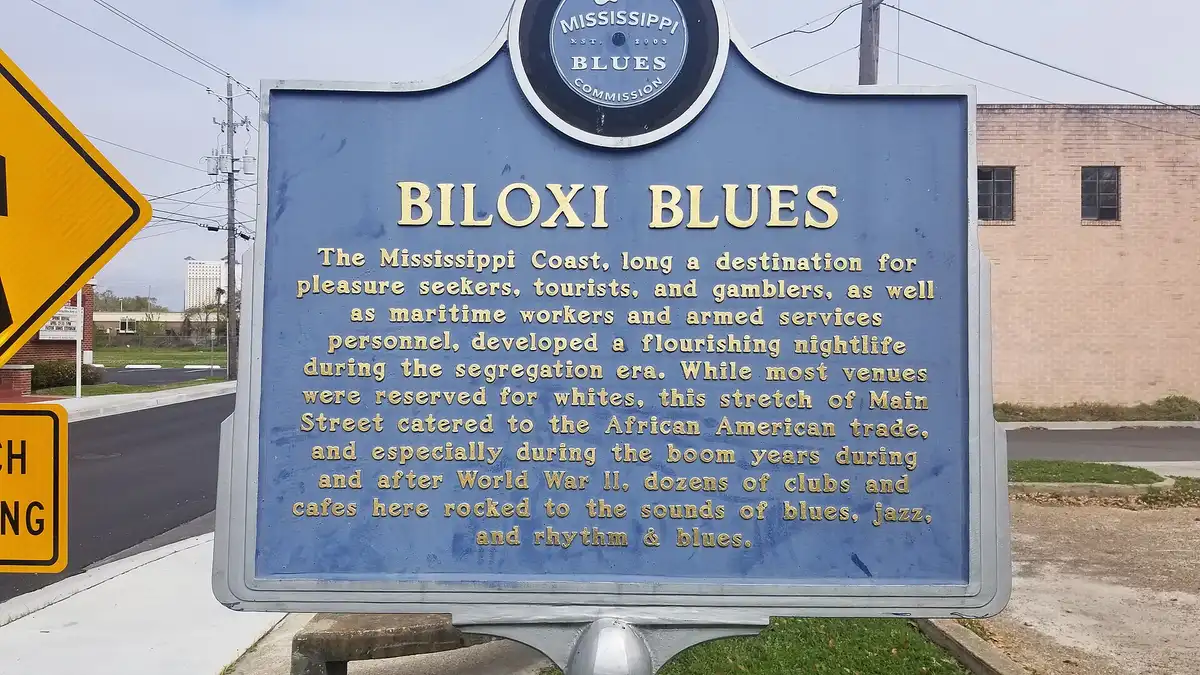 Firecruise / CC BY-SA 4.0Fresh seafood in Biloxi
Gulf shrimp & oysters · ~25 min to GPT airport · activityReward the weekend with fresh Gulf seafood, shrimp, oysters and grouper, at a waterfront spot in Biloxi before you head home. Gulfport-Biloxi International Airport is about 25 minutes away.
Book the 2 nights
Beds near the trailheads are the one thing on this trip that genuinely runs out. Everything else can be decided later.
Tell us your dates and we will do the checking. We find what is still open near each trailhead and email you this plan back with a booking link for each night. Nothing is charged and you decide at the end.
Request to bookWhat to pack for Gulf Islands
Built from this route, not a generic list. Every line says why it is here.
On every day of this trip
On your feet
Because you are sleeping out 1 night
For the 1 night under a roof
For the driving days
Essential barrier-island rules & planning.
The ferry sets the schedule
Ship Island is reached by the Ship Island Excursions passenger ferry from Jones Park, Gulfport, mid-March to November 1. In spring and fall it runs Wednesday to Sunday only (9 a.m. on weekdays, 9 a.m. and noon on weekends), daily in summer. Adults $48, children 3–12 $38, seniors and military $44. Parking at Jones Park is free.
Davis Bayou Campground
52 sites with water and electric hookups, showers, flush toilets and a dump station, $22 a night on Recreation.gov. Check-in 1 p.m., checkout 11 a.m.; the office is open 8 a.m. to 4 p.m. Tents are welcome, but every wheel must stay on the pavement.
Horn Island, only if you have a boat
Horn and Petit Bois are wilderness islands with primitive beach camping, but they have no ferry. Go only with your own seaworthy boat or a private charter: the park keeps a list of park-approved boat operators (228-875-9057, ext. 114). There is no staff, drinking water, shelter or phone signal on the island. Groups of 10 or more need a wilderness camping permit. Fires are allowed only below the mean high-tide line with firewood you bring; no glass, no pets, no wheeled carts.
Insects & sun are serious
Mosquitoes and sand flies can be brutal at dawn, dusk and after rain, especially around the marsh. Bring strong DEET or picaridin repellent and long sleeves, plus sunscreen, a wide-brim hat and your own shade for the exposed Ship Island beach.
Fees & permits
No permit is needed for this plan. The Mississippi areas of the seashore charge no entrance fee (entrance fees apply only at the Florida areas); you pay for the ferry and the campsite.
When to go & getting there
April–May and September–October have the mildest heat and humidity. Summer is hot, humid and stormy, and hurricane season runs June to November. Gulfport-Biloxi International Airport (GPT) is about 15 minutes from the ferry at Jones Park and 35 minutes from Davis Bayou.
Gulf Islands: questions before you go
Gulf Islands national seashore: the questions people ask most.
No. West Ship Island is day-use only, open sunrise to sunset, so overnight camping is not allowed. This plan camps on the mainland at Davis Bayou Campground in Ocean Springs, the seashore's own campground, about 35 minutes from the ferry.
The Ship Island Excursions passenger ferry leaves Jones Park in Gulfport, about an hour each way. It runs mid-March to November 1: daily in summer, and Wednesday to Sunday in spring and fall, with a 9 a.m. boat every operating day and a second at noon on weekends. Book online ahead for weekends.
The ferry is $48 for adults and $38 for children 3–12 (seniors and military $44). A Davis Bayou campsite is $22 a night. The Mississippi areas of the seashore charge no entrance fee, and no permit is needed for this plan.
Only if you have your own seaworthy boat or hire a private charter: Horn Island has no ferry. The park keeps a list of park-approved boat operators (228-875-9057, ext. 114). Primitive beach camping is allowed; groups of 10 or more need a wilderness camping permit. There is no staff, drinking water, shelter or phone signal, fires are allowed only below the mean high-tide line with firewood you bring, and glass, pets and wheeled carts are not allowed.
April–May and September–October are ideal, with milder temperatures and lower humidity. Summer (June–August) is very hot, humid and stormy with heavy mosquitoes. The Ship Island ferry and the island's restrooms and concession stop on November 1 and return in mid-March.
Biting insects can be severe at dawn, dusk and after rain, so bring strong DEET or picaridin repellent and cover up. Stingrays often rest in the warm, shallow surf off Ship Island, so do the "stingray shuffle" when you wade in: slide your feet along the bottom rather than stepping, which nudges rays out of your path. Swim with a buddy and stay clear of the currents near the passes.
Yes. Tell us your dates and we check what is still open for the plan on this page, then send it back with a booking link for each night and the total. Nothing is charged and nothing is held, and you pay the normal rate.
Pick how you want to go.
Same 3-day route. Same 9 stops.
- 2 nights, Davis Bayou Campground, Ocean Springs
- $44
- Ship Island ferry, round-trip boat from Gulfport
- $96
- Rental car, 3 days
- $180
- Gas, about 34 miles
- $10
- 2 nights, rooms in Gulfport and Biloxi
- from $220
- Ship Island ferry, round-trip boat from Gulfport
- $96
- Rental car, 3 days
- $180
- Gas, about 34 miles
- $10
- A private local guide, rooms and campsites booked
- Included
- Airport pickup and every drive
- Included
- Park, permit and campsite fees paid
- Included
- All the gear and the trail meals
- Included
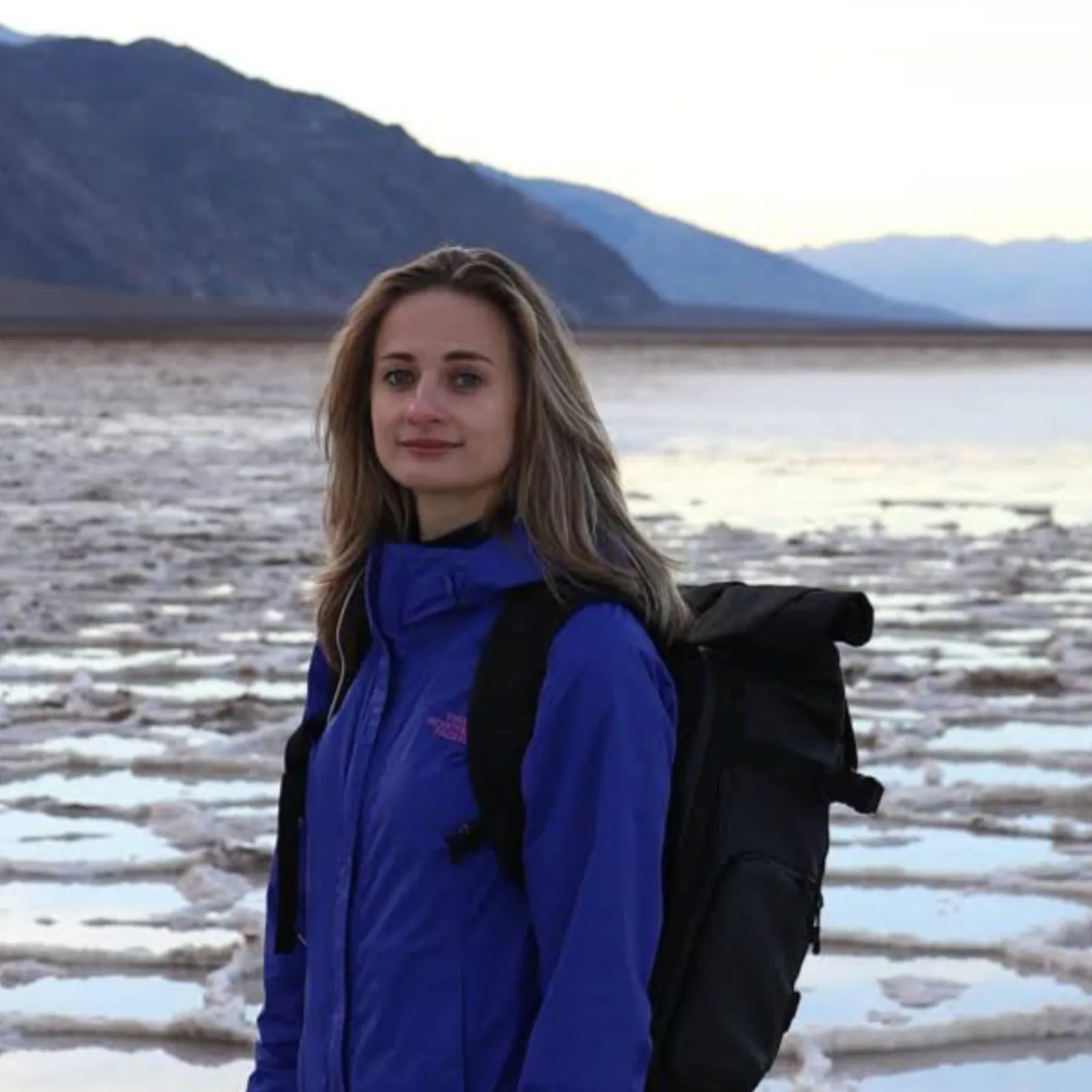
Written and walked by Yulia Vasilyeva · Co-founder · Lead planner and guide
Three years leading guided hikes in the Pacific Northwest, rated 5.0 by 20+ verified guests, and she builds every custom itinerary herself. Based in Seattle.
Last checked September 2026
You might also love these
Other itineraries near this one.
Black Creek Wilderness Mississippi: 6-Day Float & Backpacking Itinerary
A 6-day Black Creek Wilderness itinerary in Mississippi's De Soto National Forest: paddle the 21-mile Wild & Scenic float from Big Creek…

New Orleans Itinerary: 3 Days in the City and Swamp
City Park and the Couturie Forest, the Lafitte Greenway on a bike, and a free national park swamp full of alligators half an hour from…
Mississippi Outdoor Adventure: 10-Day Road Trip Itinerary
A 10-day Mississippi outdoor road trip: Black Creek Wild & Scenic River paddling, Ship Island barrier-island camping, Natchez Trace…
Guides for this tripDry Tortugas National Park Trip
What adventurers say about us.
All reviews are from verified guests. ★★★★★ 5.0 average from 20+ bookings.
"Felt like going out with a really knowledgeable friend who just happens to know everything about the area. No awkward tour-guide energy, just a magnificent day."
"Yulia is an incredible guide. She knew every trail, every viewpoint, and exactly how to pace the day for our group. The photos she took of us were stunning. 100% booking again."
"I was visiting Seattle solo and this was the best decision I made on the trip. Yulia picked me up, had snacks, and took us to a trail I never would have found on my own. Absolute must-do."
"We did this as a couple's trip and it was perfect. Yulia adapted everything to us, our pace, our interests, our photo obsession. The mountain views were unreal."
"Phenomenal experience. Yulia has deep local knowledge and a real passion for the outdoors. She went out of her way to show us the hidden gems tourists never see. Will remember this forever."
"I've done a few guided hikes and this was by far the best. Yulia is warm, funny, and genuinely expert. The trail she chose had the most insane wildflower bloom, we got so lucky."
Fees, reservation windows, shuttle dates and trail closures are planning estimates. Confirm hours, road status and any reservations with the land manager before you go.
What other travelers are saying
Be the first to leave a tip or question for the next traveler.
Was this helpful?
One tap. It goes straight to Yulia and Margarita.
You can't hike it if you can't get the permit.
The best hikes in America run on lotteries that open once a year and sell out in minutes. Every trail runs on its own calendar. Pick the ones you want and we do the watching.
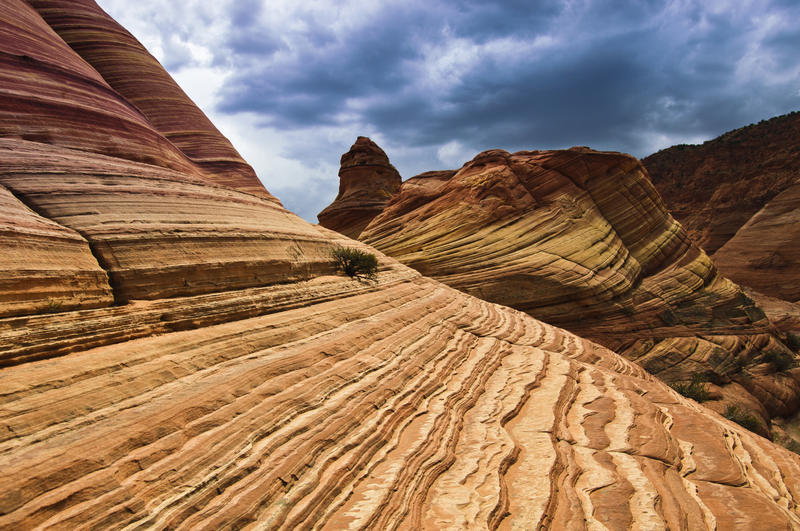 The WaveCoyote Buttes North · Arizona / UtahPermitLotterybrutal odds
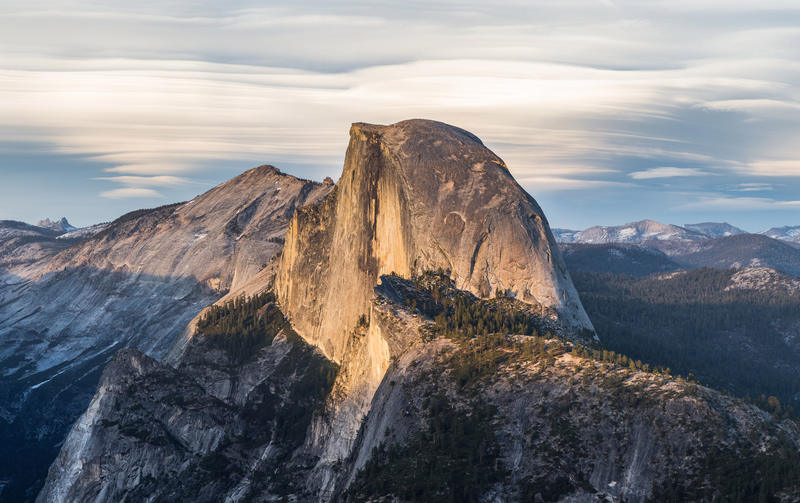 Half Dome CablesYosemite NP · CaliforniaPermitOpens Mar 1fair odds
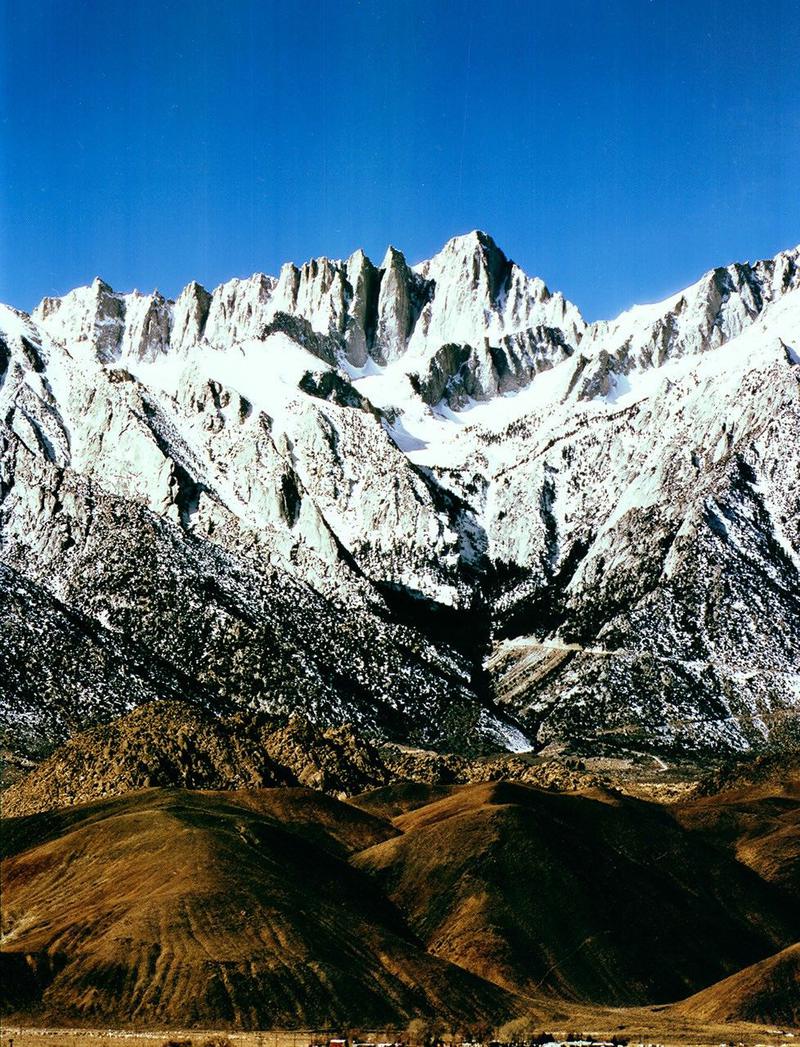 Mt. WhitneyInyo NF · CaliforniaPermitOpens Feb 1tough odds
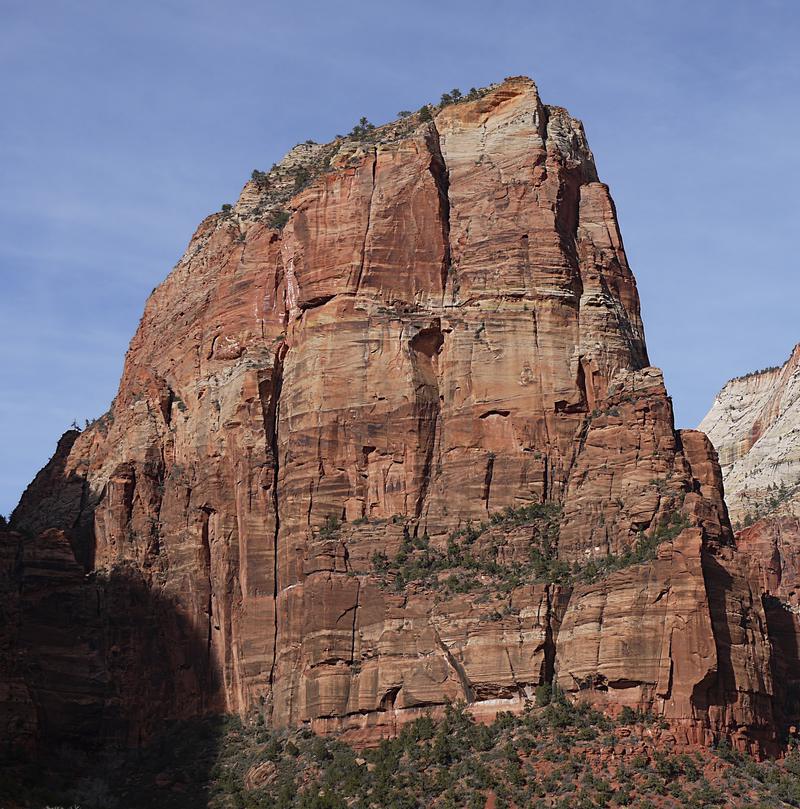 Angels LandingZion NP · UtahPermitLotterytough odds
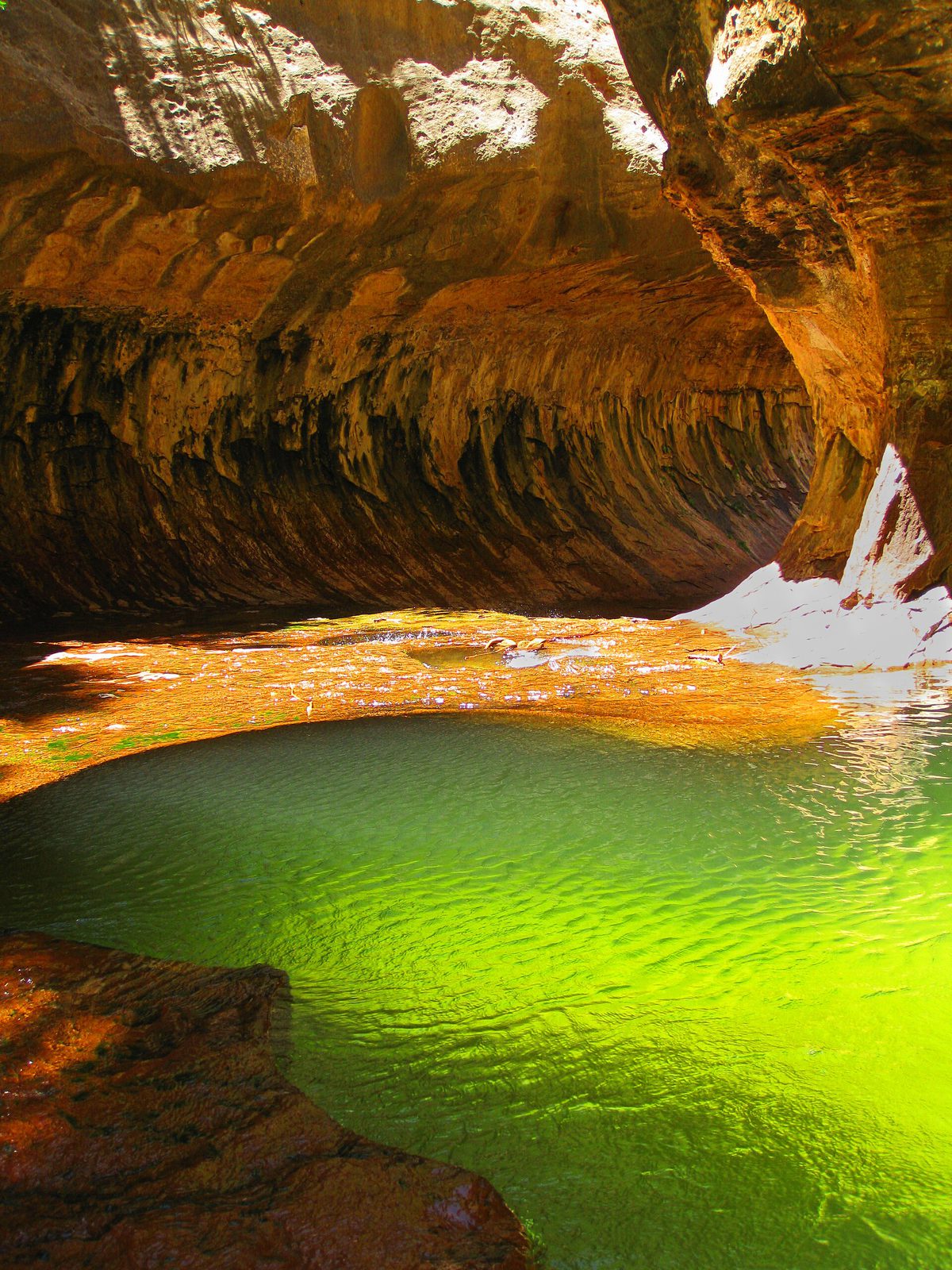 The SubwayZion NP · UtahPermitLotterytough odds
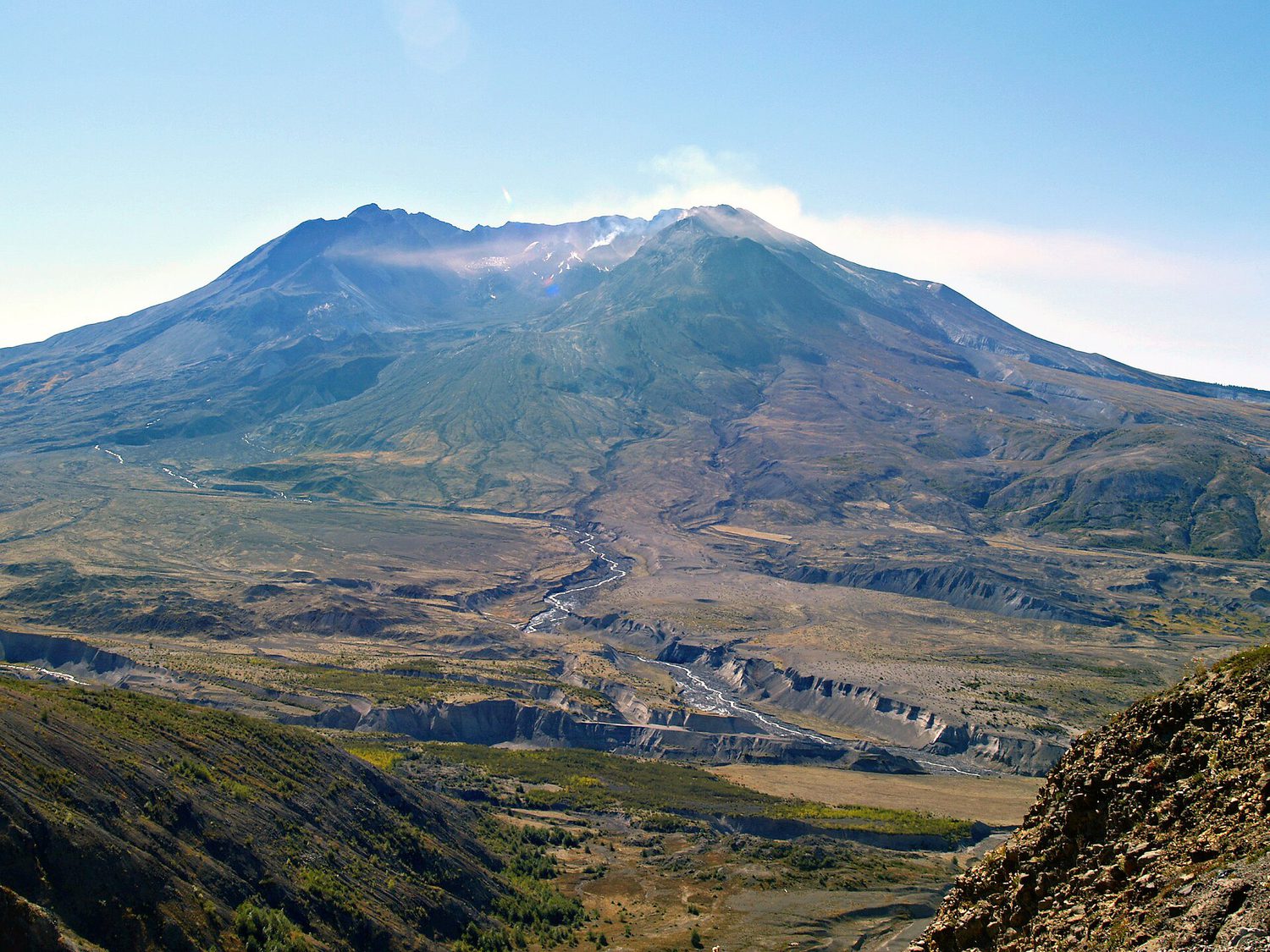 Mount St. Helens Summit ClimbGifford Pinchot NF · WashingtonPermitReservationtough odds
How it works
- An email the morning each window opens, never the day after.
- A 14-day heads-up so you can line up your group and dates.
- Win odds and a ranked backup plan for every trail you pick.
Didn't win? We keep watching. We check recreation.gov every day for The Enchantments, Half Dome and Angels Landing, and email you the moment a sold-out date frees up. Cancellations are the second chance most people never hear about.