Guadalupe Mountains Map + 5-Day Backpacking Itinerary
Summit the highest point in Texas, then traverse the high country.
5-day Guadalupe Mountains National Park backpacking itinerary. Summit Guadalupe Peak (8,751 ft, the highest point in Texas), camp in the high pine-and-fir country at Tejas, and descend through the lush riparian world of McKittrick Canyon, from a Pine Springs base.
“I’ve requested to book a Chain Lakes Loop guide on ExplorOFF, and it was the best idea ever! I highly recommend going with their guided option since you get a real human connection on the trail and don’t have to worry about a thing. Yulia was great to talk to!”
 13 stops on a real mapEvery stop pinned in order→
Guadalupe Mountains: every stop pinned in order.
Guadalupe Peak, Tejas & McKittrick Canyon · Texas
Every stop on this trip, in order, opens as one driving route in the Google Maps app. No copying addresses across one at a time.
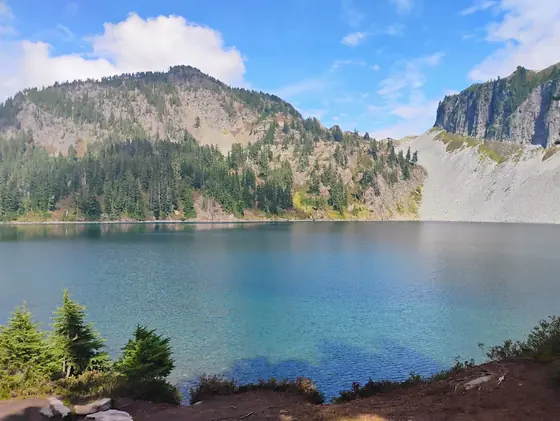
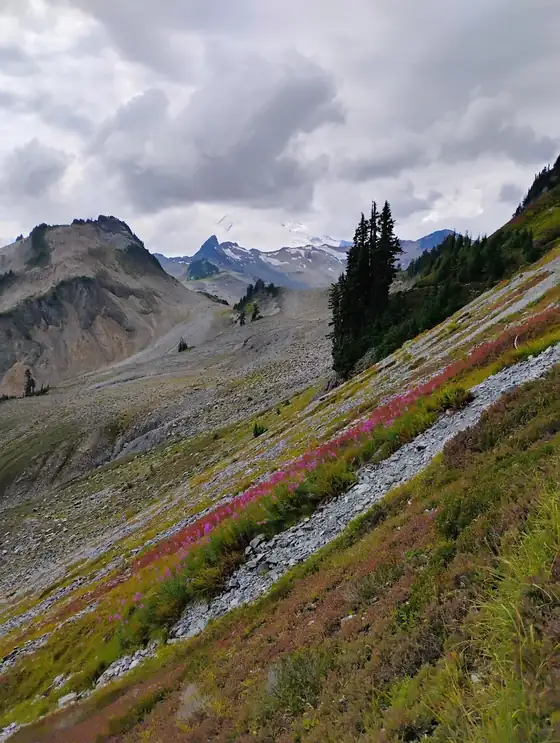
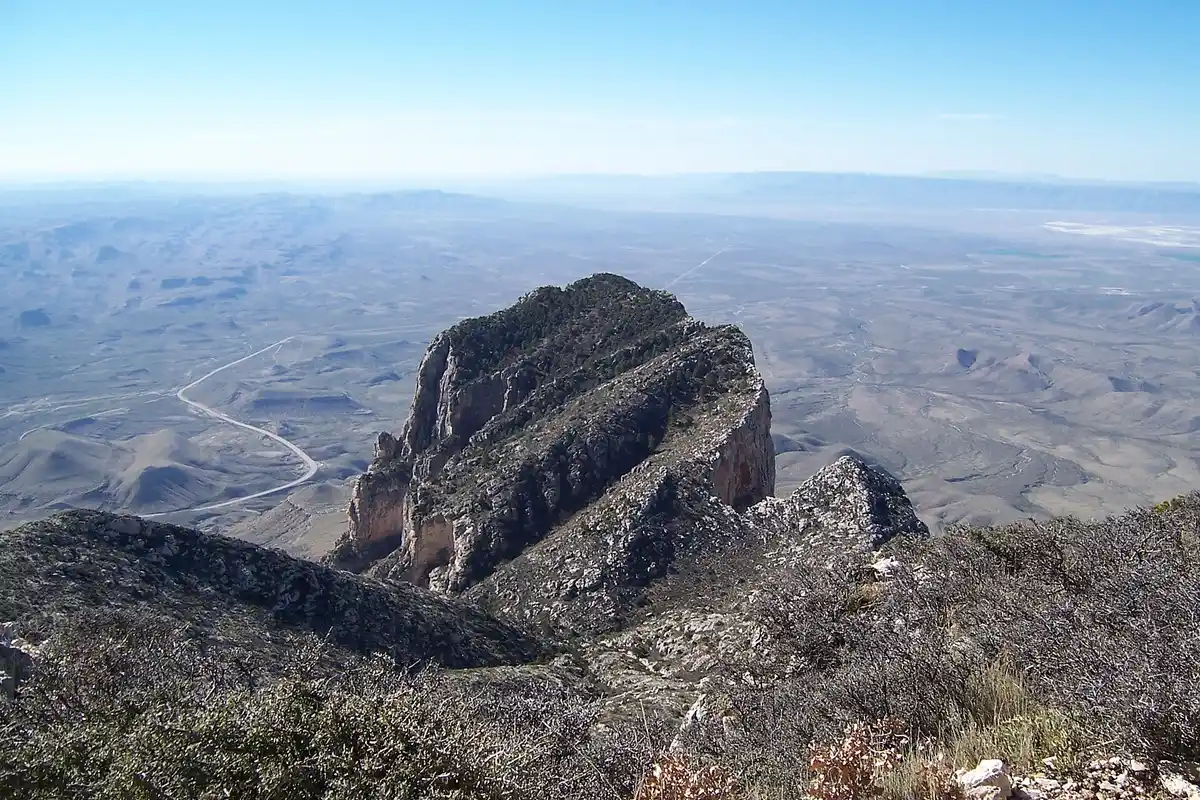
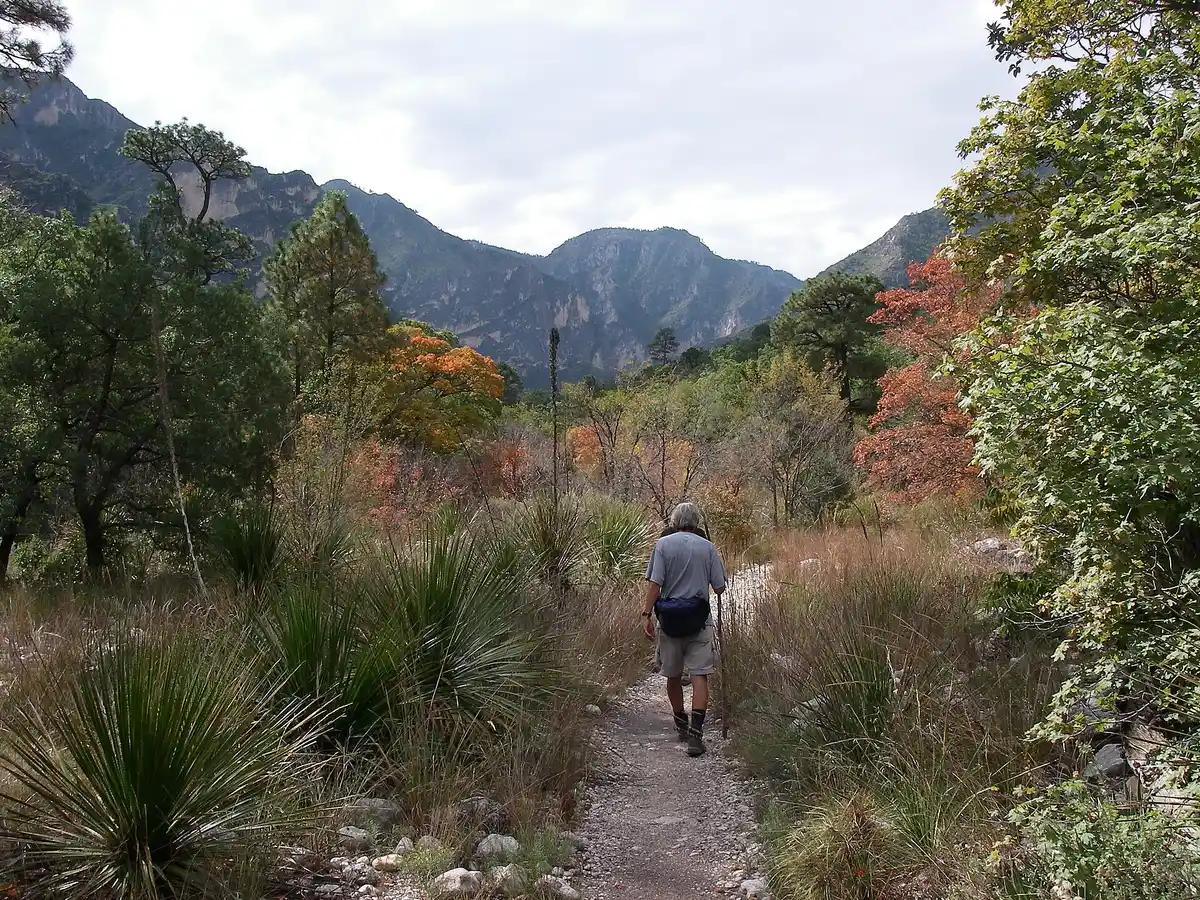
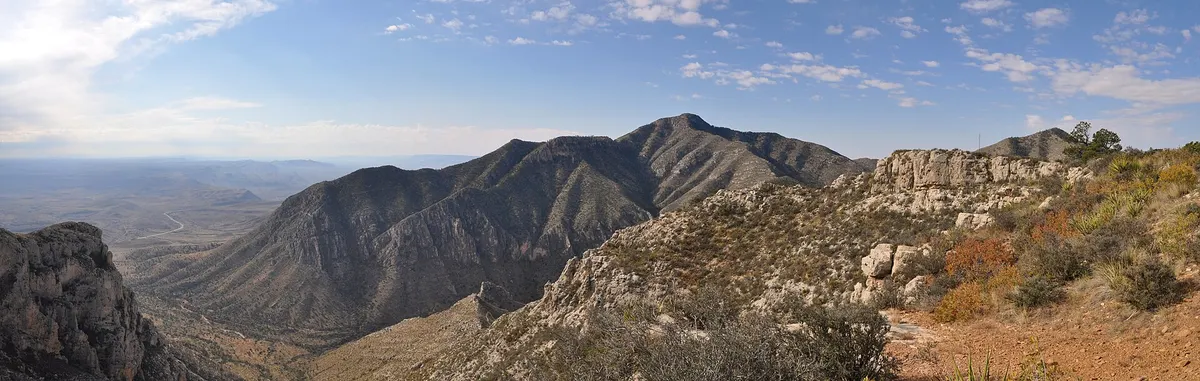
Guadalupe Mountains in photos: 4 of the stops.
Plan and book your 5 days in Guadalupe Mountains, one step at a time
How 5 days in Guadalupe Mountains split up
Plan 5 days for Guadalupe Mountains. Distance: ~31 miles. High point: 8,751 ft. Permits: Required. For a 5-day backpacking trip in Guadalupe Mountains National Park, base your logistics at the Pine Springs Visitor Center off US 62/180. This ~31-mile route climbs from the desert floor to Guadalupe Peak (8,751 ft), the highest point in Texas, then traverses the forested high country before dropping through the famous canyon country of McKittrick.
Day 1: Arrive, Permit & Camp at Pine Springs
3 stops · Day one
Day 2: Ascend to Guadalupe Peak Campground
3 stops · Day two
Day 3: Summit Guadalupe Peak, Descend to Tejas
3 stops · Day three
Day 4: Cross to McKittrick Ridge
2 stops · Day four
Day 5: Descend to McKittrick Canyon Trailhead
2 stops · Day five
Arrive, Permit & Camp at Pine Springs
Arrive at the Pine Springs Visitor Center, the main entry point for the park, pay the $10-per-person entrance fee, and pick up your wilderness use permit. Have your planned campgrounds ready, and top off every water bottle here, this is the last reliable water you will see for days.
Not the order you want? Drag a stop, or use the arrows beside it. Stops move between days too.
- Geoffrey J. King / CC BY-SA 3.0Drive from
~110 mi · ~2 hr to Pine Springs · car required · DriveEl Paso International Airport (ELP) is the nearest airport, about 2 hours and 110 miles from the Pine Springs Visitor Center on US 62/180. Nearest lodging is in Van Horn, TX (~1 hr) and Carlsbad / Whites City, NM (~45 min). No public transportation reaches the park, so a car is required.
- Pine Springs Visitor Center & permit
Entrance $10/person · wilderness permit pickup · ViewpointArrive at the Pine Springs Visitor Center, pay the $10-per-person entrance fee, and pick up your wilderness use permit. Reserve on recreation.gov up to three months ahead, but you must collect the permit in person by 3:30 PM Mountain, up to 48 hours before your trip. Top off all water here, this is the last reliable water for days.
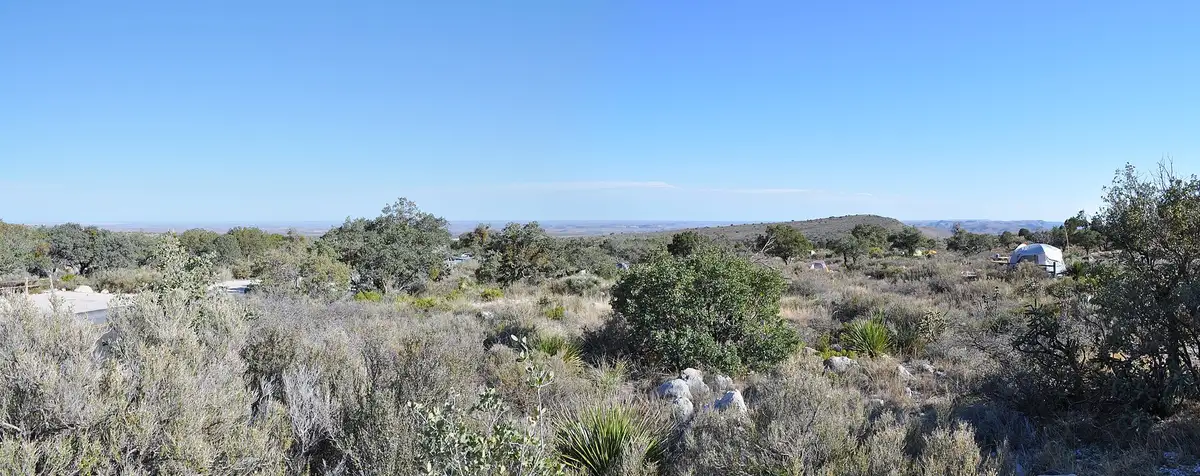 Fredlyfish4 / CC BY-SA 3.0Pine Springs Campground
Front-country base · potable water & restrooms · lodgeSpend the first night at the front-country Pine Springs Campground, a short walk from the visitor center. It has potable water, restrooms, and tent sites, so you can sort gear and cache water before heading into the true wilderness in the morning.
Ascend to Guadalupe Peak Campground
Leave Pine Springs on the Guadalupe Peak Trail and climb hard, roughly 2,000 ft of gain over 3 steep, switchbacking miles to the high Guadalupe Peak Campground. The trail is fully exposed to sun and wind, but the views open up fast over El Capitan and the Chihuahuan Desert far below.
Not the order you want? Drag a stop, or use the arrows beside it. Stops move between days too.
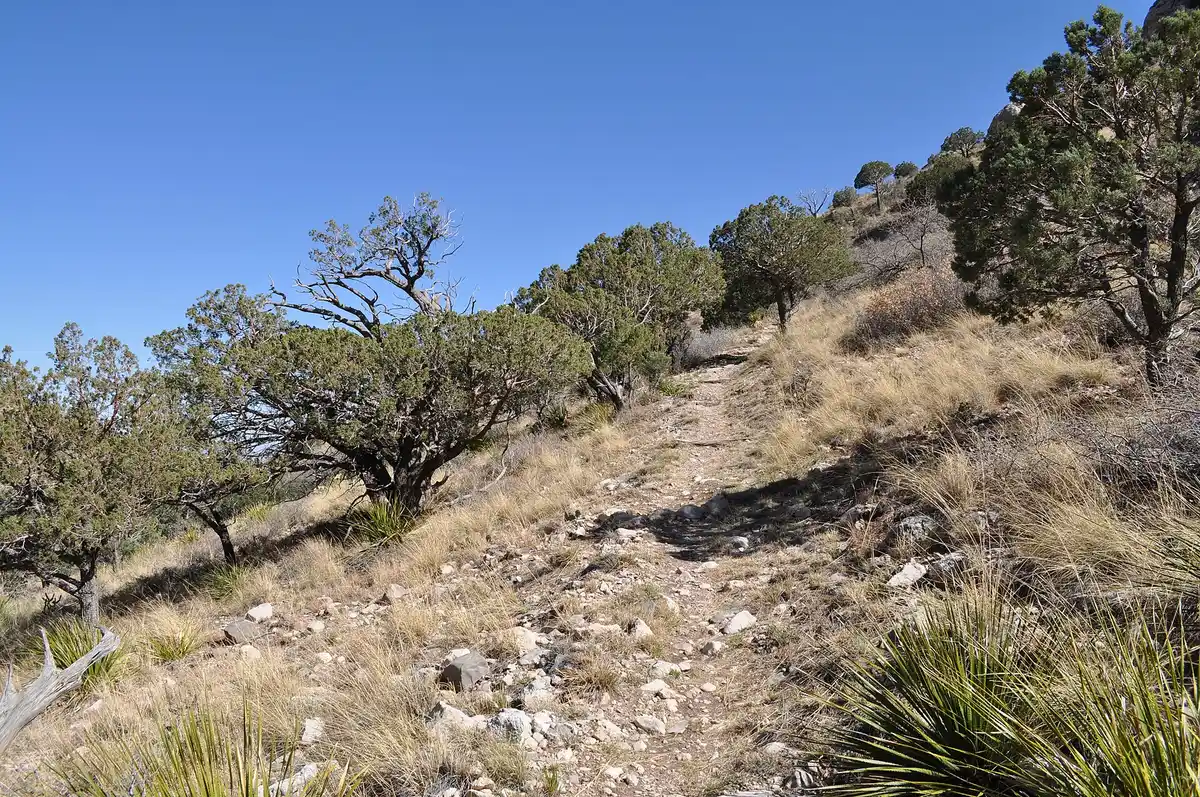 Fredlyfish4 / CC BY-SA 3.0Guadalupe Peak Trail to campground
~3.1 mi · ~2,000 ft gain · Strenuous · HikeLeave Pine Springs on the Guadalupe Peak Trail and climb hard, roughly 2,000 ft of gain over 3 steep, switchbacking miles. The trail is fully exposed to sun and wind, but the views open up fast over El Capitan and the Chihuahuan Desert far below. There is no water on the route.
See the trail →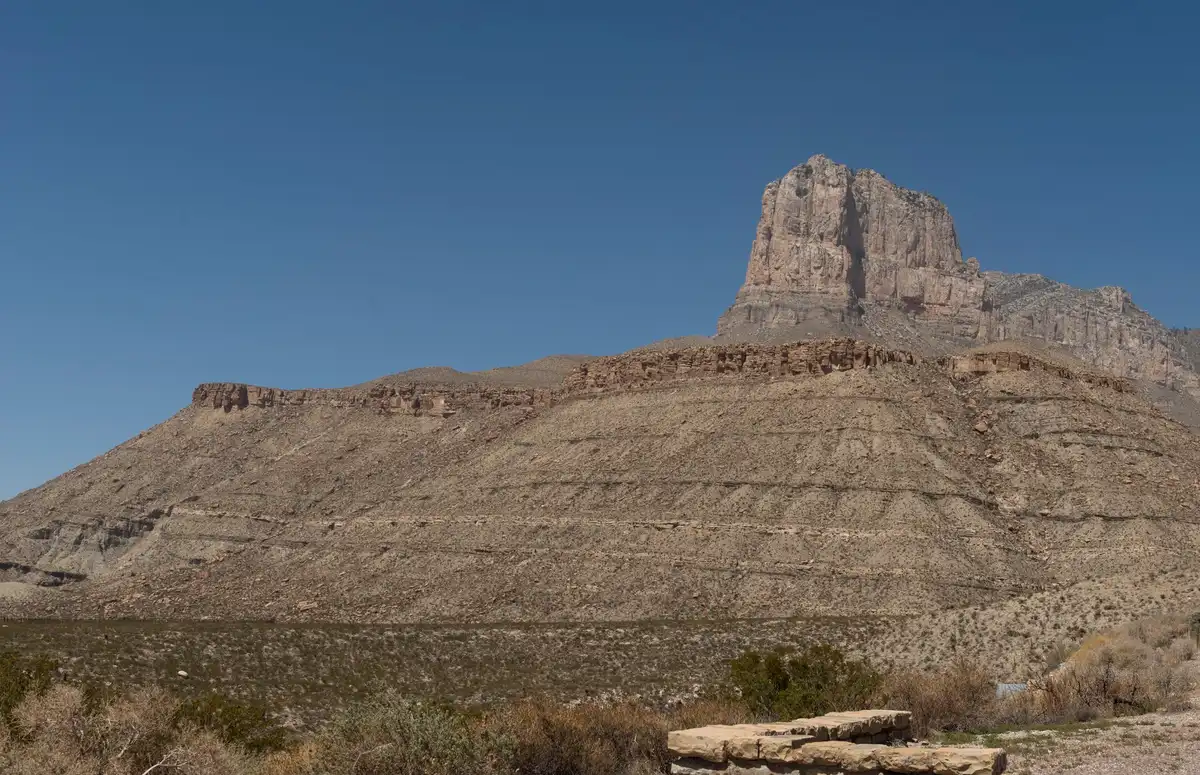 El Capitan viewpoint
The park's signature 8,085-ft limestone cliff · ViewpointEl Capitan is the park's signature landmark: an 8,085-ft limestone prow, the exposed edge of an ancient Permian reef, that drops sheer to the desert. It anchors nearly every view on the climb up Guadalupe Peak.
- Jrossz71 / CC BY-SA 3.0Guadalupe Peak Campground
~8,000 ft · primitive sites · vault toilet · no water · lodgeSet up at one of the few primitive sites at the high Guadalupe Peak Campground. There is a vault toilet but no water. Shelter from the wind and rest, tomorrow you make the short pre-dawn push to the summit of Texas.
Summit Guadalupe Peak, Descend to Tejas
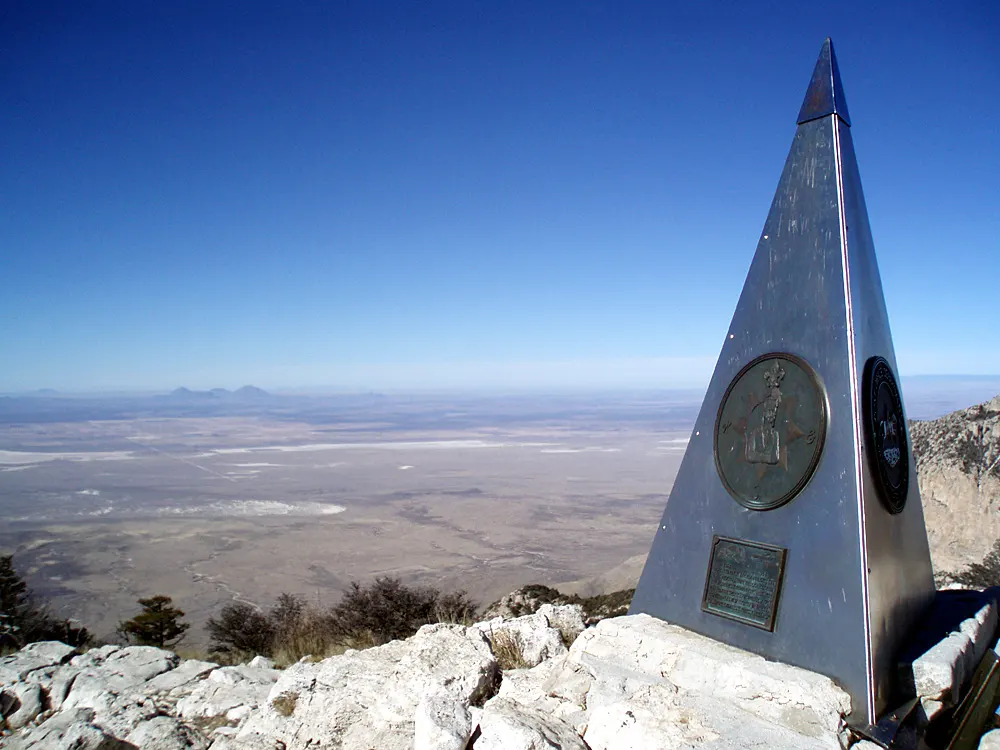
Make the short final push to the summit of Guadalupe Peak (8,751 ft), the highest point in Texas, marked by its stainless-steel pyramid monument. The 360-degree panorama sweeps across the desert, El Capitan, and the salt flats far below, and the wind up top can be ferocious.
Not the order you want? Drag a stop, or use the arrows beside it. Stops move between days too.
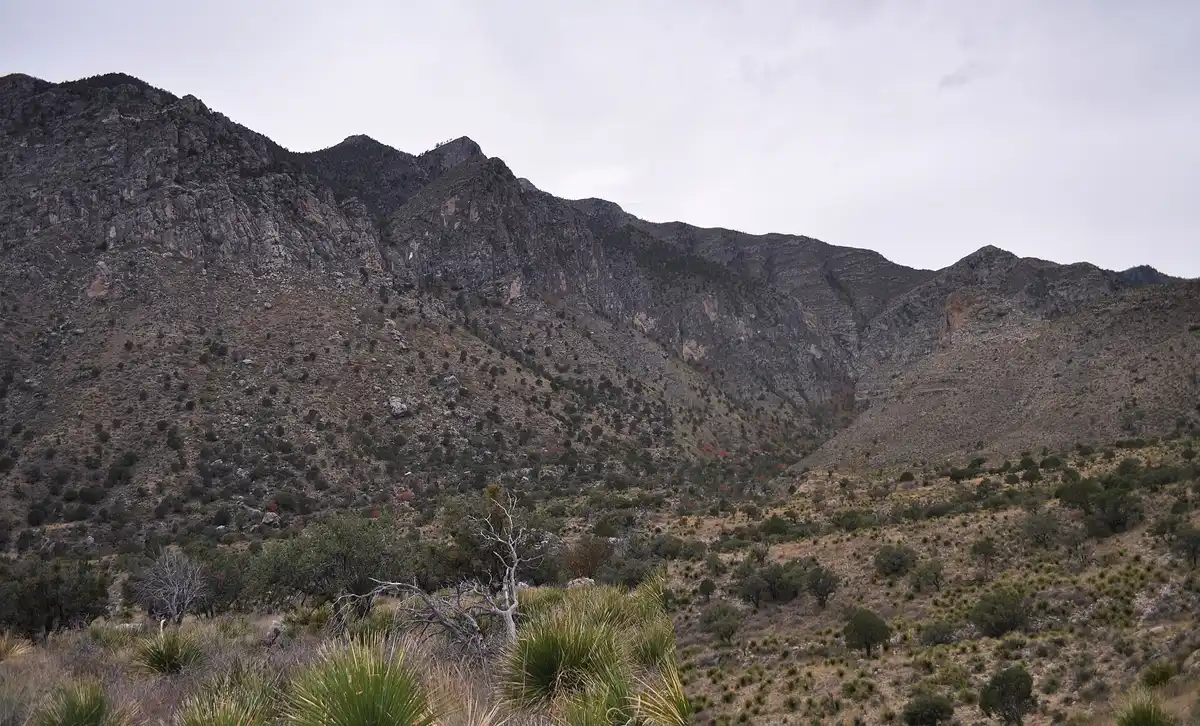 Fredlyfish4 / CC BY-SA 3.0Summit Guadalupe Peak (8,751 ft)
Highest point in Texas · 360° views · HikeMake the short final push to the summit of Guadalupe Peak (8,751 ft), the highest point in Texas, marked by its stainless-steel pyramid monument. The 360-degree panorama sweeps across the desert, El Capitan, and the salt flats far below. Summit early, the wind builds through the day.
Official info →- Tejas Trail to Tejas Campground
~7.3 mi · descend into pine and fir · HikeBack at camp, shoulder your pack and follow the Tejas Trail north, trading exposed ridges for the cooler pine-and-fir forest of the high country. Watch for mule deer as you drop into the shade.
See the trail → 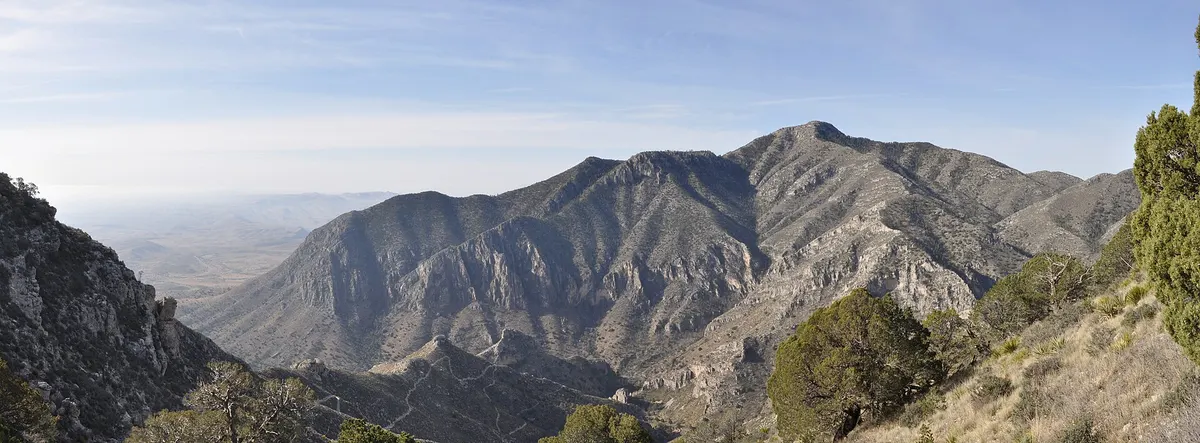 Fredlyfish4 / CC BY-SA 3.0Tejas Campground
~7,500 ft · 10 sites · sheltered basin · no water · lodgeCamp at Tejas Campground, a sheltered forested basin that serves as a hub for the park's high-country trails. It offers far more wind shelter than the exposed Guadalupe Peak Campground. There is a vault toilet but no water.
Cross to McKittrick Ridge
From Tejas, traverse the high country and drop toward the head of McKittrick Canyon, one of the most beautiful corners of the park, where a spring-fed stream supports maples, oaks, and a rare desert riparian forest that blazes with color in late fall.
Not the order you want? Drag a stop, or use the arrows beside it. Stops move between days too.
- Traverse toward McKittrick Canyon
~5 mi · varied terrain · into the canyon system · HikeFrom Tejas, traverse the high country and drop toward the head of McKittrick Canyon, one of the most beautiful corners of the park, where a spring-fed stream supports maples, oaks, and a rare desert riparian forest that blazes with color in late fall.
Official info → 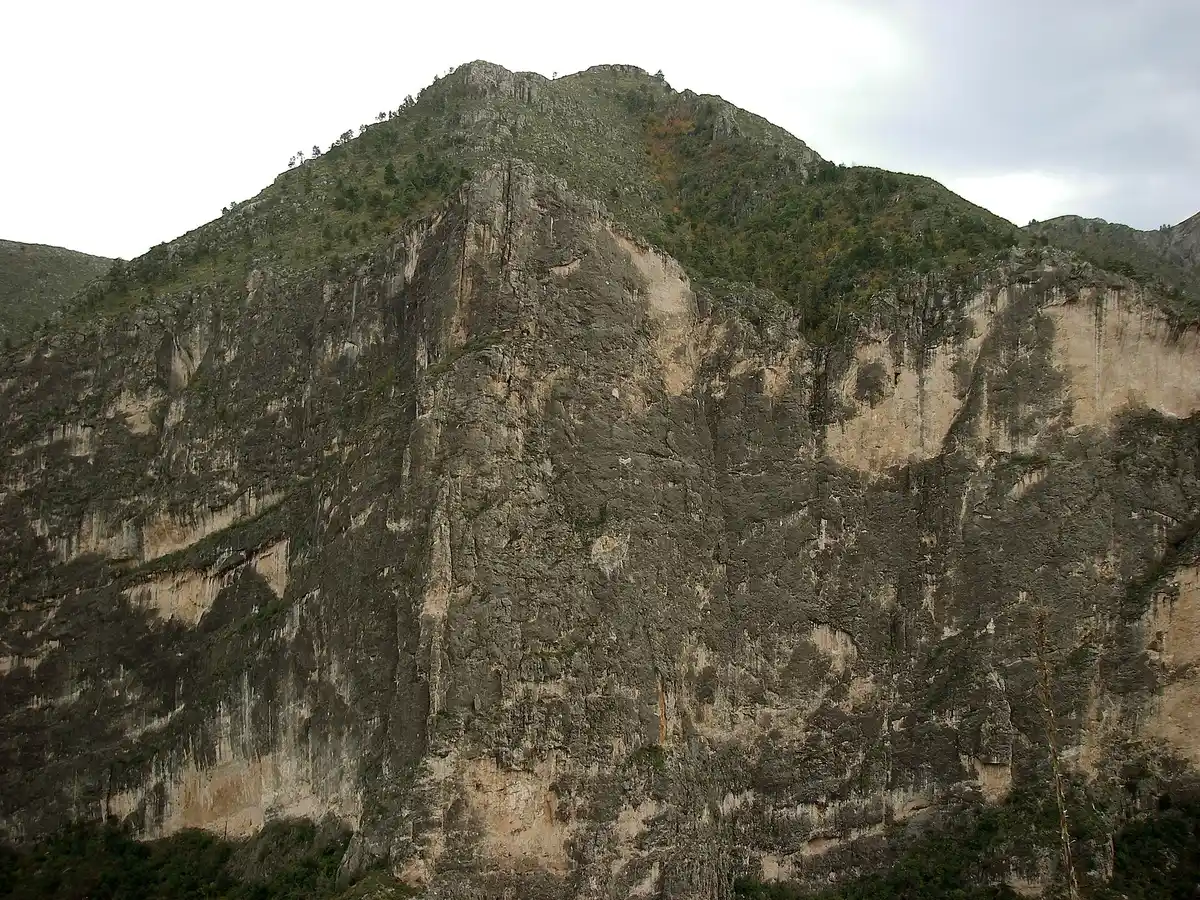 Leaflet / CC BY-SA 3.0McKittrick Ridge Campground
~7,000 ft · 4 sites · views toward New Mexico · no water · lodgeClimb the final steep pitch out to McKittrick Ridge Campground, an exposed, remote perch with long views toward New Mexico. It is a demanding day with real elevation change, so pace your water and your energy, and pick a sheltered tent spot for the wind.
Descend to McKittrick Canyon Trailhead
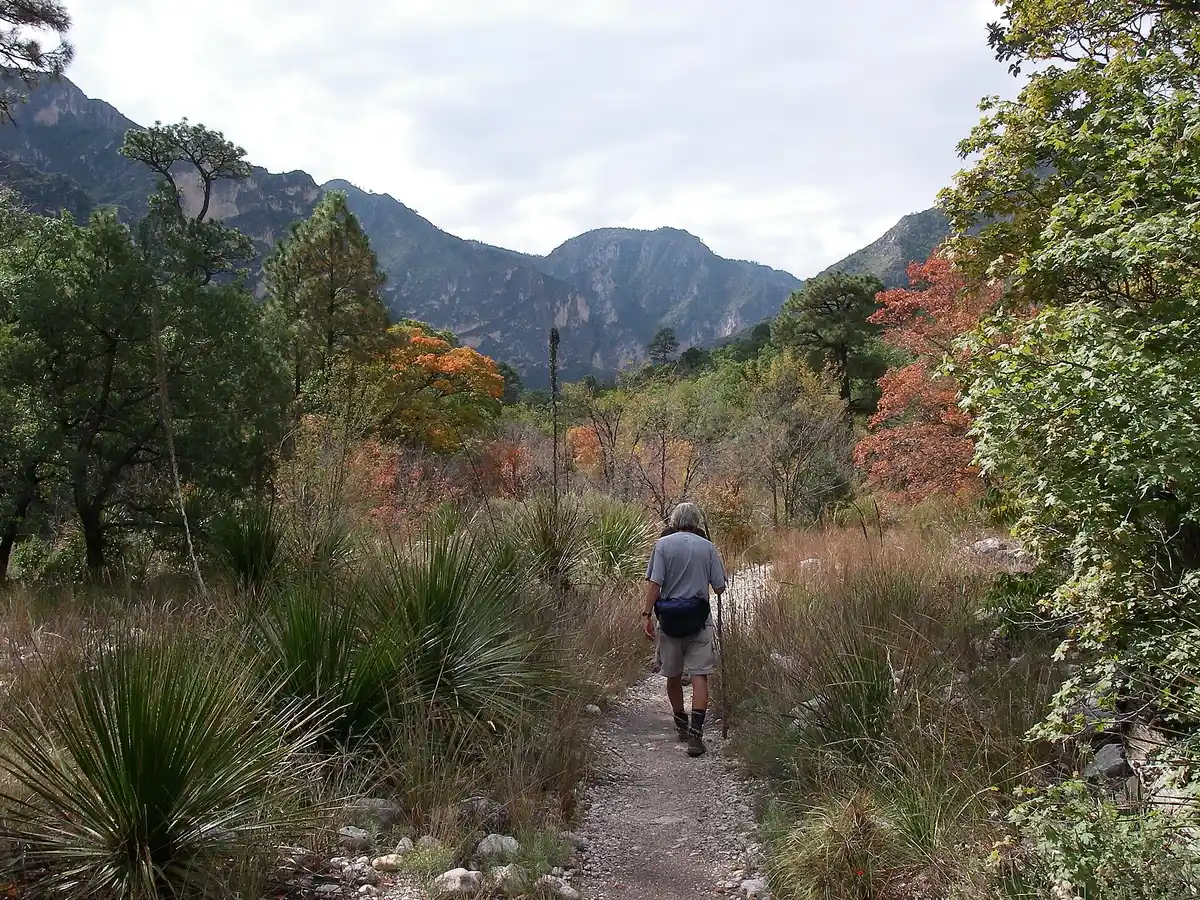
Your final day is a long, ~2,500-ft descent from McKittrick Ridge down through the canyon to the McKittrick Canyon Trailhead. The lower sections pass the historic Pratt Cabin and the Grotto and can be hot and exposed, so start early and savor the stream and the shade.
Not the order you want? Drag a stop, or use the arrows beside it. Stops move between days too.
 Leaflet / CC BY-SA 3.0Descend McKittrick Canyon Trail
~7.6 mi · ~2,500 ft descent · Pratt Cabin & the Grotto · HikeYour final day is a long, ~2,500-ft descent from McKittrick Ridge down through the canyon, past the historic Pratt Cabin and the Grotto, to the McKittrick Canyon Trailhead. The lower sections can be hot and exposed, so start early and savor the stream and the shade.
See the trail →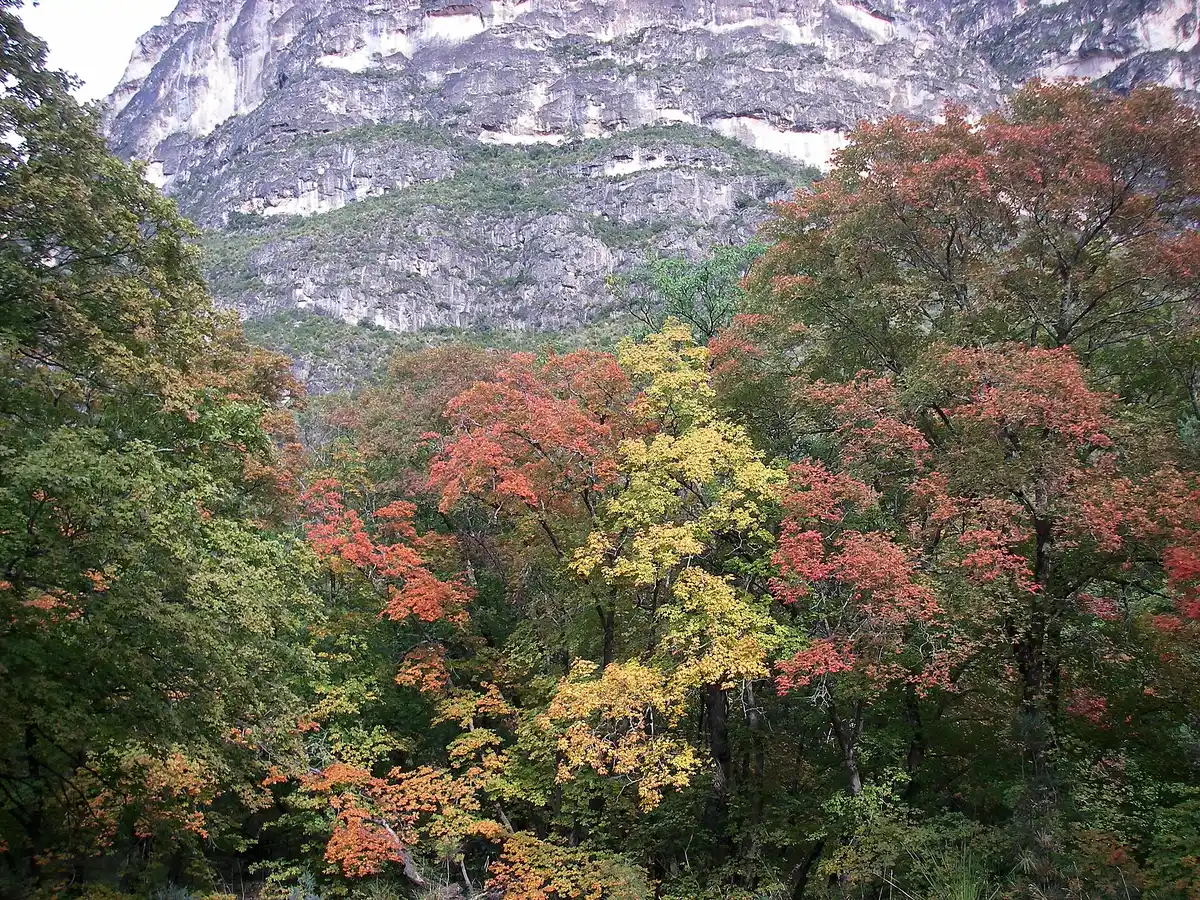 Leaflet / CC BY-SA 3.0McKittrick Canyon Trailhead & drive out
Separate trailhead · shuttle or spotted car needed · DriveThe trip ends at the McKittrick Canyon Trailhead, which is separate from Pine Springs, about a 20-minute drive away. Arrange a shuttle or spot a second car before your trip, and note the day-use gate closes around sunset. Wind down with a bed in Carlsbad / Whites City, NM (~45 min) or Van Horn, TX.
Sort where you sleep each night
Most nights on this trip are in a tent. Reserve any campsite the route needs, and the room either side of it if you want one.
Tell us your dates and we will do the calling: the rooms either side, and the guided days in between. Nothing is charged and you decide at the end.
Request to bookWhat to pack for Guadalupe Mountains
Built from this route, not a generic list. Every line says why it is here.
On every day of this trip
On your feet
Because you are sleeping out 4 nights
For the drive to the trailhead
Essential wilderness regulations & planning.
Wilderness permit is mandatory
Every overnight in the backcountry needs a wilderness use permit: $6 reservation plus $6 per person per night. Reserve on recreation.gov up to three months ahead, then pick the permit up in person at the Pine Springs Visitor Center by 3:30 PM Mountain, up to 48 hours before your trip. Walk-up permits for unreserved sites are issued 8 AM to noon daily. Maximum 10 people per permit.
Carry every drop of water
There are no reliable water sources anywhere in the Guadalupe backcountry. Plan for 4-6 liters of capacity per person per day, and cache water in advance with park permission if you can. This is the single biggest planning constraint on the trip.
No fires · pack it all out
Backcountry fires are prohibited, cook on a stove. Bear canisters are not required, but hang a bear bag to protect food from wildlife. Pack out all trash and all human waste (WAG bags), and follow Leave No Trace strictly.
Go October through April
The season is October to April, when temperatures are mild. Summer (May-September) brings 100°F+ heat and dangerous monsoon storms. Spring can be extremely windy; fall (October-November) is the sweet spot, with pleasant temperatures and fall color in McKittrick Canyon.
Getting there needs a car
El Paso International Airport (ELP) is the nearest airport, about 2 hours and 110 miles from the Pine Springs Visitor Center. Nearest lodging and services are in Van Horn, TX (~1 hr) and Carlsbad / Whites City, NM (~45 min). No public transportation reaches the park, so a car is required.
Two separate trailheads
This traverse starts at Pine Springs and ends at the McKittrick Canyon Trailhead, about a 20-minute drive apart. Spot a car or arrange a shuttle before you start, and note that the McKittrick day-use gate closes around sunset.
Build a buffer for permit pickup
You must collect the physical paper permit in person at the Pine Springs Visitor Center by 3:30 PM Mountain, and El Paso airport is roughly a 2-hour drive away, so a delayed or late flight can cost you the whole trip. Fly in the day before or book an early arrival, then spot your second car at the McKittrick Canyon trailhead the same day while the day-use gate is open (roughly 8 AM to sunset) so you are not locked inside overnight.
Guadalupe Mountains: questions before you go
Guadalupe Mountains backpacking: the questions people ask most.
Yes. A wilderness use permit is required for every overnight in the backcountry. It costs a $6 reservation fee plus $6 per person per night. You can reserve on recreation.gov up to three months in advance, but the reservation is not the permit: you must pick it up in person at the Pine Springs Visitor Center by 3:30 PM Mountain, up to 48 hours before your trip. Walk-up permits for unreserved sites are issued 8 AM to noon daily, first-come, first-served. Maximum 10 people per permit.
No. There are no reliable water sources anywhere in the Guadalupe Mountains backcountry. You must carry all your water or cache it in advance with park permission. Plan for at least 4-6 liters of capacity per person per day, this is the biggest logistical constraint of the whole trip.
Guadalupe Peak is 8,751 ft, the highest point in Texas, marked by a stainless-steel pyramid monument. The Guadalupe Peak Trail climbs roughly 3,000 ft over about 8.4 miles round trip from Pine Springs and is rated strenuous: steep, rocky switchbacks that are fully exposed to sun and wind, with no water on the route.
October through April. Those months bring mild temperatures and lower precipitation. Summer (May-September) brings extreme heat over 100°F and afternoon monsoon thunderstorms that make backpacking dangerous. Spring can be very windy, while fall (October-November) is ideal, with pleasant temperatures and fall foliage in McKittrick Canyon.
Yes. This 5-day route starts at Pine Springs and ends at the McKittrick Canyon Trailhead, which are about a 20-minute drive apart. Arrange a shuttle or spot a second car before your trip. Note that the McKittrick day-use gate closes around sunset, so check current hours at the visitor center.
The park is home to mule deer, javelina, coyotes, and many birds; mountain lions and black bears are present but rarely seen. Bear canisters are not required, but you should hang a bear bag and store food properly at every camp to avoid attracting wildlife.
Pack it out. The Guadalupe high country has thin, rocky soil that makes proper cat-holes hard to dig, so plan to carry a WAG bag or similar pack-out kit and remove all solid human waste. Combined with the no-fires rule and no trash cans on the trail, expect to leave every campsite exactly as you found it under Leave No Trace.
Tell us your dates and we ask a local guide who works this area what they can do on your days and what it costs. If nobody is free, we tell you. Asking is free: no card, no deposit, and nothing is held until you say yes.
Pick how you want to go.
Same 5-day route. Same 7 stops.
- 4 nights, Pine Springs Campground, then the backcountry permit ($6 per person per night)
- $46
- Rental car, 5 days
- $300
- Gas, about 117 miles
- $15
- A private local guide, campsites booked
- Included
- Airport pickup and every drive
- Included
- Park, permit and campsite fees paid
- Included
- All the gear and the trail meals
- Included
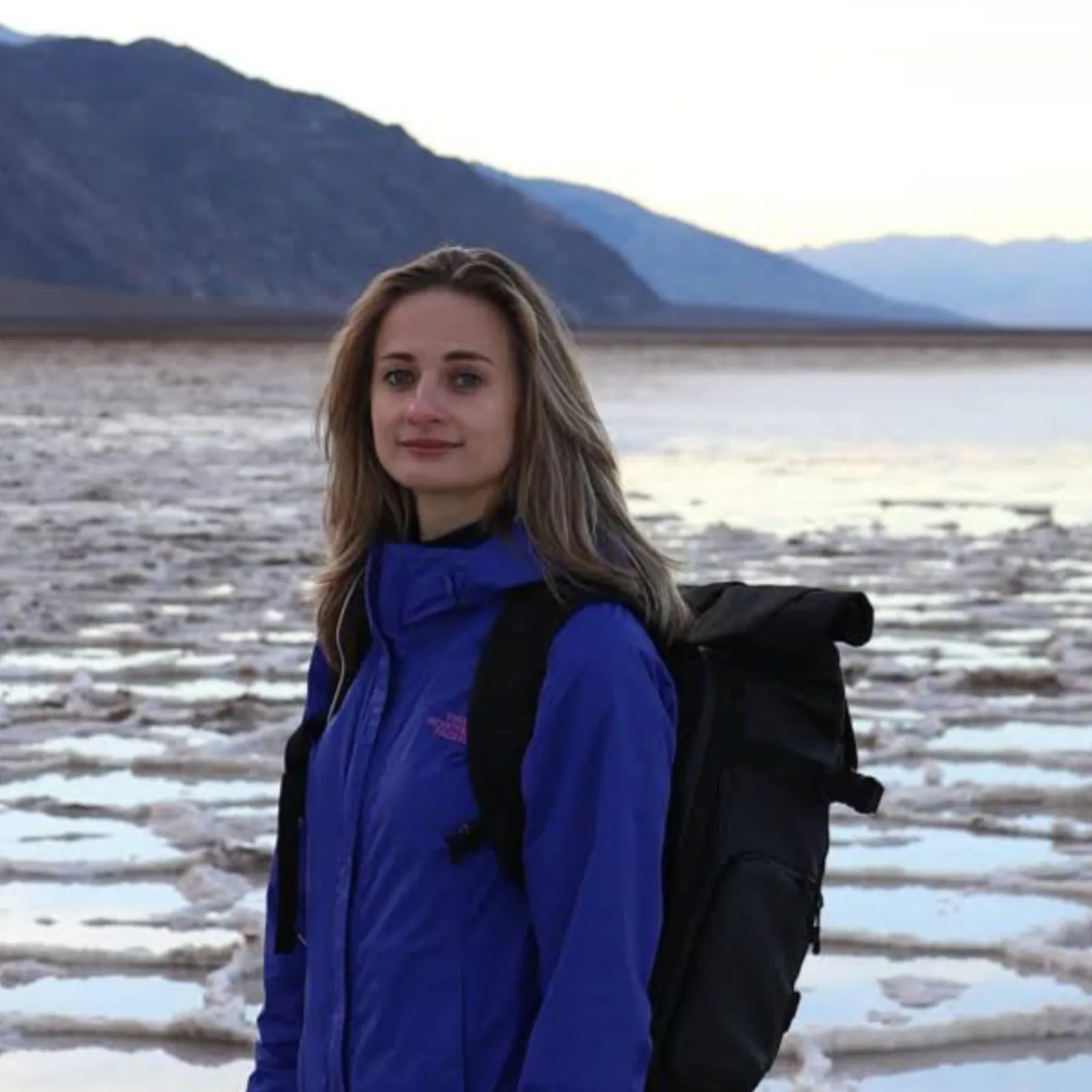
Written and walked by Yulia Vasilyeva · Co-founder · Lead planner and guide
Three years leading guided hikes in the Pacific Northwest, rated 5.0 by 20+ verified guests, and she builds every custom itinerary herself. Based in Seattle.
Last checked September 2026
You might also love these
Other itineraries near this one.

Guadalupe Mountains Hiking: A 2-Day Texas Itinerary
Two days of Guadalupe Mountains hiking: the strenuous Guadalupe Peak hike to the highest point in Texas, McKittrick Canyon's fall color,…

White Sands National Park: A Backcountry Weekend Itinerary
A 2-day weekend of White Sands National Park hiking: the Alkali Flat Trail across the world's largest gypsum dune field, the Dunes…

Best National Parks to Visit in December: A Winter Guide
The best national parks to visit in December: Everglades in dry season, Death Valley, Big Bend, Saguaro, Joshua Tree, the Grand Canyon…
Guides for this tripGuadalupe Mountains Camping GuideGuadalupe Peak Trail Guide
What adventurers say about us.
All reviews are from verified guests. ★★★★★ 5.0 average from 20+ bookings.
"Felt like going out with a really knowledgeable friend who just happens to know everything about the area. No awkward tour-guide energy, just a magnificent day."
"Yulia is an incredible guide. She knew every trail, every viewpoint, and exactly how to pace the day for our group. The photos she took of us were stunning. 100% booking again."
"I was visiting Seattle solo and this was the best decision I made on the trip. Yulia picked me up, had snacks, and took us to a trail I never would have found on my own. Absolute must-do."
"We did this as a couple's trip and it was perfect. Yulia adapted everything to us, our pace, our interests, our photo obsession. The mountain views were unreal."
"Phenomenal experience. Yulia has deep local knowledge and a real passion for the outdoors. She went out of her way to show us the hidden gems tourists never see. Will remember this forever."
"I've done a few guided hikes and this was by far the best. Yulia is warm, funny, and genuinely expert. The trail she chose had the most insane wildflower bloom, we got so lucky."
Fees, reservation windows, shuttle dates and trail closures are planning estimates. Confirm hours, road status and any reservations with the land manager before you go.
What other travelers are saying
Be the first to leave a tip or question for the next traveler.
Was this helpful?
One tap. It goes straight to Yulia and Margarita.
You can't hike it if you can't get the permit.
The best hikes in America run on lotteries that open once a year and sell out in minutes. Every trail runs on its own calendar. Pick the ones you want and we do the watching.
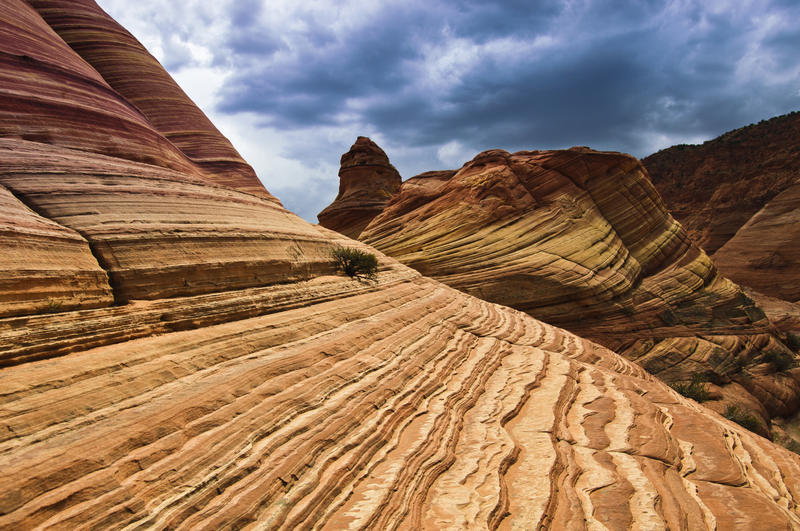 The WaveCoyote Buttes North · Arizona / UtahPermitLotterybrutal odds
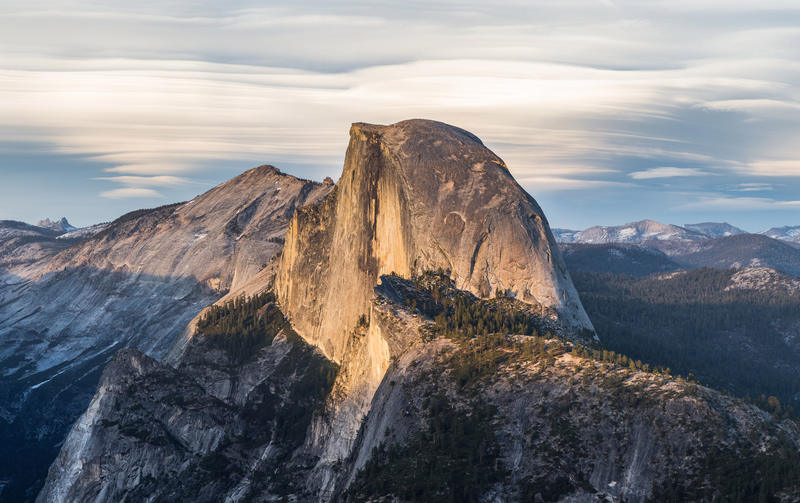 Half Dome CablesYosemite NP · CaliforniaPermitOpens Mar 1fair odds
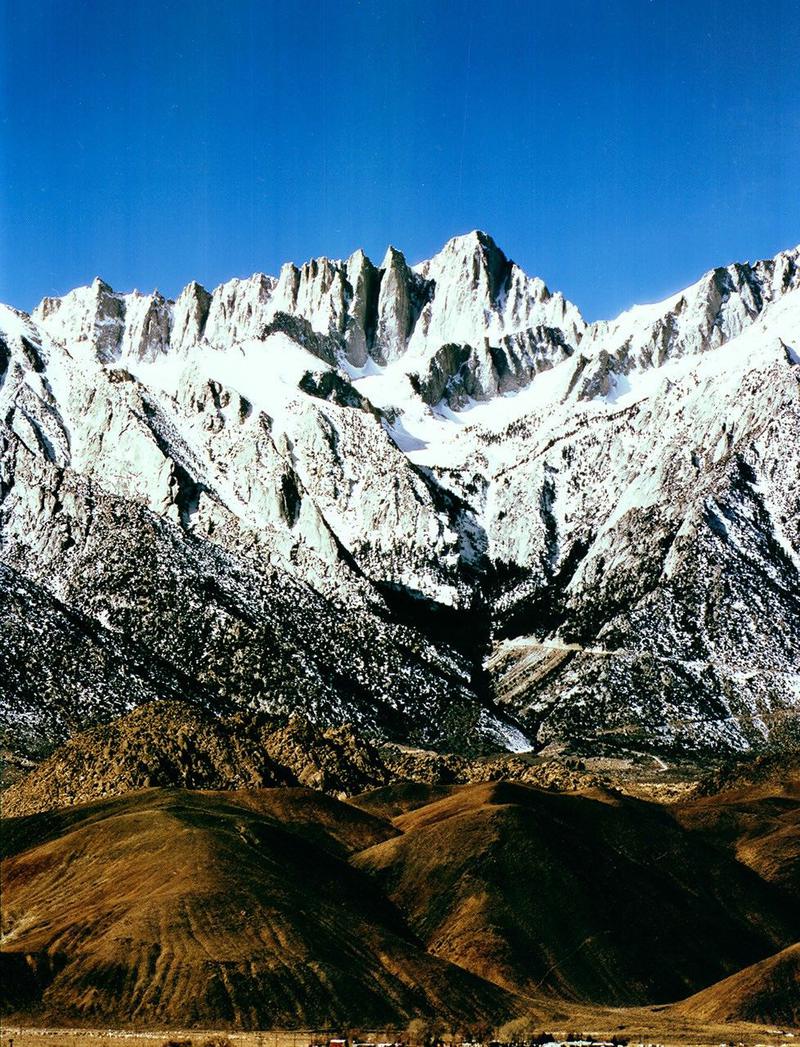 Mt. WhitneyInyo NF · CaliforniaPermitOpens Feb 1tough odds
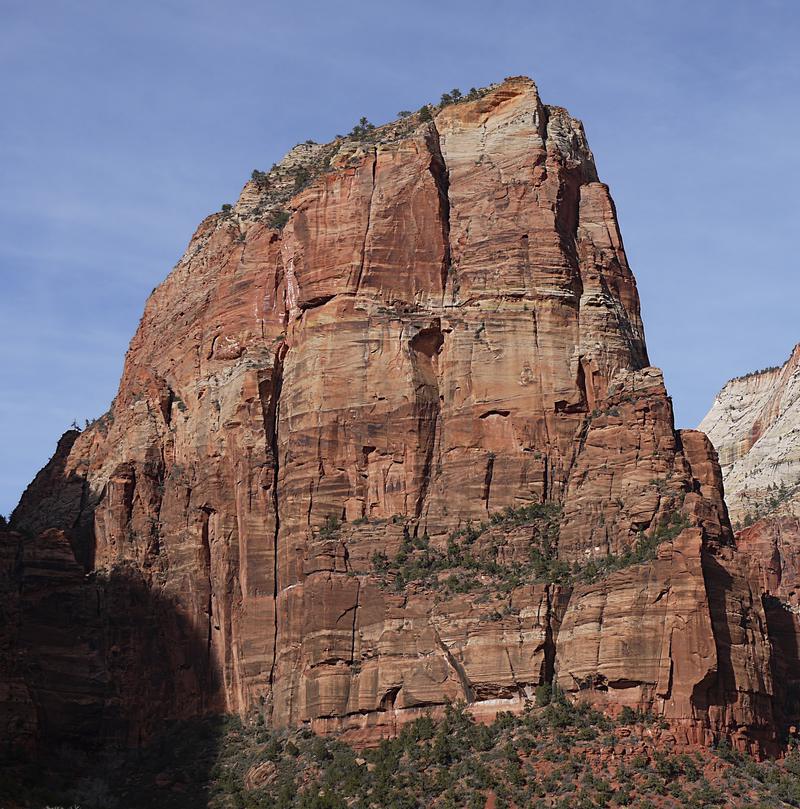 Angels LandingZion NP · UtahPermitLotterytough odds
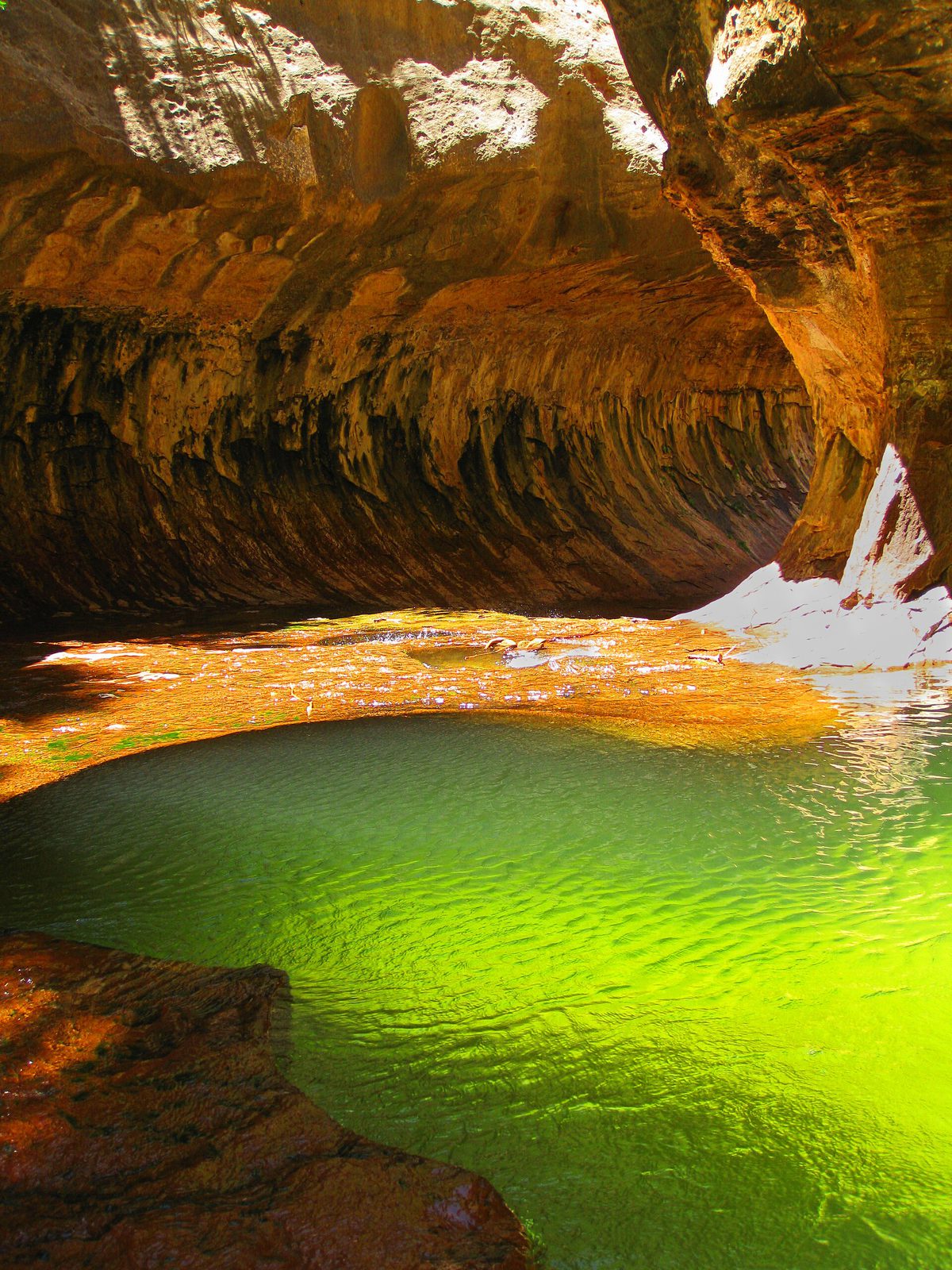 The SubwayZion NP · UtahPermitLotterytough odds
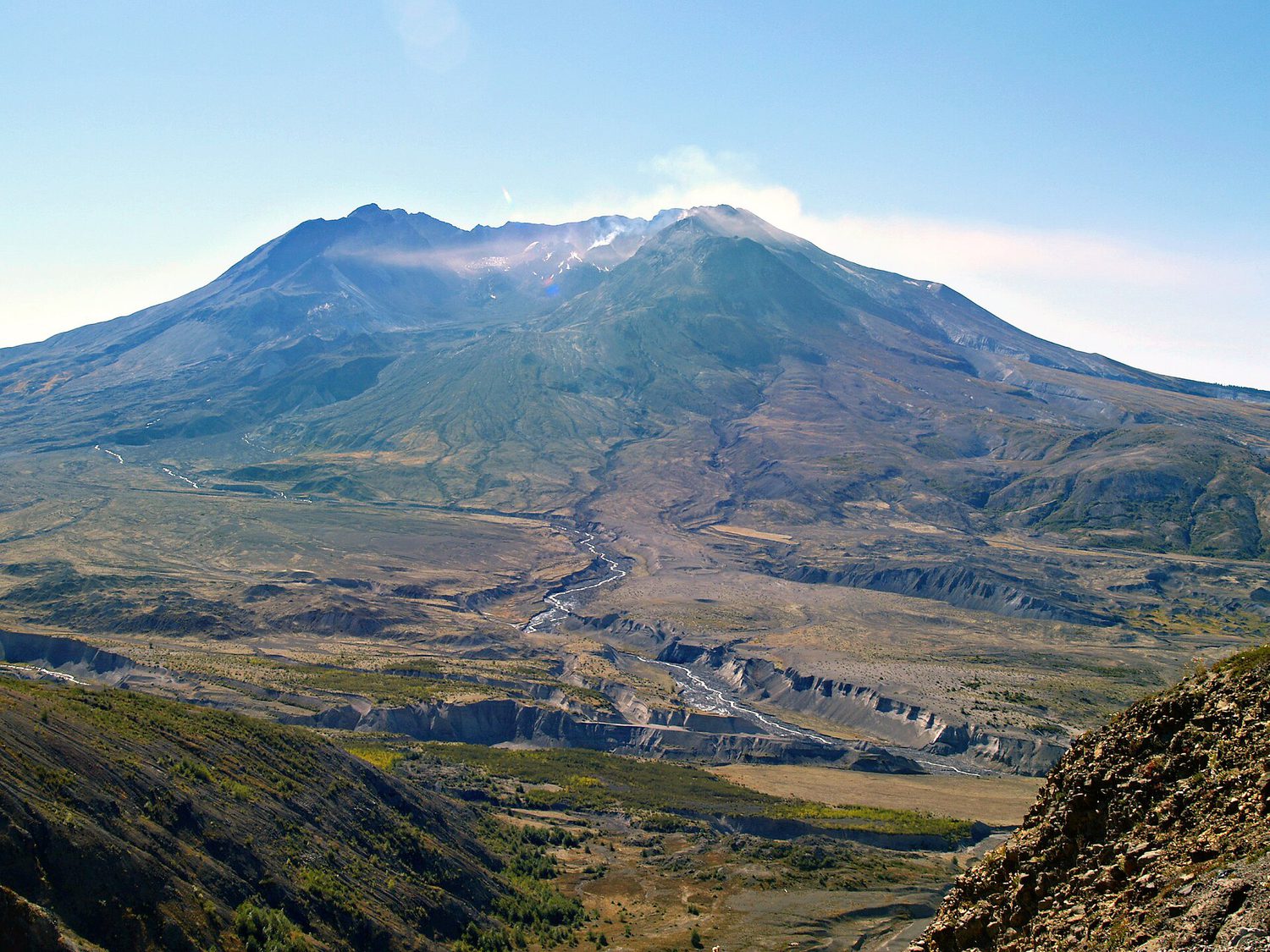 Mount St. Helens Summit ClimbGifford Pinchot NF · WashingtonPermitReservationtough odds
How it works
- An email the morning each window opens, never the day after.
- A 14-day heads-up so you can line up your group and dates.
- Win odds and a ranked backup plan for every trail you pick.
Didn't win? We keep watching. We check recreation.gov every day for The Enchantments, Half Dome and Angels Landing, and email you the moment a sold-out date frees up. Cancellations are the second chance most people never hear about.