Georgia Appalachian Trail Map
The first 78 miles of the Appalachian Trail, from Springer to Bly Gap.
7-day Georgia Appalachian Trail section hike. The first 78 miles of the AT from the southern terminus on Springer Mountain, over Blood Mountain (4,458 ft), past the Neels Gap outfitter, to Bly Gap on the North Carolina line, where every thru-hiker's journey begins.
“I’ve requested to book a Chain Lakes Loop guide on ExplorOFF, and it was the best idea ever! I highly recommend going with their guided option since you get a real human connection on the trail and don’t have to worry about a thing. Yulia was great to talk to!”
 17 stops on a real mapEvery stop pinned in order→
Georgia AT: every stop pinned in order.
Springer Mountain → Blood Mountain → Bly Gap · Georgia
Every stop on this trip, in order, opens as one driving route in the Google Maps app. No copying addresses across one at a time.
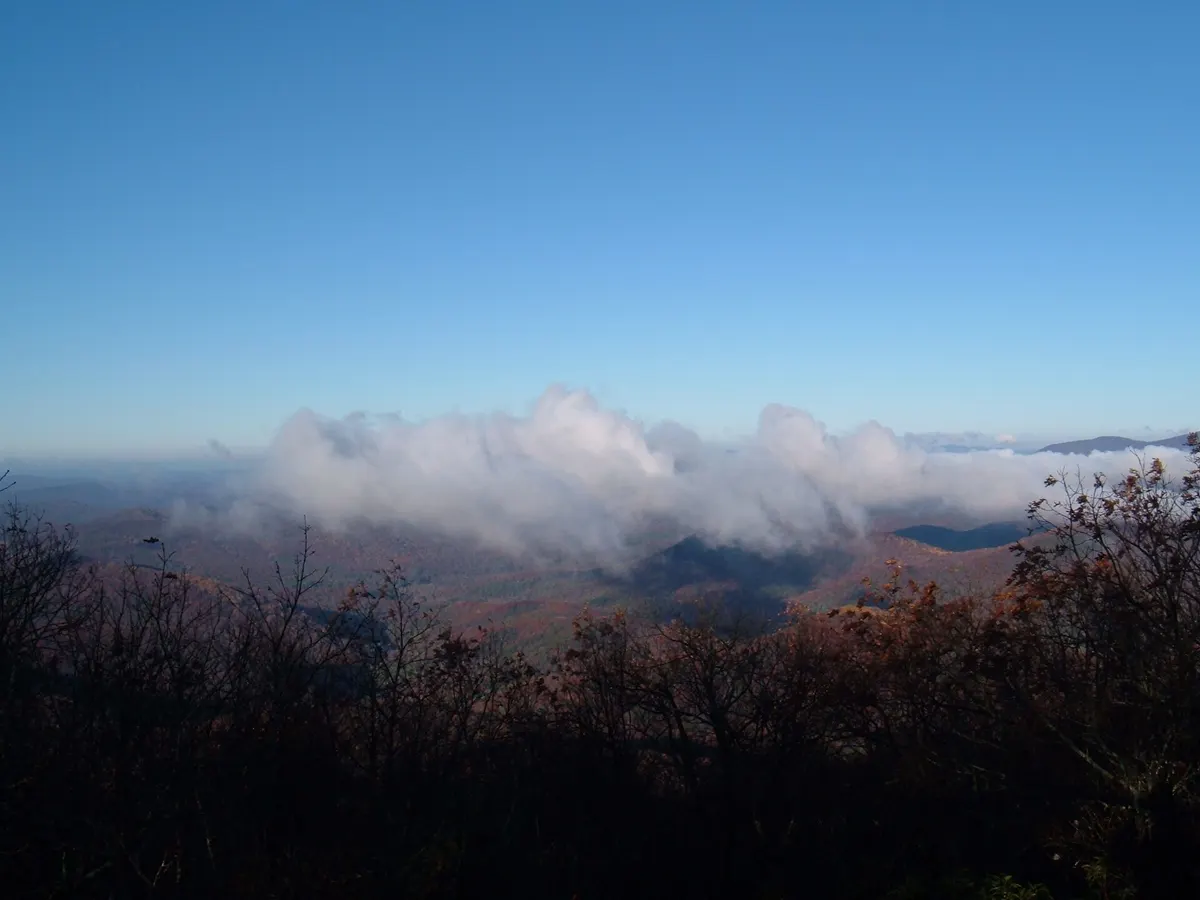
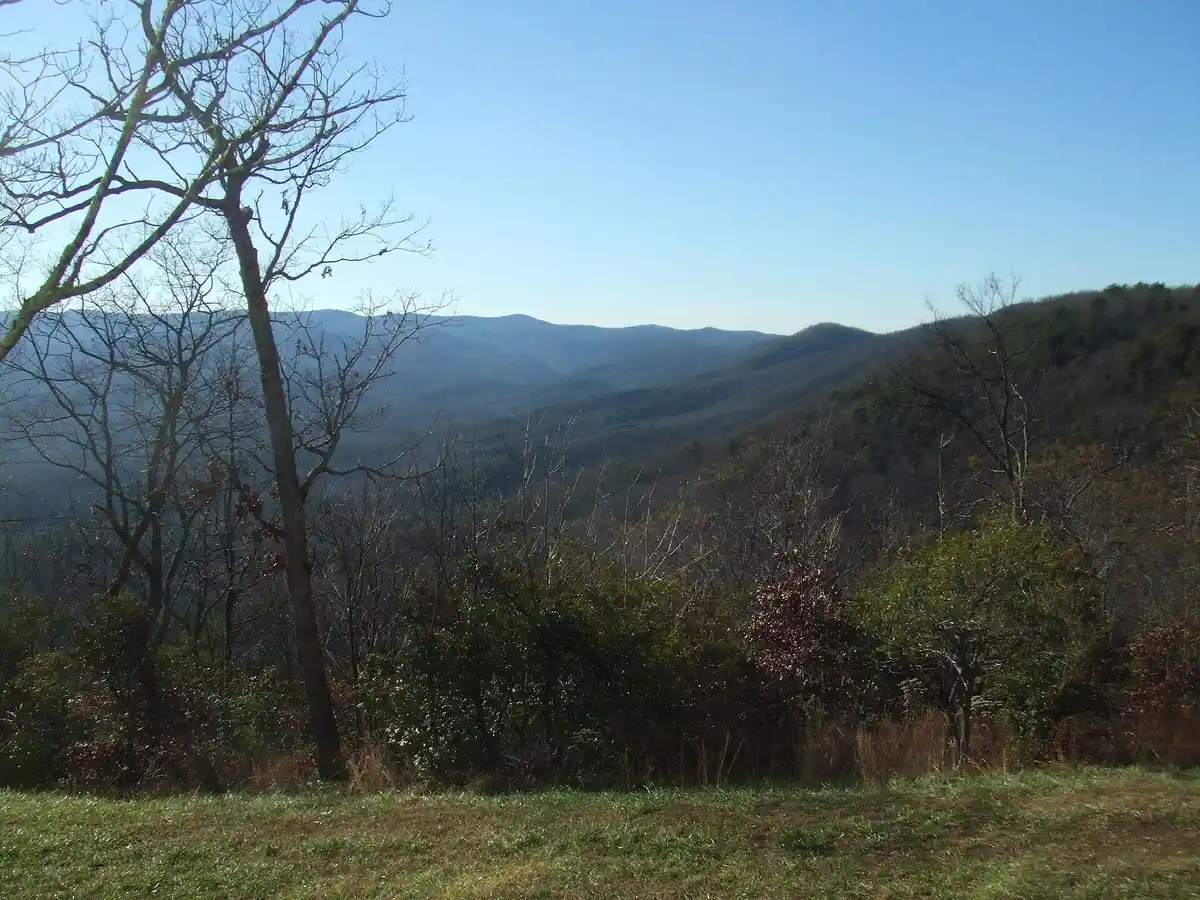
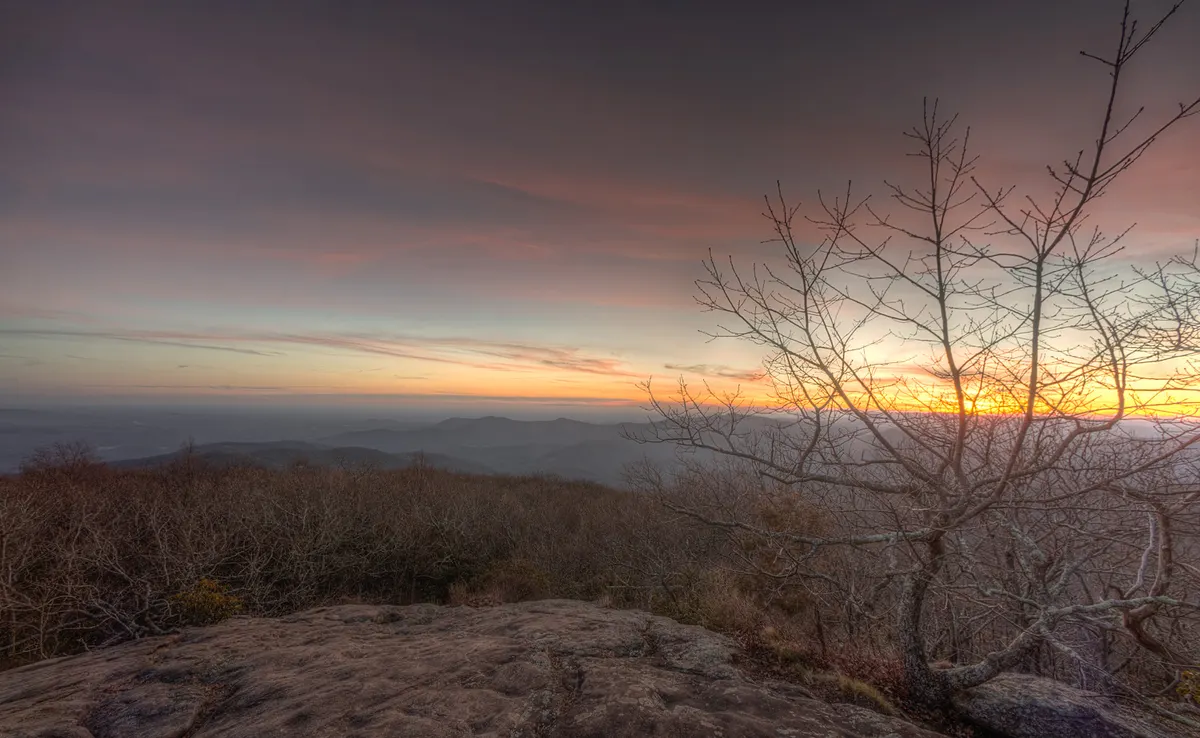
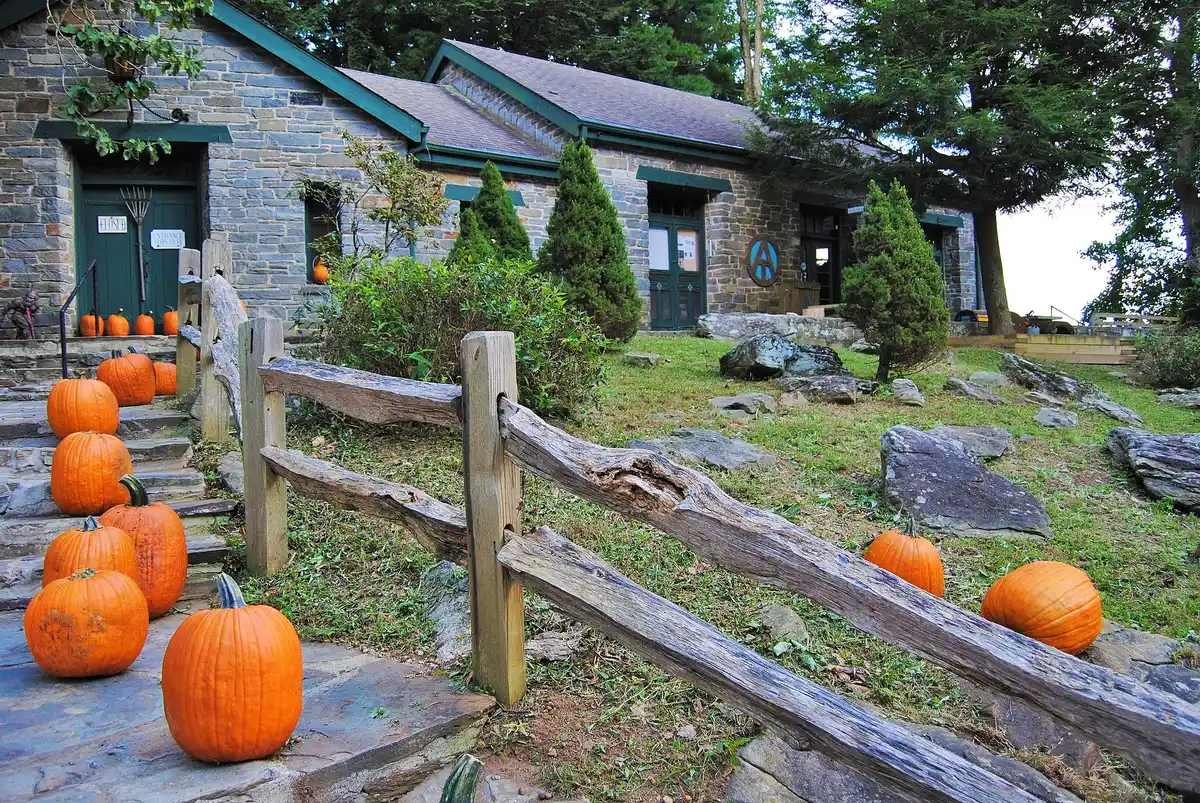
Georgia AT in photos: 5 of the stops.
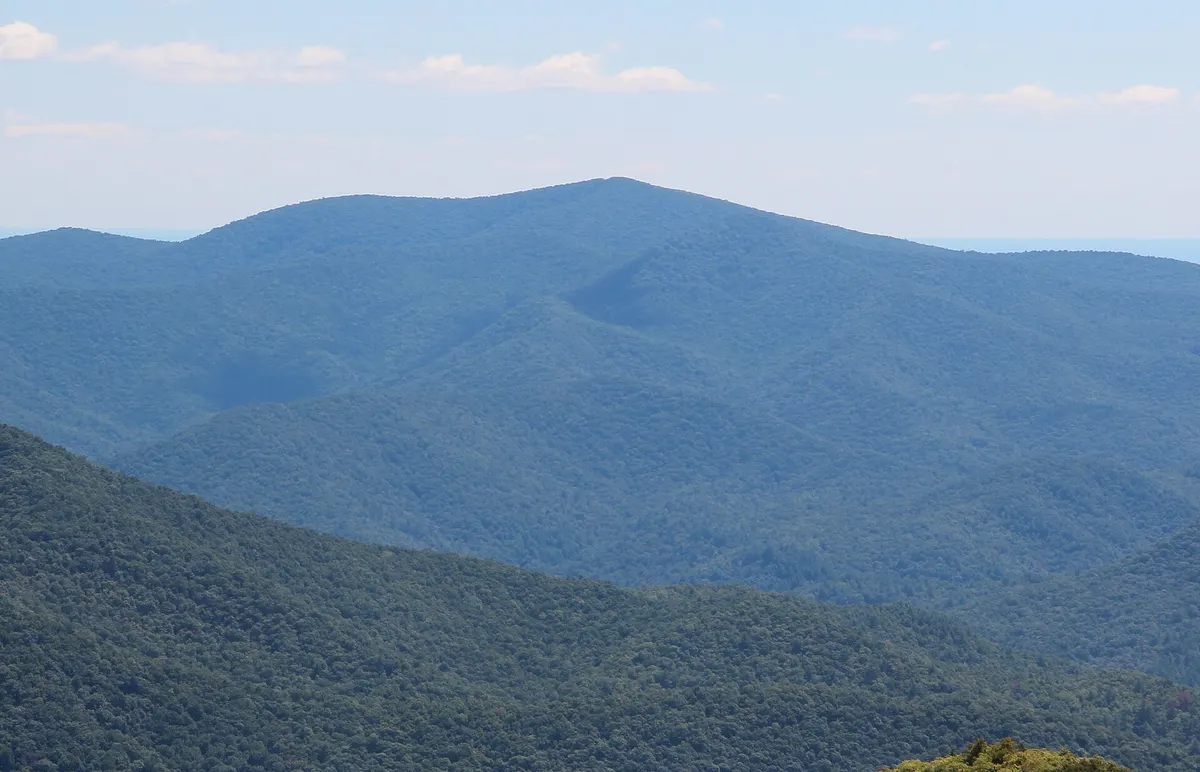
Plan and book your 7 days in Georgia AT, one step at a time
How 7 days in Georgia AT split up
Plan 7 days for Georgia AT. Distance: 78 miles. High point: 4,458 ft. Permits: None. This 7-day section hike covers the Georgia Appalachian Trail from its southern terminus on Springer Mountain to Bly Gap on the North Carolina border, the 78 miles where every northbound thru-hiker begins. Base your logistics out of Amicalola Falls State Park for the approach, and use Hiawassee or Blairsville for resupply and post-hike lodging.
Day 1: Approach Trail & Springer Mountain
3 stops · Day one
Day 2: Springer Mountain to Gooch Mountain Shelter
2 stops · Day two
Day 3: Gooch Mountain to Blood Mountain & Neels Gap
4 stops · Day three
Day 4: Neels Gap to Low Gap Shelter
2 stops · Day four
Day 5: Low Gap Shelter to Tray Mountain Shelter
2 stops · Day five
Day 6: Tray Mountain to Plumorchard Gap
2 stops · Day six
Day 7: Plumorchard Gap to Bly Gap
2 stops · Day seven
Approach Trail & Springer Mountain
Start early from Amicalola Falls State Park, check in, pay the parking fee, and confirm your return shuttle. The 8.8-mile approach trail climbs the 604 steps beside Amicalola Falls and gains serious elevation before it delivers you to Springer Mountain, so treat the whole day as a warm-up with a full pack.
Not the order you want? Drag a stop, or use the arrows beside it. Stops move between days too.
- Drive from
~1.5–2 hr to Amicalola Falls · car required · DriveStart at Amicalola Falls State Park, about 1.5 to 2 hours from Hartsfield-Jackson Atlanta International Airport (ATL). Check in at the visitor center, pay the $5 daily parking fee (or use the $55 Georgia State Parks annual pass), and confirm your return shuttle before you set out on the 8.8-mile approach trail.
- Mark Larson / CC BY-SA 2.0Springer Mountain (Southern Terminus AT)
3,782 ft · sign the register · first white blaze · HikeThe 8.8-mile approach trail climbs the 604 steps beside Amicalola Falls and gains serious elevation before it reaches the official southern terminus of the Appalachian Trail on Springer Mountain (3,782 ft). Touch the bronze plaque, sign the thru-hiker register, and start counting white blazes north.
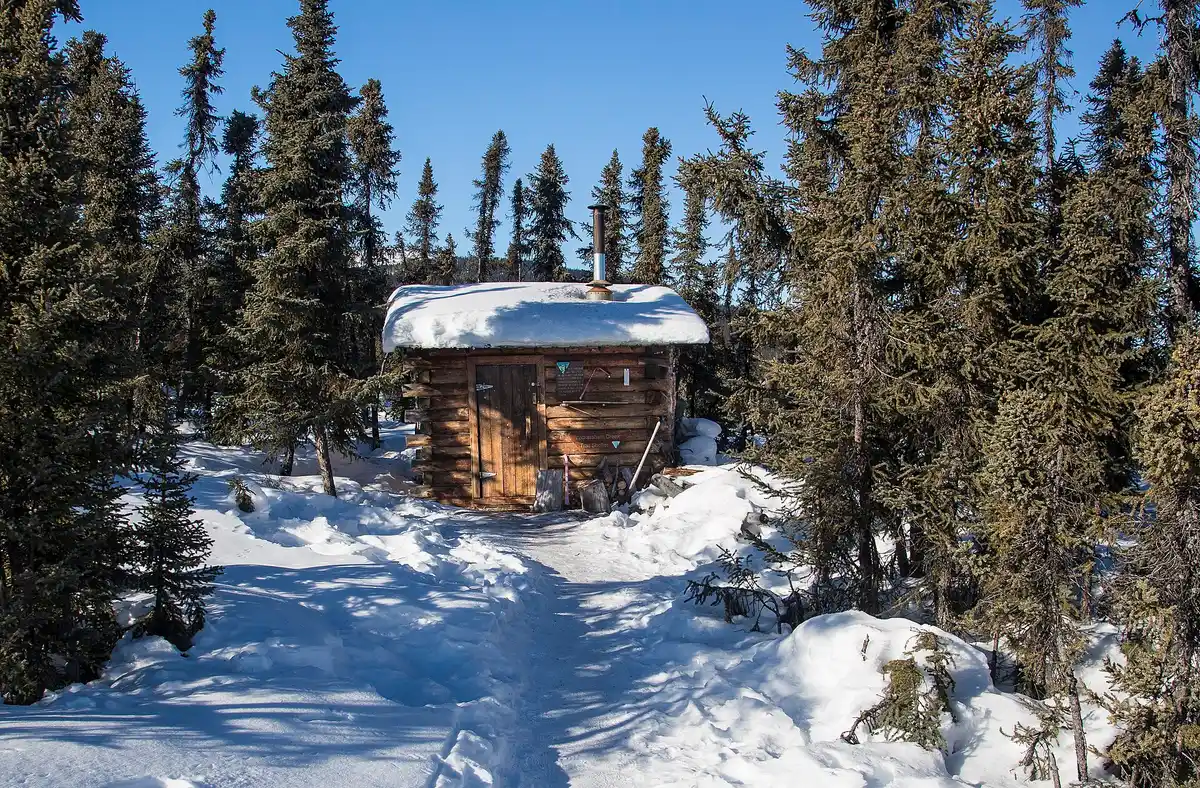 Stover Creek Shelter
3 mi past Springer · shelter + tent sites · privy · lodgeContinue three miles past Springer Mountain to Stover Creek Shelter, the first shelter on the AT northbound. It has a shelter, designated tent sites, a privy, and a fire ring. Secure your food in a canister or a properly hung bear bag before turning in.
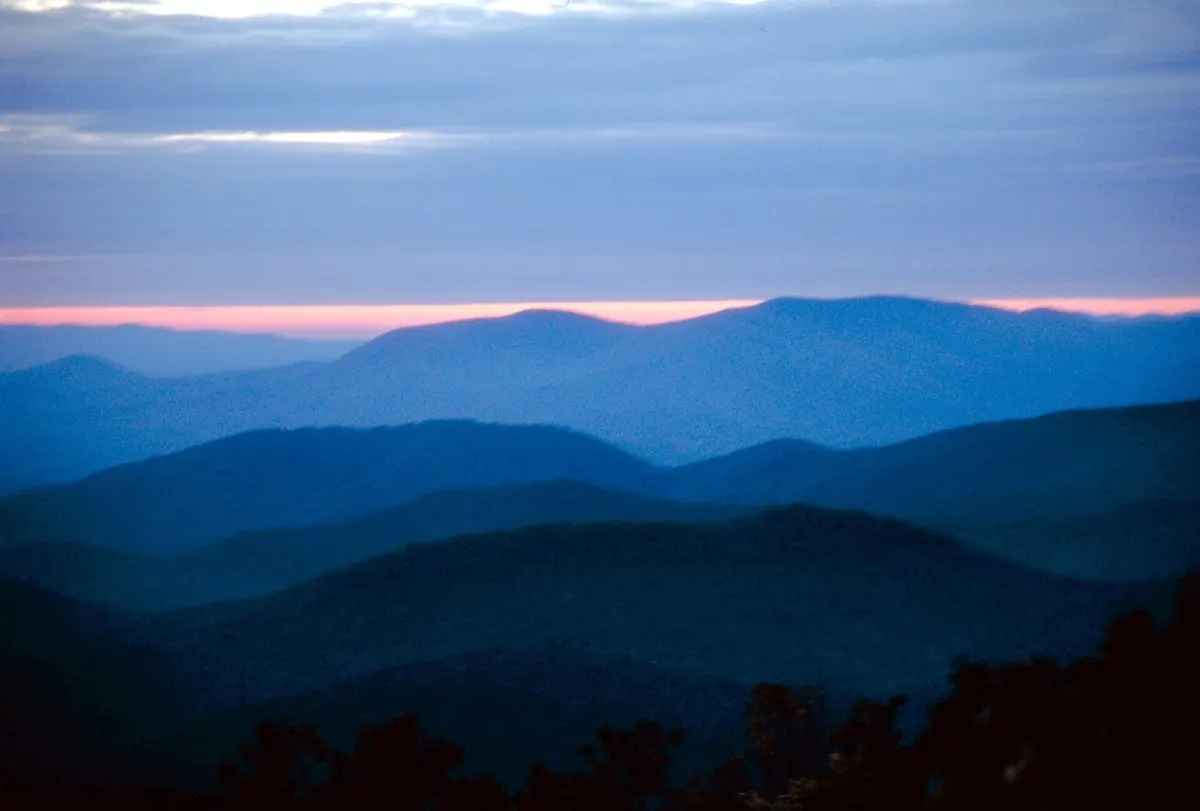
Springer Mountain to Gooch Mountain Shelter
Depart Stover Creek and settle into your trail rhythm on a classic Georgia AT day of rolling hills and steady climbs through dense forest. Cross several small streams, pass through Horse Gap, and refill water at Hawk Mountain Shelter before the trail descends toward Gooch Gap.
Not the order you want? Drag a stop, or use the arrows beside it. Stops move between days too.
- Hawk Mountain Shelter
~5.6 mi · spring nearby · water refill · HikeSettle into your trail rhythm on rolling hills and moderate climbs, crossing several small streams and passing through Horse Gap. Hawk Mountain Shelter, at about 3,200 ft, has a spring nearby and makes a good break and water-refill stop before the trail descends toward Gooch Gap.
- Gooch Mountain Shelter
Popular first-night stop · tent pads · reliable spring · lodgeAfter the short side trail to Long Creek Falls, climb to Gooch Mountain Shelter, a spacious and popular thru-hiker stop with established tent pads, a privy, and a reliable spring. Fourteen miles is a big day, so arrive with daylight to claim a site.
Gooch Mountain to Blood Mountain & Neels Gap
Climb out of Gooch Mountain and descend to Woody Gap, a popular day-hiker access point on GA 60, then begin the steady ascent over Big Cedar Mountain toward the day's big objective. The summit of Blood Mountain (4,458 ft) is the highest point on the AT in Georgia, crowned by a historic CCC stone shelter and panoramic views.
Not the order you want? Drag a stop, or use the arrows beside it. Stops move between days too.
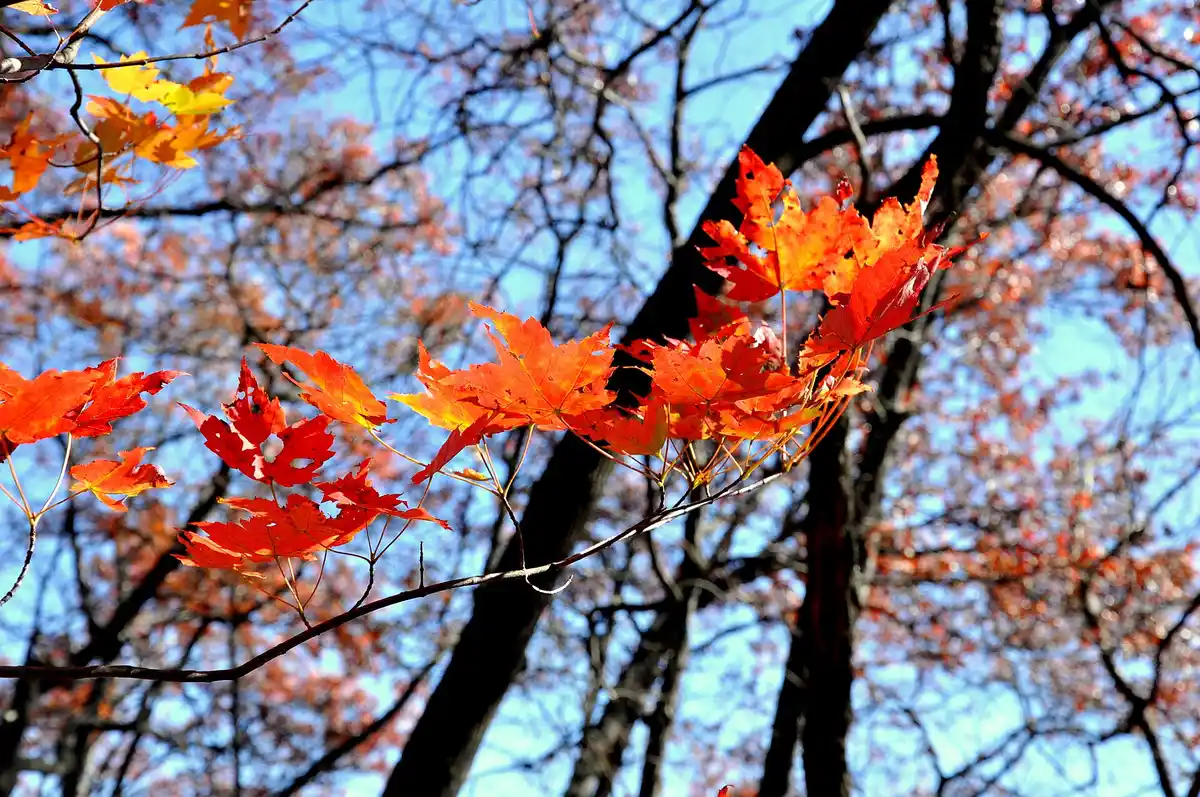 Chanilim714 / CC BY-SA 3.0Woody Gap (GA 60)
Day-hiker access · Big Cedar Mountain views ahead · ViewpointClimb out of Gooch Mountain and descend to Woody Gap on GA 60, a popular day-hiker access point with roadside parking and a chance for trail magic. From here the trail climbs over Big Cedar Mountain toward the day's big objective.
- Blood Mountain summit (4,458 ft)
Highest AT point in GA · historic stone shelter · HikeThe steep, rocky ascent tops out on Blood Mountain (4,458 ft), the highest point on the AT in Georgia, crowned by a historic CCC stone shelter built in 1934 and panoramic views. The summit shelter is for emergency day use, not planned overnights.
See the trail → - Gwringle / CC BY-SA 3.0Mountain Crossings at Neels Gap
Only on-trail outfitter · resupply, gear, food, water · ViewpointDescend the steep, rocky 1.8 miles to Neels Gap, where the AT literally passes through Mountain Crossings at Walasi-Yi, the only outfitter directly on the trail. Use it for resupply, a hot snack, gear repairs, mail drops, or a famous pack shakedown.
 Harrison Keely / CC BY 4.0Blood Mountain Cabins, Neels Gap
At Neels Gap on US 129 · reserve ahead or camp dispersed · lodgeAfter resupplying, walk the few minutes to Blood Mountain Cabins at Neels Gap for more comfort (reservations required) or find a dispersed campsite further along the trail. Dispersed sites past Neels Gap are limited, so check water sources and plan ahead.
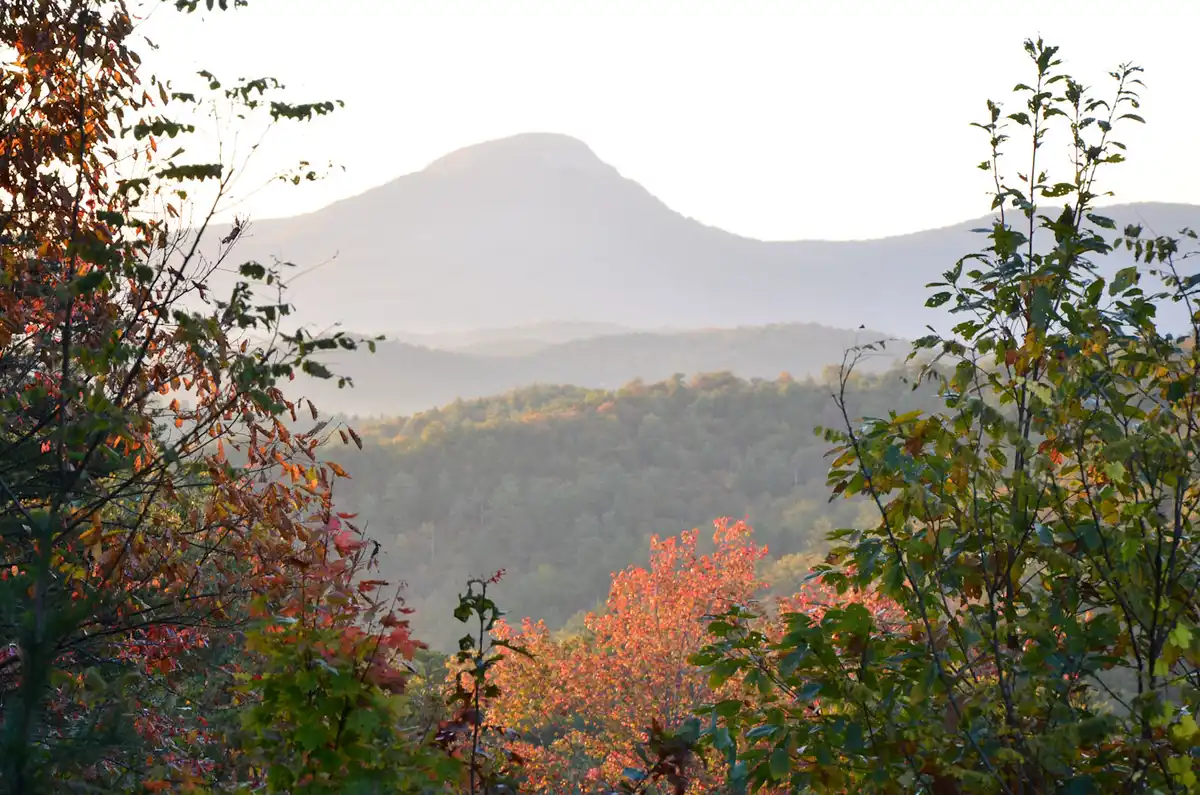
Neels Gap to Low Gap Shelter
After the punishing Blood Mountain day, this stretch is slightly gentler but still demanding, climbing out of the Neels Gap valley over rolling terrain and several small gaps. Pass through Tesnatee Gap and cross the road at Hogpen Gap before the trail winds through deep forest toward camp.
Not the order you want? Drag a stop, or use the arrows beside it. Stops move between days too.
- Hogpen Gap (road crossing)
Rolling terrain · no services · ViewpointFrom Neels Gap the trail climbs out of the valley over rolling terrain, passing through Tesnatee Gap before the road crossing at Hogpen Gap. There are no services here, so treat it as a checkpoint on the way to camp.
- Low Gap Shelter
Standard AT shelter · privy · tent sites · good water · lodgeContinue the steady climb through dense forest to Low Gap Shelter, a well-maintained standard AT shelter with capacity for 10 to 12, multiple surrounding tent sites, a privy, and a reliable water source nearby. Hang or canister your food for the night.
Low Gap Shelter to Tray Mountain Shelter
Begin with a challenging climb out of Low Gap toward Blue Mountain, which delivers some of the best long-range views in Georgia. Descend the steep switchbacks to Unicoi Gap, a major crossing on GA 75 and another possible shuttle or resupply point if arranged in advance.
Not the order you want? Drag a stop, or use the arrows beside it. Stops move between days too.
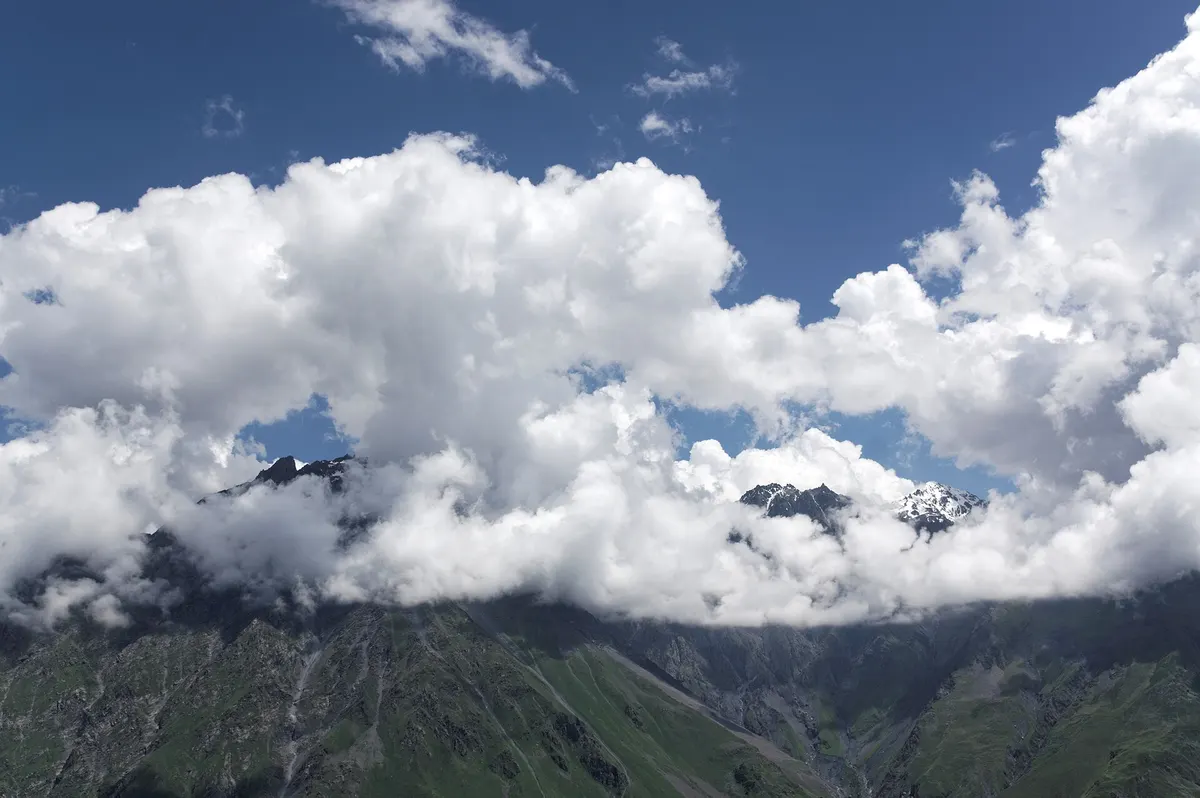 Vyacheslav Argenberg / CC BY 4.0Unicoi Gap (GA 75)
Major road crossing · possible shuttle/resupply · ViewpointClimb out of Low Gap over Blue Mountain, which offers some of the best long-range views in Georgia, then descend the steep switchbacks to Unicoi Gap on GA 75. This major crossing is a logical bail-out or resupply point if you pre-arrange a shuttle, though there are no services at the gap itself.
- Tray Mountain Shelter
Just below summit · big views · spring nearby · lodgeFrom Unicoi Gap, tackle the significant climb to Tray Mountain, one of the more exposed sections in Georgia. Tray Mountain Shelter sits just below the summit with excellent sunrise and sunset views and a spring nearby, though the open ridge can be windy, so stake out well and layer up.
Tray Mountain to Plumorchard Gap
Descend from Tray Mountain into a rhythm of climbs and drops, including the ascent of Kelly Knob and the scenic Swag of the Blue Ridge, through deep forest and small stream crossings. Continue down to Dicks Creek Gap on US 76, a popular road crossing and a classic spot for trail magic.
Not the order you want? Drag a stop, or use the arrows beside it. Stops move between days too.
- Dicks Creek Gap (US 76)
Popular road crossing · classic trail-magic spot · ViewpointDescend from Tray Mountain through a rhythm of climbs and drops, including Kelly Knob and the Swag of the Blue Ridge, to Dicks Creek Gap on US 76. This paved crossing is a well-known shuttle and trail-magic spot, a good place to top off water and morale.
- Plumorchard Gap Shelter
Short side trail · established backcountry sites · lodgeClimb again toward Plumorchard Gap, where a short side trail leads to the shelter and several established dispersed sites. This is your last night on the Georgia AT, so enjoy the deep-forest quiet. Some water sources here can be seasonal, so plan ahead and practice strict Leave No Trace.
Plumorchard Gap to Bly Gap
A shorter final day of rolling terrain and a few last climbs, passing through Deep Gap with final views back over the Georgia mountains. The trail stays rocky in sections before you reach the state line.
Not the order you want? Drag a stop, or use the arrows beside it. Stops move between days too.
- Bly Gap (GA/NC state line)
Iconic Bly Gap Tree · end of the Georgia section · ViewpointA shorter final day of rolling terrain and a few last climbs, passing through Deep Gap with final views over the Georgia mountains, brings you to Bly Gap. Marked by a sign and the famous gnarled Bly Gap Tree, it is the symbolic end of your Georgia section hike and the gateway into North Carolina.
 Harrison Keely / CC BY 4.0Shuttle back to Hiawassee, GA
Pre-booked pickup · return to town or Amicalola · DriveMeet your pre-arranged shuttle at Bly Gap or a nearby road crossing for the ride back to your car at Amicalola Falls or to a town like Hiawassee for a shower, a real meal, and a bed. Confirm the pickup location and time before you lose cell service on the final ridge.
Book the 1 night under a roof
Most nights on this trip are in a tent. Reserve any campsite the route needs, and the room either side of it if you want one.
Tell us your dates and we will do the calling: the rooms either side, and the guided days in between. Nothing is charged and you decide at the end.
Request to bookWhat to pack for Georgia AT
Built from this route, not a generic list. Every line says why it is here.
On every day of this trip
On your feet
Because you are sleeping out 5 nights
For the 1 night under a roof
For the drive to the trailhead
Essential backpacking rules & planning.
Store your food properly
Bear canisters are not strictly required on the Georgia AT but are highly recommended, and a properly hung bear bag is the accepted alternative. Camp only in designated shelters or established backcountry sites, and never leave food or scented items in your tent.
Leave No Trace is mandatory
Pack out all trash, including food scraps, and camp only at designated or established sites. Fires are often restricted to existing fire rings, so check current fire restrictions for the Chattahoochee National Forest before you go.
The approach trail adds 8.8 miles
The approach trail from Amicalola Falls to Springer Mountain is an extra 8.8 miles with real elevation gain, including the 604 steps past the falls. Factor it into your Day 1 mileage and start early with a full pack.
Resupply at Neels Gap
Mountain Crossings at Neels Gap on Day 3 is the only outfitter directly on the trail and your main resupply point, with food, gear, and mail-drop service. For a full resupply, shuttle into Blairsville or Hiawassee.
Book shuttles 2 to 4 weeks ahead
Shuttle services run roughly $100 to $300 depending on distance and group size, and they book out fast in the March-April thru-hiker rush and October foliage weekends. Parking at Amicalola Falls is $5 per day or $55 for a state-parks annual pass.
Go in spring or fall
March through May brings cooler temps, wildflowers, and thru-hiker energy but also rain, cold snaps, and crowded shelters. September through November brings fall foliage, fewer bugs, and stable weather. Summers are hot, humid, and buggy; winters are cold with snow and ice.
Cell signal dies in the gaps
Counterintuitively, reception often drops to zero in the low gaps like Tesnatee, Unicoi, and Dicks Creek, and stays patchy on the ridgelines between them. Download offline maps, carry a paper map and compass, and pack a satellite messenger, since you cannot count on a bar of signal to call your shuttle or reach help.
Georgia AT: questions before you go
Georgia AT shuttle: the questions people ask most.
No. No specific permits are required to backpack the Appalachian Trail in Georgia. You must, however, follow Leave No Trace principles and all wilderness regulations for camping and fires, and store your food in a bear canister or a properly hung bear bag.
It is strenuous. The 78-mile section has significant elevation gains and losses, including the climb over Blood Mountain (4,458 ft), the highest AT point in Georgia. Daily mileage averages 10 to 14 miles, so it rewards good physical conditioning and prior multi-day backpacking experience.
The main costs are transportation (shuttle services run about $100 to $300 depending on distance and group size), parking (five dollars per day at Amicalola Falls), and food (plan for $10 to $20 per day). There are no trail permits or camping fees for this section.
Book shuttles at least 2 to 4 weeks in advance, especially during the March-April thru-hiker season and October foliage weekends. Blood Mountain Cabins and any pre- or post-hike hostels or lodges in Dahlonega, Blairsville, and Hiawassee should be reserved well ahead too.
The main on-trail resupply is Mountain Crossings at Neels Gap on Day 3, which stocks food and gear and offers mail drops. For a full resupply you can shuttle into a nearby town such as Blairsville or Hiawassee.
Cell service is spotty and unreliable along most of the Georgia AT. You may catch intermittent signal on higher ridgelines or near road crossings, but do not rely on it for navigation or emergencies. A satellite messenger or personal locator beacon is strongly recommended.
The 8.8-mile approach trail from Amicalola Falls is blue-blazed and, with its 604 metal stairs beside the falls, it is the standard start that makes Day 1 roughly 11.8 miles. The one real shortcut is driving a high-clearance or 4x4 vehicle up the rough Forest Service Road 42 to the parking area near the Springer Mountain trailhead, which skips the approach entirely. In a low-clearance car, plan on hiking the full approach.
No vehicle road reaches Bly Gap itself, so you cannot be met right at the state line. You hike out to the nearest road access or arrange a licensed trail shuttle to meet you at a crossing such as Dicks Creek Gap on US 76. Book that shuttle about 4 weeks ahead, since the Bly Gap finish is a common request in peak season.
Tell us your dates and we ask a local guide who works this area what they can do on your days and what it costs. If nobody is free, we tell you. Asking is free: no card, no deposit, and nothing is held until you say yes.
Pick how you want to go.
Same 7-day route. Same 9 stops.
- 1 night, a campground in Dahlonega before and after the route
- $22
- 5 nights, free backcountry camps on the route
- Free
- Rental car, 7 days
- $420
- Gas, about 98 miles
- $15

- A private local guide, campsites booked
- Included
- Airport pickup and every drive
- Included
- Park, permit and campsite fees paid
- Included
- All the gear and the trail meals
- Included
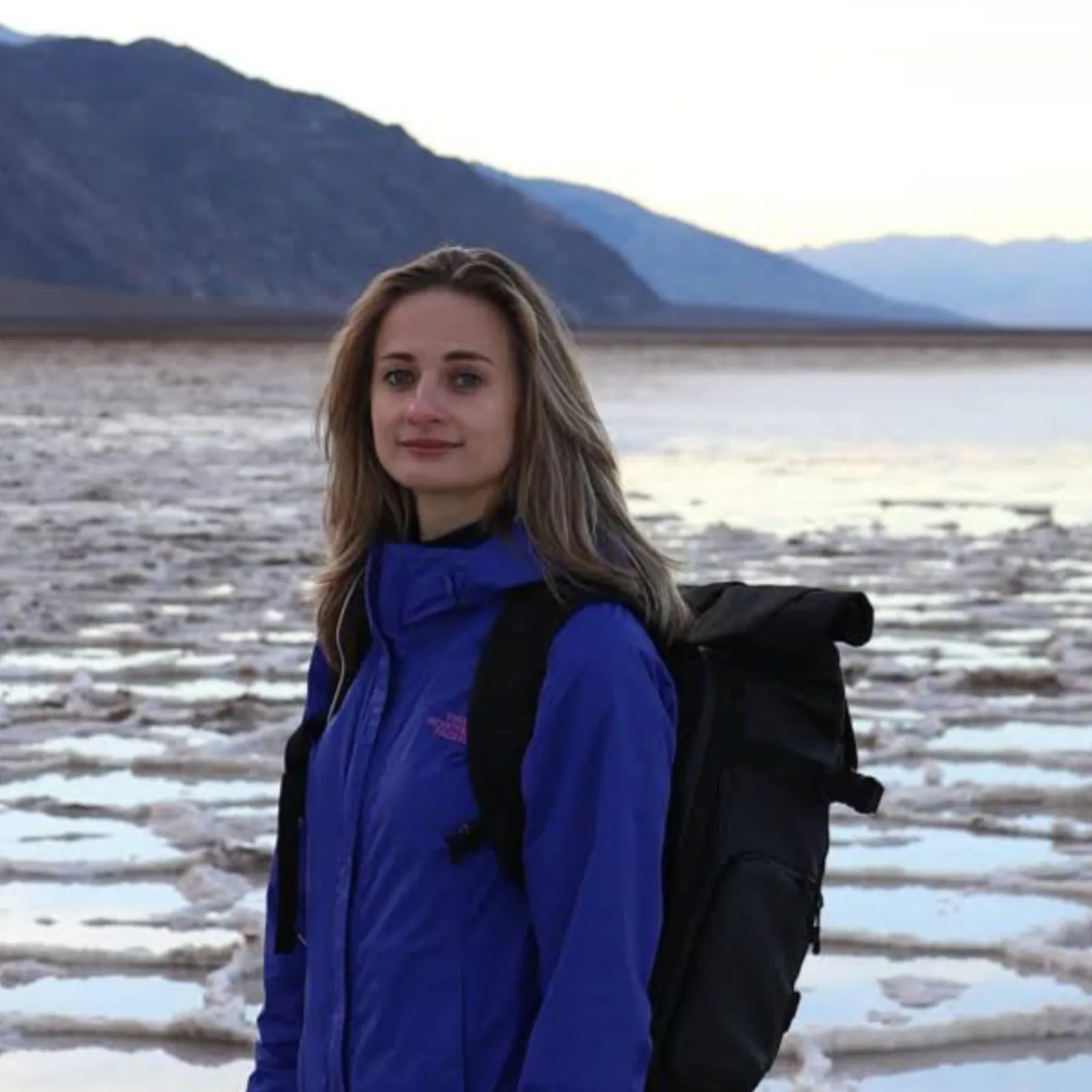
Written and walked by Yulia Vasilyeva · Co-founder · Lead planner and guide
Three years leading guided hikes in the Pacific Northwest, rated 5.0 by 20+ verified guests, and she builds every custom itinerary herself. Based in Seattle.
Last checked September 2026
You might also love these
Other itineraries near this one.

Tallulah Gorge State Park: A Weekend Hiking Itinerary
Two days of Tallulah Gorge hiking: the North and South Rim overlooks, the Hurricane Falls stair loop to the suspension bridge, and the…
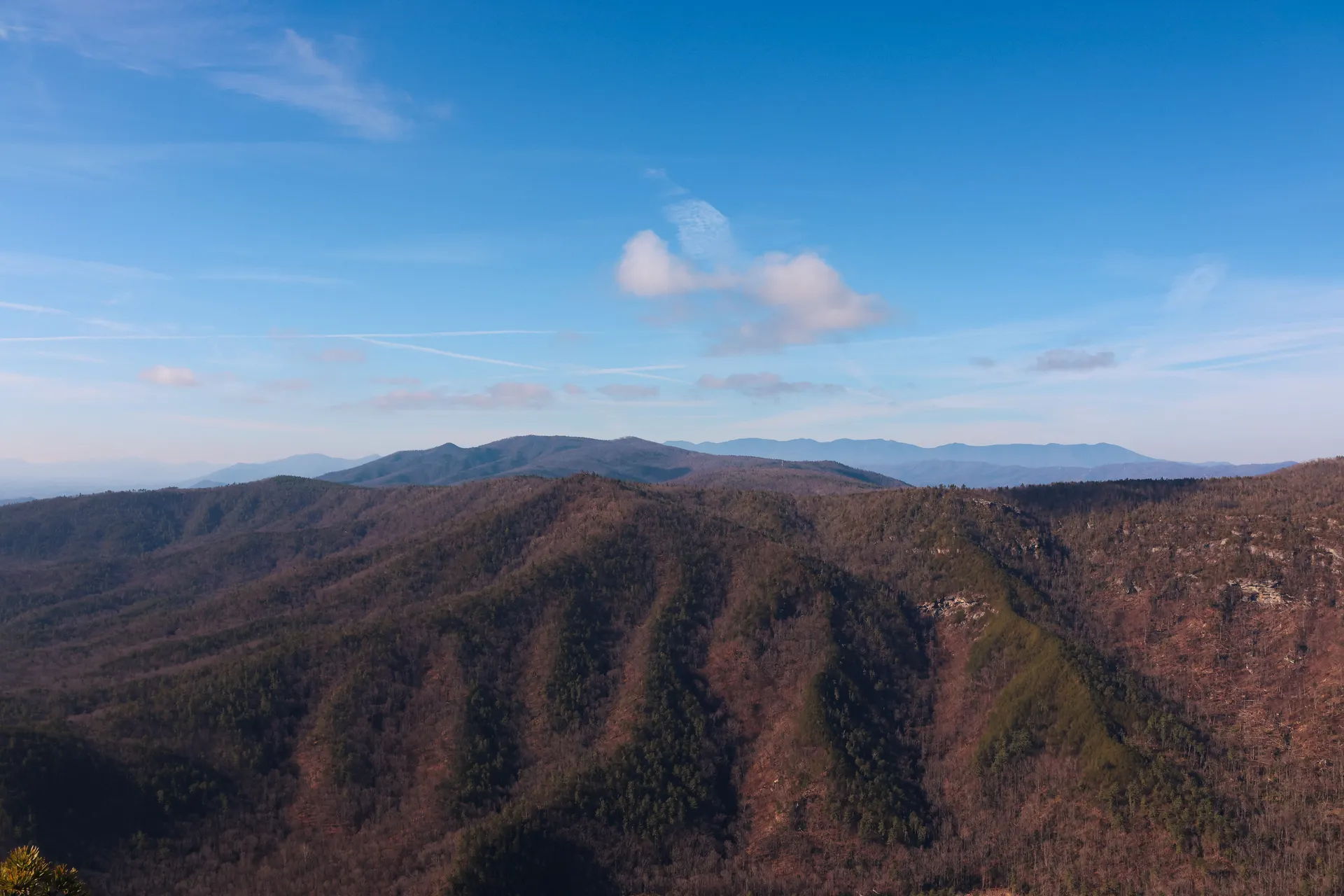
Nantahala National Forest Hiking: A 3-Day North Carolina Itinerary
Three days of Nantahala National Forest hiking: Whitewater Falls, the deep Nantahala Gorge and a river day, Wesser Bald and Wayah Bald…
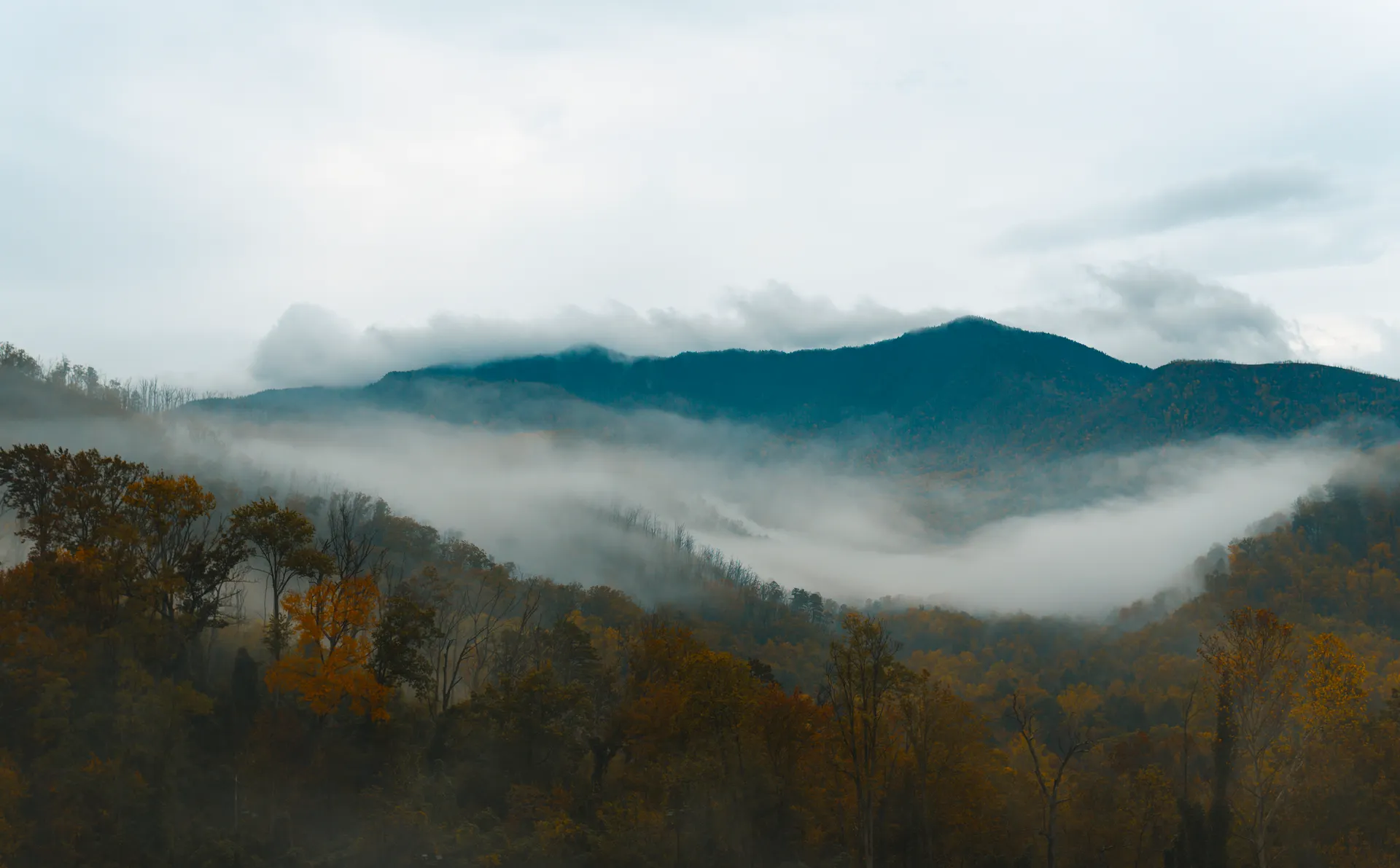
Great Smoky Mountains National Park: A 3-Day Itinerary
Three days in the most-visited national park in the country: Clingmans Dome, the Alum Cave Trail to Mount LeConte, the best Smoky…
Guides for this tripThings to Do in Ellijay, GAAppalachian Trail Maps and AppsGuided Backpacking Trips for Beginners
What adventurers say about us.
All reviews are from verified guests. ★★★★★ 5.0 average from 20+ bookings.
"Felt like going out with a really knowledgeable friend who just happens to know everything about the area. No awkward tour-guide energy, just a magnificent day."
"Yulia is an incredible guide. She knew every trail, every viewpoint, and exactly how to pace the day for our group. The photos she took of us were stunning. 100% booking again."
"I was visiting Seattle solo and this was the best decision I made on the trip. Yulia picked me up, had snacks, and took us to a trail I never would have found on my own. Absolute must-do."
"We did this as a couple's trip and it was perfect. Yulia adapted everything to us, our pace, our interests, our photo obsession. The mountain views were unreal."
"Phenomenal experience. Yulia has deep local knowledge and a real passion for the outdoors. She went out of her way to show us the hidden gems tourists never see. Will remember this forever."
"I've done a few guided hikes and this was by far the best. Yulia is warm, funny, and genuinely expert. The trail she chose had the most insane wildflower bloom, we got so lucky."
Fees, reservation windows, shuttle dates and trail closures are planning estimates. Confirm hours, road status and any reservations with the land manager before you go.
What other travelers are saying
Be the first to leave a tip or question for the next traveler.
Was this helpful?
One tap. It goes straight to Yulia and Margarita.
You can't hike it if you can't get the permit.
The best hikes in America run on lotteries that open once a year and sell out in minutes. Every trail runs on its own calendar. Pick the ones you want and we do the watching.
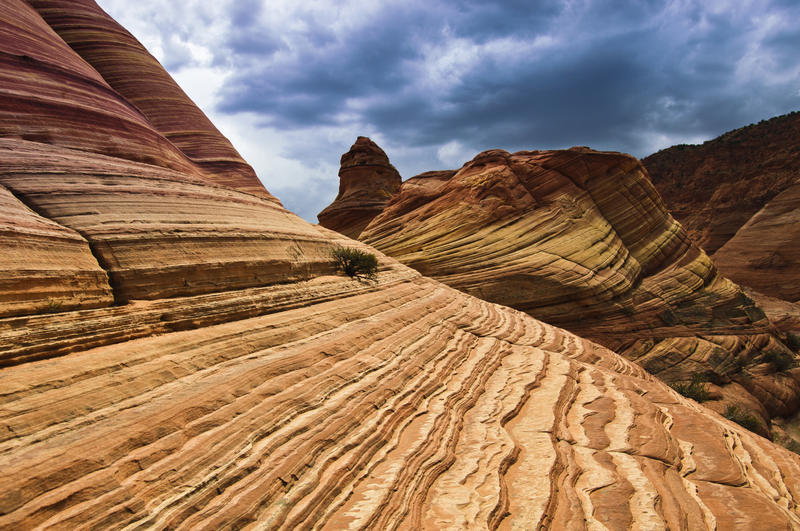 The WaveCoyote Buttes North · Arizona / UtahPermitLotterybrutal odds
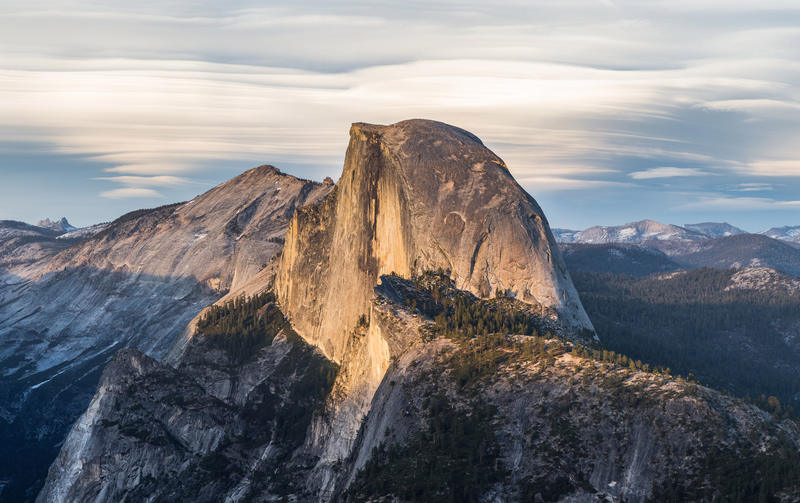 Half Dome CablesYosemite NP · CaliforniaPermitOpens Mar 1fair odds
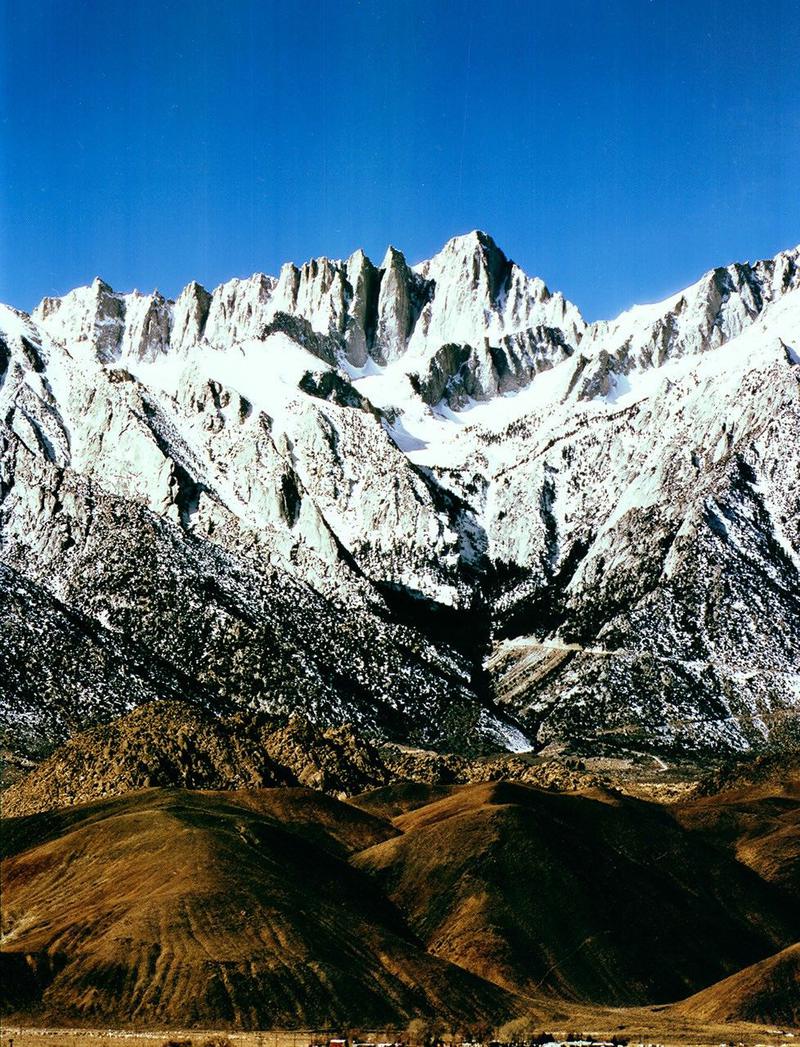 Mt. WhitneyInyo NF · CaliforniaPermitOpens Feb 1tough odds
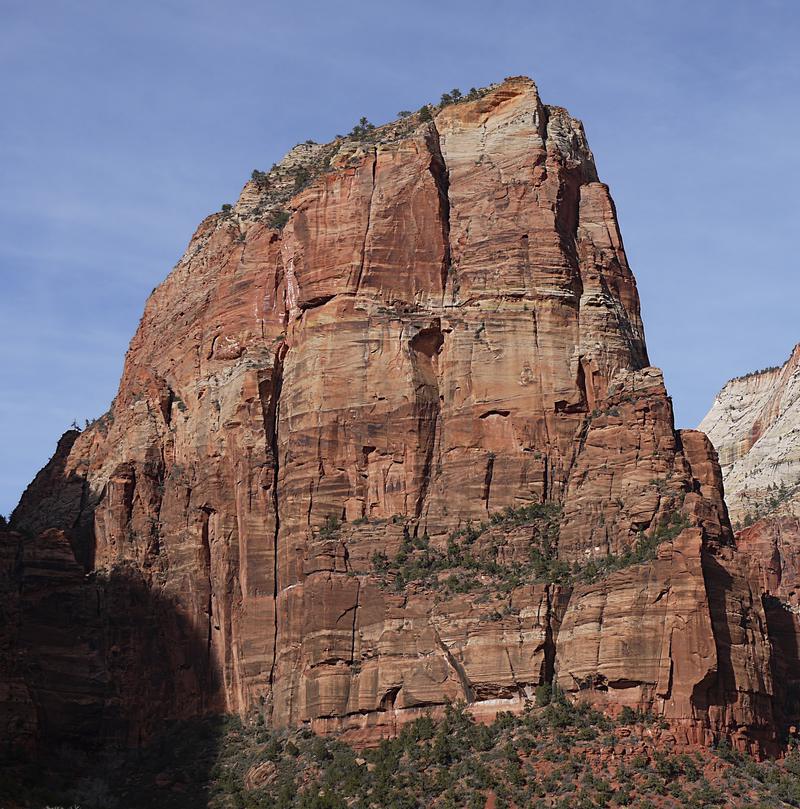 Angels LandingZion NP · UtahPermitLotterytough odds
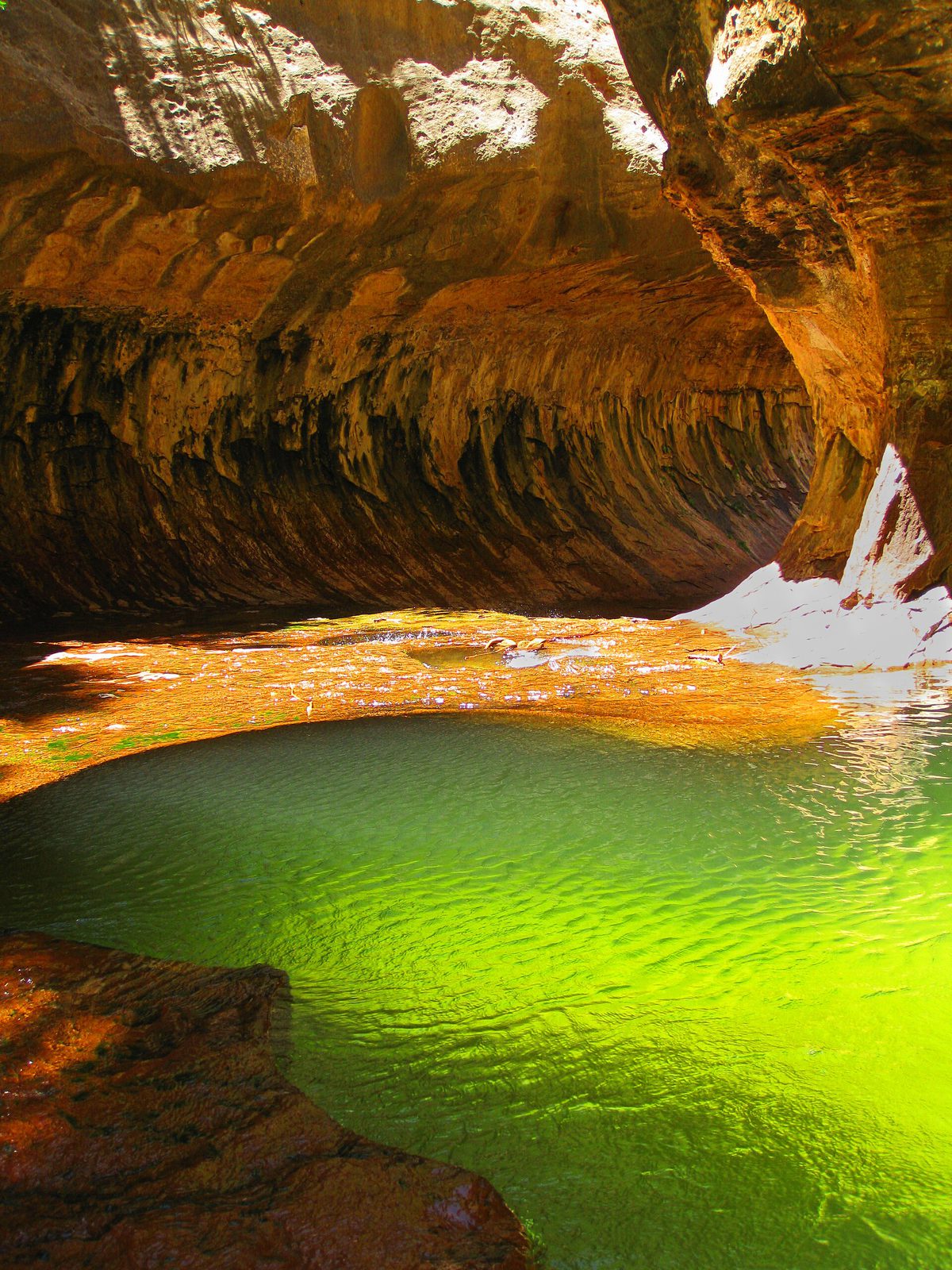 The SubwayZion NP · UtahPermitLotterytough odds
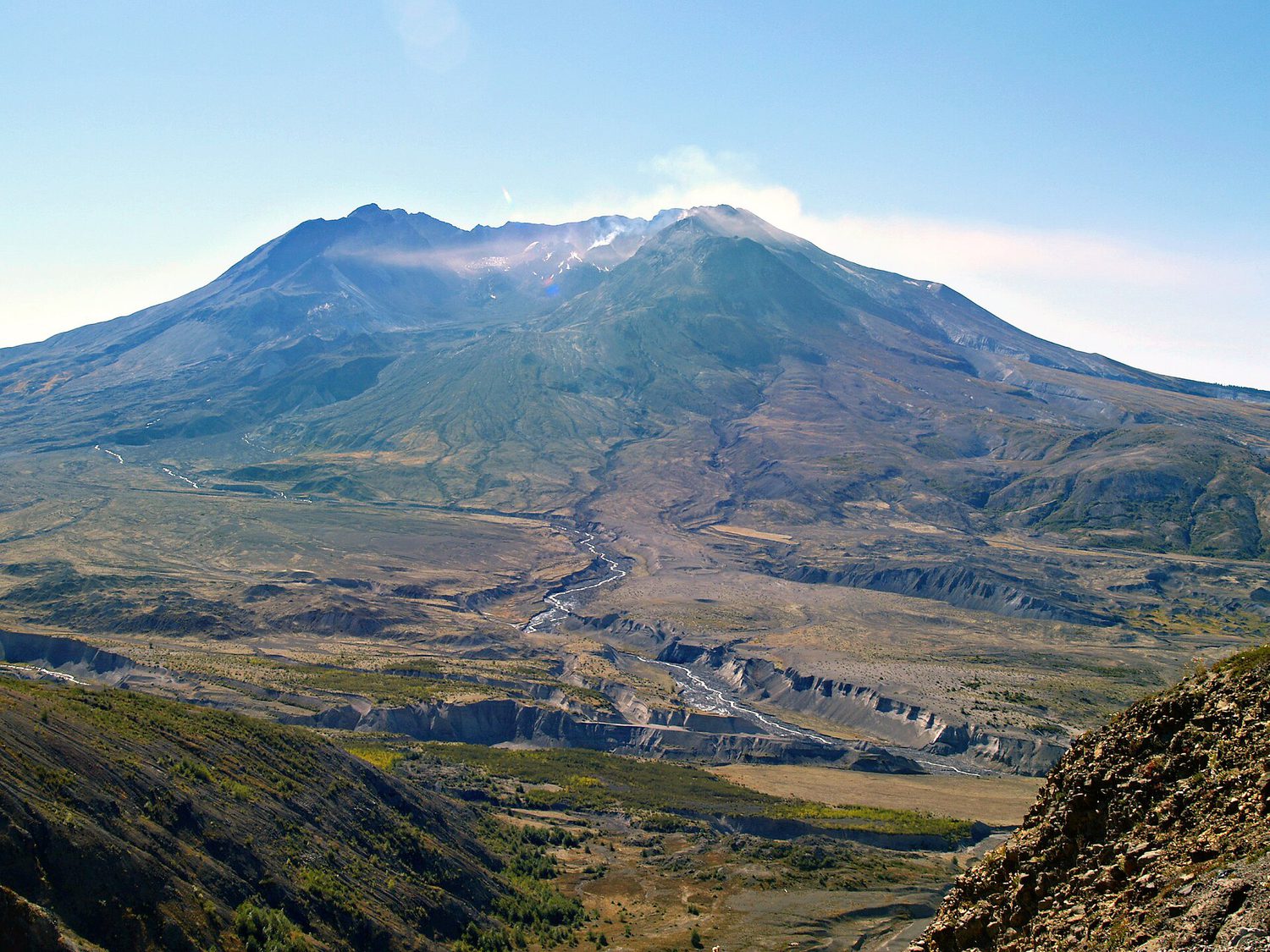 Mount St. Helens Summit ClimbGifford Pinchot NF · WashingtonPermitReservationtough odds
How it works
- An email the morning each window opens, never the day after.
- A 14-day heads-up so you can line up your group and dates.
- Win odds and a ranked backup plan for every trail you pick.
Didn't win? We keep watching. We check recreation.gov every day for The Enchantments, Half Dome and Angels Landing, and email you the moment a sold-out date frees up. Cancellations are the second chance most people never hear about.