Georgia Outdoor Circuit Map + 10-Day Adventure Itinerary
Mountains, rivers, swamp & barrier island, in one loop.
10-day Georgia outdoor circuit connecting the state's wildest landscapes: an Appalachian Trail backpack from Springer Mountain, Class III-IV whitewater on the Chattooga, an overnight kayak into the Okefenokee Swamp, and barrier-island camping on Cumberland Island.
“I’ve requested to book a Chain Lakes Loop guide on ExplorOFF, and it was the best idea ever! I highly recommend going with their guided option since you get a real human connection on the trail and don’t have to worry about a thing. Yulia was great to talk to!”
 29 stops on a real mapEvery stop pinned in order→
Georgia: every stop pinned in order.
Appalachian Trail · Chattooga · Okefenokee · Cumberland Island · Georgia
Every stop on this trip, in order, opens as one driving route in the Google Maps app. No copying addresses across one at a time.
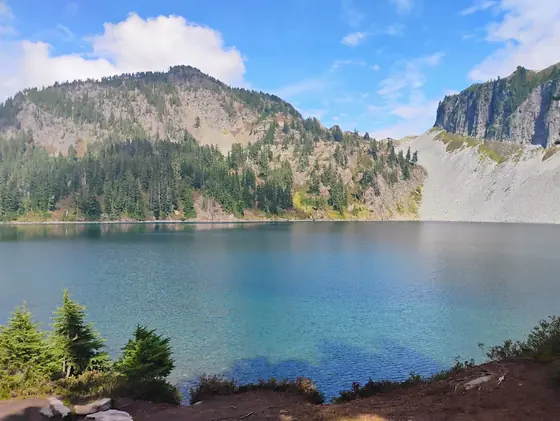
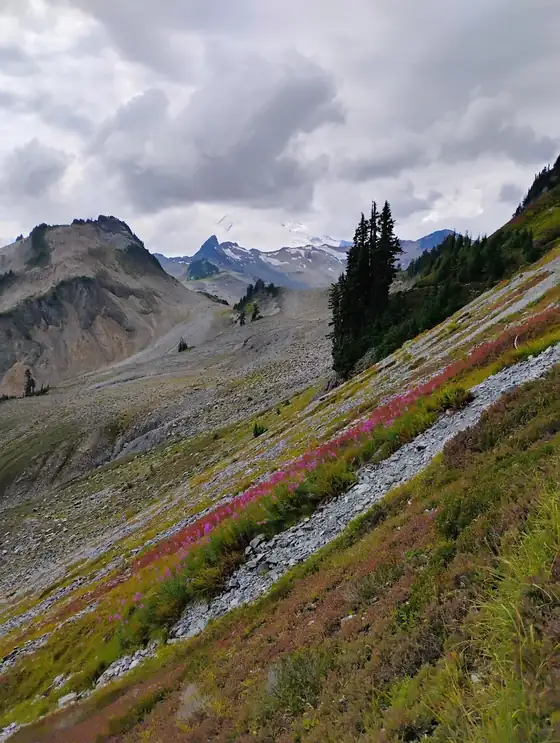
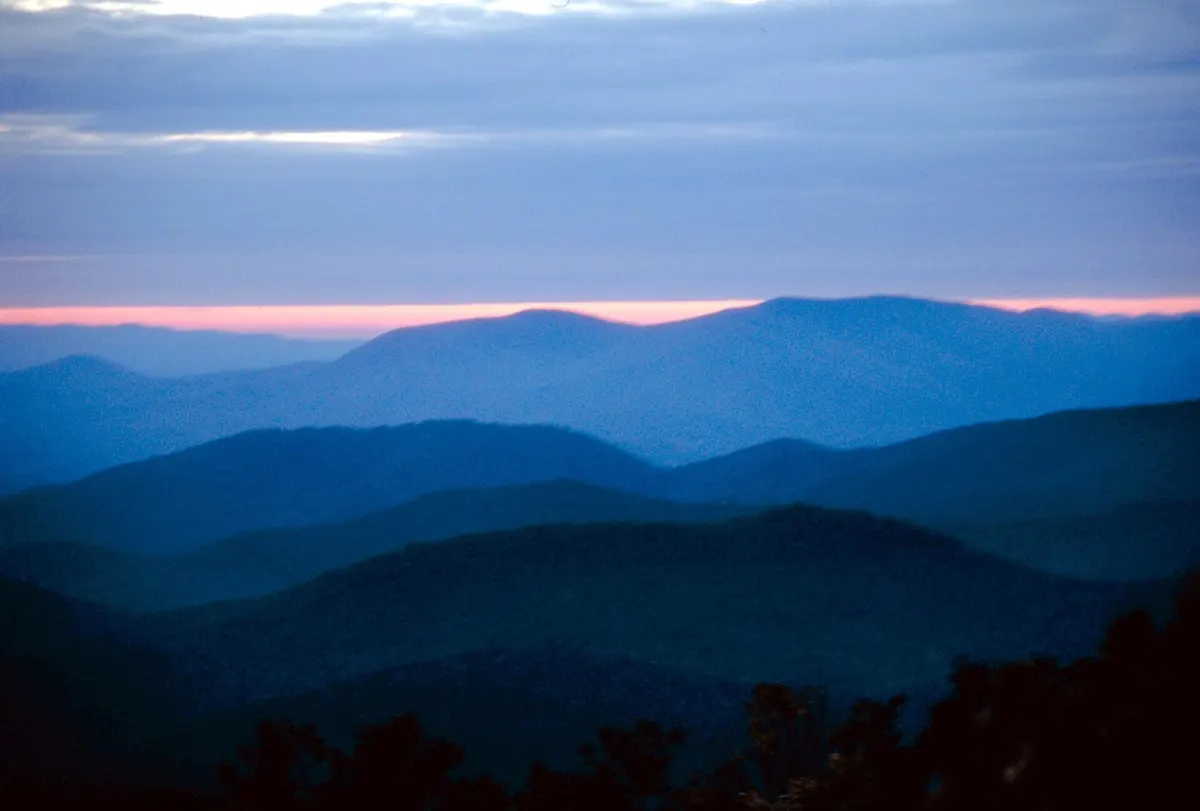
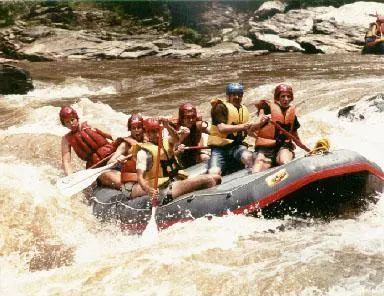
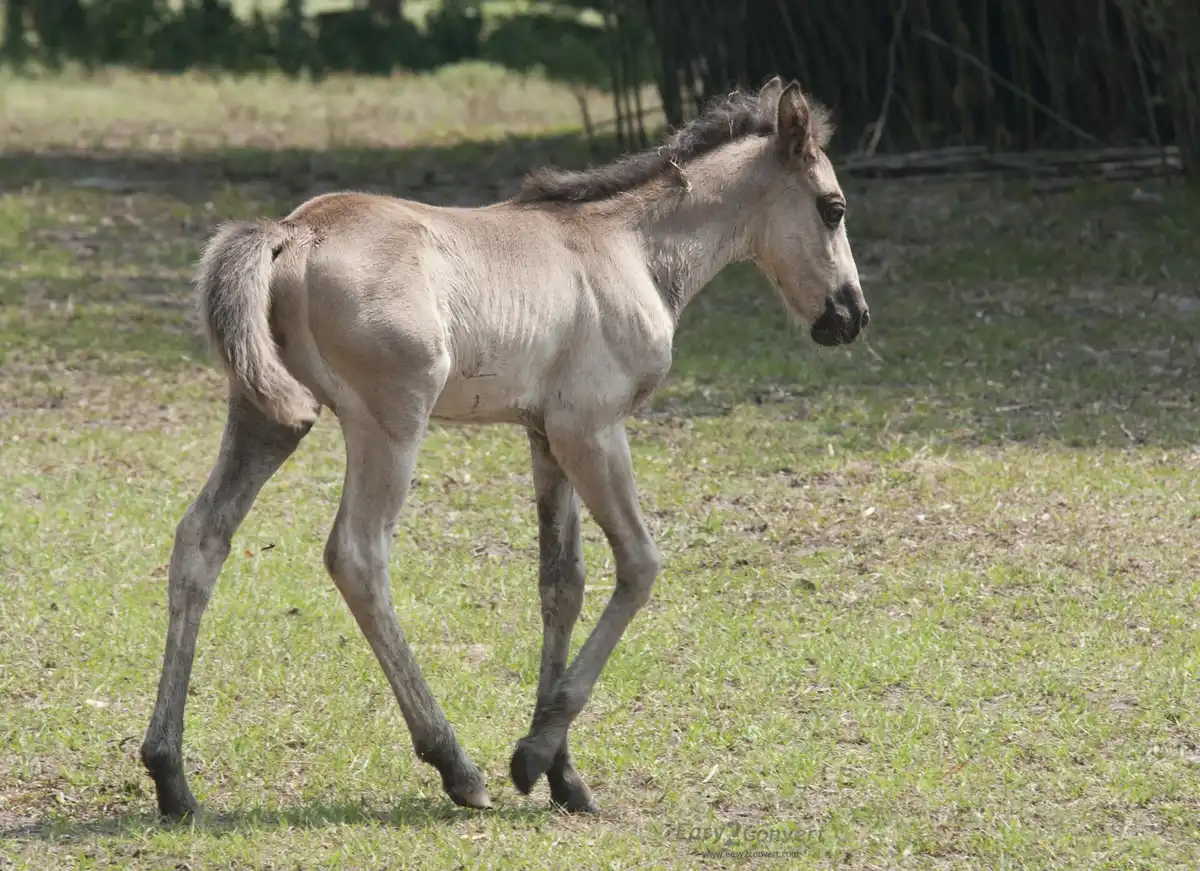
Georgia in photos: 4 of the stops.
Plan and book your 10 days in Georgia, one step at a time
- Okefenokee water levels are historically low: from the Suwannee Canal entrance only the Orange Trail to Canal Run is open, and the only open platforms there are Coffee Bay, Canal Run, Buzzards Roost and Round Top. Plan day 7 around Canal Run, and expect the refuge to modify or cancel routes if water drops again. Source
- Okefenokee camping permits are reserved by phone only, 912-496-3331, Tuesday to Thursday 7 to 10 a.m. Eastern, up to one month ahead, and every trip must start and end at the same entrance. Source
How 10 days in Georgia split up
Plan 10 days for Georgia. Base towns: Clayton → St. Marys. Activities: Multi-sport. Permits: Required. This 10-day Georgia outdoor circuit runs the full length of the state, from the Southern Appalachians in the north to the wild Atlantic barrier islands in the south. It strings together four completely different ecosystems and four different sports: backpacking, whitewater rafting, kayaking, and wildlife viewing.
Day 1: Arrive in North Georgia & Prep for Backpacking
2 stops · Day one
Day 2: Appalachian Trail: Springer Mountain to Hawk Mountain Shelter
4 stops · Day two
Day 3: Appalachian Trail: Hawk Mountain to Gooch Mountain Shelter
2 stops · Day three
Day 4: Gooch Mountain to Woody Gap & Drive to Helen
3 stops · Day four
Day 5: Whitewater Rafting on the Chattooga River · Section IV
3 stops · Day five
Day 6: Drive South & Okefenokee Swamp Exploration
3 stops · Day six
Day 7: Okefenokee Swamp Overnight Kayak Trip
3 stops · Day seven
Day 8: Okefenokee Morning Paddle & Drive to St. Marys
3 stops · Day eight
Day 9: Cumberland Island: Sea Camp to Stafford Beach
3 stops · Day nine
Day 10: Cumberland Island Exploration & Departure
3 stops · Day ten
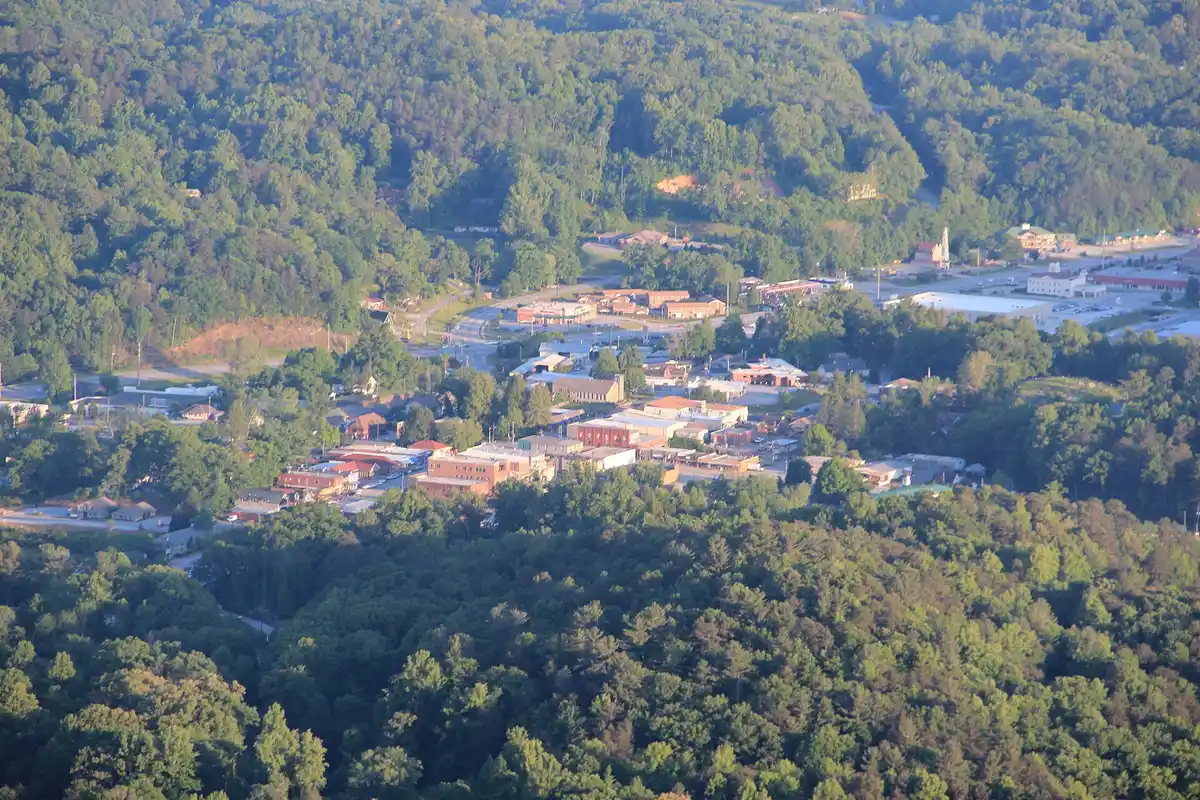
Arrive in North Georgia & Prep for Backpacking
Fly into Hartsfield-Jackson Atlanta International Airport (ATL) and drive north to Clayton, a gateway town to the Southern Appalachians. Use the afternoon to gather last-minute supplies, check the weather, and pack for tomorrow's Appalachian Trail backpack.
Not the order you want? Drag a stop, or use the arrows beside it. Stops move between days too.
- Drive from
~90 mi · 1.5–2 hr · mountain gateway town · DriveFly into Hartsfield-Jackson Atlanta International Airport (ATL) and drive north to Clayton, a gateway town to the Southern Appalachians. Clayton has grocery stores and outdoor shops for last-minute supplies and sits near Tallulah Gorge and Black Rock Mountain State Parks.
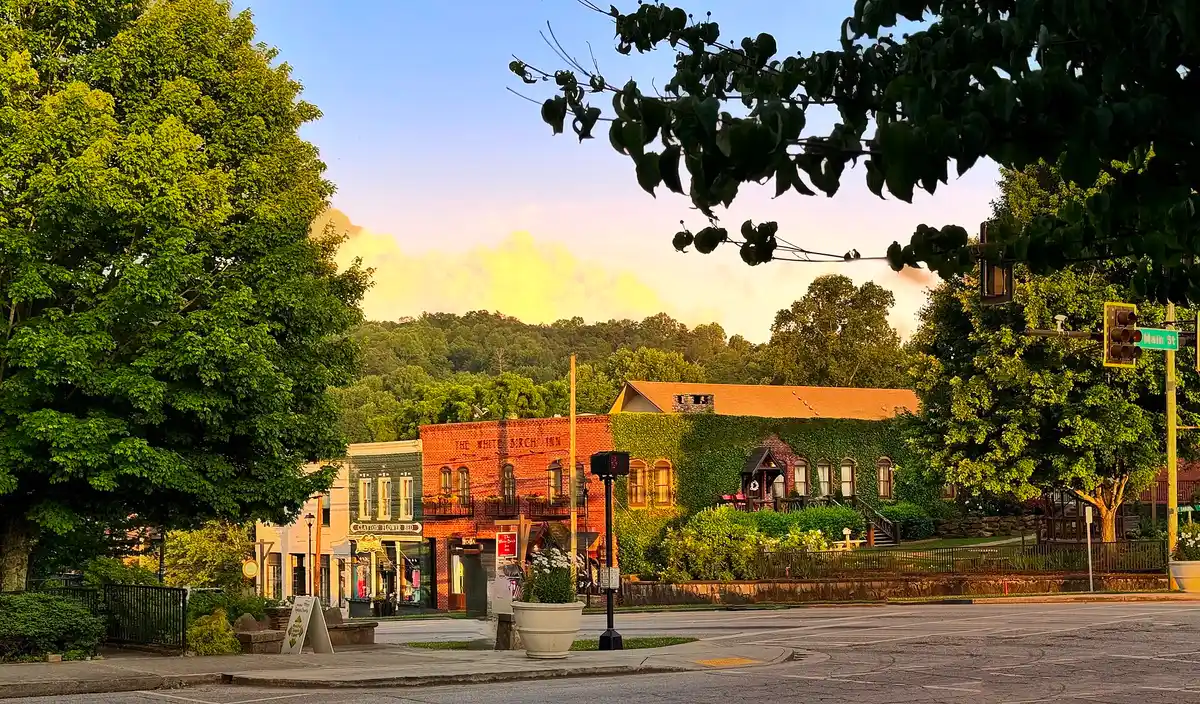 Harrison Keely / CC BY 4.0Overnight in Clayton, GA
Hotels, cabins & B&Bs · book ahead · lodgeCheck into your accommodation in Clayton. Use the evening to organize your backpacking gear, review maps, and confirm your Springer Mountain shuttle or a pre-positioned vehicle at Woody Gap. Book ahead, especially in peak spring and fall.
Appalachian Trail: Springer Mountain to Hawk Mountain Shelter
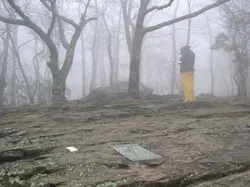
Drive to the Springer Mountain parking area on Forest Service Road 42, then hike the approach trail to the AT's official southern terminus (3,782 ft). Sign the register at the bronze plaque, then begin your northbound journey. The day is moderately strenuous with several climbs and descents through classic Southern Appalachian forest.
Not the order you want? Drag a stop, or use the arrows beside it. Stops move between days too.
- ChattOconeeNF / CC BY 2.0Drive to Springer Mountain trailhead
~2–2.5 hr · last stretch on gravel Forest Service Road 42 · DriveDrive to the Springer Mountain parking area on Forest Service Road 42. The road is gravel and can be rough, so check conditions and leave no valuables in your car before you start the approach.
- Springer Mountain summit · AT southern terminus
3,782 ft · sign the register · HikeHike the approach trail to the summit of Springer Mountain, the official southern terminus of the Appalachian Trail at 3,782 ft. Sign the register at the bronze plaque, then begin your northbound journey through classic Southern Appalachian forest.
See the trail → 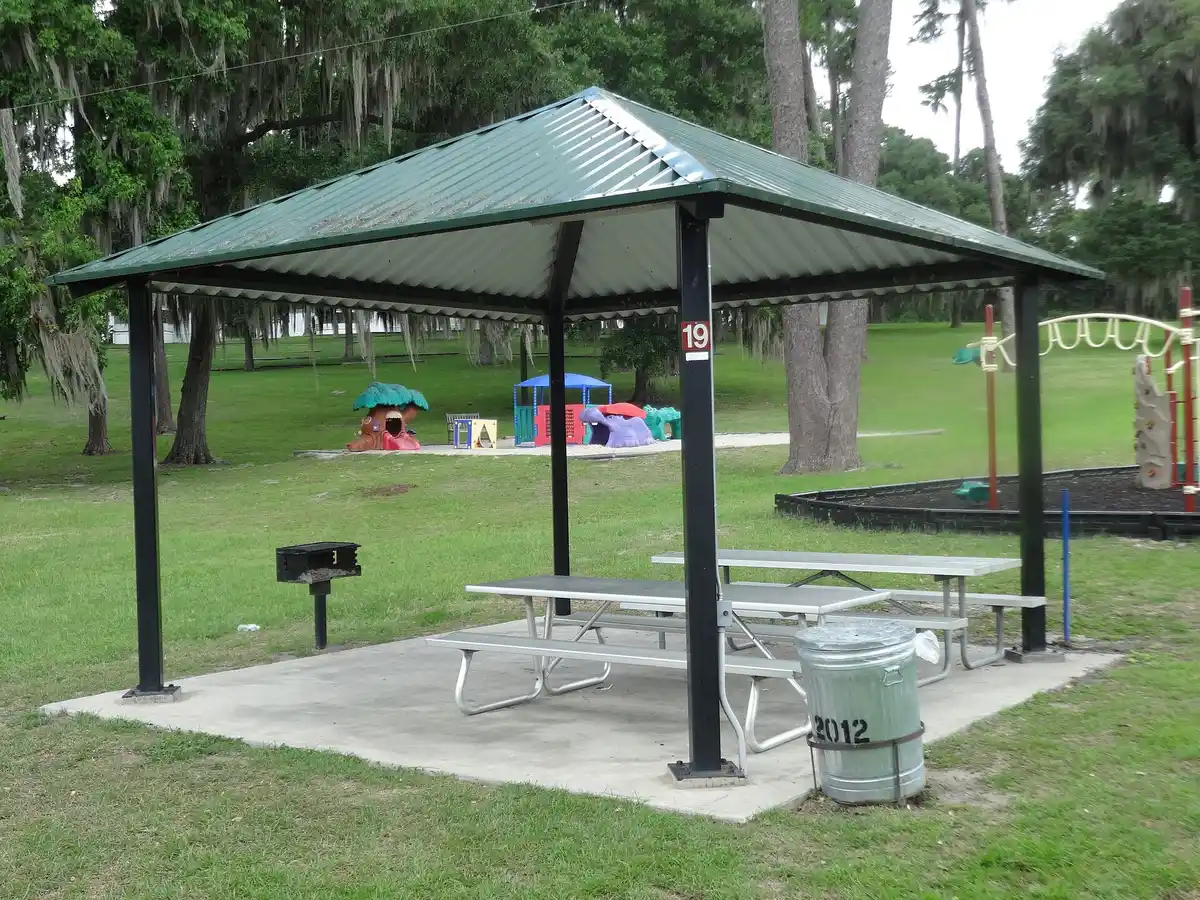 Michael Rivera / CC BY-SA 4.0Backpack to Hawk Mountain Shelter
8.1 mi · ~1,500 ft gain · moderate to strenuous · HikeHike 8.1 miles northbound to Hawk Mountain Shelter, with roughly 1,500 ft of gain over several climbs and descents. The shelter is first-come, first-served with nearby tent sites and a water source, so carry a tent and filter all water.
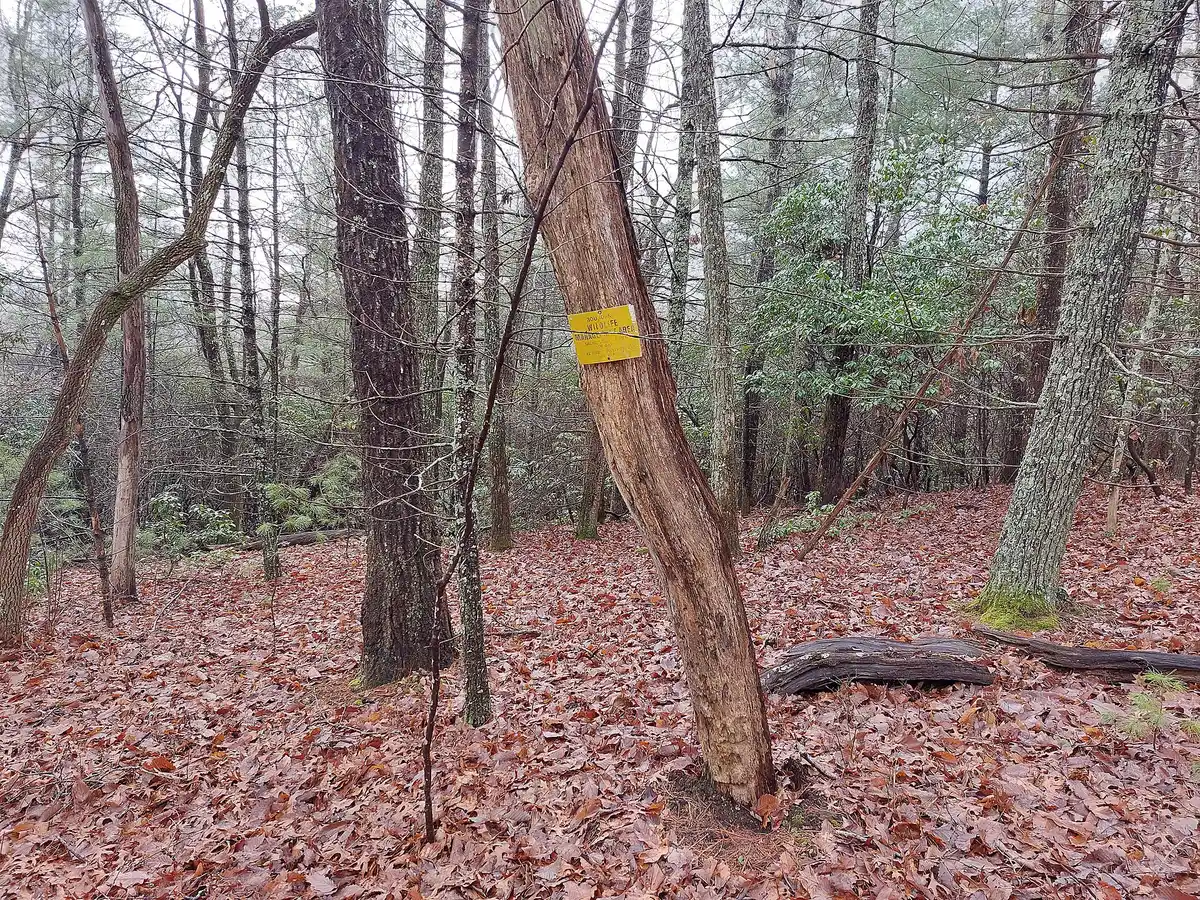 Joper344 / CC BY-SA 4.0Overnight at Hawk Mountain Shelter
Backcountry shelter · bear-safe food storage · lodgeSet up camp at Hawk Mountain Shelter, a typical AT backcountry site with a privy and space for tents nearby. A bear bag or canister is required for food storage, and you should always treat or filter the water.
Appalachian Trail: Hawk Mountain to Gooch Mountain Shelter
Continue your northbound trek across rolling terrain through dense forest, with occasional views through the trees and several small stream crossings. You may share the trail with other thru-hikers and section hikers this time of year.
Not the order you want? Drag a stop, or use the arrows beside it. Stops move between days too.
- Backpack to Gooch Mountain Shelter
7.6 mi · ~1,200 ft gain · rolling forest · HikeContinue northbound across rolling terrain through dense forest with occasional views and several small stream crossings. Follow the white blazes carefully at junctions, and top off water when you can.
- Overnight at Gooch Mountain Shelter
Backcountry shelter · tent sites · water source · lodgeArrive at Gooch Mountain Shelter, another established AT backcountry site with a privy and reliable water. Pitch your tent or use the shelter, filter water, and practice strict Leave No Trace and bear-safe food storage.
Gooch Mountain to Woody Gap & Drive to Helen
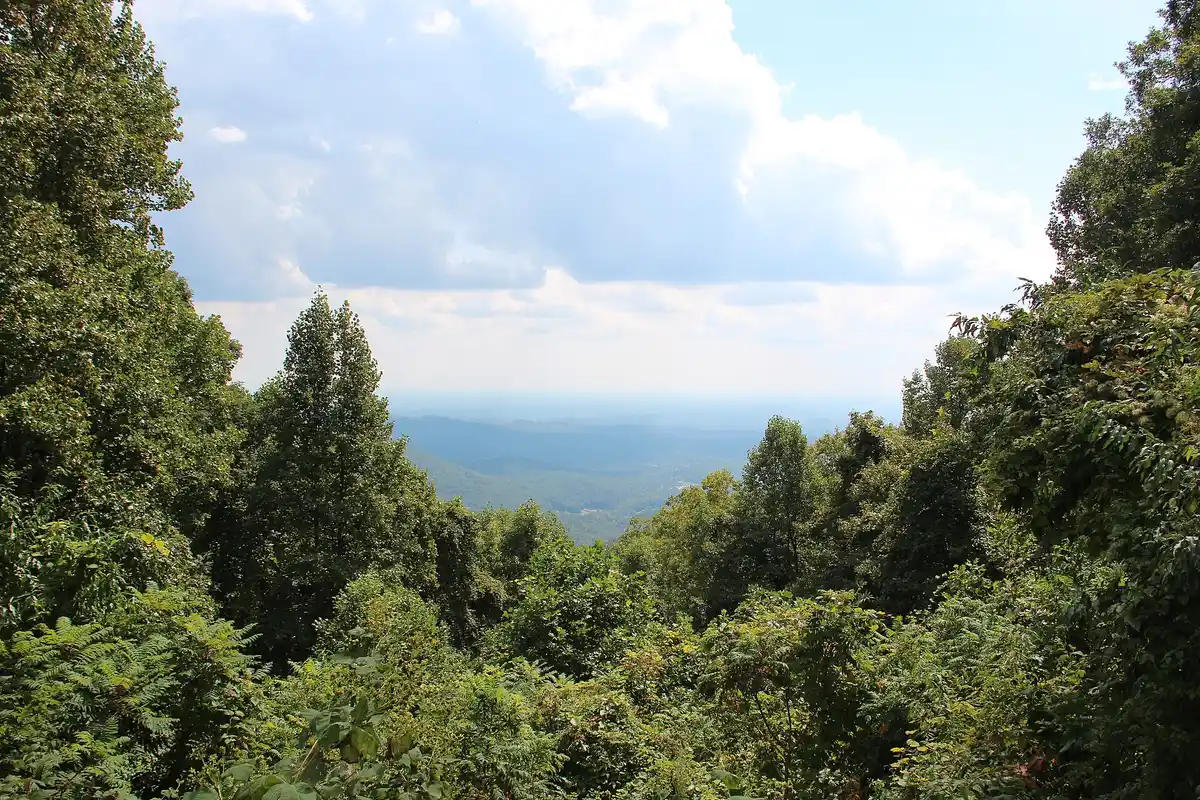
Complete the final leg of your section hike, descending toward Woody Gap with glimpses of long-range mountain views along the way. Retrieve your pre-positioned vehicle or meet your shuttle at the gap, which is a popular day-hiker access point on GA Highway 60.
Not the order you want? Drag a stop, or use the arrows beside it. Stops move between days too.
 Backpack to Woody Gap
6.5 mi · ~900 ft gain · descent to GA-60 · HikeComplete the final leg of the section hike, descending toward Woody Gap with glimpses of long-range mountain views. Woody Gap is a popular day-hiker access point on GA Highway 60 and the natural place to end the backpack.
- Drive from Woody Gap to Helen, GA
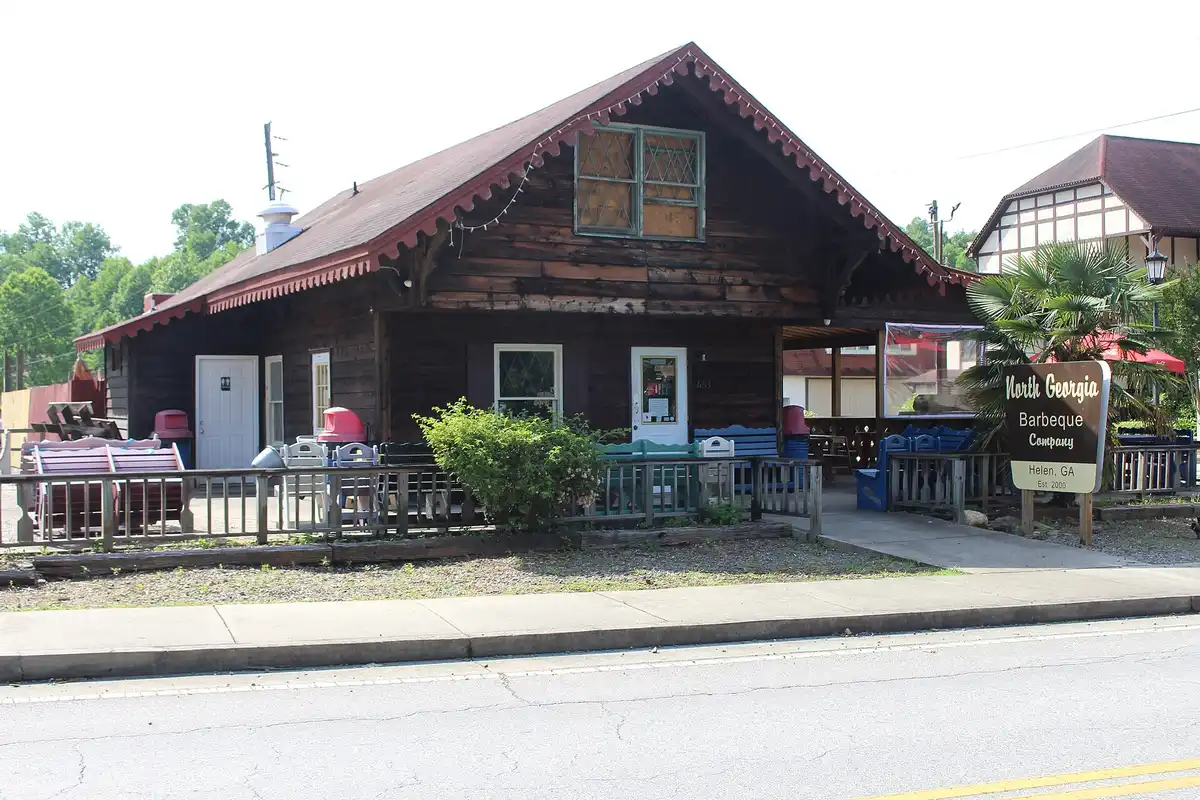
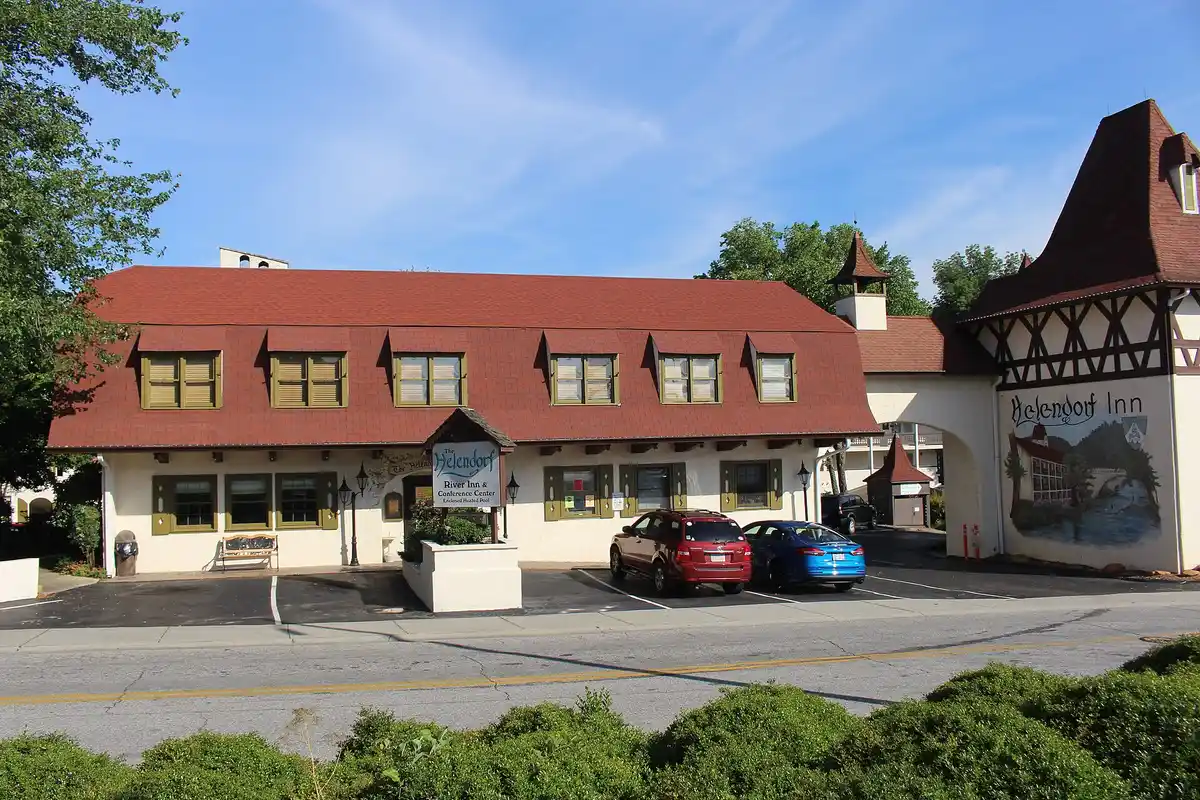
~20 mi · ~45 min · Bavarian-themed town · DriveRetrieve your pre-positioned vehicle or meet your shuttle at Woody Gap, then drive to the Bavarian-themed town of Helen for a complete change of pace and a comfortable base before your whitewater day.
 Michael Rivera / CC BY-SA 4.0Overnight in Helen, GA
Last night in North Georgia · recover · lodgeReturn to Helen after your rafting trip for a well-deserved meal and a relaxed evening. This is your last night in North Georgia before the long drive south to the Okefenokee.
Whitewater Rafting on the Chattooga River · Section IV
Spend the day rafting the Wild & Scenic Chattooga River, which forms part of the Georgia–South Carolina border. Section IV is renowned for challenging Class III-IV rapids, including the famous Five Falls sequence of Entrance, Corkscrew, Crack-in-the-Rock, Jawbone, and Sock 'em Dog.
Not the order you want? Drag a stop, or use the arrows beside it. Stops move between days too.
- Drive to the Chattooga River outfitter
~1 hr from Helen · near Long Creek, SC · DriveDrive to your pre-booked whitewater outfitter. Most Chattooga Section IV outfitters are near Long Creek, SC or Clayton, GA. They provide transportation to and from the river, so arrive at least 30 minutes before your scheduled trip.
- Guided rafting · Chattooga Section IV
Class III-IV · about 5.5 hr · 5.0 from 23 reviews · activityRaft Section IV of the Wild & Scenic Chattooga River, renowned for challenging Class III-IV rapids including the famous Five Falls: Entrance, Corkscrew, Crack-in-the-Rock, Jawbone, and Sock 'em Dog. Private boating here requires specific permits and skill, so this is a guided trip with all gear provided. This one runs with the Nantahala Outdoor Center, whose co-founder doubled as a stuntman on this river for Deliverance; check in 30 minutes early at their Chattooga outpost in Mountain Rest, SC.
Book this → - Michael Rivera / CC BY-SA 4.0Overnight in Helen, GA
Last night in North Georgia · recover · lodgeReturn to Helen after your rafting trip for a well-deserved meal and a relaxed evening. This is your last night in North Georgia before the long drive south to the Okefenokee.
Drive South & Okefenokee Swamp Exploration
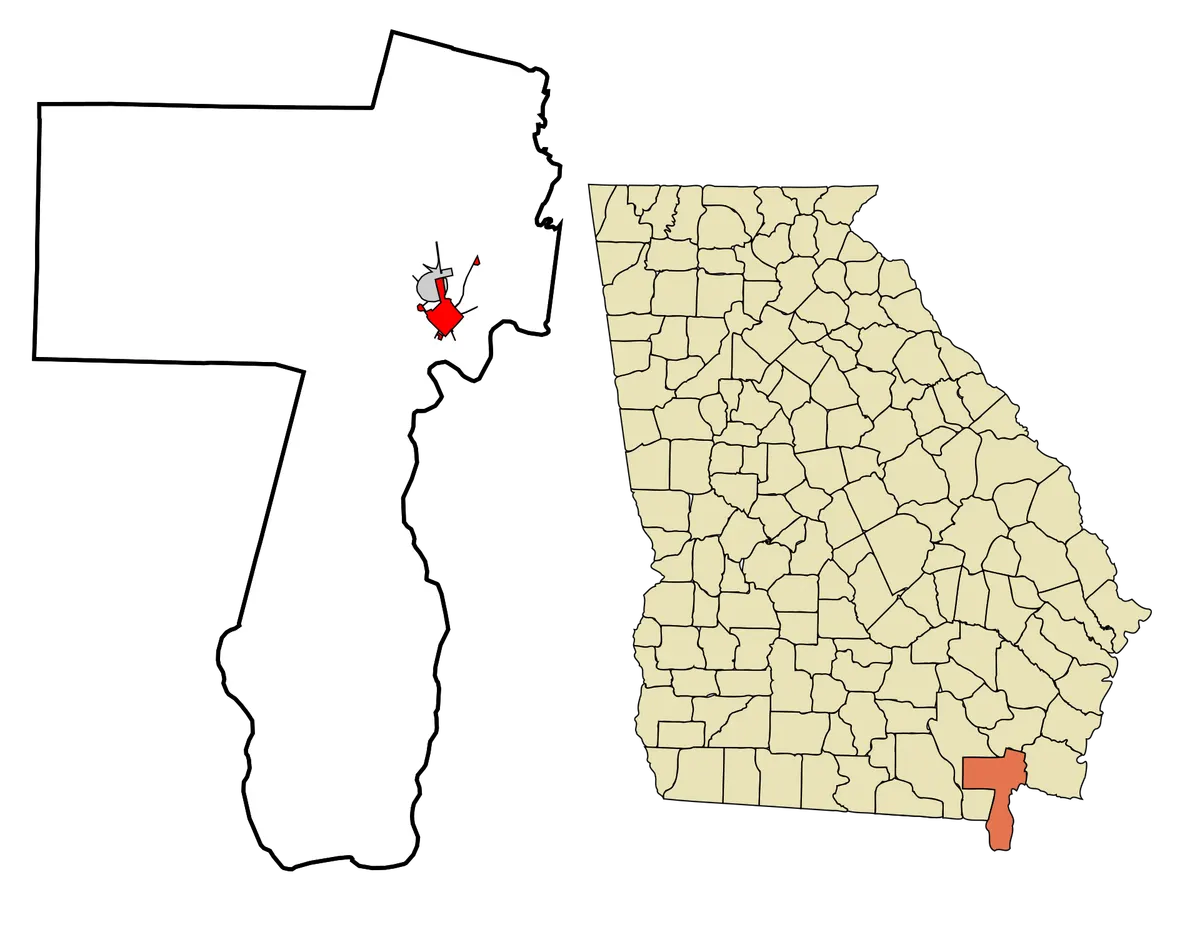
Make the long drive south, trading the mountains for the coastal plain and the vast Okefenokee Swamp. Your destination is Folkston, the gateway to the refuge's eastern entrance at the Suwannee Canal Recreation Area.
Not the order you want? Drag a stop, or use the arrows beside it. Stops move between days too.
 Arkyan / CC BY-SA 3.0Drive from Helen to Folkston, GA
~350 mi · about 6 hr · mountains to coastal plain · DriveMake the long drive south, trading the mountains for the coastal plain and the vast Okefenokee Swamp. Folkston is the gateway to the refuge's eastern entrance. Leave early and plan fuel and meal stops along the way.
- Okefenokee NWR east entrance & boardwalk
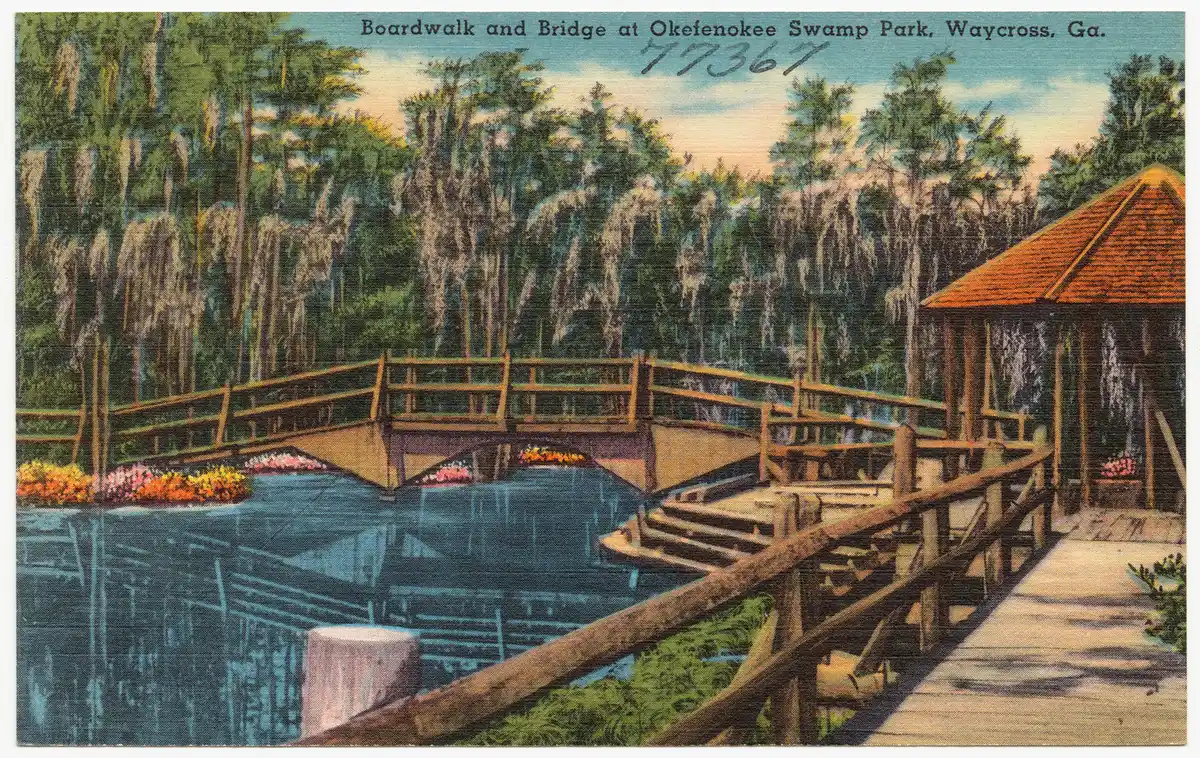
Richard S. Bolt Visitor Center · Chesser Island · ViewpointVisit the Richard S. Bolt Visitor Center at the Suwannee Canal Recreation Area, then walk the Chesser Island Homestead and boardwalk for a first taste of the swamp. The boardwalk is superb for spotting alligators, wading birds, and turtles.
Official info → 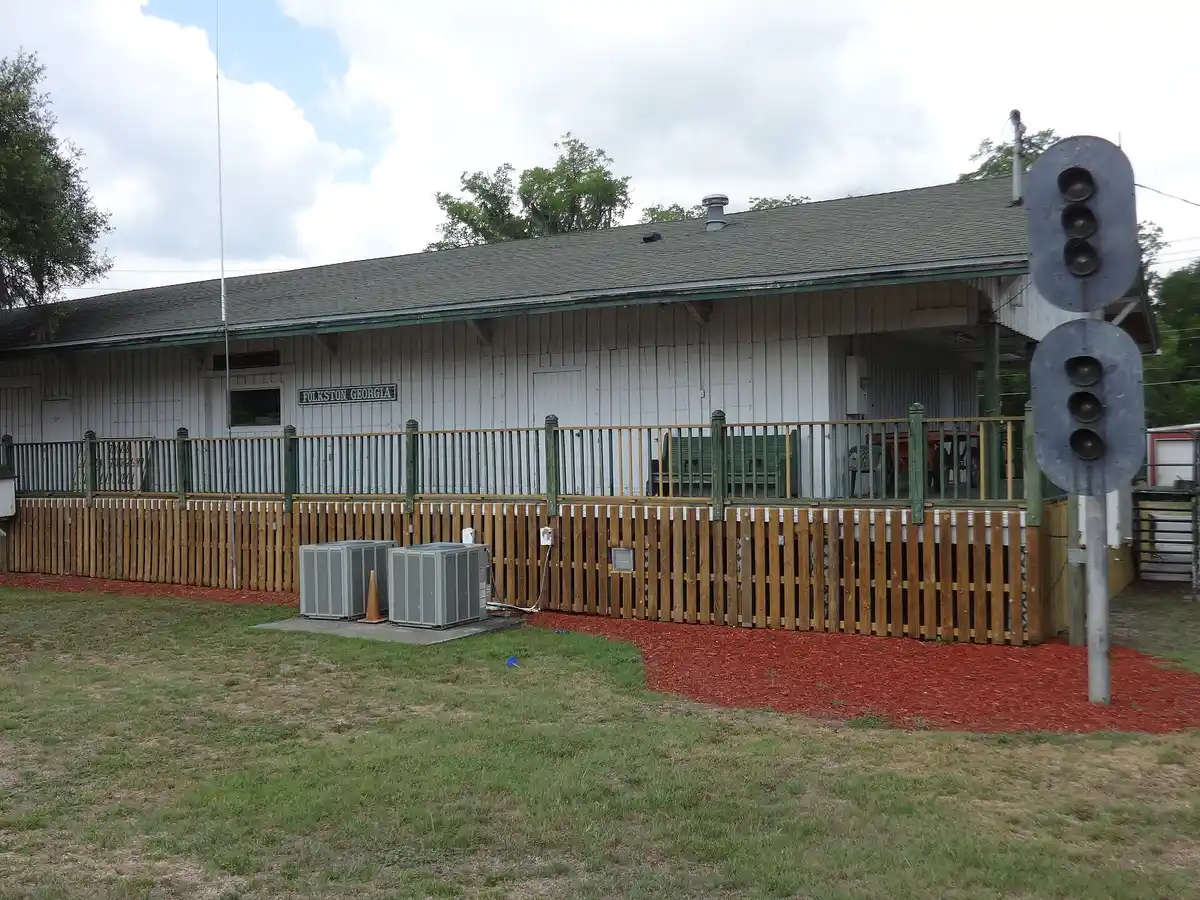 Michael Rivera / CC BY-SA 4.0Overnight in Folkston, GA
Limited lodging · book ahead · lodgeCheck into your accommodation in Folkston and finalize preparations for tomorrow's overnight kayak trip. Lodging options are few, so reserve well in advance, and enjoy some Southern comfort food in town.
Okefenokee Swamp Overnight Kayak Trip
Launch on an unforgettable overnight paddle into the heart of the Okefenokee Swamp. This requires an overnight camping permit, reserved by phone (912-496-3331, Tuesday to Thursday, 7 to 10 a.m. Eastern), up to one month ahead; every trip must start and end at the same entrance. Check in at the visitor center, then follow a designated water trail such as the Suwannee Canal Wilderness Canoe Trail through cypress forest and open prairies dotted with gator holes.
Not the order you want? Drag a stop, or use the arrows beside it. Stops move between days too.
- Okefenokee wilderness permit check-in
Camping permit by phone · one month ahead · ViewpointCheck in at the Okefenokee visitor center with your confirmed overnight wilderness canoe-trail permit. Permits are reserved by phone (912-496-3331, Tuesday to Thursday, 7 to 10 a.m. Eastern), up to one month ahead. Strict rules apply to food storage and waste.
Official info → - Kayak the Suwannee Canal wilderness trail
8–10 mi · 6–8 hr · cypress & prairies · HikeLaunch your kayak or canoe onto a designated wilderness canoe trail such as the Suwannee Canal Wilderness Canoe Trail, paddling 8–10 miles through cypress forest and open prairies dotted with gator holes. Rent boats near the entrance if you don't bring your own, and stay on the marked trail.
- Overnight on a camping platform
Canal Run platform · open in low water · BYO water · lodgeCamp on a designated chickee, an elevated wooden platform where you pitch your tent above the water in the heart of the swamp. Each has a composting toilet but no potable water, so carry everything you need and store all food securely from raccoons and alligators.
Okefenokee Morning Paddle & Drive to St. Marys
Wake to the sounds of the swamp and enjoy a final morning paddle back toward your put-in. Early hours are prime for wildlife, when herons, egrets, and cranes are most active and the water is glassy and still. Take your time soaking in the serene atmosphere.
Not the order you want? Drag a stop, or use the arrows beside it. Stops move between days too.
- Morning paddle out of the Okefenokee
4–6 mi · 2–3 hr · prime wildlife viewing · HikeEnjoy a final morning paddle back toward your put-in. Early hours are prime for wildlife, when herons, egrets, and cranes are most active and the water is glassy and still. Keep a respectful distance from alligators.
- Drive from Folkston to St. Marys, GA
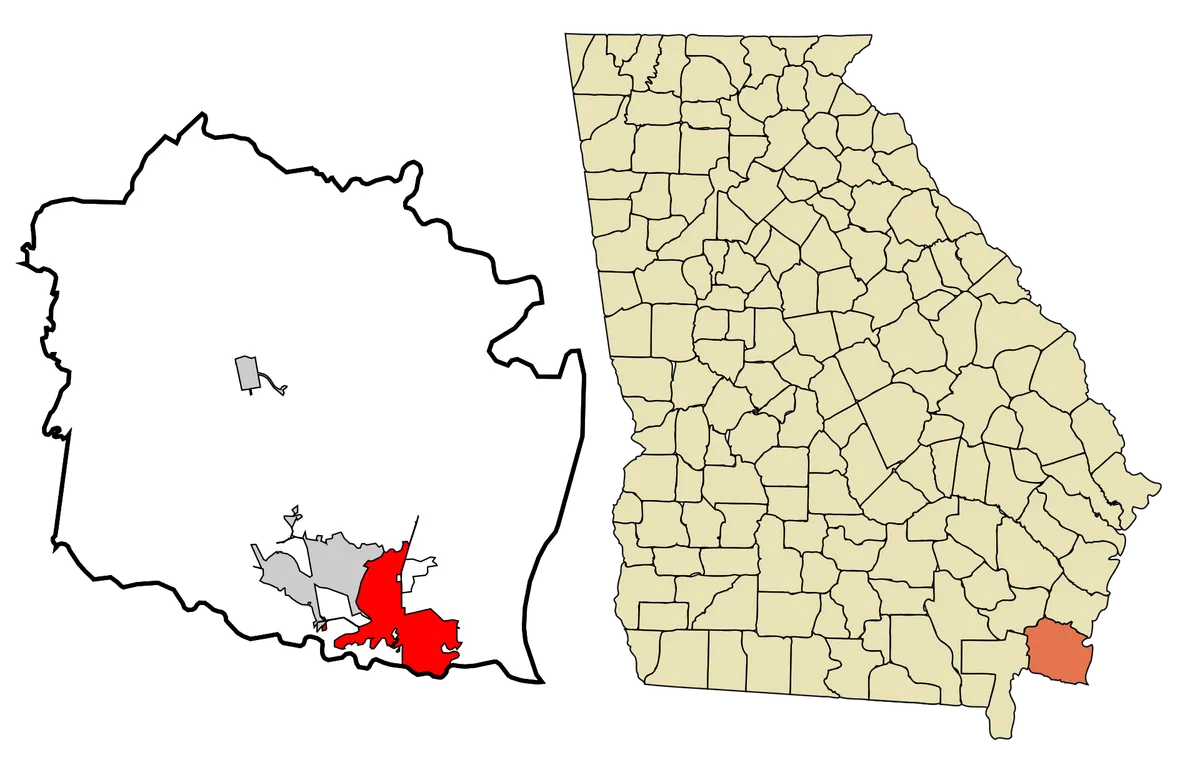
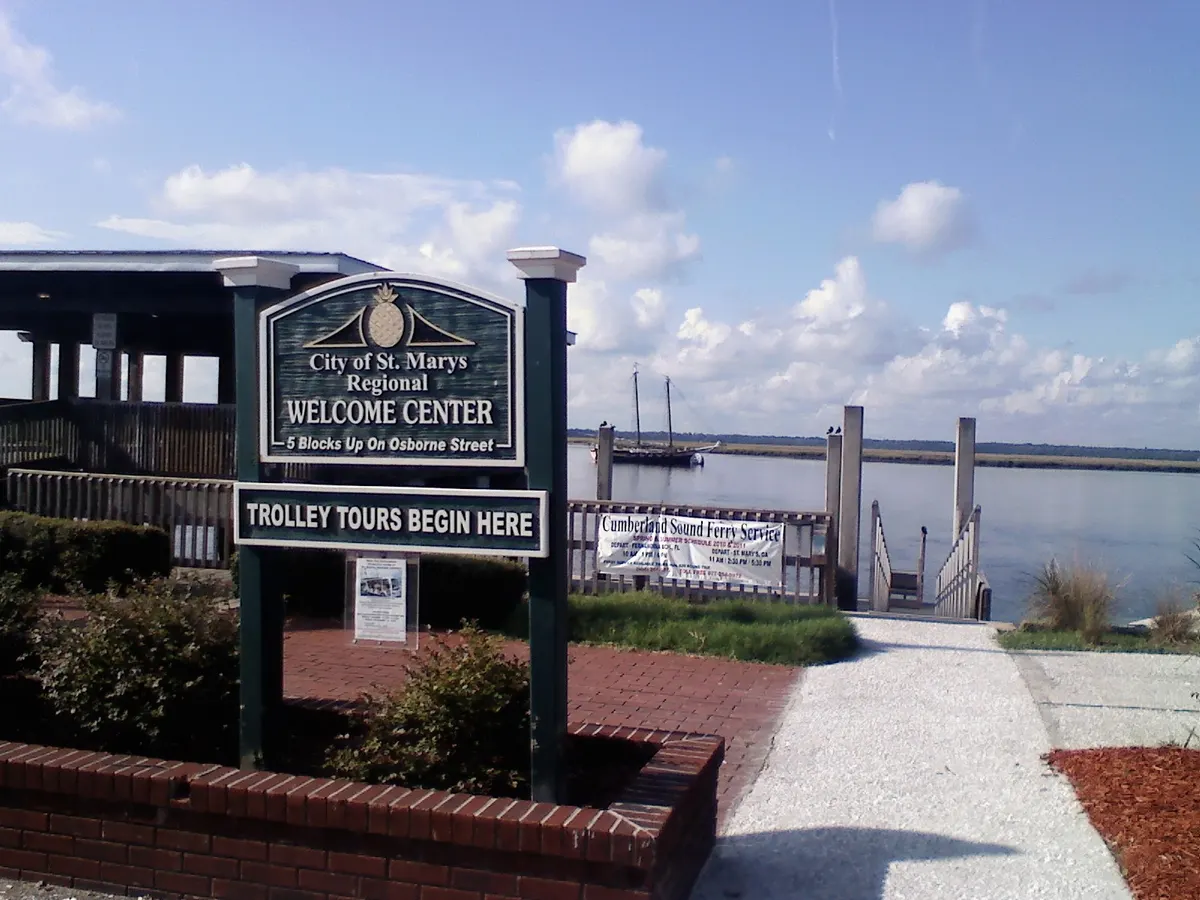
~50 mi · ~1 hr · gateway to Cumberland Island · DriveAfter packing up, drive east to St. Marys, the historic coastal town that serves as the ferry departure point for Cumberland Island National Seashore. This is your last chance for groceries and fuel before the island.
 Legohead / CC BY-SA 3.0Overnight in St. Marys, GA
Hotels & B&Bs · coastal town · lodgeCheck into your accommodation in St. Marys, prepare your pack for Cumberland Island, and enjoy a meal in town. Reconfirm your ferry departure time tonight, since the schedule is strict.
Cumberland Island: Sea Camp to Stafford Beach
Catch the early ferry from St. Marys to Cumberland Island National Seashore, a 45-minute ride across Cumberland Sound with a chance to spot dolphins. At Sea Camp Dock, check in with rangers and confirm your backcountry permit.
Not the order you want? Drag a stop, or use the arrows beside it. Stops move between days too.
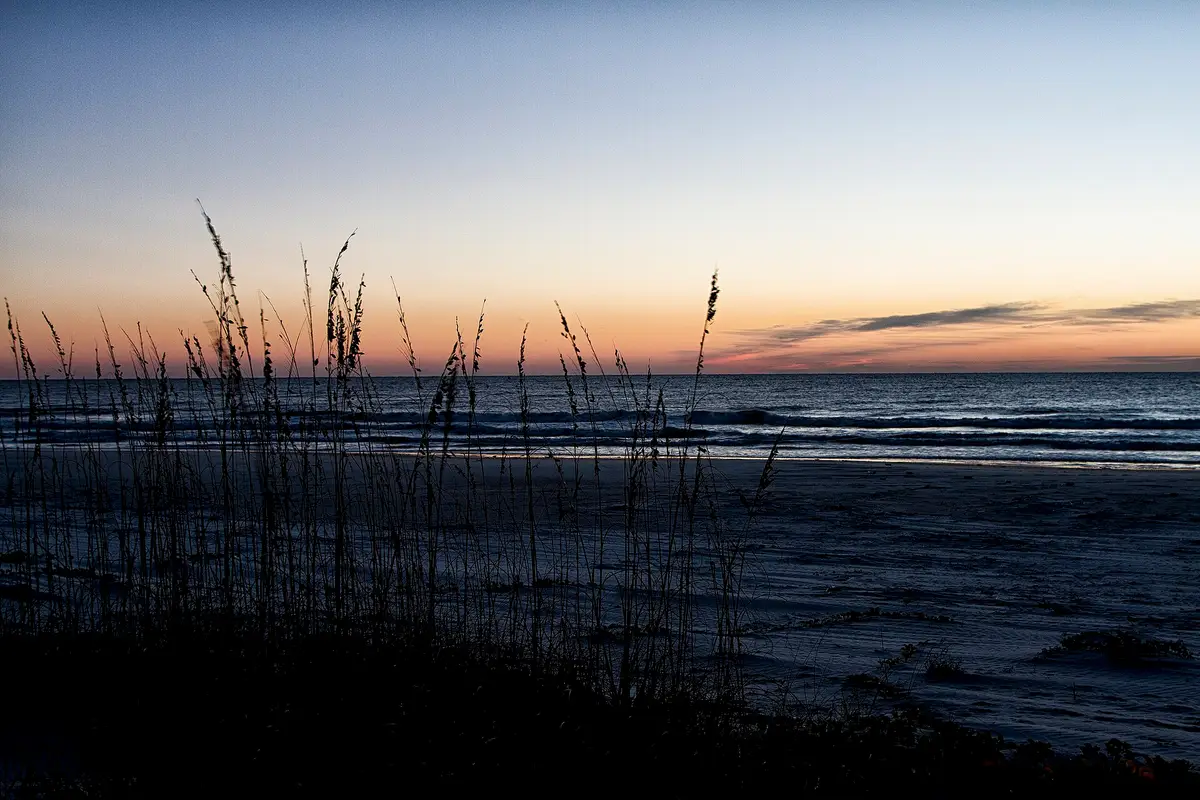 Ferry from St. Marys to Sea Camp Dock
~45 min · book ahead · no vehicles on the island · DriveCatch the early ferry from St. Marys across Cumberland Sound to Sea Camp Dock on Cumberland Island National Seashore, a ~45-minute ride with a chance to spot dolphins. Check in with rangers and confirm your backcountry permit on arrival.
Official info →- Hike Sea Camp to Stafford Beach
5 mi · flat · beach or maritime-forest trail · HikeHike about 5 miles north from Sea Camp to Stafford Beach, choosing the pristine beach or the interior Parallel Trail through maritime forest. Watch for the island's famous wild horses, and carry all your water since there is none on the trail.
- Overnight at Stafford Beach Campground
Primitive sites · cold showers · composting toilets · lodgeSet up your tent at Stafford Beach Campground, a primitive site with cold-water showers and composting toilets, steps from an undeveloped Atlantic shore. Pack out all trash and observe the feral horses from a distance.
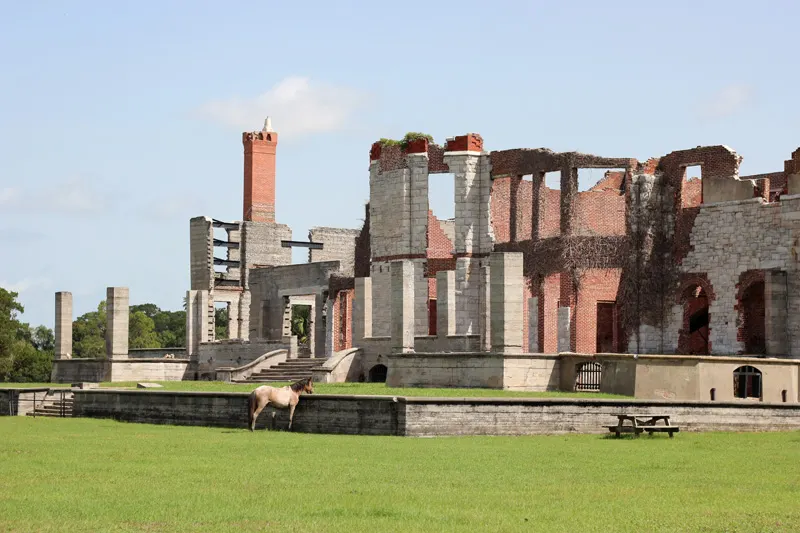
Cumberland Island Exploration & Departure
Wake to the ocean and enjoy a final morning on the island. Hike south to the historic Dungeness Ruins, the shell of a Carnegie mansion where horses often graze, or simply stroll the beach hunting shells and watching wildlife. Allow plenty of time to return to Sea Camp for your ferry.
Not the order you want? Drag a stop, or use the arrows beside it. Stops move between days too.
- Explore the Dungeness Ruins & beach
Historic Carnegie mansion · shells & wildlife · HikeSpend your final morning exploring the island. Hike south to the historic Dungeness Ruins, the shell of a Carnegie mansion where horses often graze, or stroll the beach hunting shells and watching wildlife. Allow plenty of time to return to Sea Camp for your ferry.
- Afternoon ferry back to St. Marys
~45 min · strict schedule · Sea Camp Dock · DriveCatch the afternoon ferry back to St. Marys from Sea Camp Dock. The schedule is strict and there is no other way off the island, so arrive at the dock well before your scheduled departure.
- Drive to Jacksonville (JAX) or Atlanta (ATL)
JAX ~1 hr · ATL ~5 hr · end of the circuit · DriveFrom St. Marys, drive to Jacksonville International Airport (JAX), about an hour away, for the closest flights home, or make the longer drive back to Atlanta (ATL) to close the loop on your Georgia outdoor circuit. Allow plenty of time for airport check-in and Atlanta traffic.
Book the 9 nights
Beds near the trailheads are the one thing on this trip that genuinely runs out. Everything else can be decided later.
Tell us your dates and we will do the checking. We find what is still open near each trailhead and email you this plan back with a booking link for each night. Nothing is charged and you decide at the end.
Request to bookWhat to pack for Georgia
Built from this route, not a generic list. Every line says why it is here.
On every day of this trip
On your feet
Because you are sleeping out 4 nights
For the 5 nights under a roof
For the driving days
Essential permits, timing & planning.
Lock in permits early
The two hardest reservations are the Okefenokee overnight camping permit (by phone (912-496-3331, Tuesday to Thursday, 7 to 10 a.m. Eastern), up to one month ahead) and the Cumberland Island backcountry permit plus ferry (via the National Park Service), which can book out months ahead for spring and fall. Section hikers on the AT generally do not need a permit for the shelters on this stretch.
Go in spring or fall
April–May brings mountain wildflowers, active swamp wildlife, and good whitewater levels, with humidity climbing toward late May. September–October brings cooler temperatures, fall foliage in the Appalachians, and fewer bugs on the coast. Avoid June–August heat, humidity, and insects, and watch hurricane forecasts in fall.
Plan the point-to-point logistics
The AT section is point-to-point, so arrange a shuttle or a pre-positioned car at Woody Gap before you start at Springer Mountain. The drive from the mountains to the Okefenokee is about 6 hours, so treat Day 6 as a travel day and don't over-schedule it.
Bring your own gear, rent the rest
You supply personal backpacking gear for the AT, Okefenokee, and Cumberland Island. Whitewater outfitters provide all technical rafting gear. Kayaks and canoes for the Okefenokee can be rented from outfitters near the refuge entrances if you don't bring your own.
Store food & respect wildlife
Use a bear bag or canister on the AT, secure all food from raccoons and alligators on the Okefenokee chickees, and keep your distance from Cumberland Island's feral horses. Never approach or feed any wildlife on the circuit.
Expect no cell service in the backcountry
Towns like Clayton, Helen, Folkston, and St. Marys have reliable service, but expect little to none on the AT backcountry, deep in the Okefenokee, and on Cumberland Island. Carry a satellite communicator for emergencies in the remote segments.
Carry all your backcountry water
Two of the wildest nights, the Okefenokee chickee on Day 7 and Stafford Beach on Day 9, have no potable water, so you must paddle and pack in everything you will drink. Plan on roughly one gallon per person per day in the coastal heat, treat or filter any water you take from the AT shelter sources, and treat filtering black swamp water only as a genuine last resort.
Georgia: questions before you go
Georgia road trip: the questions people ask most.
Costs vary widely. Budget for a car rental, a mix of camping and hotels, food, the whitewater rafting tour (about $100–150), Okefenokee permit and rental fees (about $10–20 per person per night plus rental), the Cumberland Island ferry ($20–30 round trip) and camping fees ($4–10 per person per night), and state park entrance fees. Expect roughly $1,000 to $2,500 or more per person, excluding flights.
Yes. Okefenokee overnight wilderness permits (chickees) and Cumberland Island backcountry permits are limited and can book out months in advance for peak seasons. Appalachian Trail section hikers generally do not need a specific permit to overnight at the shelters on this stretch, though long-distance permits are managed by the ATC. Always confirm current regulations with official sources.
Moderate to strenuous. It includes multi-day backpacking with elevation gain on the AT, Class III-IV whitewater rafting on the Chattooga, and long paddling days in the Okefenokee. You should have solid fitness, some prior backpacking experience, and be comfortable in wilderness settings.
For spring or fall, book Cumberland Island permits and the ferry months ahead, and call for the Okefenokee camping permit the day your date opens, one month out. Book the Chattooga rafting tour 1–2 months out. Lodging in popular towns like Helen and St. Marys fills up, so reserve at least 2–3 months in advance.
In the mountains you might see deer, the occasional black bear, and many bird species. The Okefenokee is famous for alligators, turtles, snakes, wading birds like herons, egrets, and cranes, and otters. On Cumberland Island you will likely encounter wild horses, deer, armadillos, and many shorebirds.
Service is generally reliable in Clayton, Helen, Folkston, and St. Marys, but expect very limited to no coverage on the AT backcountry sections, deep in the Okefenokee Swamp, and on Cumberland Island. Bring a satellite communication device for emergencies in the remote areas.
Not on Section IV. Private boating on the Chattooga's Section IV requires significant skill and specific permits, so this itinerary uses a guided trip with an outfitter near Long Creek, SC or Clayton, GA. The outfitter provides all gear, instruction, and shuttle to and from the river.
Reserve the two hardest pieces first, because they run on separate competitive federal systems that open on their own schedules: the Okefenokee overnight camping permit, reserved by phone (912-496-3331, Tuesday to Thursday, 7 to 10 a.m. Eastern), up to one month ahead, and the Cumberland Island ferry plus backcountry camping through the National Park Service, which can go months out. Secure both first, then build the rest of the trip around those fixed dates. Only after the permits and the ferry are confirmed should you book cabins, hotels, the Chattooga guided raft trip, and your flights, so a sold-out window never strands the rest of your plans.
For most travelers Jacksonville International Airport (JAX) is the smarter finish, since it sits about an hour south of the St. Marys ferry dock, while driving all the way back to Atlanta (ATL) adds roughly five hours. This circuit runs as a one-way line from the mountains to the coast rather than a true loop, so consider a one-way rental car you pick up near Atlanta and drop in Jacksonville. One-way rentals often add a drop fee, so price that against the cost of the long backtrack to Atlanta before you book.
Yes. Tell us your dates and we check what is still open for the plan on this page, then send it back with a booking link for each night and the total. Nothing is charged and nothing is held, and you pay the normal rate.
Pick how you want to go.
Same 10-day route. Same 11 stops.
- 1 night, a campsite near Clayton
- $30
- 2 nights, a campsite near Helen
- $24
- 1 night, a campsite near Folkston
- $22
- 1 night, a campsite near St. Marys
- $22
- 4 nights, the campsite on the route
- $88
- Chattooga Section IV rafting (NOC)
- $306
- Rental car, 10 days
- $600
- Gas, about 722 miles
- $100
- 1 night, a room in Clayton
- from $120
- 2 nights, a room in Helen
- from $180
- 1 night, a room in Folkston
- from $90
- 1 night, a room in St. Marys
- from $75
- 4 nights, campsites on the nights the route camps
- $88
- Chattooga Section IV rafting (NOC)
- $306
- Rental car, 10 days
- $600
- Gas, about 722 miles
- $100
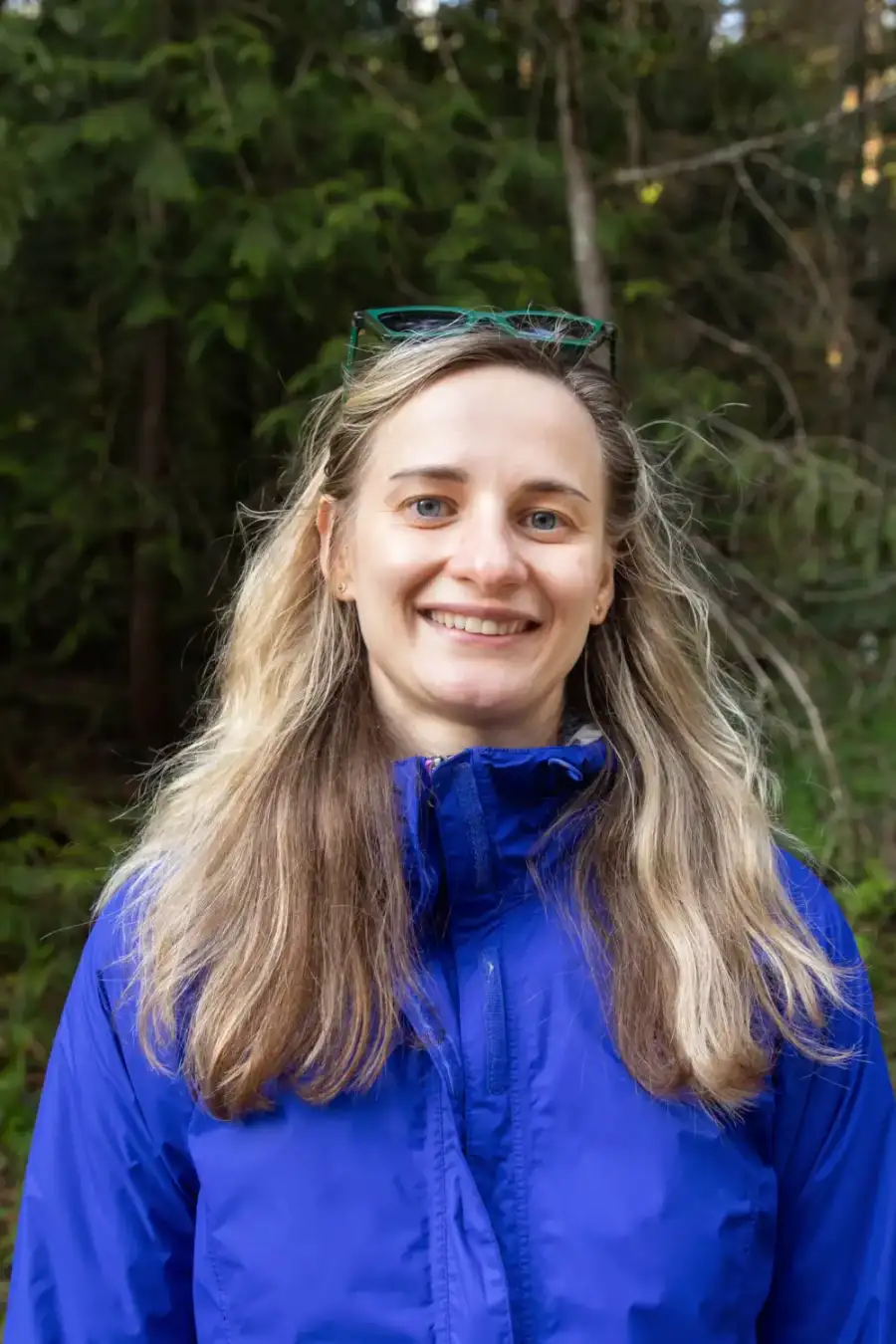
- A private local guide, rooms and campsites booked
- Included
- Airport pickup and every drive
- Included
- Park, permit and campsite fees paid
- Included
- All the gear and the trail meals
- Included
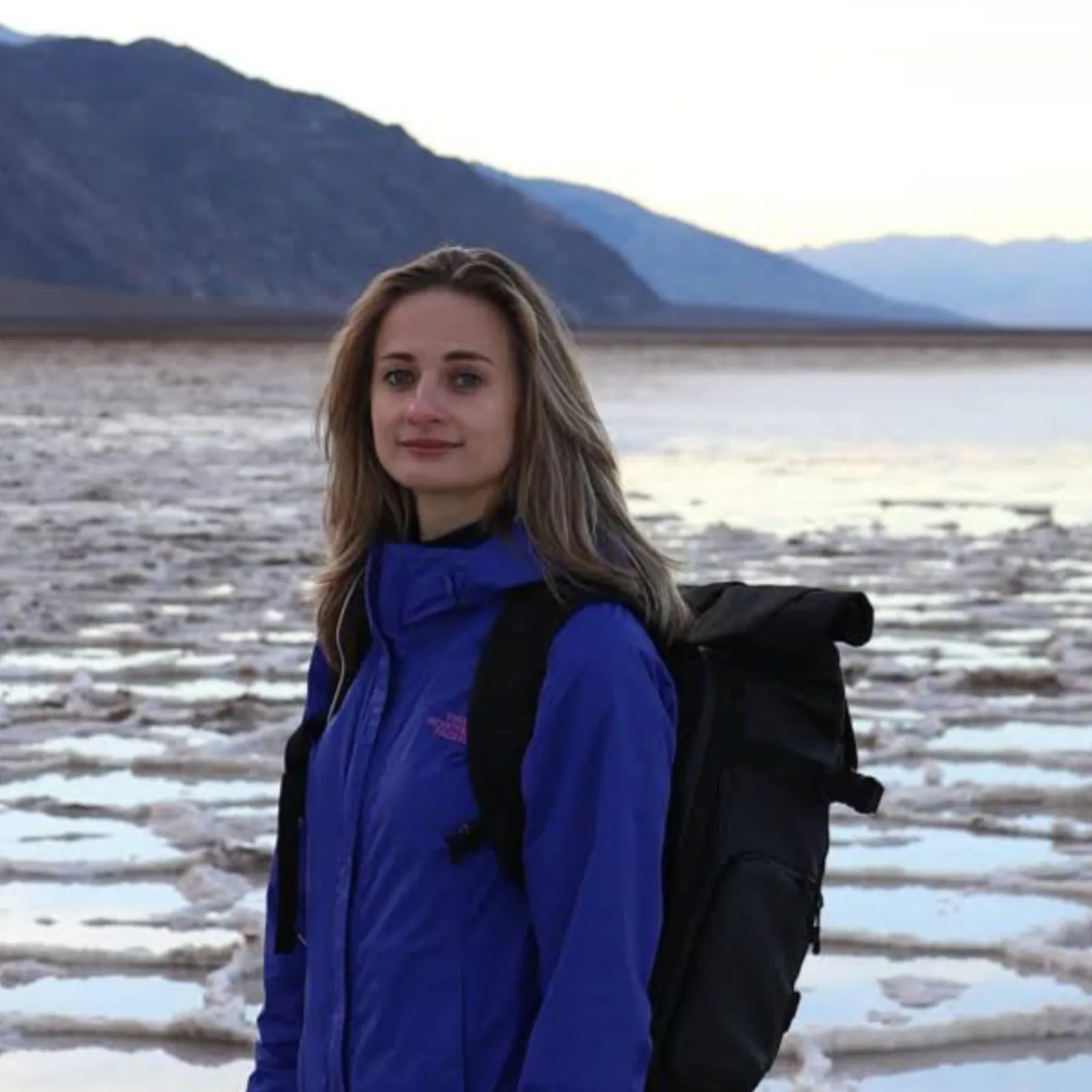
Written and walked by Yulia Vasilyeva · Co-founder · Lead planner and guide
Three years leading guided hikes in the Pacific Northwest, rated 5.0 by 20+ verified guests, and she builds every custom itinerary herself. Based in Seattle.
Last checked October 2026
You might also love these
Other itineraries near this one.

What to Do in Congaree National Park: A 2-Day Itinerary
Two days exploring what to do in Congaree National Park: the elevated Boardwalk Loop, the Weston Lake Loop, a Cedar Creek paddle through…

Tallulah Gorge State Park: A Weekend Hiking Itinerary
Two days of Tallulah Gorge hiking: the North and South Rim overlooks, the Hurricane Falls stair loop to the suspension bridge, and the…
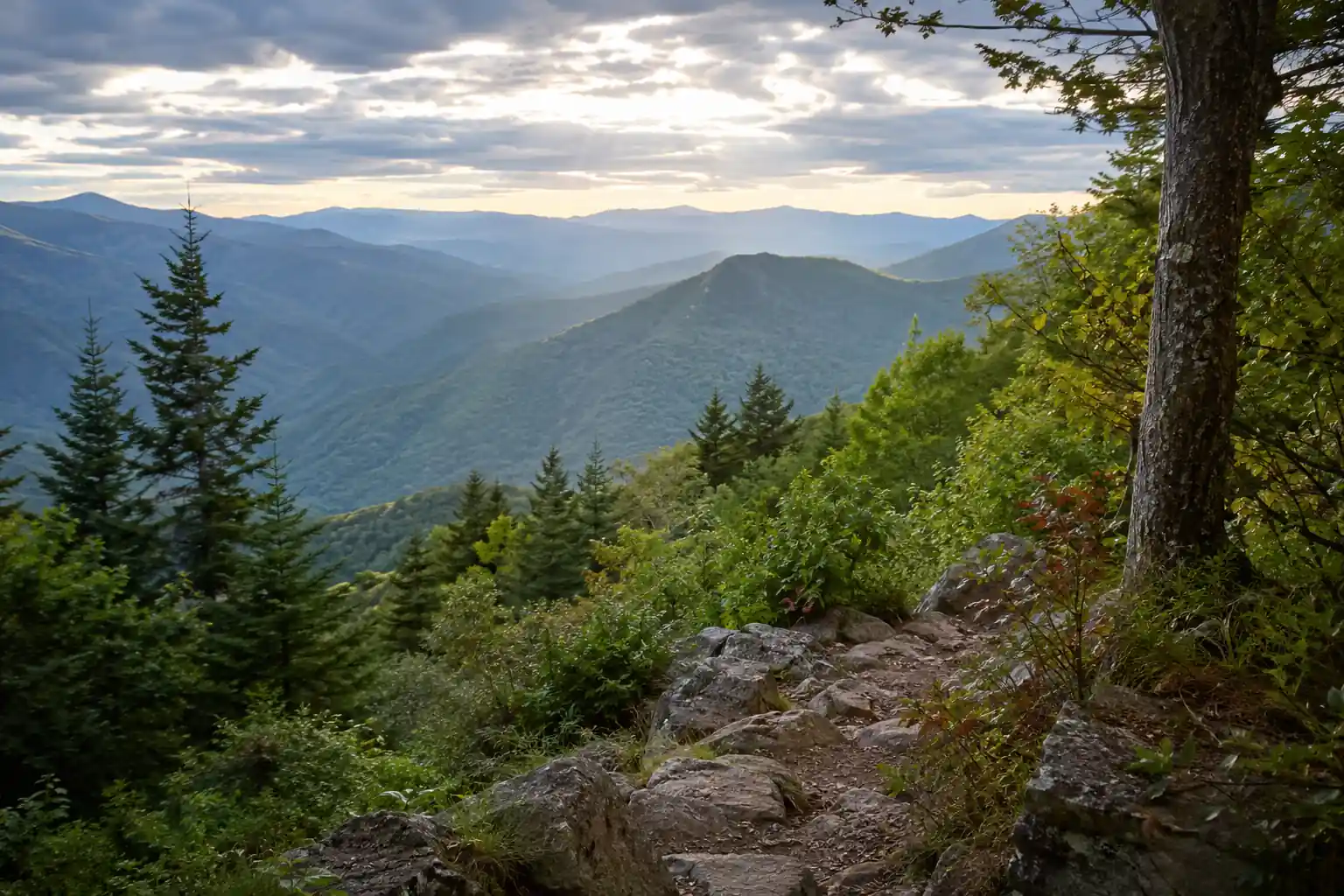
Georgia Appalachian Trail Section Hike: Springer to Bly Gap
A 7-day Georgia Appalachian Trail section hike covering the first 78 miles from Springer Mountain to Bly Gap, over Blood Mountain and…
Guides for this tripTallulah Gorge Floor PermitHurricane Falls Stairs at Tallulah Gorge
What adventurers say about us.
All reviews are from verified guests. ★★★★★ 5.0 average from 20+ bookings.
"Felt like going out with a really knowledgeable friend who just happens to know everything about the area. No awkward tour-guide energy, just a magnificent day."
"Yulia is an incredible guide. She knew every trail, every viewpoint, and exactly how to pace the day for our group. The photos she took of us were stunning. 100% booking again."
"I was visiting Seattle solo and this was the best decision I made on the trip. Yulia picked me up, had snacks, and took us to a trail I never would have found on my own. Absolute must-do."
"We did this as a couple's trip and it was perfect. Yulia adapted everything to us, our pace, our interests, our photo obsession. The mountain views were unreal."
"Phenomenal experience. Yulia has deep local knowledge and a real passion for the outdoors. She went out of her way to show us the hidden gems tourists never see. Will remember this forever."
"I've done a few guided hikes and this was by far the best. Yulia is warm, funny, and genuinely expert. The trail she chose had the most insane wildflower bloom, we got so lucky."
Fees, reservation windows, shuttle dates and trail closures are planning estimates. Confirm hours, road status and any reservations with the land manager before you go.
What other travelers are saying
Be the first to leave a tip or question for the next traveler.
Was this helpful?
One tap. It goes straight to Yulia and Margarita.
You can't hike it if you can't get the permit.
The best hikes in America run on lotteries that open once a year and sell out in minutes. Every trail runs on its own calendar. Pick the ones you want and we do the watching.
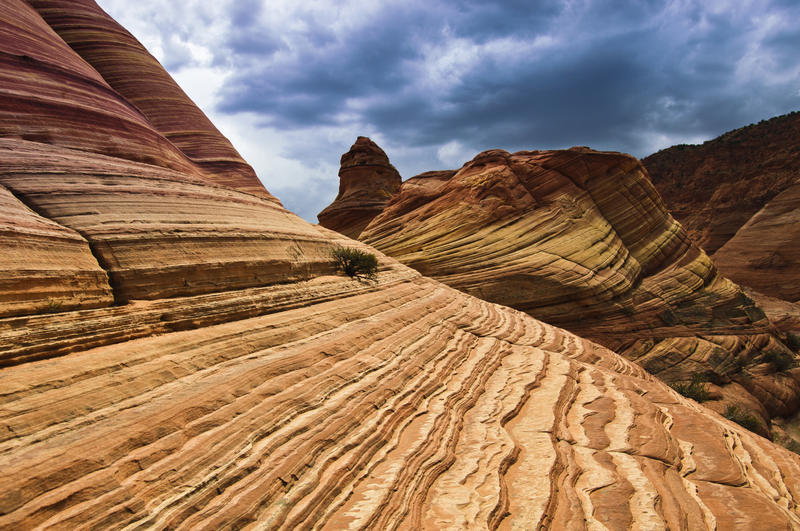 The WaveCoyote Buttes North · Arizona / UtahPermitLotterybrutal odds
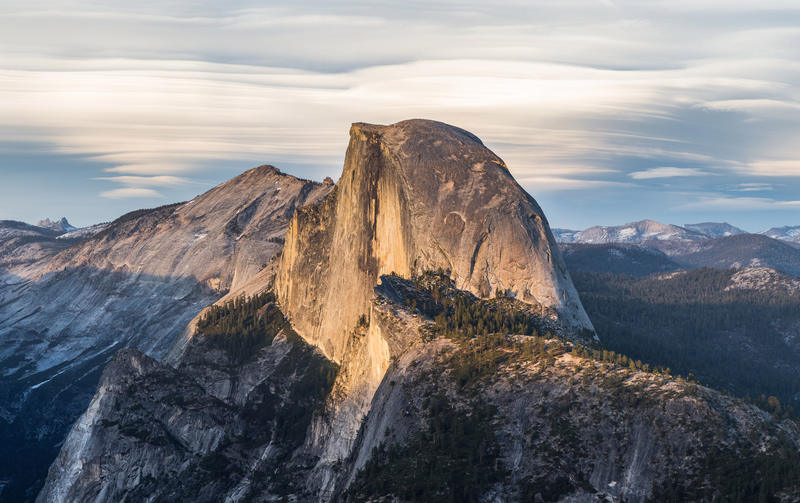 Half Dome CablesYosemite NP · CaliforniaPermitOpens Mar 1fair odds
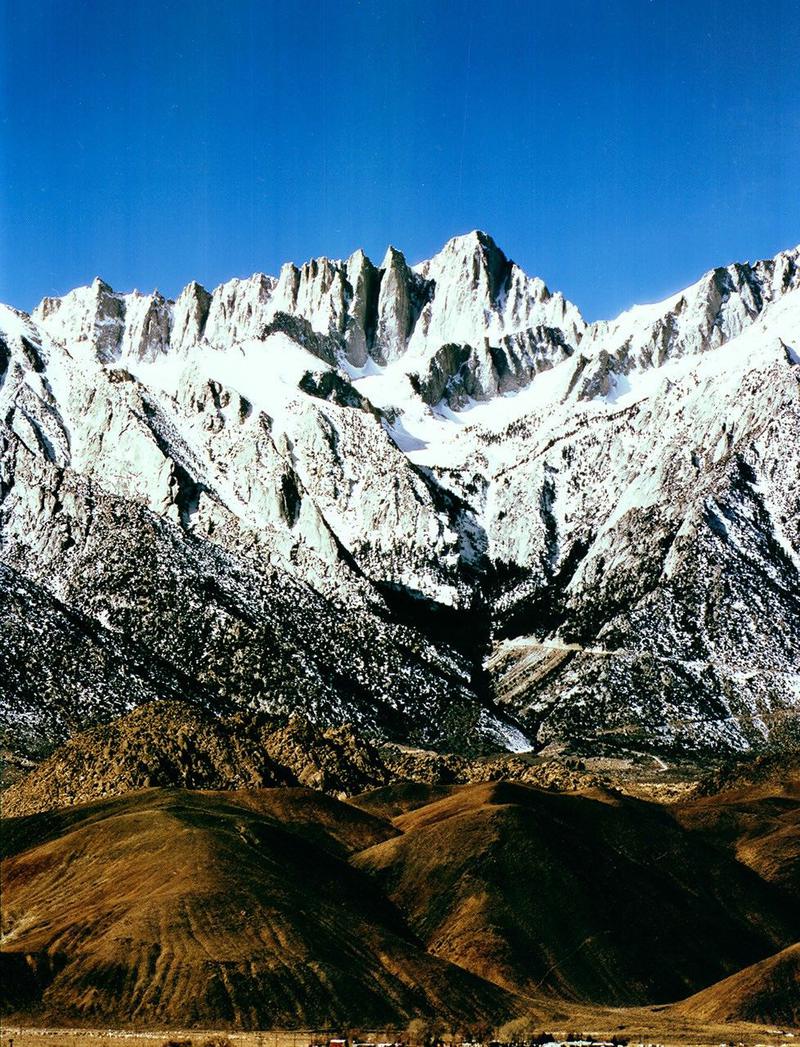 Mt. WhitneyInyo NF · CaliforniaPermitOpens Feb 1tough odds
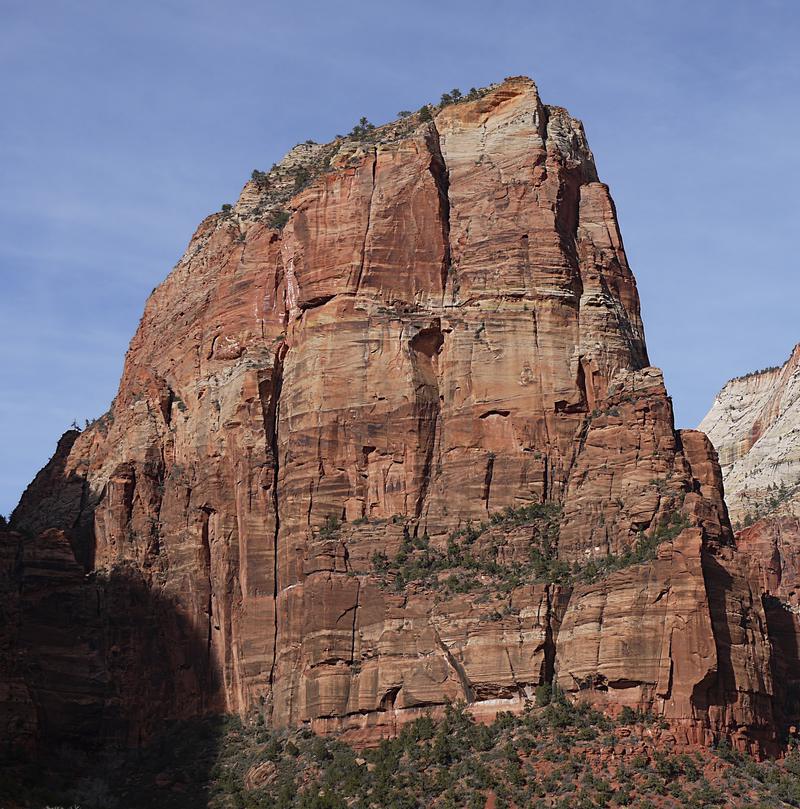 Angels LandingZion NP · UtahPermitLotterytough odds
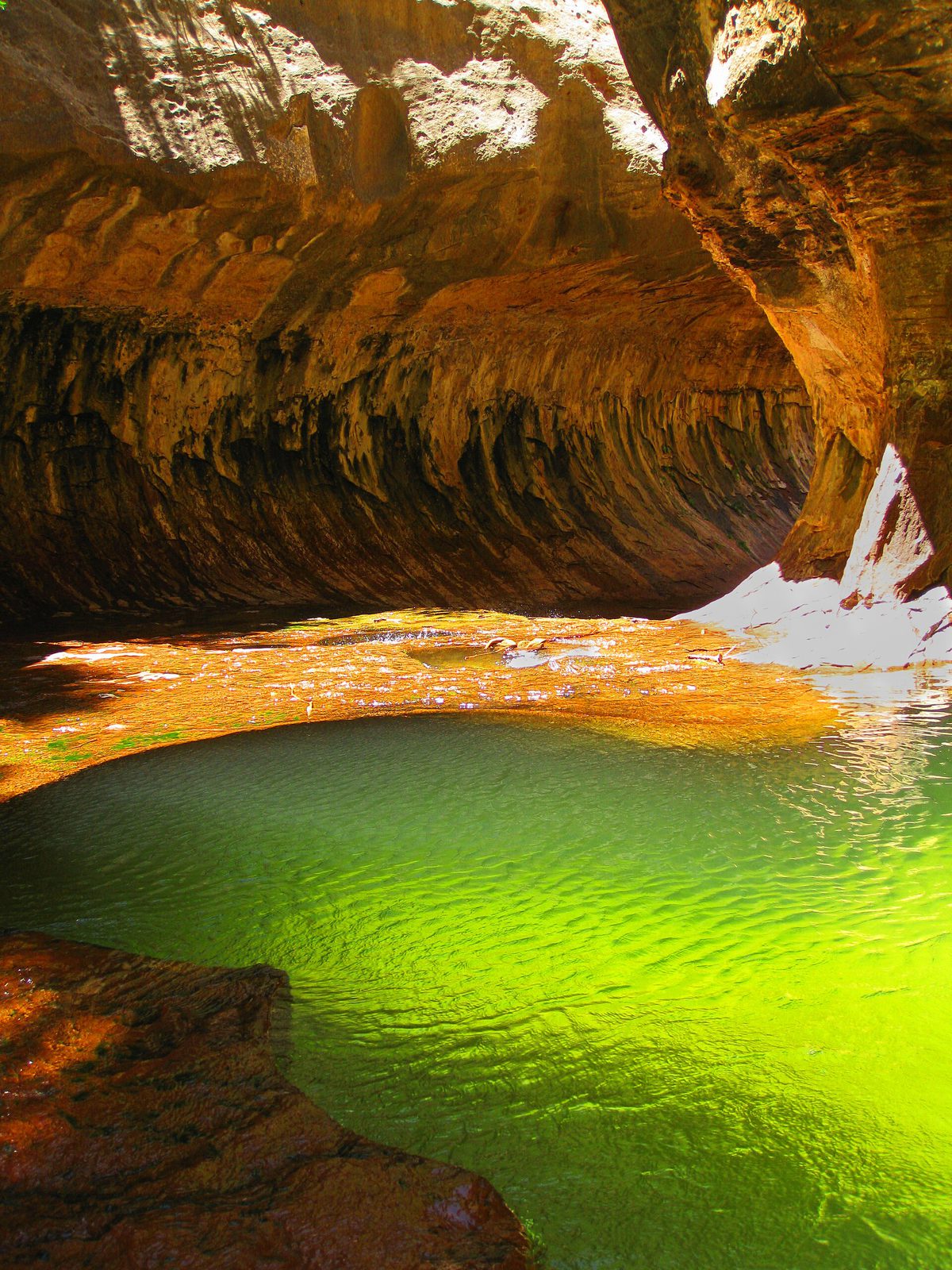 The SubwayZion NP · UtahPermitLotterytough odds
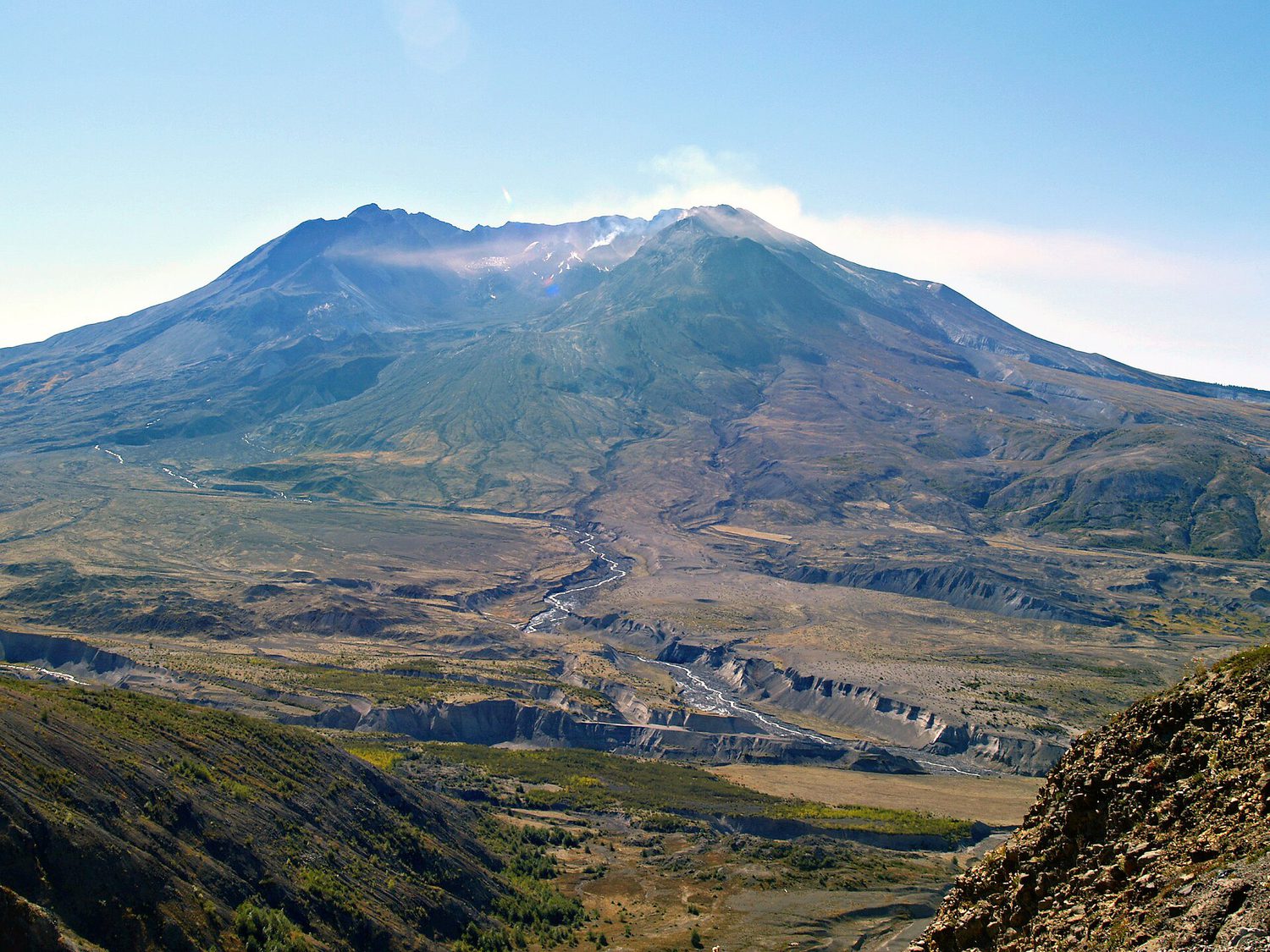 Mount St. Helens Summit ClimbGifford Pinchot NF · WashingtonPermitReservationtough odds
How it works
- An email the morning each window opens, never the day after.
- A 14-day heads-up so you can line up your group and dates.
- Win odds and a ranked backup plan for every trail you pick.
Didn't win? We keep watching. We check recreation.gov every day for The Enchantments, Half Dome and Angels Landing, and email you the moment a sold-out date frees up. Cancellations are the second chance most people never hear about.