Florida Trail Big Cypress Map + 5-Day Backpacking Itinerary
Wade the wildest swamp in America, Oasis to I-75.
5-day Florida Trail backpacking itinerary through Big Cypress National Preserve. ~30 miles from the Oasis Visitor Center southern terminus north to the I-75 rest area, wading cypress strands and open wet prairie between the 7 Mile, 13 Mile, Oak Hill, and Ivy backcountry camps.
“I’ve requested to book a Chain Lakes Loop guide on ExplorOFF, and it was the best idea ever! I highly recommend going with their guided option since you get a real human connection on the trail and don’t have to worry about a thing. Yulia was great to talk to!”
 15 stops on a real mapEvery stop pinned in order→
Big Cypress: every stop pinned in order.
Oasis VC → 7 Mile → 13 Mile → Oak Hill → Ivy → I-75 · Florida
Every stop on this trip, in order, opens as one driving route in the Google Maps app. No copying addresses across one at a time.
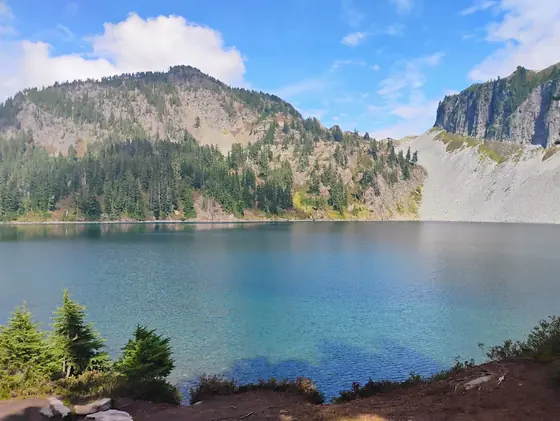
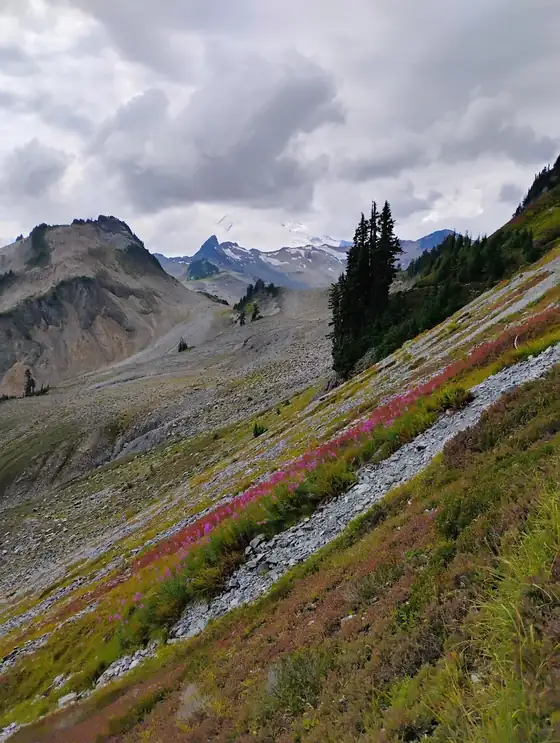
Big Cypress in photos: 4 of the stops.
Plan and book your 5 days in Big Cypress, one step at a time
How 5 days in Big Cypress split up
Plan 5 days for Big Cypress. Distance: ~30 miles. Terrain: Swamp wading. Permits: Free permit. The Florida Trail through Big Cypress National Preserve is unlike any other backpacking trip in the country. This ~30-mile section runs from the Oasis Visitor Center, the southern terminus of the Florida National Scenic Trail, north to the I-75 rest area at Mile Marker 63, crossing cypress strands, sawgrass prairie, and slippery marl mud, often with water from ankle- to knee-deep for miles at a stretch.
Day 1: Oasis Visitor Center to 7 Mile Camp
4 stops · Day one
Day 2: 7 Mile Camp to 13 Mile Camp
3 stops · Day two
Day 3: 13 Mile Camp to Oak Hill Camp
2 stops · Day three
Day 4: Oak Hill Camp to Ivy Camp
2 stops · Day four
Day 5: Ivy Camp to I-75 (MM63) + Shuttle to Oasis
4 stops · Day five
Oasis Visitor Center to 7 Mile Camp
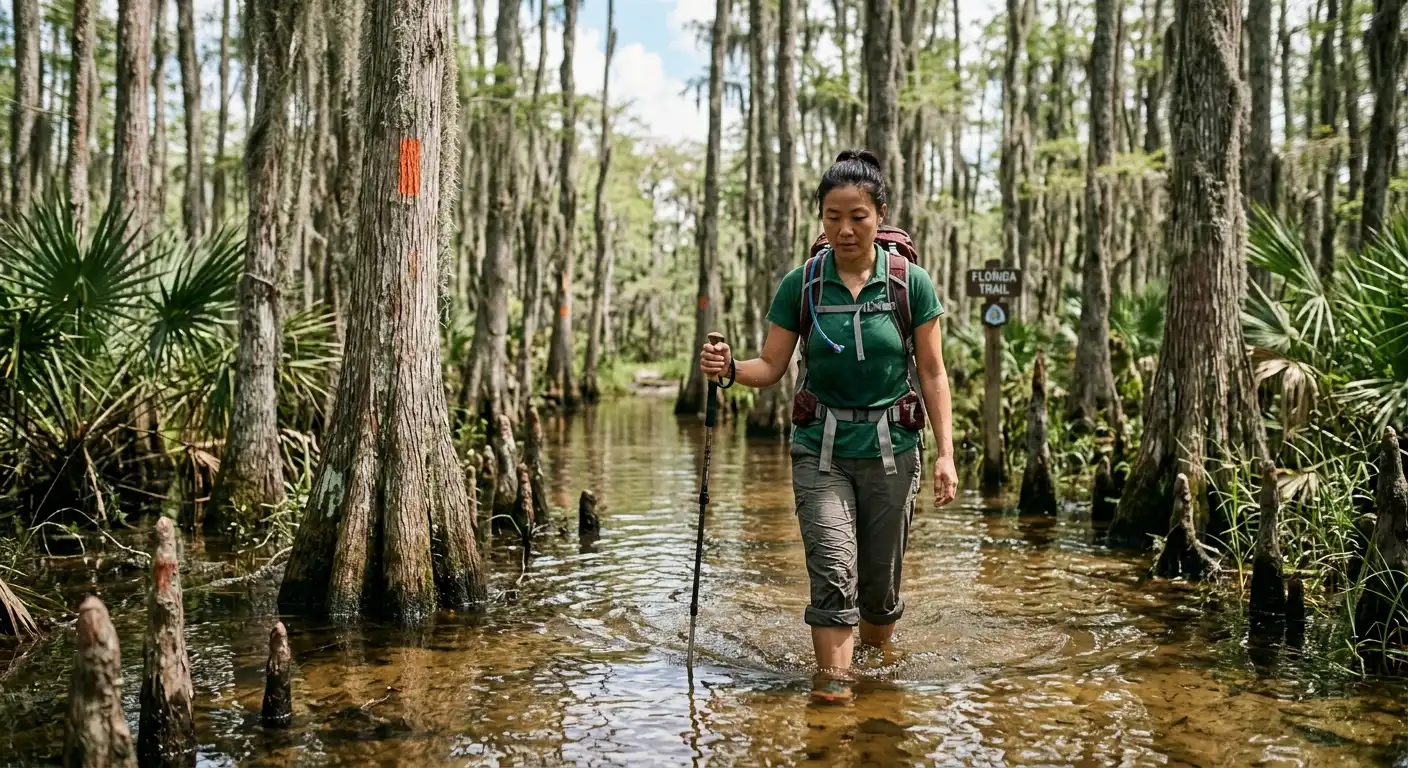
Park at the Oasis Visitor Center on US-41, the southern terminus of the Florida Trail. Confirm your backcountry permit with rangers, top off every water bottle, and head north on the orange blazes. The first miles start relatively dry before the trail drops into wet prairie and your first extended wading.
Not the order you want? Drag a stop, or use the arrows beside it. Stops move between days too.
- Drive from
~1 hr to the Oasis Visitor Center · car required · DriveBase your logistics out of Naples, the nearest town for a hotel, gear, and a last real meal. The Oasis Visitor Center is about an hour east on US-41 (Tamiami Trail). RSW (Fort Myers) and FLL (Fort Lauderdale) are both roughly 1.5 hours away, and no public transportation reaches the trailhead, so a car is required.
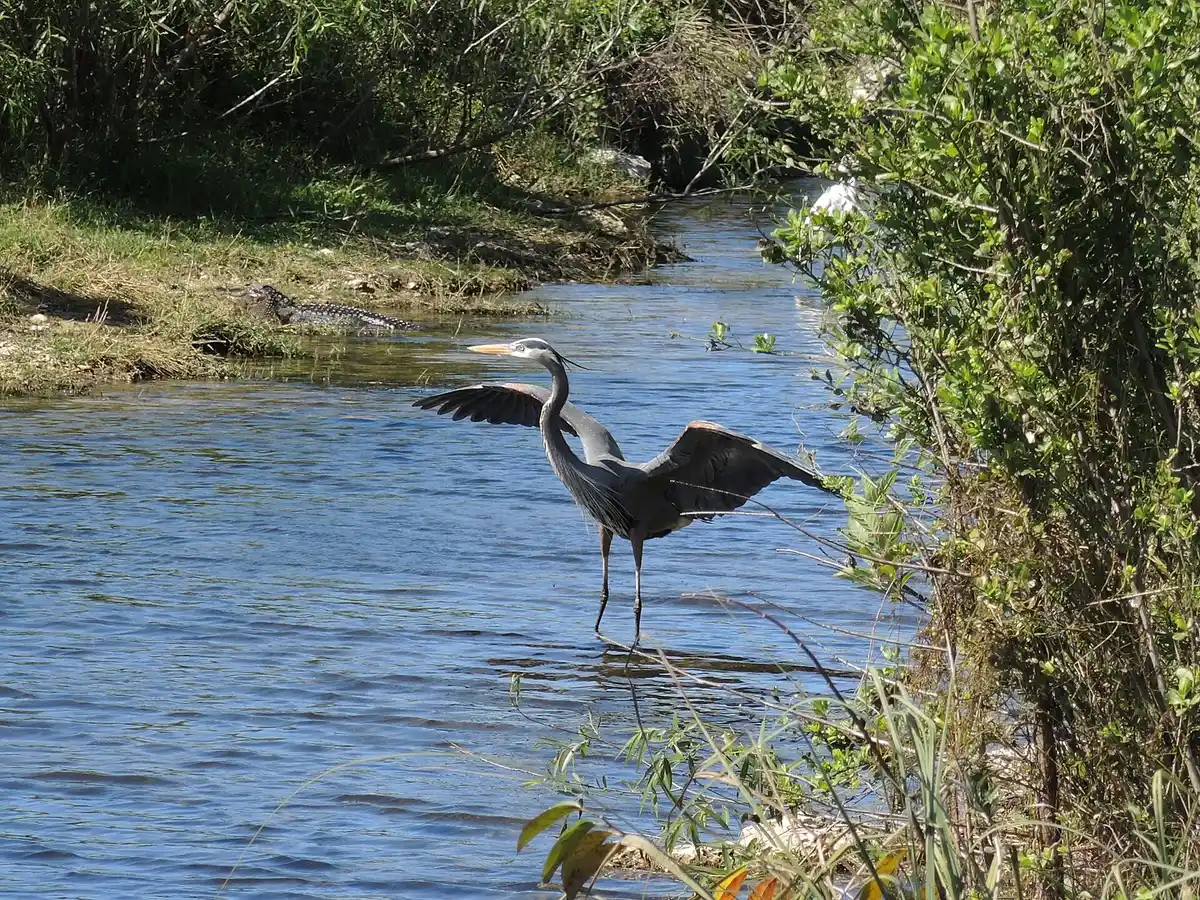 Pietro / CC BY-SA 3.0Oasis Visitor Center · Florida Trail southern terminus
GPS 25.8558, -81.0368 · permit pickup & water · ViewpointPark at the Oasis Visitor Center on US-41, the southern terminus of the Florida National Scenic Trail. Confirm your free backcountry permit with rangers, use the restrooms, and fill every water bottle. Call the preserve at 239-695-2000 ahead of time for current water levels.
Official info →- Florida Trail north to 7 Mile Camp
~7 mi · mixed dry & wet terrain · orange blazes · HikeHead north on the orange blazes. The first miles start relatively dry before dropping into wet prairie and your first extended wading. Move deliberately, watch each footfall in the tannin-stained water, and reach camp with daylight to filter water and dry your feet.
See the trail → - Camp at 7 Mile Camp (Woodpecker Camp)
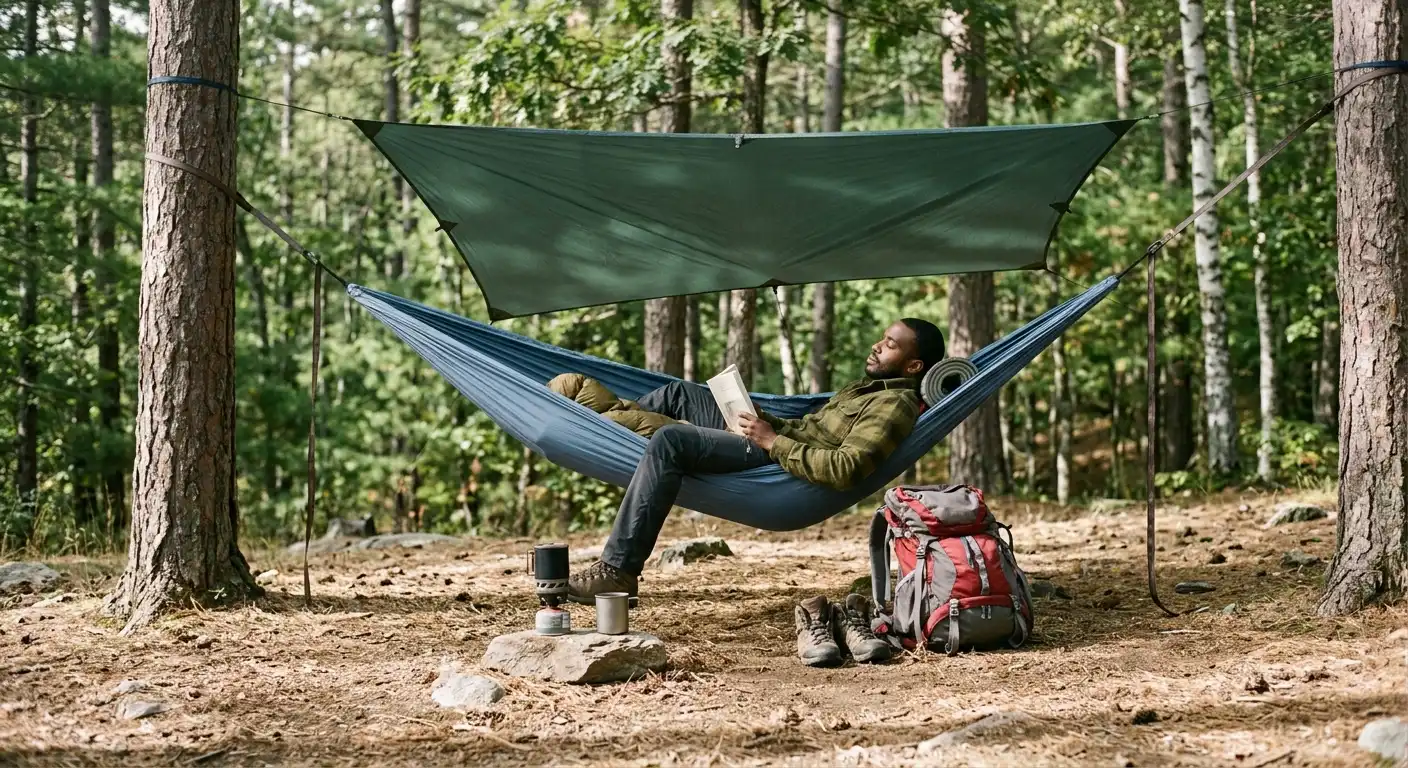
Designated dry hammock · no facilities · filter water · lodgeOne of the few designated dry sites in the preserve, an elevated hammock just above the swamp. There are no facilities, so filter water from the surrounding swamp, hang or canister your food, and practice Leave No Trace: pack out everything and camp only at designated sites.
7 Mile Camp to 13 Mile Camp
Today crosses the heart of the swamp, cypress domes and open wet prairie, passing 10 Mile Camp if you want a shorter day or a lunch stop. Water levels swing with recent rain, from ankle-deep to knee-deep, and the orange blazes can be hard to spot across the open prairie, so keep your GPS handy.
Not the order you want? Drag a stop, or use the arrows beside it. Stops move between days too.
 Wade the cypress strands & prairie
~6 mi · consistent wading · GPS recommended · HikeCross the heart of the swamp through cypress domes and open wet prairie, passing 10 Mile Camp along the way. Water swings from ankle- to knee-deep with recent rain, and the blazes can be hard to spot across open prairie, so keep your GPS track handy and your compass in your pocket.
See the trail →- 10 Mile Camp (optional break or stop)
Designated dry site · good lunch spot · ViewpointA designated dry campsite roughly 3 miles into the day, and a good place to break, eat, and dry your feet. If the day is going slowly, it is a legitimate place to stop early and camp, better dry than pushing into the dark.
- Camp at 13 Mile Camp
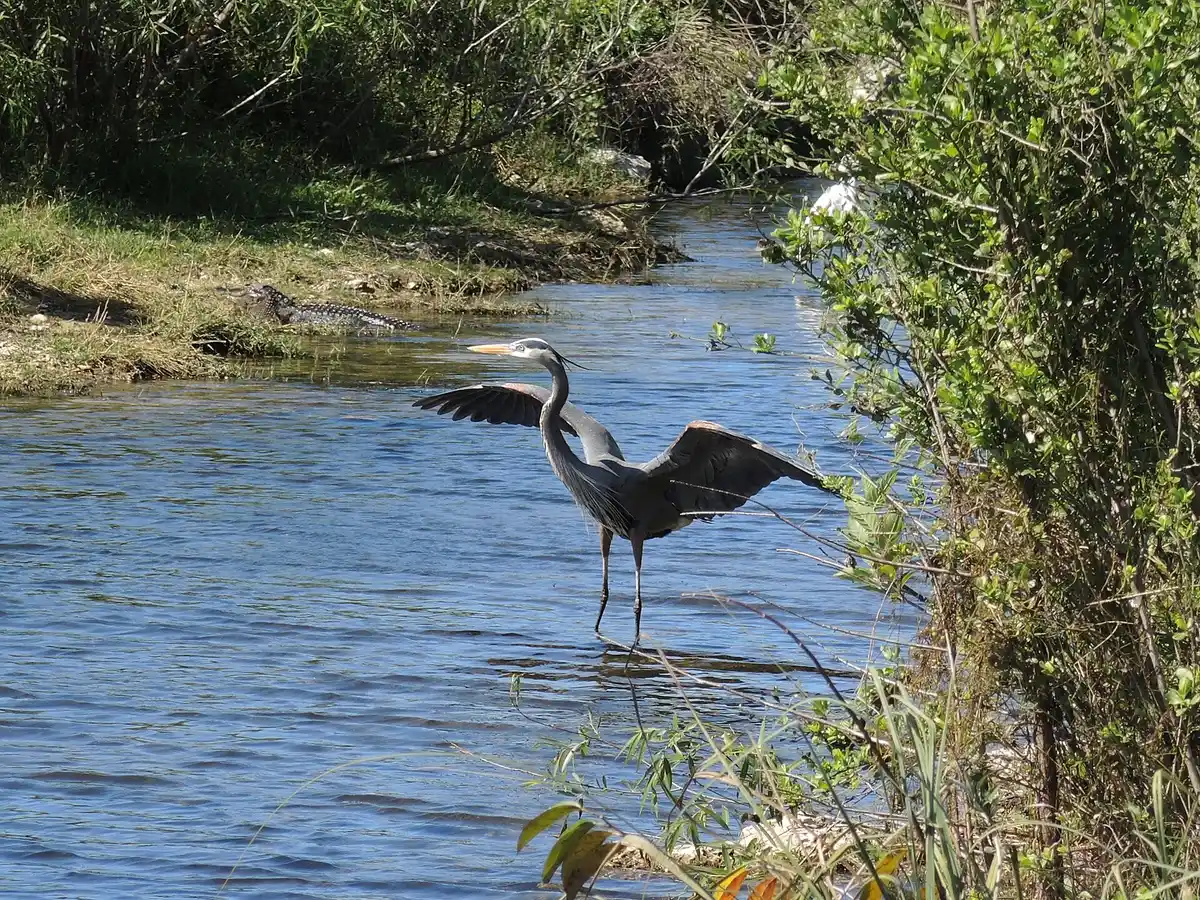
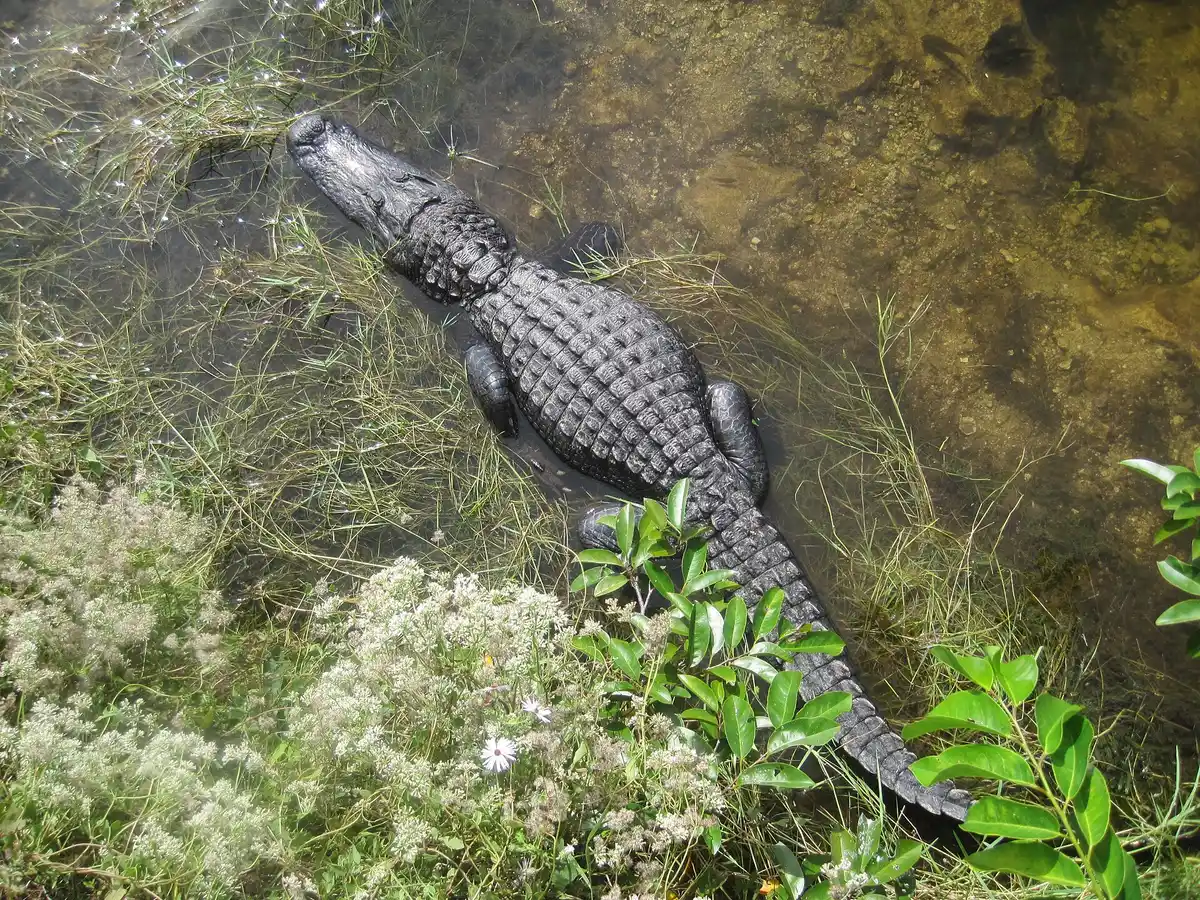
Elevated hammock · no facilities · filter water · lodgeAnother small elevated hammock above the swamp. Watch for alligators, wading birds, and deer along the approach, and give every animal a wide berth. Filter water, secure your food against black bears, and settle in for a loud, alive swamp night.
13 Mile Camp to Oak Hill Camp
Leave 13 Mile Camp and continue north through alternating cypress strand and prairie. This stretch can hold some of the deeper water on the route, so take your time, test the bottom with trekking poles, and keep your pack rain cover and dry bags cinched.
Not the order you want? Drag a stop, or use the arrows beside it. Stops move between days too.
- Cross deeper water & dense strand
~7 mi · potentially deep water · slow going · HikeContinue north through alternating cypress strand and prairie. This stretch can hold some of the deeper water on the route, so take your time, test the bottom with trekking poles, and keep your pack rain cover and dry bags cinched tight against a dunk.
See the trail → - Camp at Oak Hill Camp
~mile 20 · last drier ground before the north prairie · lodgeAround mile 20 and the last reliably drier ground before the long, exposed prairie miles ahead. Filter plenty of water here to top off your capacity, dry your feet, and do a thorough tick check before you settle in. Long sleeves and pants help with ticks and next-day sun.
Oak Hill Camp to Ivy Camp
The push from Oak Hill to Ivy Camp crosses the open savannas that Florida Trail hikers remember most, wide, exposed, and slow, where a mile can take an hour. There is little shade, so start early, ration sun protection, and keep filtering water whenever you can.
Not the order you want? Drag a stop, or use the arrows beside it. Stops move between days too.
- Cross the open savannas
~7 mi · exposed prairie · ~1 mph · little shade · HikeThe stretch Florida Trail hikers remember most: wide, exposed savanna where a mile can take an hour. There is almost no shade, so start early, wear a sun hat and long sleeves, ration sun protection, and keep filtering water whenever the chance appears.
See the trail → - Camp at Ivy Camp
Last designated site before I-75 · elevated hammock · lodgeThe final designated site before I-75 and your last night in the backcountry. Store your food securely against black bears, and if you have any signal, text your shuttle driver to reconfirm the I-75 MM63 pickup time for the morning. Then savor a last night of swamp sounds.
Ivy Camp to I-75 (MM63) + Shuttle to Oasis
A short final morning brings you the last ~3 miles from Ivy Camp to the I-75 rest area at Mile Marker 63, the access point for the northern Florida Trail and the end of your Big Cypress crossing. You will hear the highway well before you see it.
Not the order you want? Drag a stop, or use the arrows beside it. Stops move between days too.
- Hike out to I-75 (MM63) rest area
~3 mi · northern trail access · road noise · HikeA short final morning brings you the last ~3 miles to the I-75 rest area at Mile Marker 63, the access point for the northern Florida Trail and the end of your Big Cypress crossing. You will hear the highway well before you see it.
Official info → - Shuttle back to Oasis Visitor Center
~1 hr drive · pre-arranged shuttle or second car · DriveMeet your pre-arranged shuttle or second vehicle at the rest area for the roughly 1.5-hour drive back to your car at the Oasis Visitor Center. Cell service can be spotty here, so lock in your pickup time and a backup plan before you leave Ivy Camp. Change into the dry clothes you stashed.
- Ten Thousand Islands wildlife boat tour · Everglades Area Tours
2 hr · Chokoloskee · ~25 min detour on the way to Naples · activityFive days of wading the Big Cypress, then two hours of letting a boat do the work. Everglades Area Tours runs quiet naturalist-led boats (no airboats) out of Chokoloskee into the mangrove islands of Everglades National Park, where dolphins, pelicans and wading birds are the norm in the dry season. It sits on the way from the Oasis back to Naples, about 25 minutes out of your way.
Book this → - Recover & stay in Naples
Nearest town · hotel, hot shower & a real meal · lodgeNaples is about an hour from the trailheads and the easiest place for a hotel, a hot shower, and dinner the night you finish. Rooms fill fast in the December–March dry season, so reserve early. Take a moment to appreciate that you just walked across the wildest swamp in America.

Sort where you sleep each night
Most nights on this trip are in a tent. Reserve any campsite the route needs, and the room either side of it if you want one.
Tell us your dates and we will do the calling: the rooms either side, and the guided days in between. Nothing is charged and you decide at the end.
Request to bookWhat to pack for Big Cypress
Built from this route, not a generic list. Every line says why it is here.
On every day of this trip
On your feet
Because you are sleeping out 4 nights
For the 1 night under a roof
For the drive to the trailhead
Essential swamp-hiking rules & planning.
Free backcountry permit required
Every overnight group must obtain a free Big Cypress backcountry permit before hiking, and carry a copy the whole way so park staff know you are out there. Reserve well ahead for the December–March peak and call the preserve at 239-695-2000 for current water levels.
Footwear & wading gear
Wear closed-toe trail runners or water shoes that drain, never waterproof boots. Add gaiters against debris and scratches, and use trekking poles to test the bottom and keep your balance through slippery marl mud and limestone holes.
No potable water on trail
There are no reliable drinking-water sources between Oasis and I-75. Carry a quality filter or purifier and 3–4 liters of capacity, and treat all water from the swamp. It is tannin-stained tea-brown but safe once treated.
Navigation: GPS is essential
The Florida Trail is marked with orange blazes, but they vanish in deep water and across open prairie. Load a GPX track into Gaia GPS or AllTrails, carry a compass and a physical map as backup, and expect ~1 mph through the savannas.
Wildlife & food storage
Big Cypress is home to alligators, venomous snakes, and black bears. Give all wildlife a wide berth, never feed animals, and store food and scented items in a bear canister or a reliable bear-bag hang every night.
Go in the dry season & shuttle
Backpack December through March for lower water, cooler temperatures, and fewer mosquitoes; avoid the May–October wet season entirely. This is a point-to-point route, so arrange a shuttle or two-car system between Oasis and the I-75 MM63 rest area in advance.
Care for feet that never dry
Your feet stay submerged for hours at a stretch, and skin that never dries out can soften, blister, and turn to trench foot over five days. Change into dry camp socks every night, air and elevate your feet whenever you stop, and rub on a foot powder or anti-chafe balm each morning. Pack two or three spare pairs of socks in a dry bag and rotate them.
Big Cypress: questions before you go
Big Cypress backpacking: the questions people ask most.
It is strenuous and not for beginners. You wade water that is often knee-deep, sometimes deeper, for miles at a time, navigate faint orange blazes across open prairie, and move as slowly as 1 mile per hour through the savannas. Solid navigation skills, wading experience, and self-sufficiency are essential.
Yes. A free backcountry permit is required for every overnight group in Big Cypress National Preserve. Arrange it through the National Park Service and carry a copy the whole way. Reserve well in advance for the December–March peak season.
The section is about 30 miles. Fast, experienced hikers do it in 2–3 days, but because of the wading and slow prairie miles, a comfortable trip is 4–5 days camping at the designated sites: 7 Mile, 10 Mile, 13 Mile, Oak Hill, and Ivy. This itinerary spreads it over 5 days and 4 nights.
The dry season, roughly December through March, with January to March the sweet spot. Water levels are lower, temperatures are cooler, and mosquitoes are reduced. Avoid the May–October wet season, when high water, heat, humidity, and thunderstorms make the crossing dangerous.
Closed-toe trail runners or water shoes that drain and stay comfortable wet. Avoid waterproof hiking boots, since they fill with swamp water and never drain. Add gaiters to keep out debris and trekking poles for balance.
Yes. It is a point-to-point route from the Oasis Visitor Center to the I-75 rest area at Mile Marker 63, so you need a pre-arranged shuttle or a two-car system to get back to your vehicle. The drive between the two ends is about 1.5 hours.
There are no reliable potable water sources between Oasis and I-75, so you filter or treat water from the swamp. Carry a quality filter or purifier and 3–4 liters of capacity. The water is tannin-stained tea-brown but safe to drink once treated.
Water heights in Big Cypress swing fast, and recent rain can turn an ankle-deep stroll into a waist-deep, genuinely hazardous wade. Call the preserve ranger desk at 239-695-2000 the day before you start to check current water levels, and be ready to shorten your days or turn back if conditions look unsafe. Because a hidden limestone hole can drop you into a full-body dunk with one slick step, seal your keys, sleeping bag, and dry clothes in heavy-duty dry bags inside your pack.
Tell us your dates and we ask a local guide who works this area what they can do on your days and what it costs. If nobody is free, we tell you. Asking is free: no card, no deposit, and nothing is held until you say yes.
Pick how you want to go.
Same 5-day route. Same 8 stops.
- 4 nights, sites along the route
- $88
- Ten Thousand Islands wildlife boat tour · Everglades Area Tours
- $220
- Rental car, 5 days
- $300
- Gas, about 124 miles
- $15
- A private local guide, campsites booked
- Included
- Airport pickup and every drive
- Included
- Park, permit and campsite fees paid
- Included
- All the gear and the trail meals
- Included
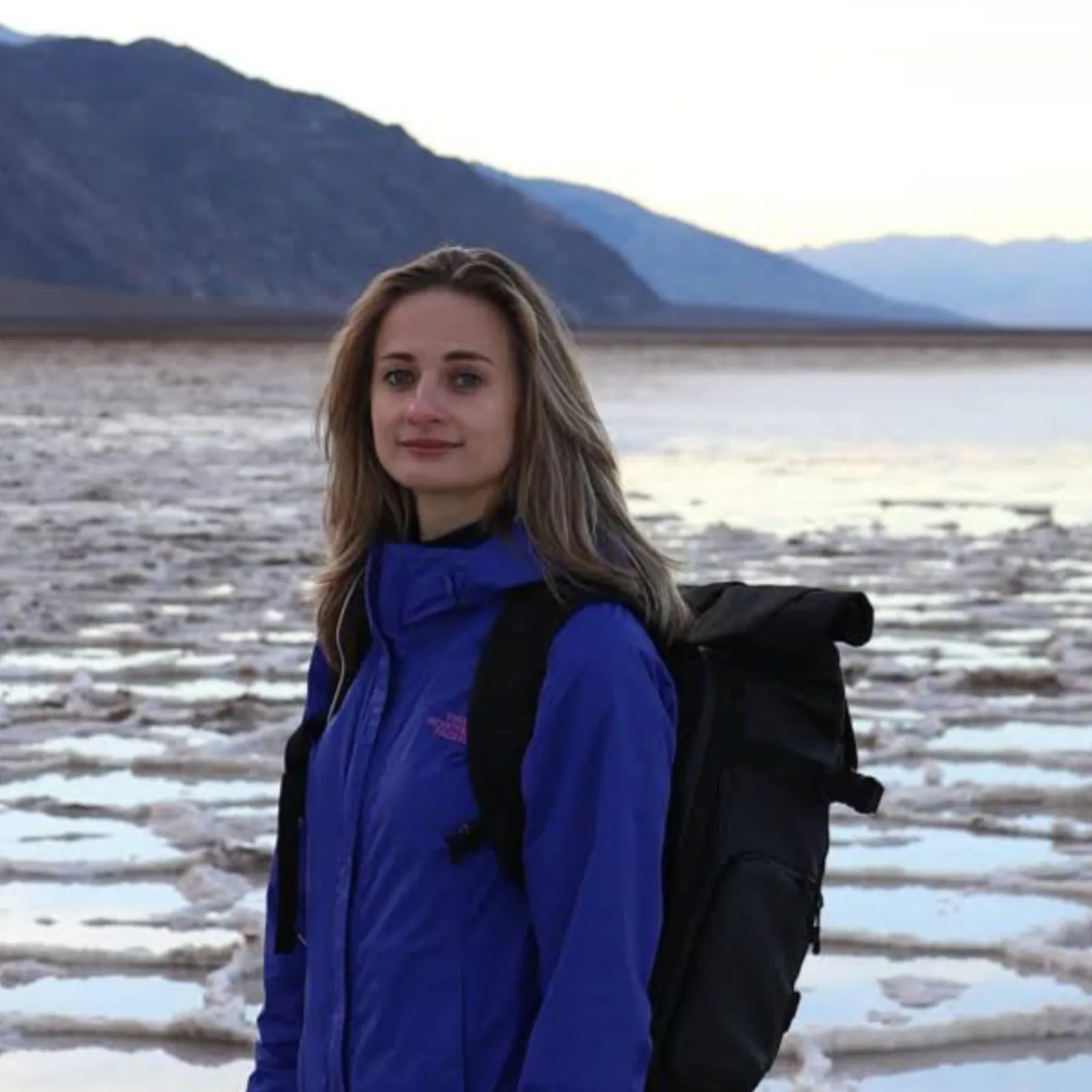
Written and walked by Yulia Vasilyeva · Co-founder · Lead planner and guide
Three years leading guided hikes in the Pacific Northwest, rated 5.0 by 20+ verified guests, and she builds every custom itinerary herself. Based in Seattle.
Last checked September 2026
You might also love these
Other itineraries near this one.
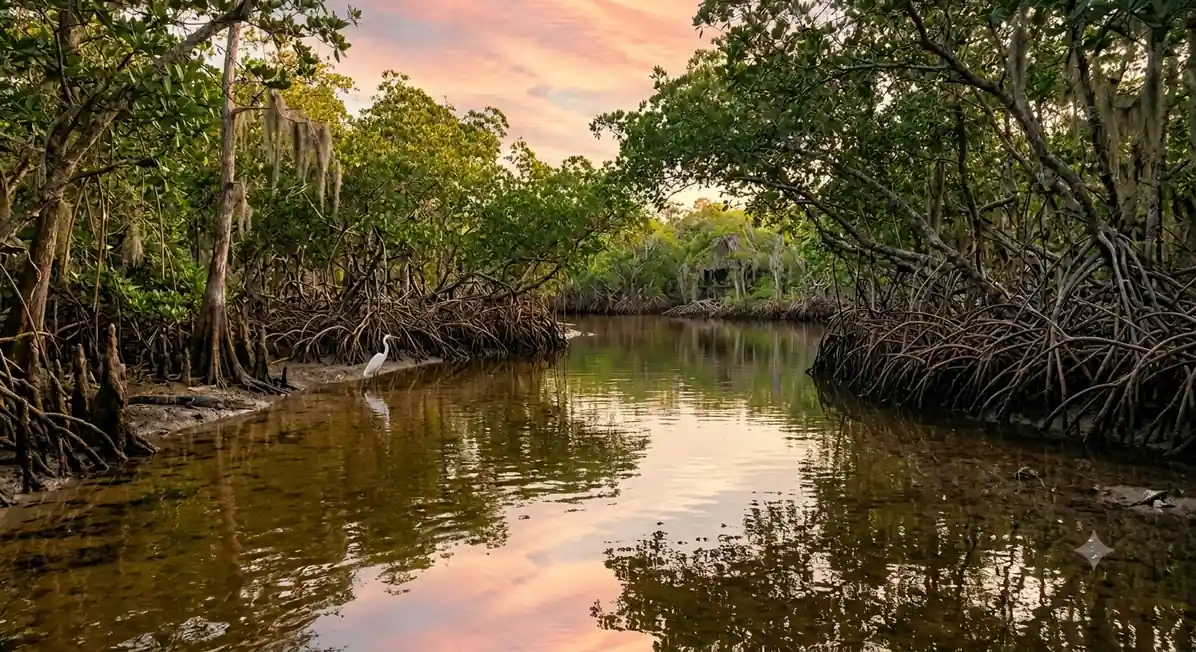
Everglades Kayaking Weekend: 3-Day Chickee Camping Route
A 3-day Everglades kayaking weekend from Everglades City: paddle the Wilderness Waterway to the Sunday Bay and Sweetwater Bay chickees,…
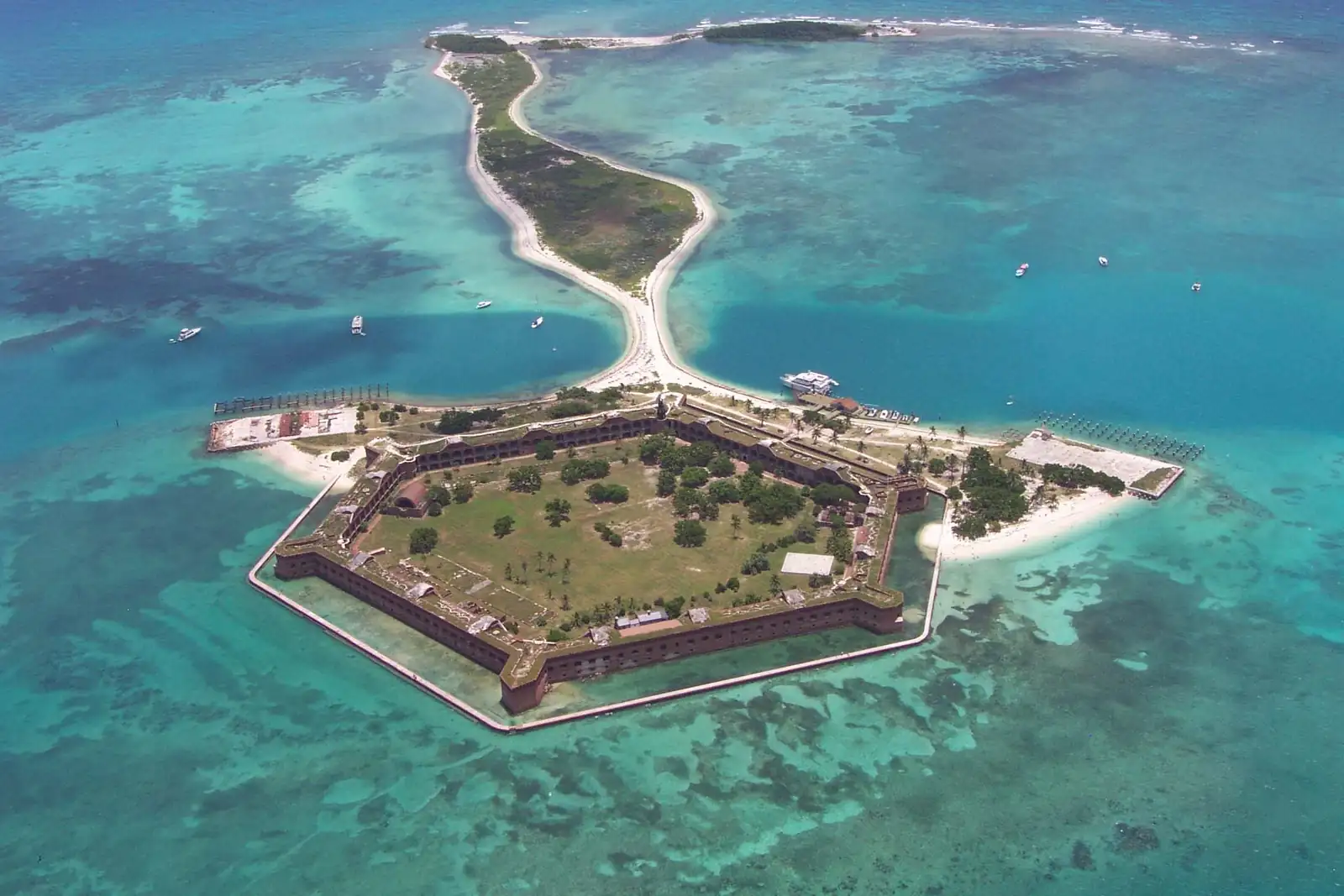
Dry Tortugas National Park Itinerary: 4 Days with a Night on the Island
Down the Overseas Highway from Miami, the morning ferry from Key West to Fort Jefferson, snorkeling the coaling docks and a night camped…
Georgia Outdoor Circuit: 10-Day Adventure Itinerary
A 10-day Georgia outdoor circuit: backpack the Appalachian Trail from Springer Mountain, raft the Chattooga River, kayak the Okefenokee…
Guides for this tripBest Everglades Hiking Trails for Winter Dry SeasonDry Tortugas National Park Trip
What adventurers say about us.
All reviews are from verified guests. ★★★★★ 5.0 average from 20+ bookings.
"Felt like going out with a really knowledgeable friend who just happens to know everything about the area. No awkward tour-guide energy, just a magnificent day."
"Yulia is an incredible guide. She knew every trail, every viewpoint, and exactly how to pace the day for our group. The photos she took of us were stunning. 100% booking again."
"I was visiting Seattle solo and this was the best decision I made on the trip. Yulia picked me up, had snacks, and took us to a trail I never would have found on my own. Absolute must-do."
"We did this as a couple's trip and it was perfect. Yulia adapted everything to us, our pace, our interests, our photo obsession. The mountain views were unreal."
"Phenomenal experience. Yulia has deep local knowledge and a real passion for the outdoors. She went out of her way to show us the hidden gems tourists never see. Will remember this forever."
"I've done a few guided hikes and this was by far the best. Yulia is warm, funny, and genuinely expert. The trail she chose had the most insane wildflower bloom, we got so lucky."
Fees, reservation windows, shuttle dates and trail closures are planning estimates. Confirm hours, road status and any reservations with the land manager before you go.
What other travelers are saying
Be the first to leave a tip or question for the next traveler.
Was this helpful?
One tap. It goes straight to Yulia and Margarita.
You can't hike it if you can't get the permit.
The best hikes in America run on lotteries that open once a year and sell out in minutes. Every trail runs on its own calendar. Pick the ones you want and we do the watching.
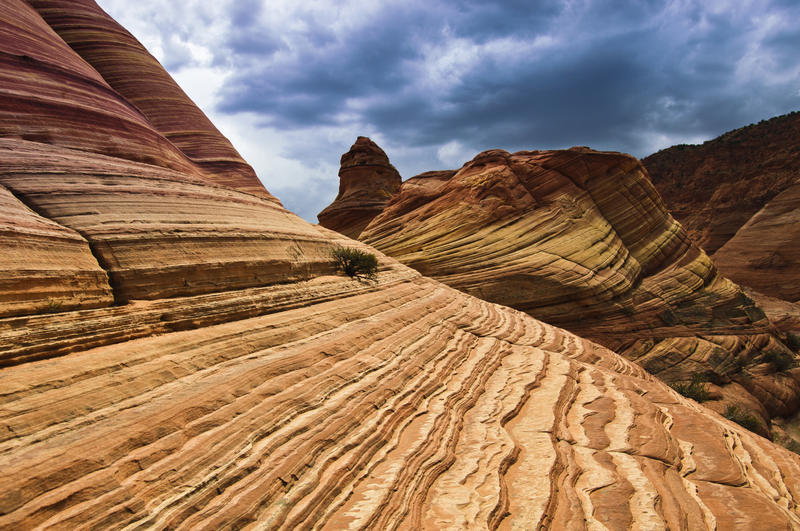 The WaveCoyote Buttes North · Arizona / UtahPermitLotterybrutal odds
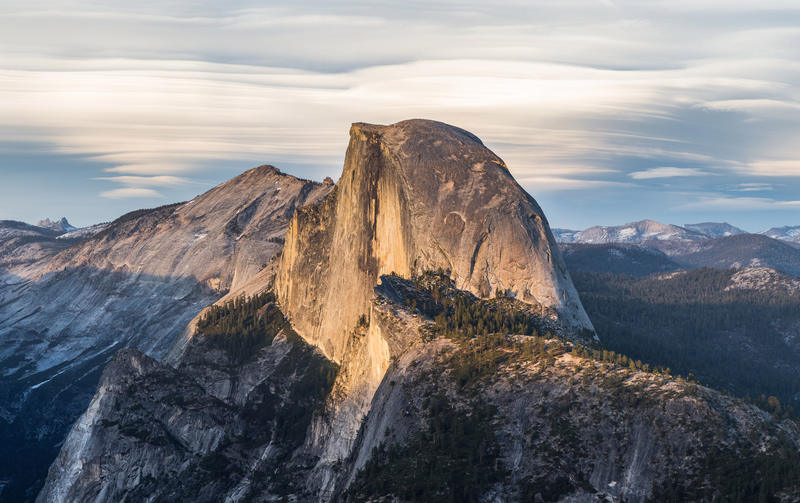 Half Dome CablesYosemite NP · CaliforniaPermitOpens Mar 1fair odds
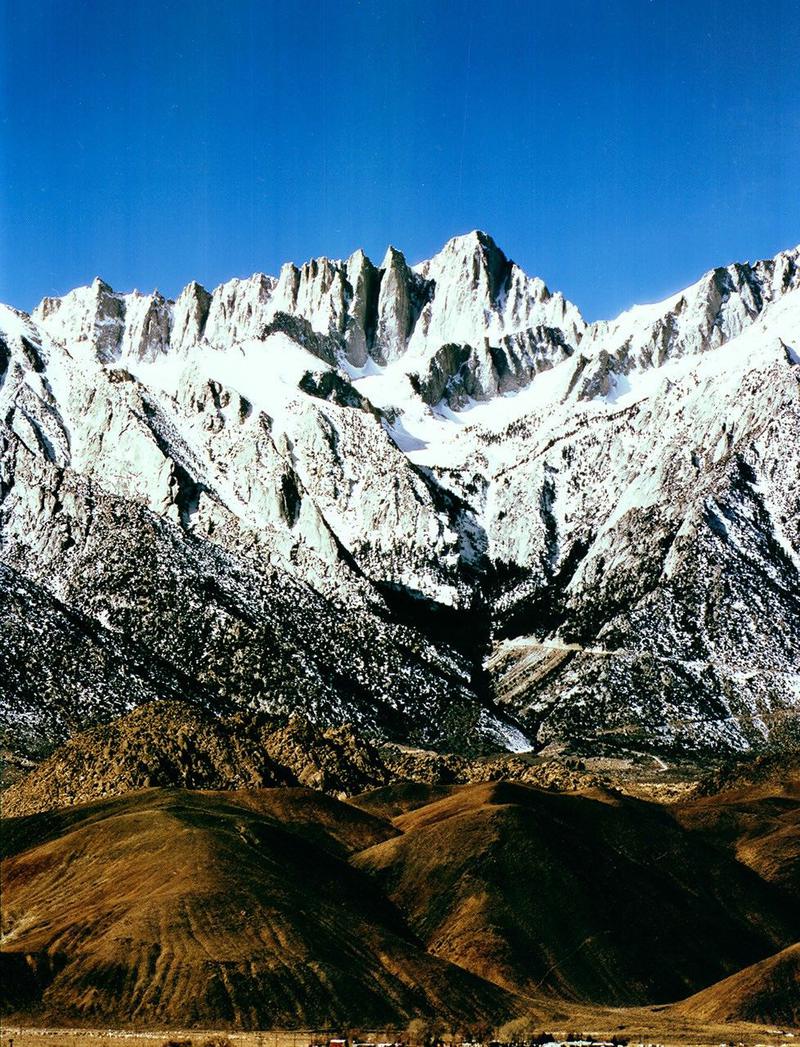 Mt. WhitneyInyo NF · CaliforniaPermitOpens Feb 1tough odds
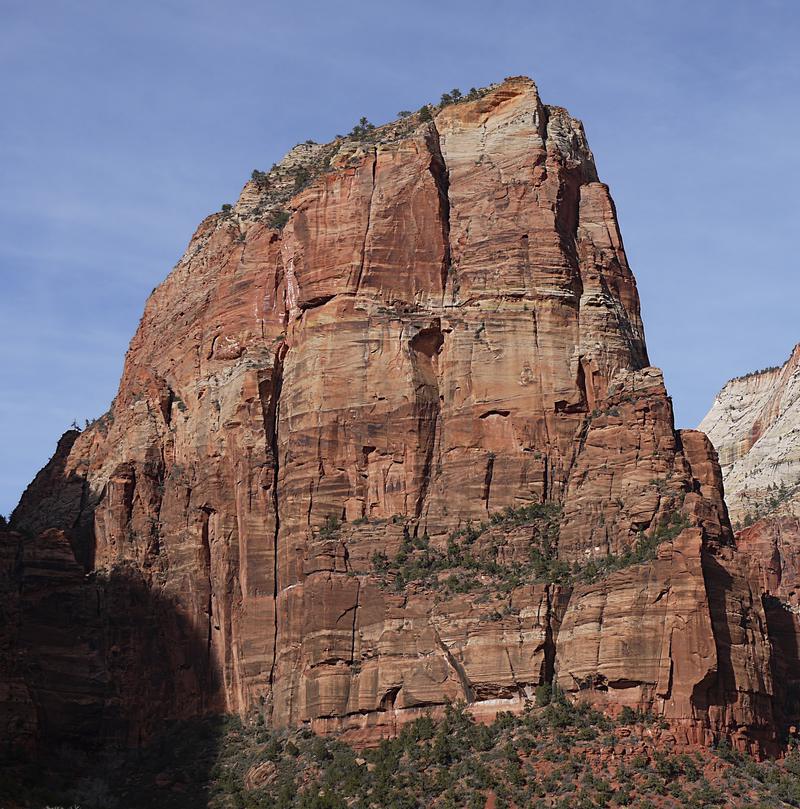 Angels LandingZion NP · UtahPermitLotterytough odds
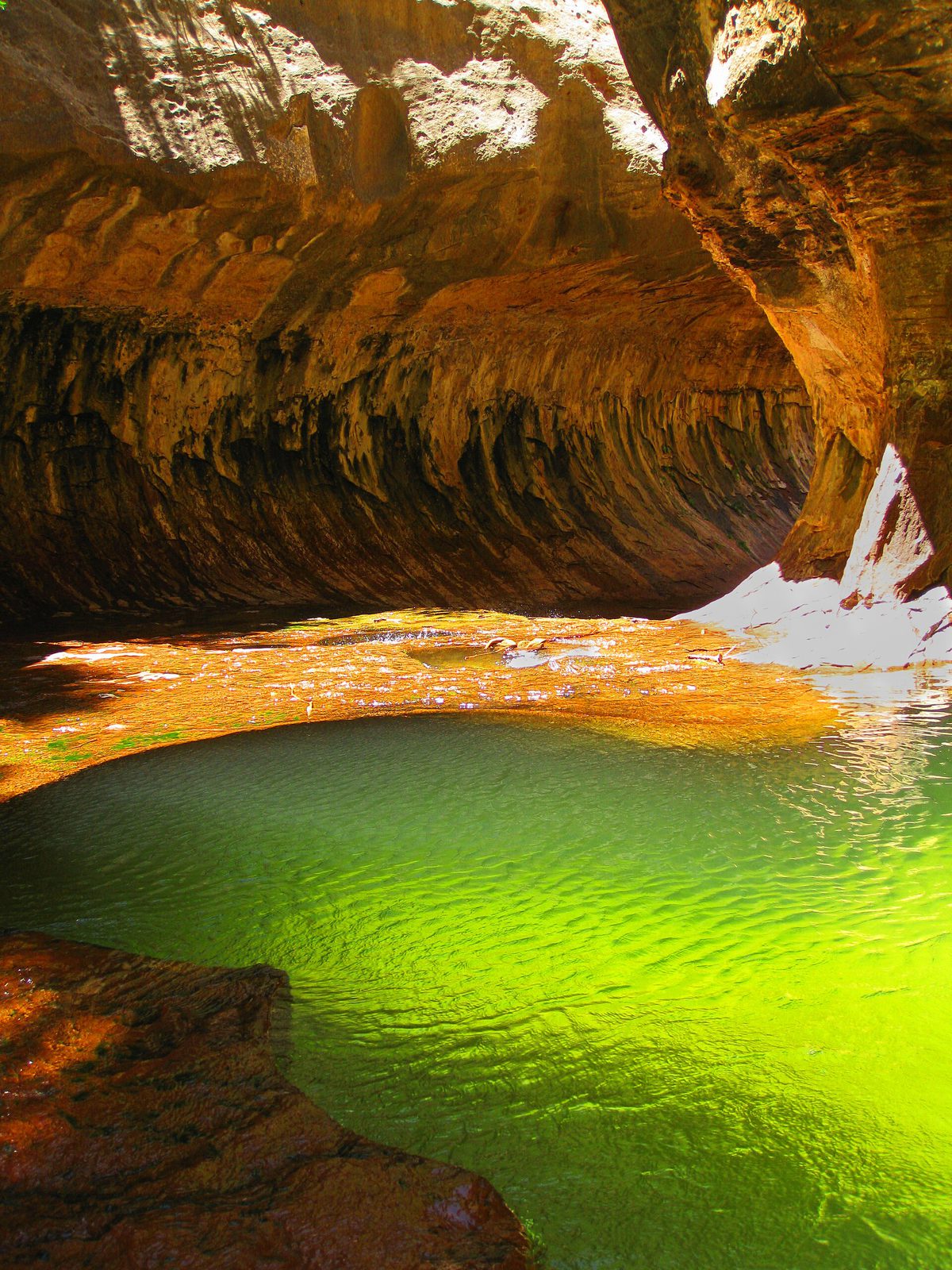 The SubwayZion NP · UtahPermitLotterytough odds
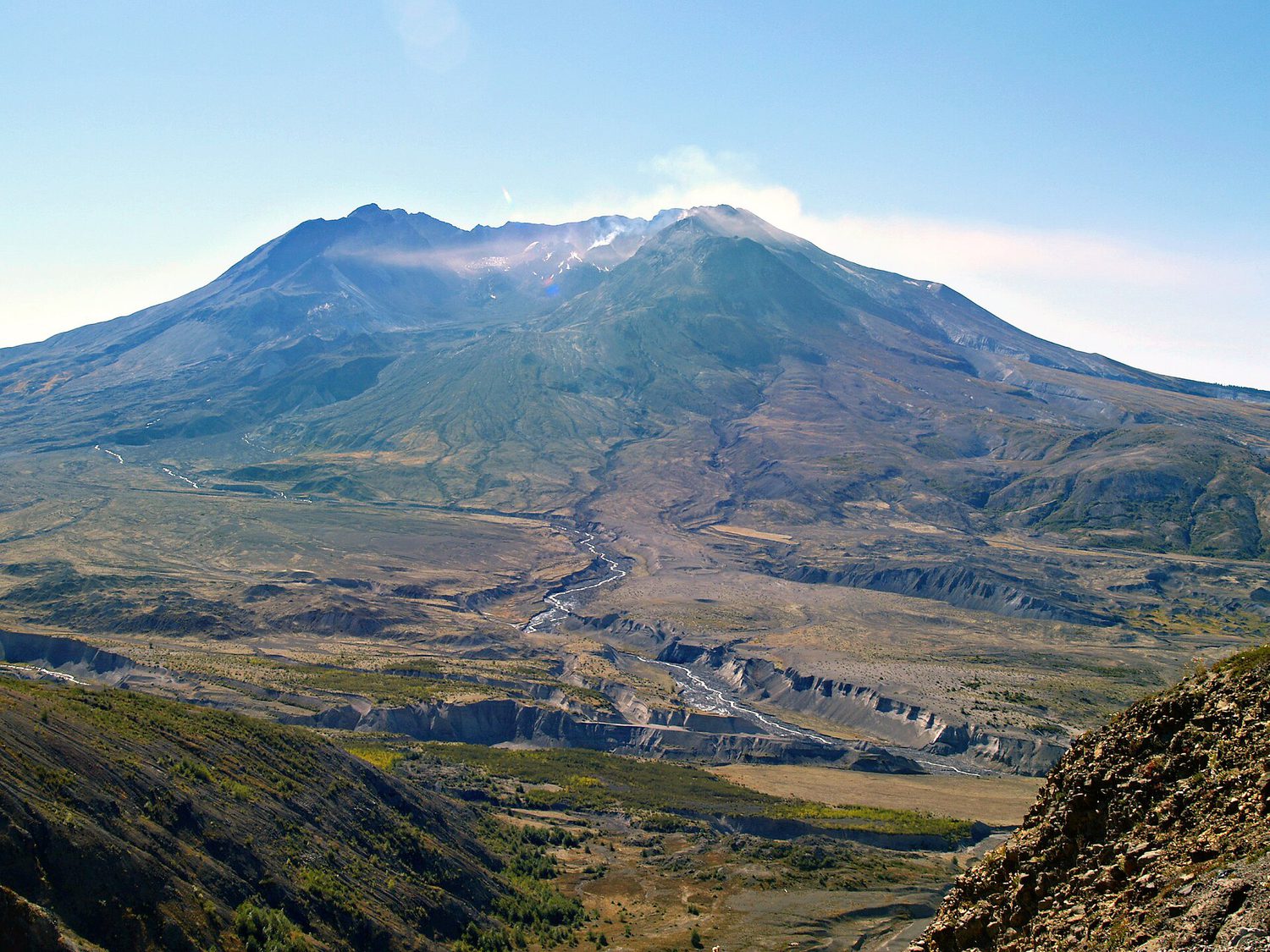 Mount St. Helens Summit ClimbGifford Pinchot NF · WashingtonPermitReservationtough odds
How it works
- An email the morning each window opens, never the day after.
- A 14-day heads-up so you can line up your group and dates.
- Win odds and a ranked backup plan for every trail you pick.
Didn't win? We keep watching. We check recreation.gov every day for The Enchantments, Half Dome and Angels Landing, and email you the moment a sold-out date frees up. Cancellations are the second chance most people never hear about.