Everglades Kayaking Weekend Map
Two nights on the water, deep in the mangroves, from Everglades City.
3-day Everglades kayaking weekend from Everglades City. A ~26-mile out-and-back on the Wilderness Waterway, camping two nights over the water on the Sunday Bay and Sweetwater Bay chickees, threading mangrove tunnels and open bays deep in the western Everglades backcountry.
“I’ve requested to book a Chain Lakes Loop guide on ExplorOFF, and it was the best idea ever! I highly recommend going with their guided option since you get a real human connection on the trail and don’t have to worry about a thing. Yulia was great to talk to!”
 10 stops on a real mapEvery stop pinned in order→
Everglades: every stop pinned in order.
Sunday Bay & Sweetwater chickees · Wilderness Waterway · Florida
Every stop on this trip, in order, opens as one driving route in the Google Maps app. No copying addresses across one at a time.
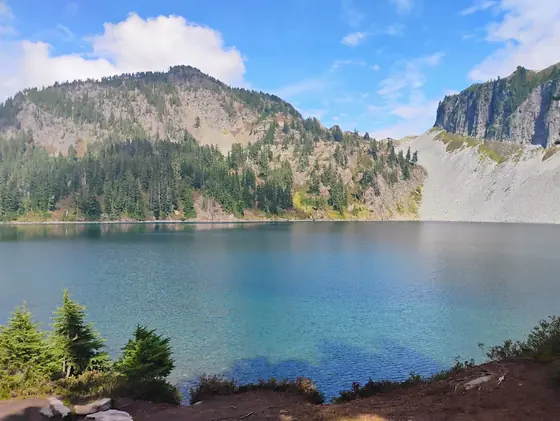
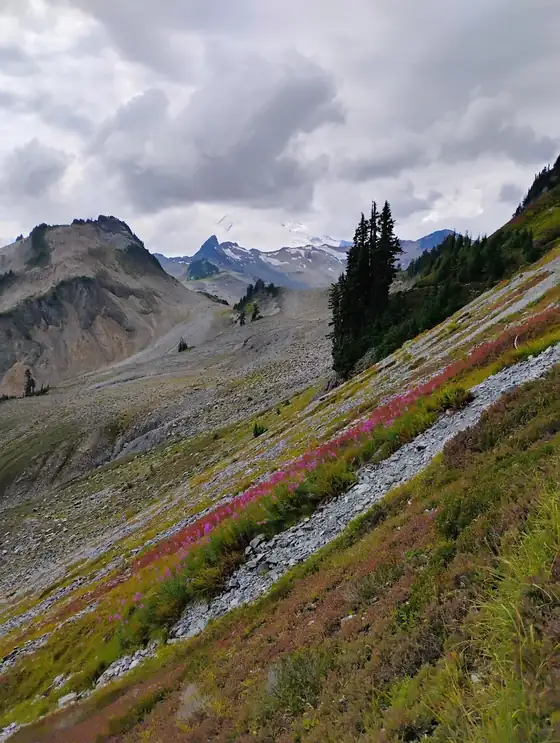
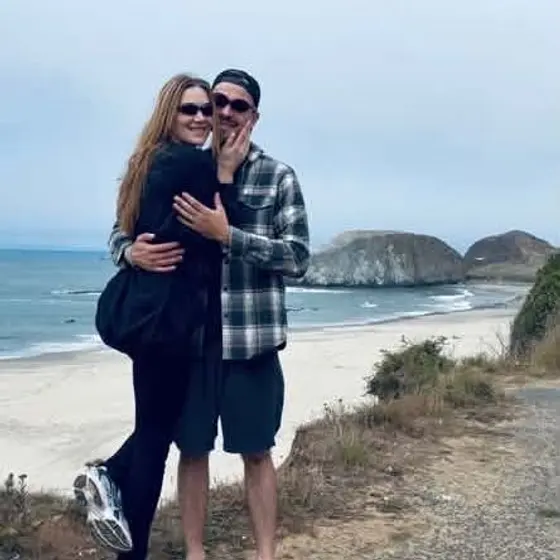
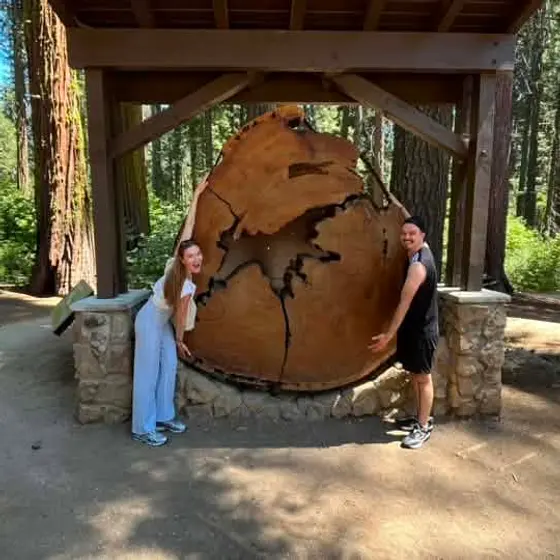
Everglades in photos: 4 of the stops.
Plan and book your 3 days in Everglades, one step at a time
How 3 days in Everglades split up
Plan 3 days for Everglades. Distance: ~26 mi round trip. Difficulty: Moderate–Strenuous. Permits: Required. For a 3-day kayaking weekend in Everglades National Park, base your logistics out of Everglades City and the Gulf Coast Visitor Center. This ~26-mile out-and-back on the Wilderness Waterway camps two nights on raised chickee platforms, Sunday Bay Chickee and Sweetwater Bay Chickee, without ever committing to the full 99-mile through-paddle to Flamingo.
Day 1: Everglades City to Sunday Bay Chickee
5 stops · Day one
Day 2: Mangrove Tunnels to Sweetwater Bay Chickee
3 stops · Day two
Day 3: Paddle Back to Everglades City
2 stops · Day three
Everglades City to Sunday Bay Chickee
Arrive at the Gulf Coast Visitor Center in Everglades City, pick up your wilderness permit, and launch into Chokoloskee Bay. The opening stretch is exposed, so watch the wind and tide, then follow the marked channels and mangrove islands south toward the Wilderness Waterway.
Not the order you want? Drag a stop, or use the arrows beside it. Stops move between days too.
 Ebyabe / CC BY-SA 3.0Drive from
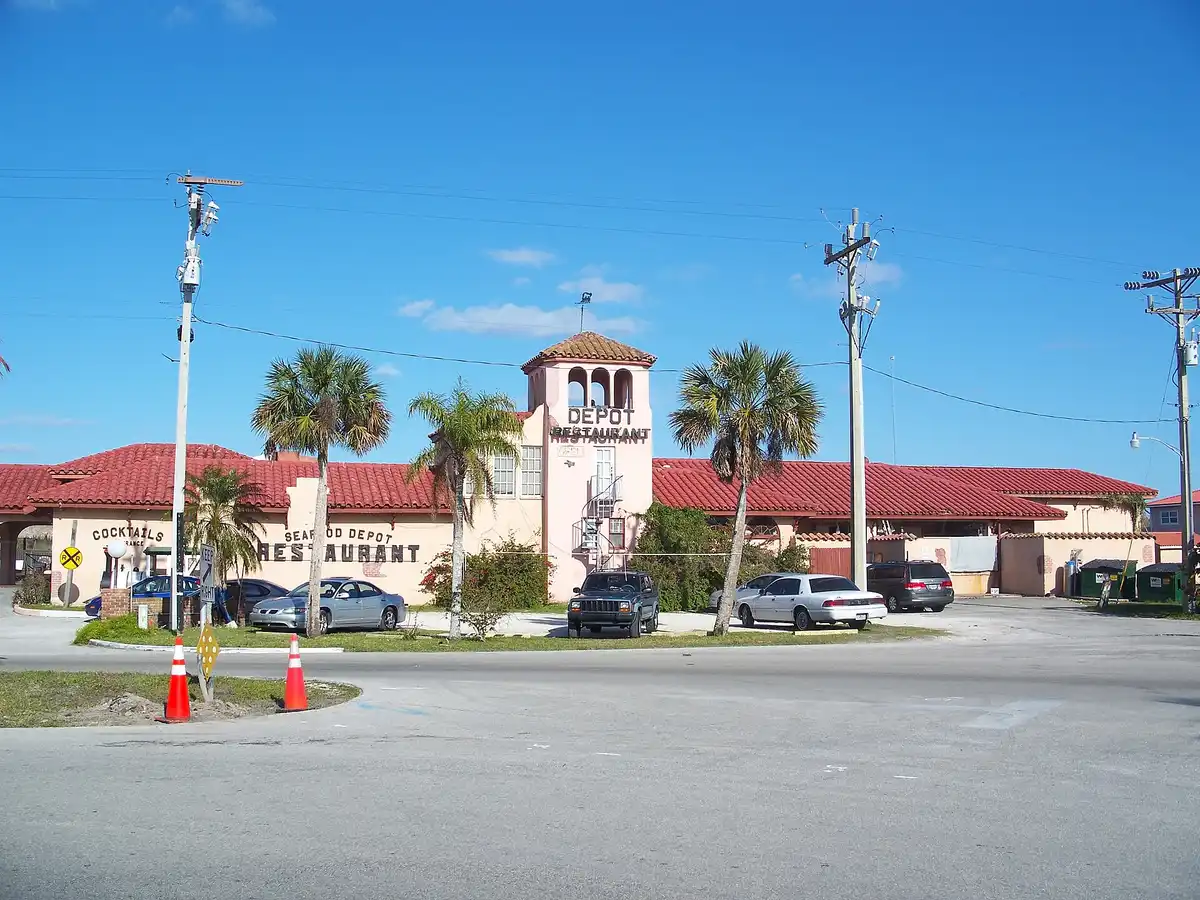
~1.5 hr from RSW · car required · DriveBase your logistics out of Everglades City, the gateway to the western Everglades. The Gulf Coast Visitor Center and marina are your launch point, about 1.5 hours from RSW (Southwest Florida International) and roughly an hour from Naples. No public transit reaches the put-in, so a car is required, and kayak or canoe rentals are available in town if you reserve ahead.
- Gulf Coast Visitor Center & permit pickup
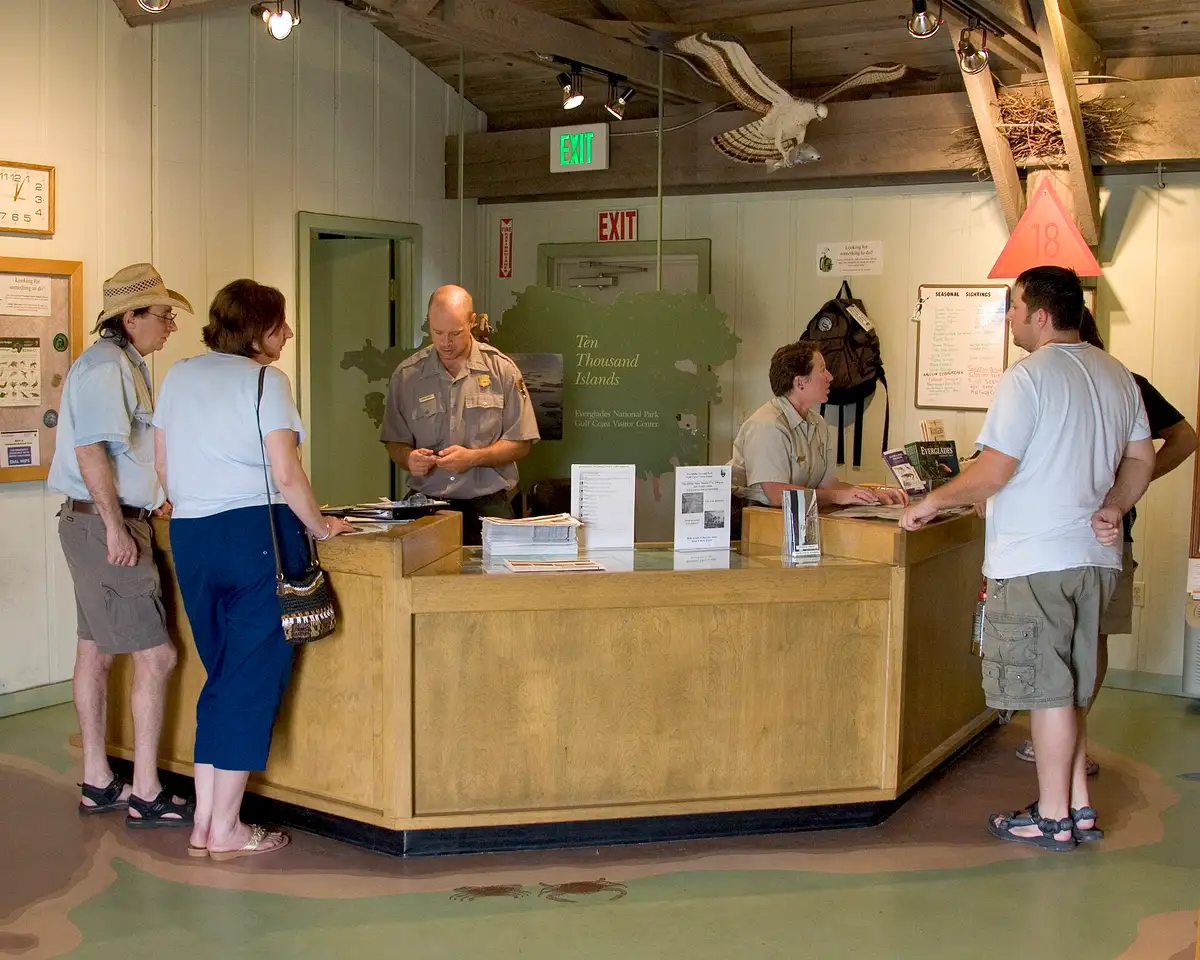
Launch point · wilderness permit desk · ViewpointCheck in at the Gulf Coast Visitor Center, pick up your wilderness permit, and launch into Chokoloskee Bay. Reserve the permit online at Recreation.gov (opening 90 days out, daily at 10 a.m. ET) or walk up in person within 24 hours. It is your last chance for restrooms, water, and cell service before the backcountry.
Official info → - Rent kayaks for 3 days · Everglades Florida Adventures
Multi-day kayak or canoe rental · reserve ahead · activityUnless you bring your own boats, rent before you launch. Everglades Florida Adventures in Everglades City rents sit-on-top kayaks for 2 to 10 days (3 days: $210 single, $240 double) and two-person canoes ($210 for 3 days). Reserve ahead for winter weekends, and load dry bags, 1 gallon of water per person per day and your food before you push off.
Book this → 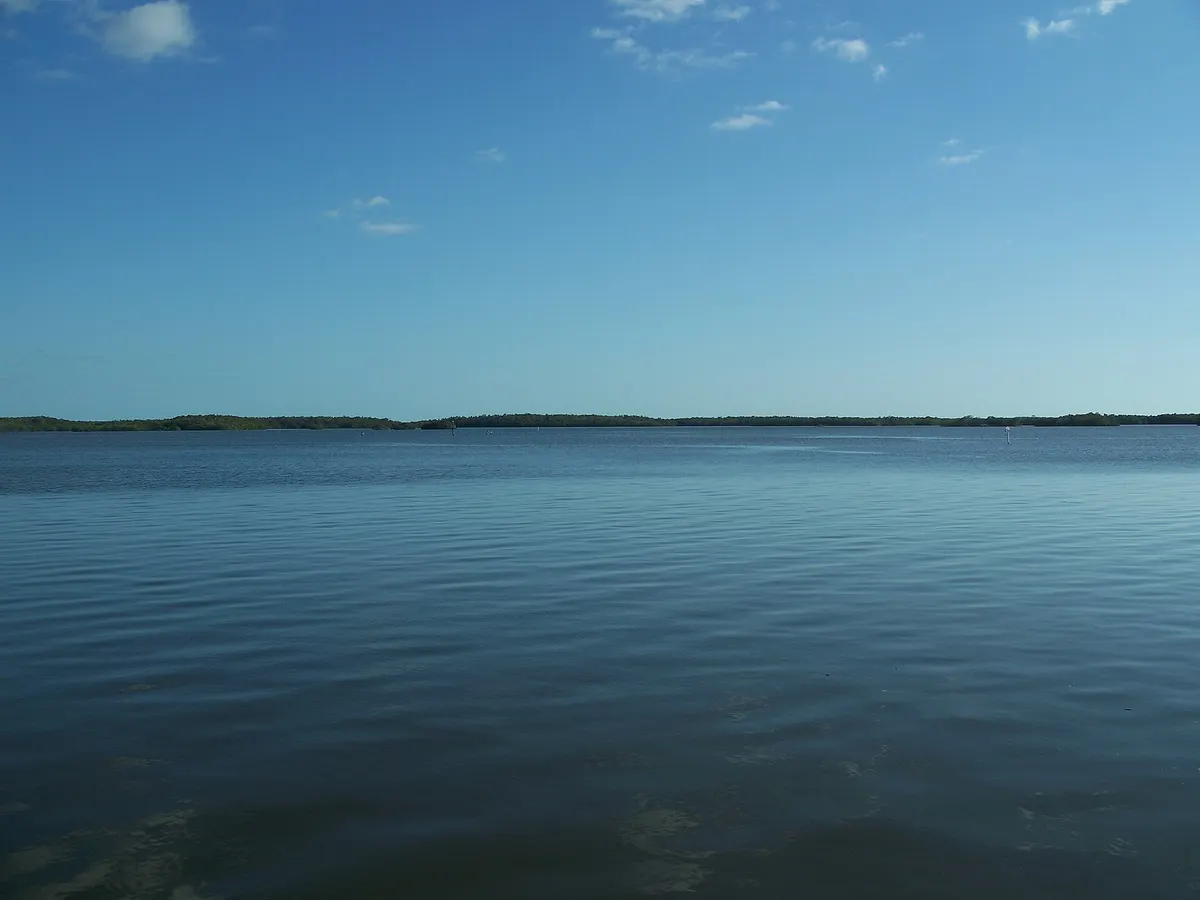 Ebyabe / CC BY-SA 3.0Paddle Chokoloskee Bay to Sunday Bay Chickee
~9 mi · open bay + mangrove channels · activityLaunch from the visitor center and paddle across Chokoloskee Bay, following marked channels south toward the Wilderness Waterway. The route mixes exposed open water with narrower mangrove passages, so watch the wind and tide and keep an eye out for dolphins and wading birds along the way.
- Overnight on Sunday Bay Chickee
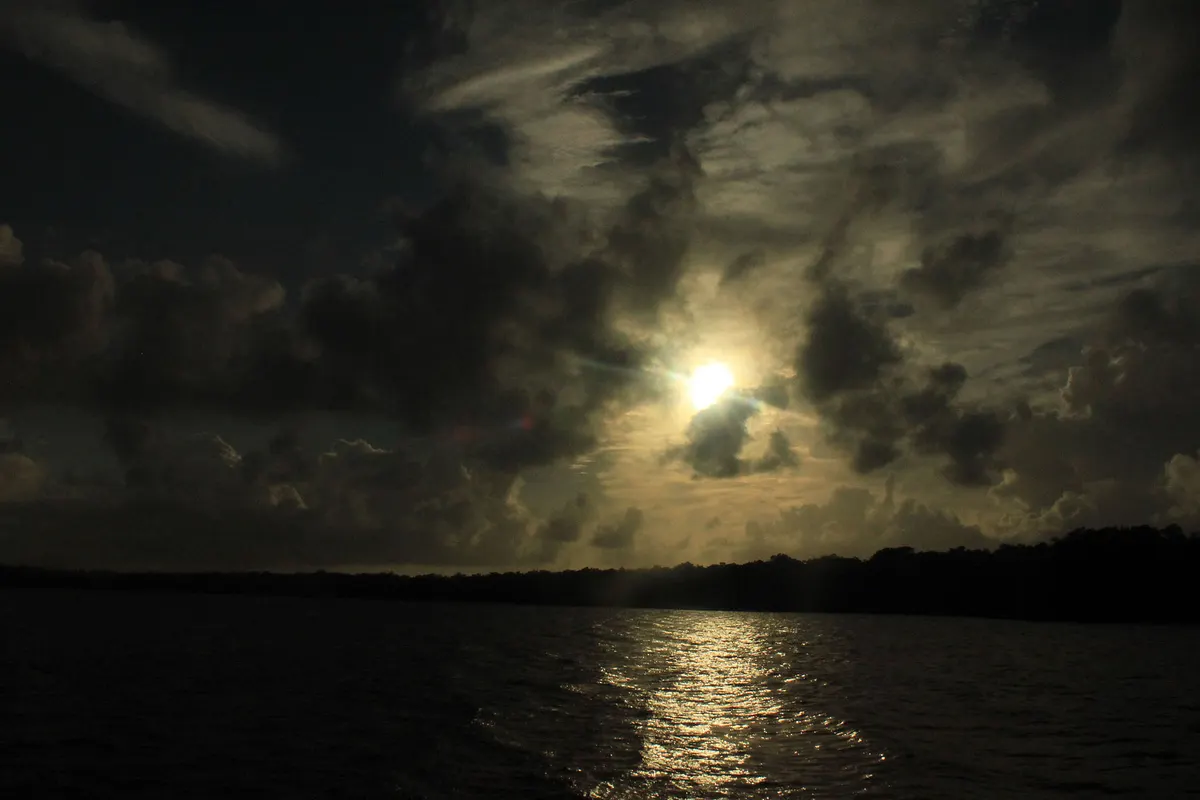
Raised platform over water · no amenities · lodgeArrive at Sunday Bay Chickee, a raised wooden platform over open water. Set up your freestanding tent or bug net, secure all food from raccoons, and enjoy sunset over the bay. Bring every drop of water you need, and pack out all trash.
Mangrove Tunnels to Sweetwater Bay Chickee
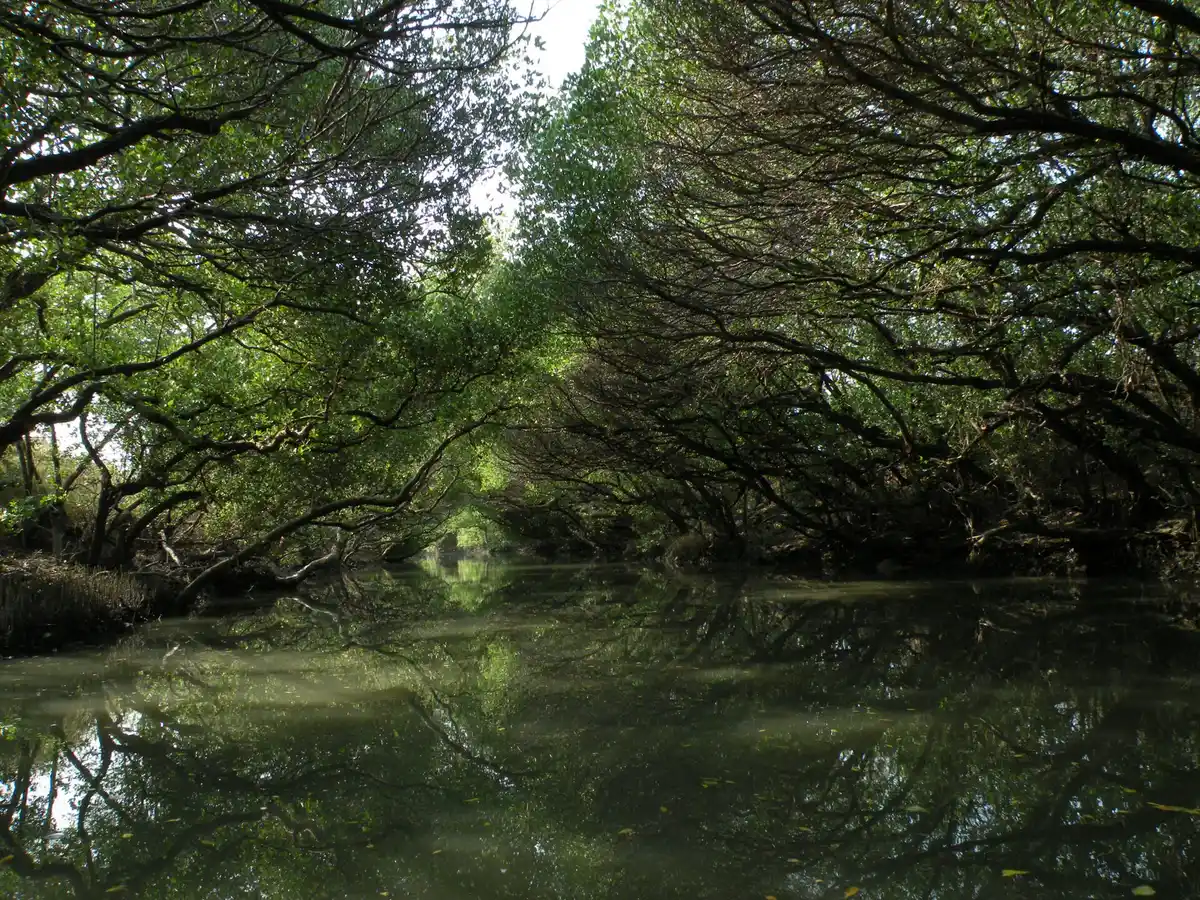
Today is shorter but twistier. From Sunday Bay you thread the winding mangrove tunnels of the Wilderness Waterway toward Sweetwater Bay Chickee, roughly 5 miles of precise steering through canopy-shaded corridors of dense roots. It is the most immersive paddling of the trip.
Not the order you want? Drag a stop, or use the arrows beside it. Stops move between days too.
- Sunday Bay to Sweetwater via mangrove tunnels
~5 mi · tight, winding channels · activityDepart Sunday Bay and thread the winding mangrove tunnels of the Wilderness Waterway toward Sweetwater Bay. Today is shorter but far twistier, roughly 5 miles of precise steering through canopy-shaded corridors of dense roots. It is the most immersive paddling of the trip.
- Wildlife watching & side creeks
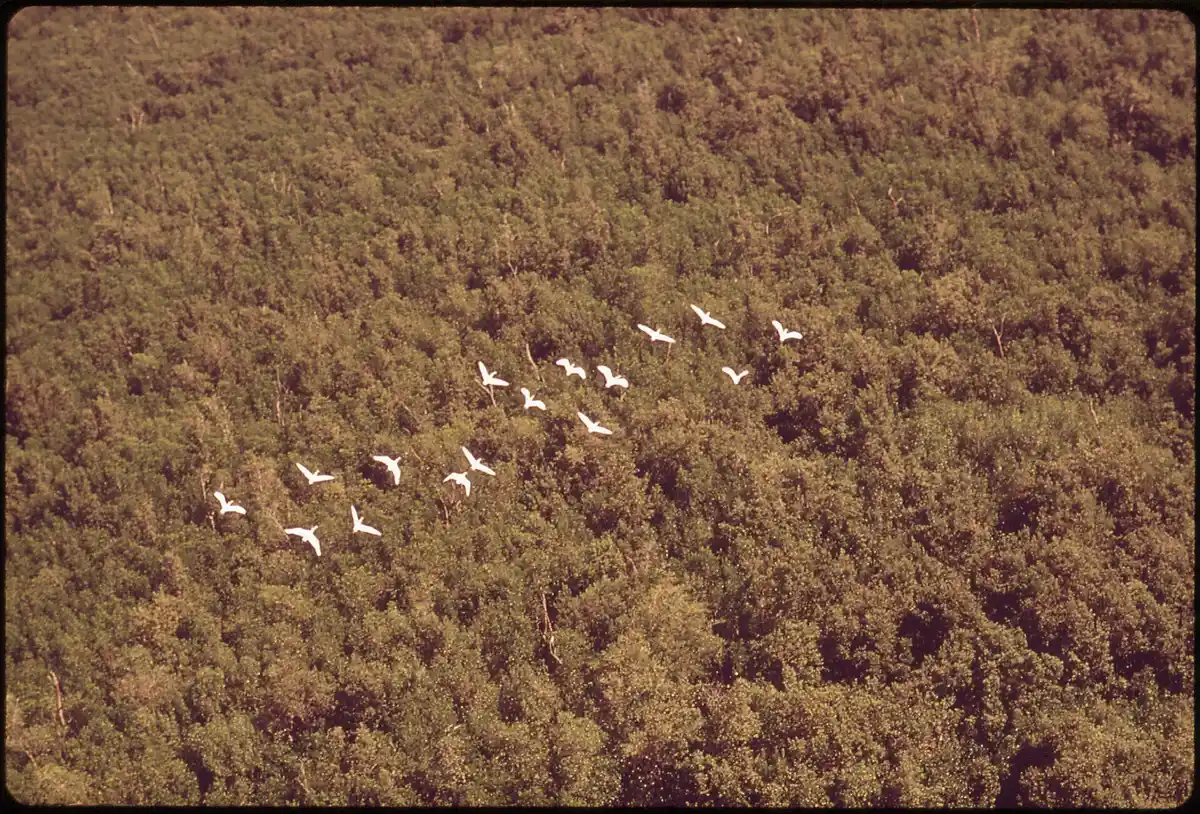
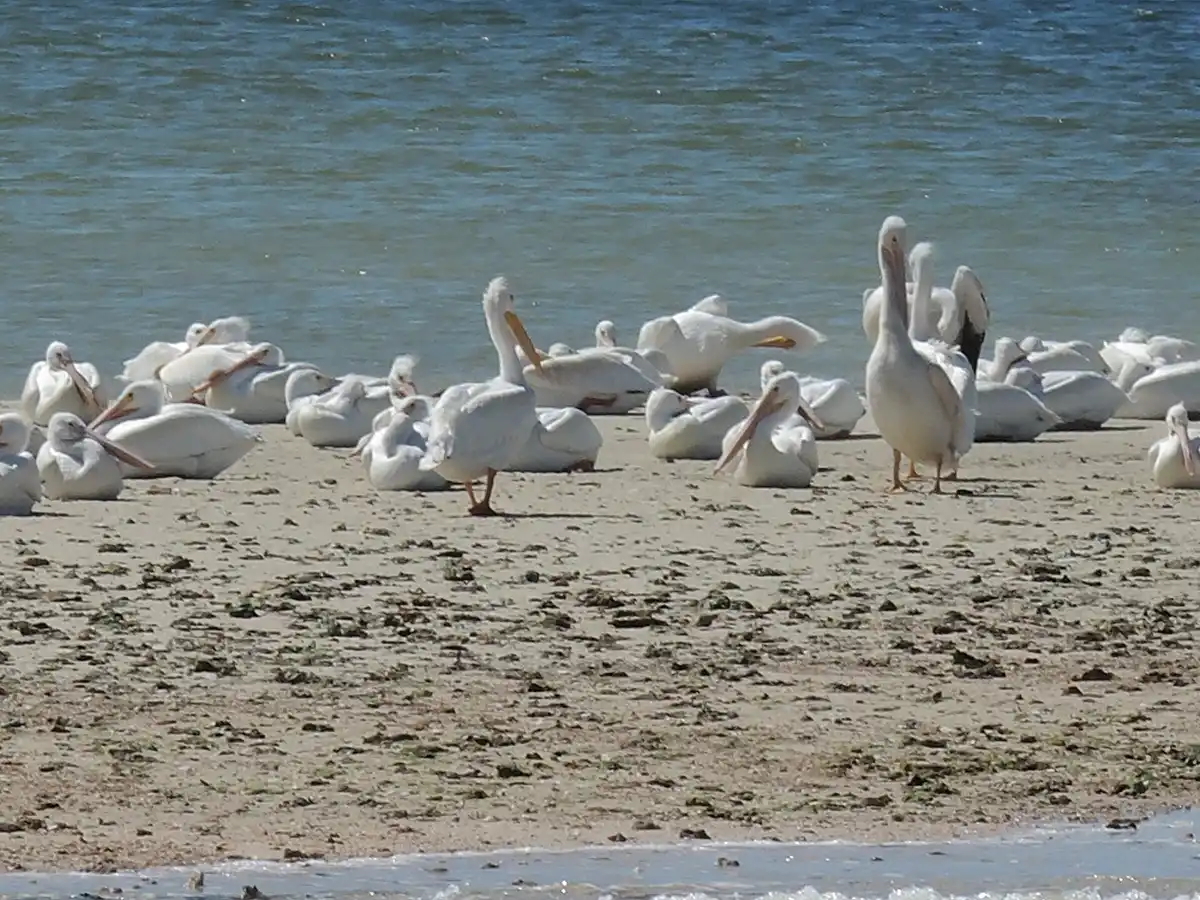
Manatees, spoonbills, ospreys · ViewpointWith a short paddling day, take time to explore side creeks and watch for manatees in the channels and roseate spoonbills, ospreys, and wading birds along the mangrove edges. Dawn and dusk are the best windows. Keep a respectful distance and never feed or approach wildlife.
- Overnight on Sweetwater Bay Chickee
Open-water platform · great stargazing · lodgeArrive at Sweetwater Bay Chickee, a quiet open-water platform far from any land. Its distance from shore means fewer mosquitoes after dark and superb stargazing on a clear night. If there is no toilet on the platform, a WAG bag system is required.
Paddle Back to Everglades City
Break camp early and retrace the route north, back through the channels and across Chokoloskee Bay to the Gulf Coast Visitor Center. This is the longest leg, roughly 13 miles, so start at first light to beat the afternoon wind that funnels across the open bay.
Not the order you want? Drag a stop, or use the arrows beside it. Stops move between days too.
 Pietro / CC BY-SA 3.0Sweetwater back to Gulf Coast Visitor Center
~13 mi · open bays + channels · activityBreak camp early and retrace the route north, back through the channels and across Chokoloskee Bay to the Gulf Coast Visitor Center. This is the longest leg, roughly 13 miles, so start at first light to beat the afternoon wind that funnels across the open bay. Ride the tide window if you can.
- Land & stay in Everglades City
Marina services · stone-crab lunch in season · lodgeLand at the marina, return any rental gear, and reset at the visitor center. From here it is an easy drive back to Everglades City or Naples, or a short detour to a stone-crab lunch in town to celebrate two nights out on the water.
Sort where you sleep each night
Most nights on this trip are in a tent. Reserve any campsite the route needs, and the room either side of it if you want one.
Tell us your dates and we will do the calling: the rooms either side, and the guided days in between. Nothing is charged and you decide at the end.
Request to bookEverglades Wilderness Camping Permit opens on its own calendar
$21 non-refundable reservation fee covering the whole trip however many nights it runs, plus $2 per person per night.
| Permit | Required: Everglades Wilderness Camping Permit Official page |
|---|---|
| Application window | a rolling 90-day window: your date opens at 10:00 AM ET exactly 90 days before your first night. There is no lottery. |
| Odds of drawing | Winter and spring chickees and beach sites go at release. Summer is wide open, and brutal. |
| If your application is denied | Move a night either side, or take a ground site. It is the chickees and the beaches that sell out, not the park. |
| Trip starts from | Everglades City, FL, flying into Miami International (MIA) |
What to pack for Everglades
Built from this route, not a generic list. Every line says why it is here.
On every day of this trip
Because you are sleeping out 2 nights
For the 1 night under a roof
For the drive to the trailhead
Essential wilderness rules & planning.
Wilderness permit is required
Every overnight in the Everglades backcountry needs a wilderness permit, including chickee platforms. Reserve online at Recreation.gov (opening 90 days out, daily at 10 a.m. ET) or get a walk-up permit in person within 24 hours at the Gulf Coast or Flamingo visitor centers. A permit fee plus a small per-person, per-night charge applies; confirm current rates on Recreation.gov.
Chickee camping rules
Chickees are 10x12 ft raised platforms holding a maximum of 6 people or one group. Bring a freestanding tent or a bug net, since you cannot stake into the deck. Some chickees have a composting toilet or porta-potty; where there is none, a WAG bag system is required. Open fires are prohibited, so cook on a camp stove.
Navigation & tides
Carry NOAA Chart 11430, a compass, and a GPS. Channels are marked but the mangrove islands are near-identical and easy to confuse. Plan your crossings of Chokoloskee Bay around the tide and the wind, and start early each day before afternoon winds build across the open water.
Go in the dry season
The dry season, November through April, brings cooler temperatures (60s-70s degrees F), lower humidity, and far fewer mosquitoes. December through March is ideal. Wet season (May-October) is hot, extremely buggy, and prone to afternoon thunderstorms and tropical storms; it is not recommended for multi-day backcountry paddling.
Carry all your water
There is no potable water anywhere in the Everglades backcountry; every channel is brackish. Carry at least a gallon per person per day, or pack a filter or purifier capable of treating brackish water plus a way to make it palatable. Pack out everything, including trash and human waste where no toilet exists.
Getting there needs a car
Everglades City is about 1.5 hours from RSW (Southwest Florida International) and roughly an hour from Naples. The Gulf Coast Visitor Center and marina are the launch point. Kayak and canoe rentals are available in Everglades City; reserve ahead in peak winter season. No public transit reaches the trailhead, so a car is required.
Plan for full sun and no shade
Once you leave the mangrove tunnels there is almost no shade on the open bays, and even in the dry season the midday sun and glare off the water are intense. Wear a long-sleeve sun shirt, a wide-brim hat, and polarized sunglasses, and reapply sunscreen through the day. Pack electrolytes as well as water, since steady paddling in the heat drains you faster than you expect.
Everglades: questions before you go
Everglades kayaking: the questions people ask most.
Yes. A wilderness permit is mandatory for every overnight in the backcountry, including chickee platforms. Reservations are now made online through Recreation.gov, opening 90 days before your trip start date (daily at 10 a.m. ET), or you can get a walk-up permit in person within 24 hours of launch at the Gulf Coast or Flamingo visitor centers. A permit fee plus a small per-person, per-night charge applies.
Moderate to strenuous. Daily distances run roughly 5 to 13 miles, navigation through mangrove tunnels takes skill, and wind and tides can make the open crossings of Chokoloskee Bay genuinely hard. Prior paddling and backcountry experience is strongly recommended before a multi-day Everglades trip.
The dry season, November through April, is best, with cooler temperatures, lower humidity, and far fewer mosquitoes. December through March is the sweet spot. The wet season (May-October) is hot, extremely buggy, and prone to afternoon thunderstorms and tropical storms, so it is not recommended for multi-day backcountry paddling.
None. There is no potable water anywhere in the Everglades backcountry, and every channel is brackish. Carry all the water you need, at least a gallon per person per day, or bring a filter or purifier capable of treating brackish water and then making it palatable.
A chickee is a 10x12 ft raised wooden platform built over open water, holding a maximum of 6 people or one group. Bring a freestanding tent or a bug net, since you cannot stake into the deck. Some chickees have a composting toilet or porta-potty; where there is none, a WAG bag system is required. Open fires are prohibited, so cook on a camp stove.
Yes. Kayak and canoe rentals are available in Everglades City near the Gulf Coast Visitor Center. Reserve in advance, especially in the peak winter season, and confirm whether the outfitter can also help with your permit and put-in logistics.
Expect alligators, American crocodiles in the brackish zones, manatees in the channels, dolphins in the coastal bays, and abundant birdlife including roseate spoonbills, ospreys, pelicans, and wading birds, best at dawn and dusk. Keep a respectful distance from all wildlife and never feed animals.
Cold fronts sweep through the Everglades every week or two in the dry season and can bring sustained north winds of 20 mph or more for a day or two at a time. Those winds turn the open crossings of Chokoloskee Bay and the wide bays into a hard, choppy slog and can pin you on a chickee until they ease. Check the NOAA marine forecast before you commit, build a buffer day into your plan if you can, and be willing to sit tight on the platform rather than push across whitecaps.
No. The backcountry channels are brackish, and an ordinary backpacking filter or purifier removes pathogens but does not remove salt, so it will not make that water safe or palatable to drink. Only a desalination system will, and those are heavy and slow for a kayak trip. The practical answer is to carry every drop you need, at least a gallon per person per day, plus a reserve in case wind delays your return.
Application window: a rolling 90-day window: your date opens at 10:00 AM ET exactly 90 days before your first night. There is no lottery..
Winter and spring chickees and beach sites go at release. Summer is wide open, and brutal.
Move a night either side, or take a ground site. It is the chickees and the beaches that sell out, not the park.
Everglades City, FL is the gateway town, flying into Miami International (MIA).
Tell us your dates and we ask a local guide who works this area what they can do on your days and what it costs. If nobody is free, we tell you. Asking is free: no card, no deposit, and nothing is held until you say yes.
Pick how you want to go.
Same 3-day route. Same 6 stops.
- 2 nights, Sunday Bay and Sweetwater chickees on the wilderness permit
- $8
- Multi-day kayak rental (3 days)
- Priced when you book
- Rental car, 3 days
- $180
- Gas, about 70 miles
- $10
- A professional sea kayak guide for all four days
- Included
- Kayaks, paddles and paddling gear
- Included
- Tents for three nights out in the backcountry
- Included
- Meals from lunch on day 1 to lunch on day 4
- Included
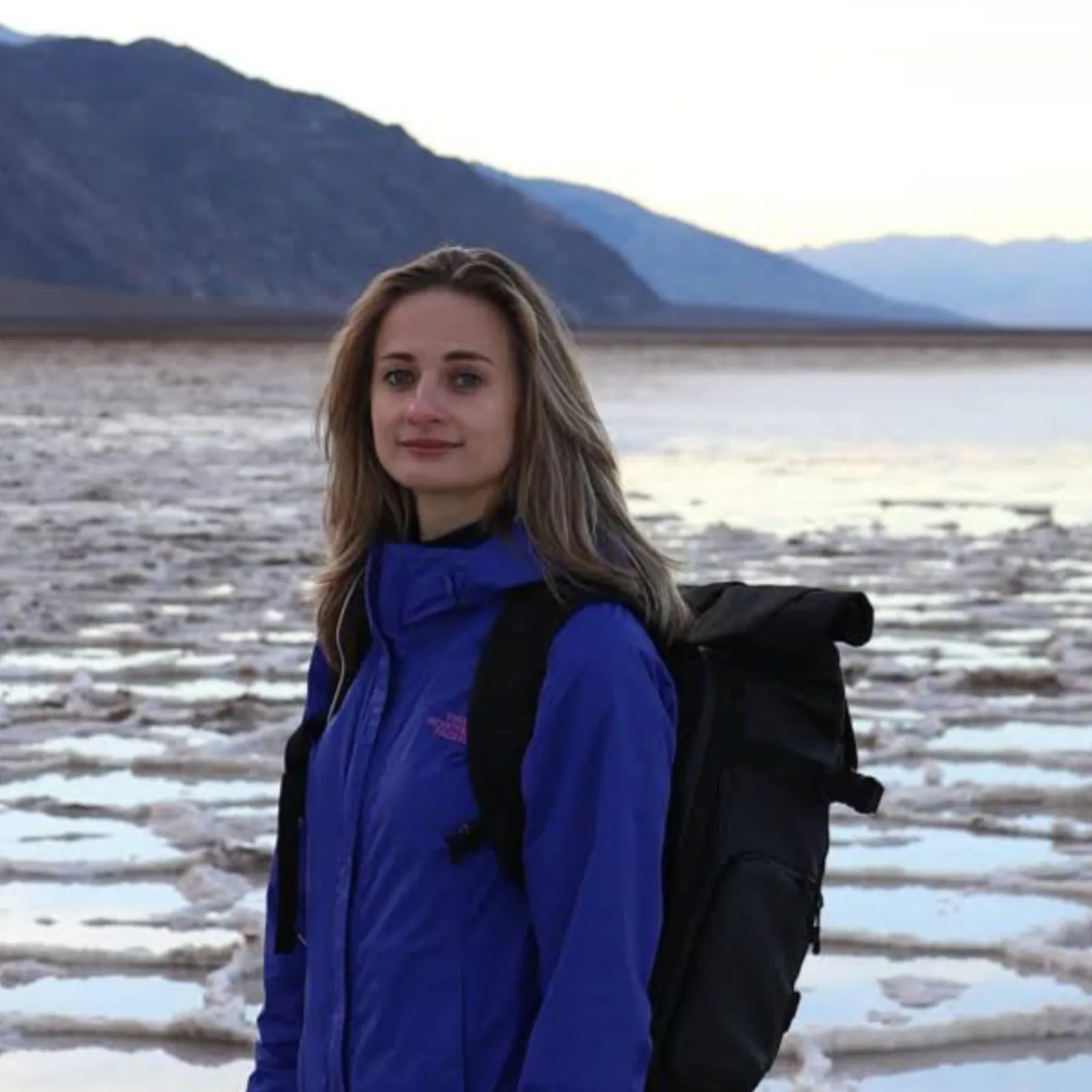
Written and walked by Yulia Vasilyeva · Co-founder · Lead planner and guide
Three years leading guided hikes in the Pacific Northwest, rated 5.0 by 20+ verified guests, and she builds every custom itinerary herself. Based in Seattle.
Last checked October 2026
You might also love these
Other itineraries near this one.
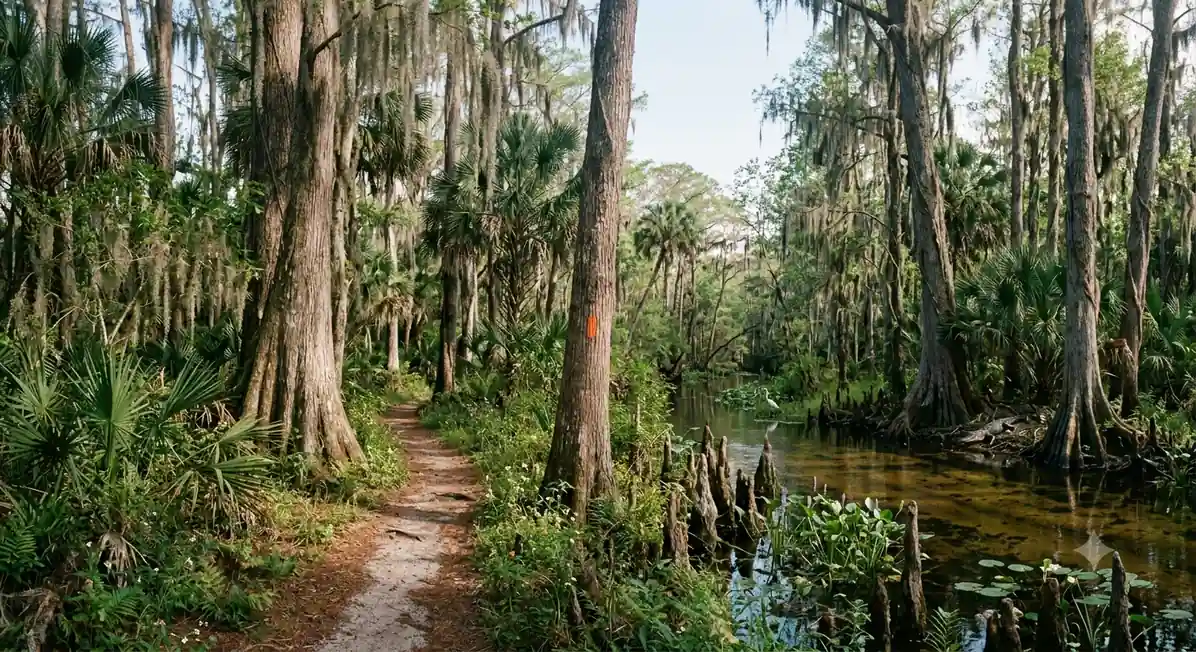
Florida Trail Big Cypress: 5-Day Backpacking Itinerary
A 5-day Florida Trail Big Cypress backpacking itinerary: ~30 miles from the Oasis Visitor Center to I-75, wading cypress strands and wet…
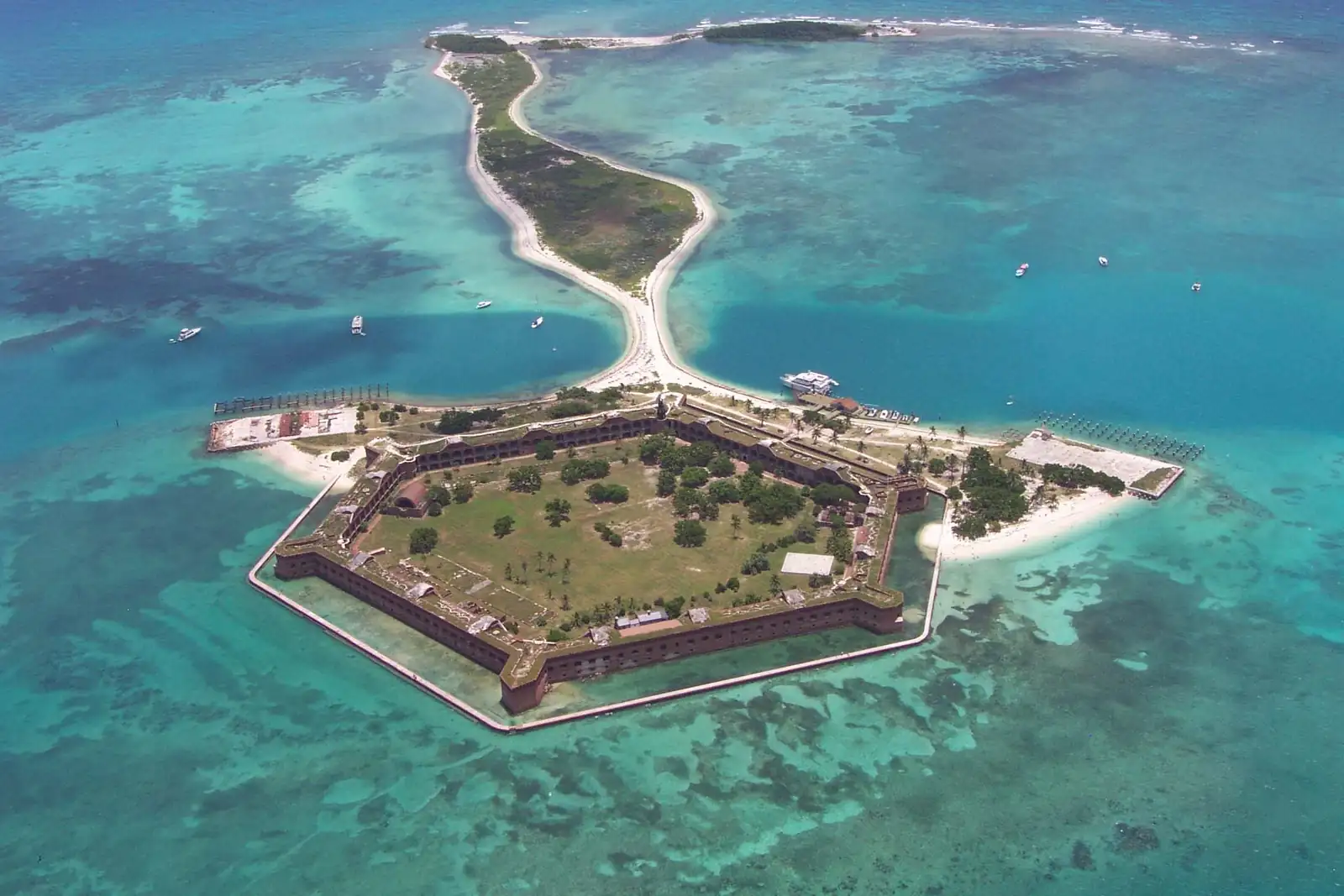
Dry Tortugas National Park Itinerary: 4 Days with a Night on the Island
Down the Overseas Highway from Miami, the morning ferry from Key West to Fort Jefferson, snorkeling the coaling docks and a night camped…
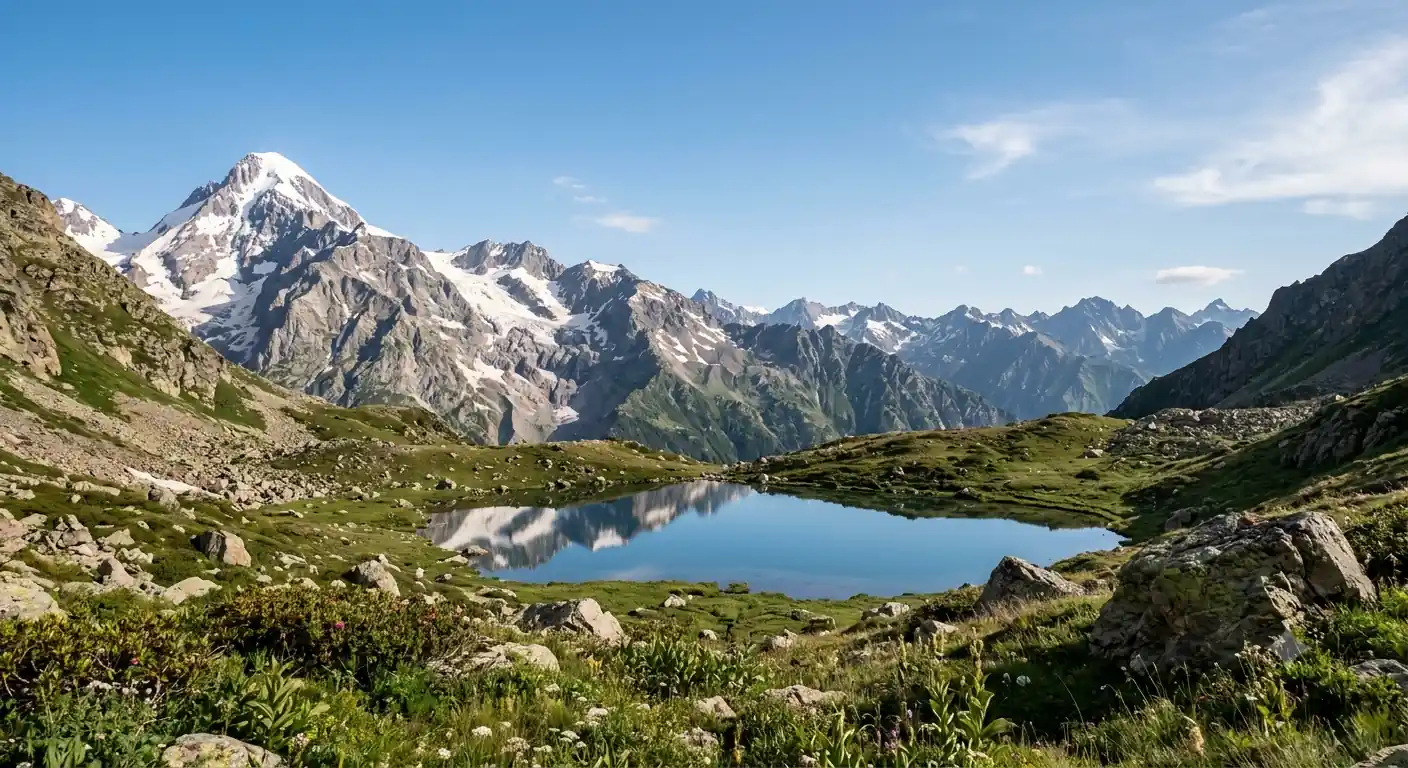
Georgia Outdoor Circuit: 10-Day Adventure Itinerary
A 10-day Georgia outdoor circuit: backpack the Appalachian Trail from Springer Mountain, raft the Chattooga River, kayak the Okefenokee…
Guides for this tripKayaking in Biscayne National ParkHow Far Are the Everglades From Miami? Drive Times to All Three EntrancesWhere Is St John Island? Map, Size and Getting to Virgin Islands National ParkBest National Parks to Visit in December
What adventurers say about us.
All reviews are from verified guests. ★★★★★ 5.0 average from 20+ bookings.
"Felt like going out with a really knowledgeable friend who just happens to know everything about the area. No awkward tour-guide energy, just a magnificent day."
"Yulia is an incredible guide. She knew every trail, every viewpoint, and exactly how to pace the day for our group. The photos she took of us were stunning. 100% booking again."
"I was visiting Seattle solo and this was the best decision I made on the trip. Yulia picked me up, had snacks, and took us to a trail I never would have found on my own. Absolute must-do."
"We did this as a couple's trip and it was perfect. Yulia adapted everything to us, our pace, our interests, our photo obsession. The mountain views were unreal."
"Phenomenal experience. Yulia has deep local knowledge and a real passion for the outdoors. She went out of her way to show us the hidden gems tourists never see. Will remember this forever."
"I've done a few guided hikes and this was by far the best. Yulia is warm, funny, and genuinely expert. The trail she chose had the most insane wildflower bloom, we got so lucky."
Fees, reservation windows, shuttle dates and trail closures are planning estimates. Confirm hours, road status and any reservations with the land manager before you go.
What other travelers are saying
Be the first to leave a tip or question for the next traveler.
Was this helpful?
One tap. It goes straight to Yulia and Margarita.
You can't hike it if you can't get the permit.
The best hikes in America run on lotteries that open once a year and sell out in minutes. Every trail runs on its own calendar. Pick the ones you want and we do the watching.
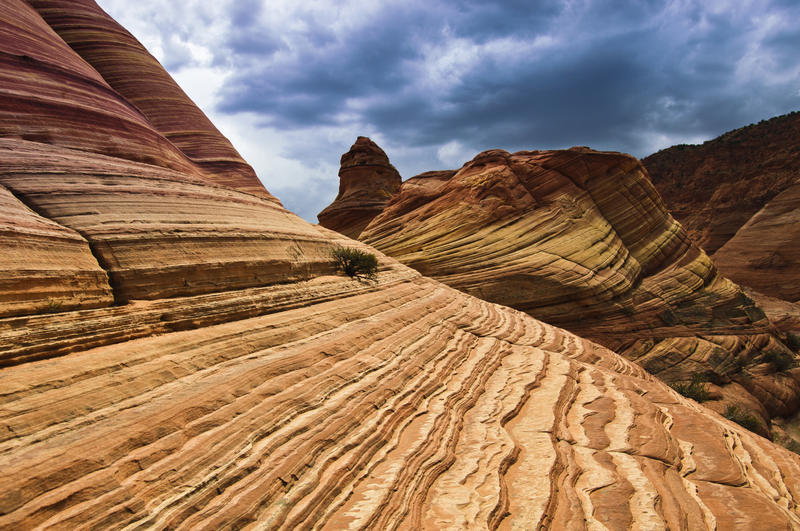 The WaveCoyote Buttes North · Arizona / UtahPermitLotterybrutal odds
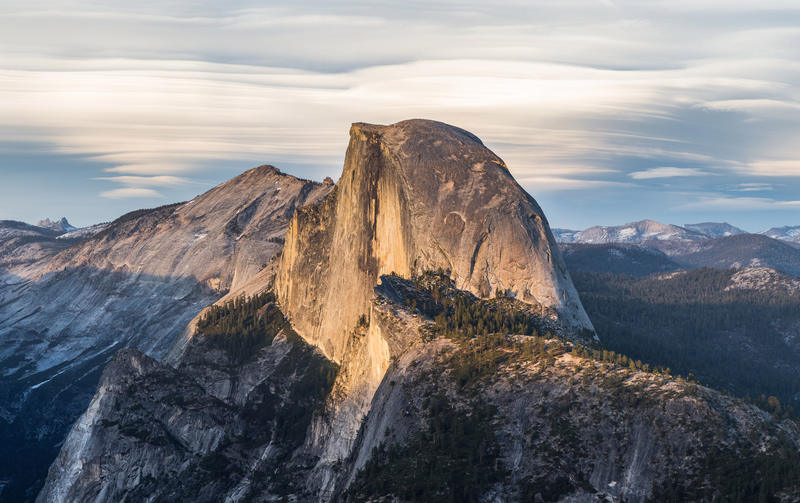 Half Dome CablesYosemite NP · CaliforniaPermitOpens Mar 1fair odds
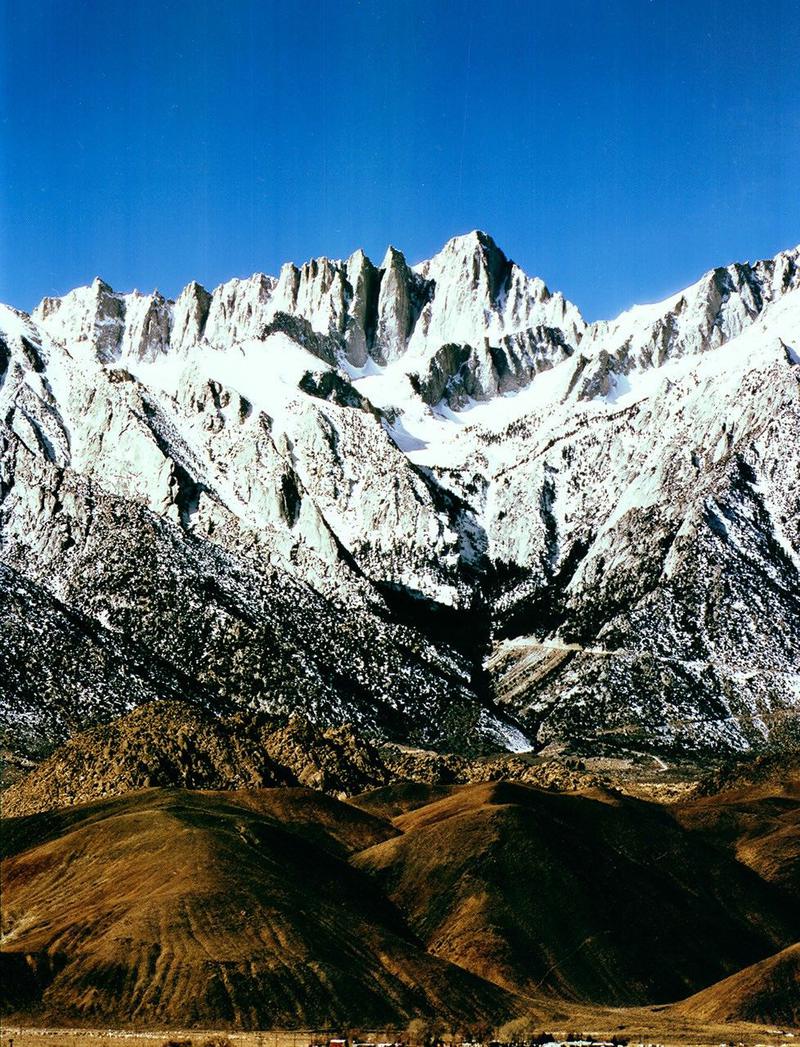 Mt. WhitneyInyo NF · CaliforniaPermitOpens Feb 1tough odds
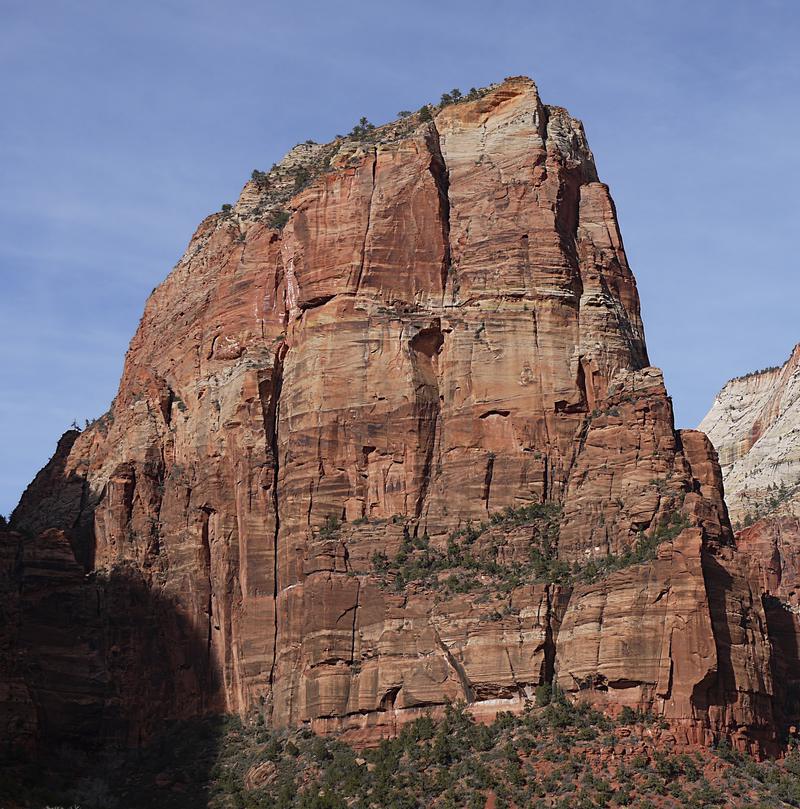 Angels LandingZion NP · UtahPermitLotterytough odds
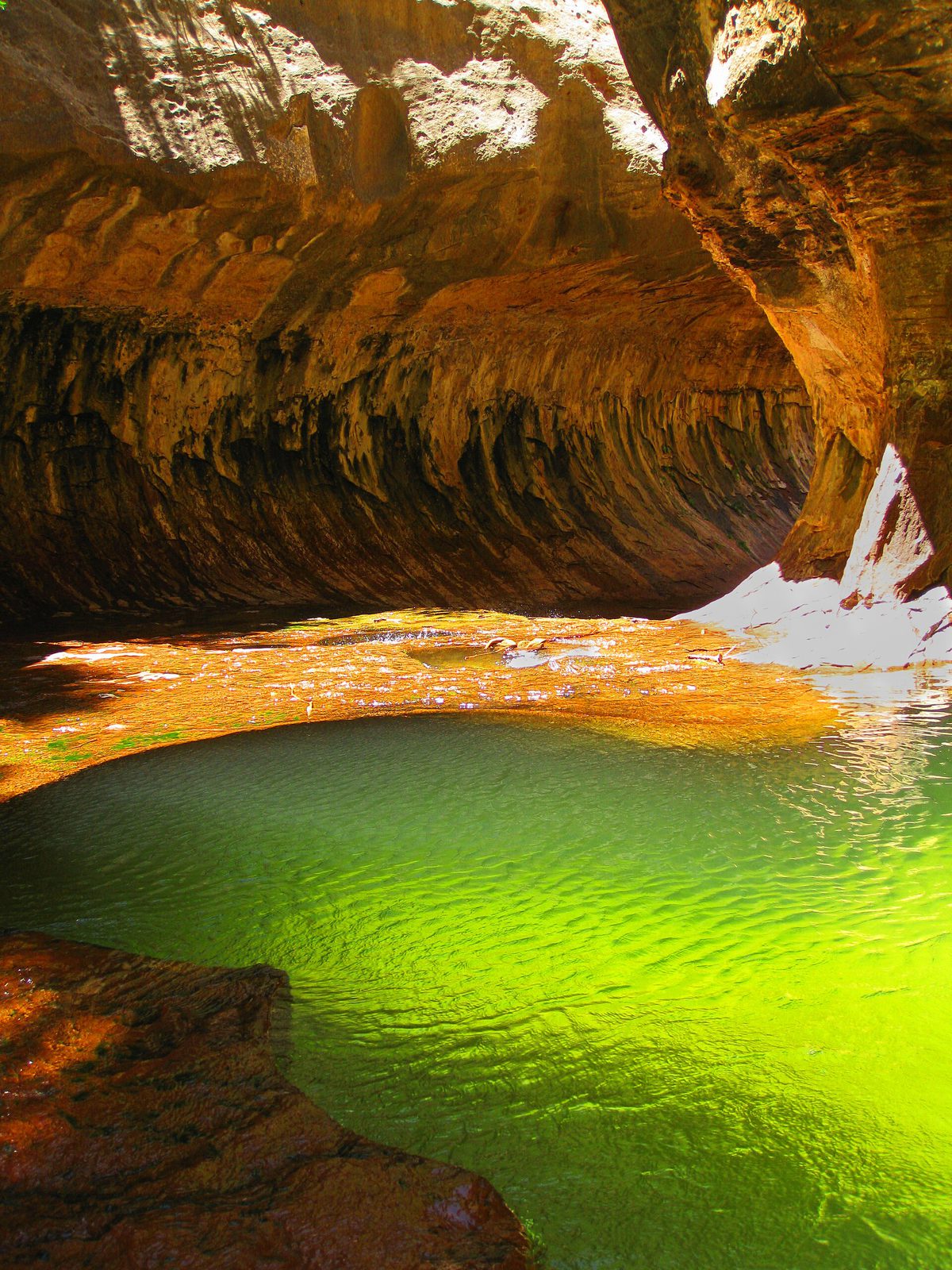 The SubwayZion NP · UtahPermitLotterytough odds
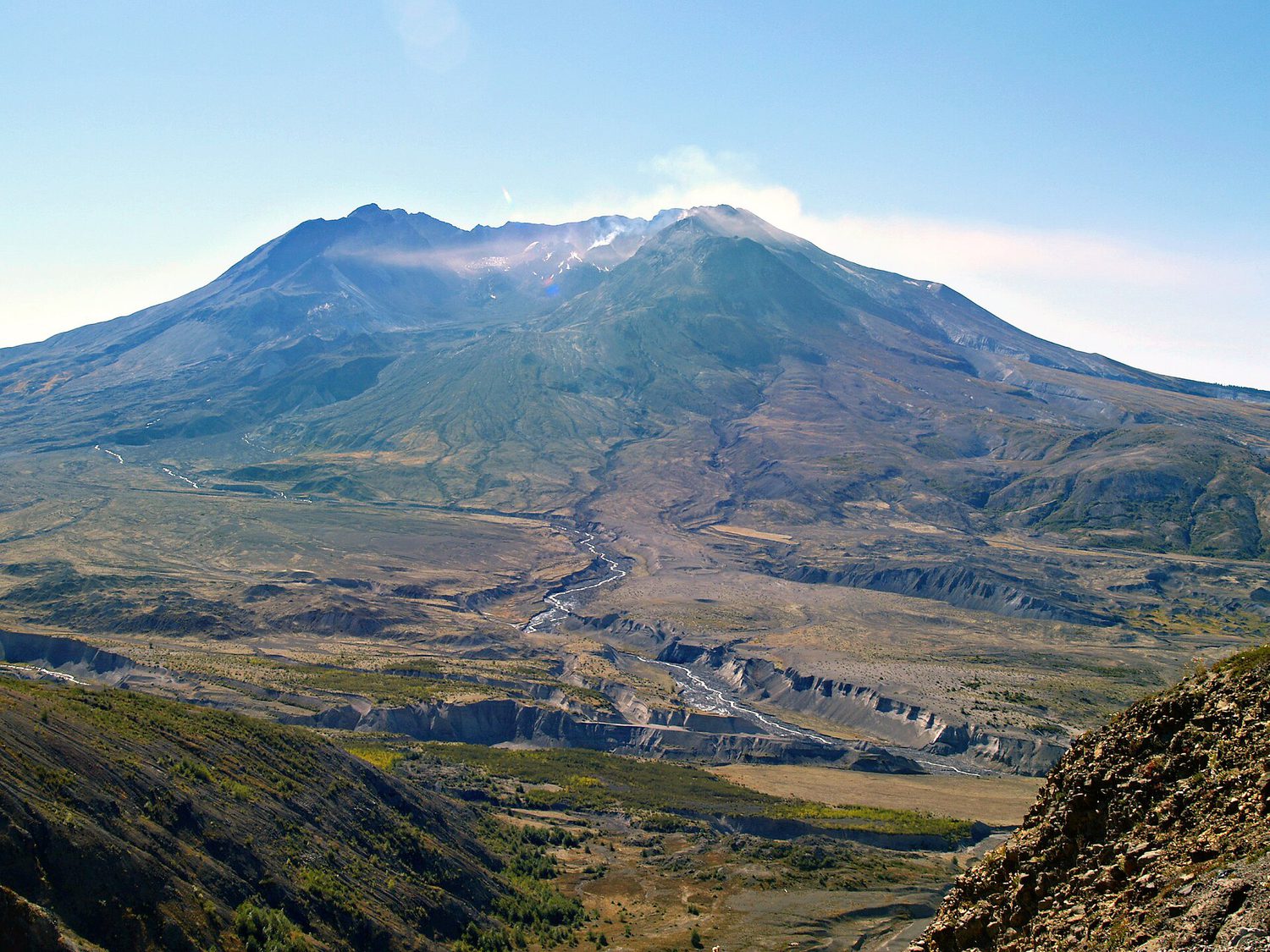 Mount St. Helens Summit ClimbGifford Pinchot NF · WashingtonPermitReservationtough odds
How it works
- An email the morning each window opens, never the day after.
- A 14-day heads-up so you can line up your group and dates.
- Win odds and a ranked backup plan for every trail you pick.
Didn't win? We keep watching. We check recreation.gov every day for The Enchantments, Half Dome and Angels Landing, and email you the moment a sold-out date frees up. Cancellations are the second chance most people never hear about.