Ouachita National Recreation Trail: A Section-Hike Itinerary
One long ridge trail, east to west, across the Ouachitas.
Four days section-hiking the Ouachita National Recreation Trail (the OT): Pinnacle Mountain near Little Rock, the Flatside Wilderness and Forked Mountain, Rich Mountain above Queen Wilhelmina, and the Talimena Scenic Byway overlooks.
“I’ve requested to book a Chain Lakes Loop guide on ExplorOFF, and it was the best idea ever! I highly recommend going with their guided option since you get a real human connection on the trail and don’t have to worry about a thing. Yulia was great to talk to!”
 13 stops on a real mapEvery stop pinned in order→
Ouachita Trail: every stop pinned in order.
Pinnacle Mountain · Flatside · Rich Mountain · Talimena Byway
Every stop on this trip, in order, opens as one driving route in the Google Maps app. No copying addresses across one at a time.
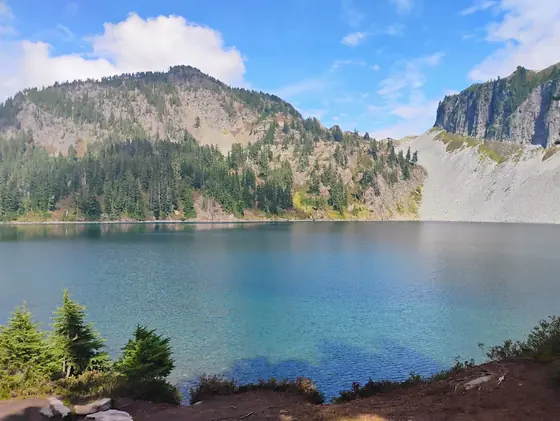
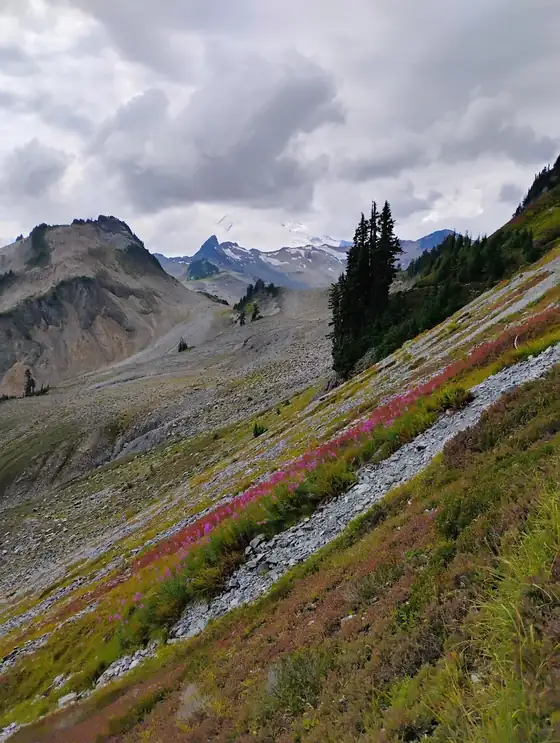
Ouachita Trail in photos: 5 of the stops.


Plan and book your 4 days in Ouachita Trail, one step at a time
- Fire danger on the Ouachita National Forest is Very High after weeks of triple-digit heat and little rain, and counties set their own burn bans. Check the Arkansas county burn ban map before planning a fire at the shelter, and carry a stove. Source
How 4 days in Ouachita Trail split up
Plan 4 days for Ouachita Trail. Full trail length: ~223 mi. Difficulty: Moderate. Permit: None. The Ouachita National Recreation Trail, known to hikers as the OT, runs about 223 miles east to west across the Ouachita Mountains, from Pinnacle Mountain State Park near Little Rock, Arkansas, to Talimena State Park in Oklahoma. Most of it threads through the Ouachita National Forest, the oldest national forest in the South.
Day 1: The east end: Pinnacle Mountain near Little Rock
4 stops · Day one
Day 2: The Flatside Wilderness & Forked Mountain
3 stops · Day two
Day 3: Rich Mountain & Queen Wilhelmina
3 stops · Day three
Day 4: The Talimena Scenic Byway & the west terminus
3 stops · Day four
The east end: Pinnacle Mountain near Little Rock
Start where the OT does, at its eastern terminus in Pinnacle Mountain State Park, only about 20 minutes northwest of Little Rock (LIT). The cone-shaped Pinnacle rises straight out of the Arkansas River valley, and the surrounding park is laced with trail that links into the western end of the Ouachita National Recreation Trail.
Not the order you want? Drag a stop, or use the arrows beside it. Stops move between days too.
- Drive from
~20 min · to the eastern terminus · DriveThe eastern terminus of the OT sits only about 20 minutes northwest of Little Rock (LIT), the easiest end of the trail to reach. Sort your shuttle or two-car plan first, since the OT is point-to-point with no loop back to your car, and check current conditions through the Ouachita National Forest.
- Pinnacle Mountain State Park
Eastern terminus · cone-shaped peak · ViewpointThe OT begins at Pinnacle Mountain State Park, where the cone-shaped Pinnacle rises straight out of the Arkansas River valley. The park trails link into the trail itself, making this the natural place to start a section hike and pick up the long, rolling ridge walking that defines the whole OT.
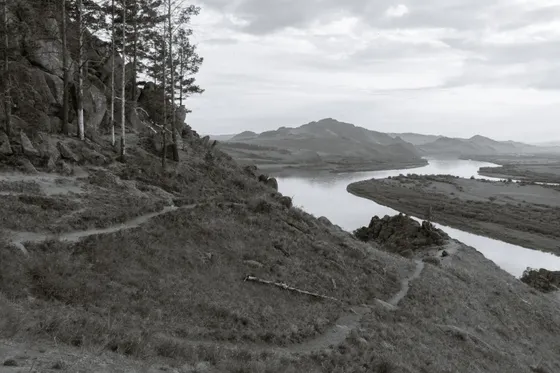 First OT ridge miles
Warm-up ridge walking · HikeWalk the first forested miles of the OT west of Pinnacle Mountain to get a feel for the long, rolling ridge walking that defines the trail. Top off water, confirm your maps, and use this easy section to settle your pace before heading deeper into the Ouachita National Forest.
- Stay in Little Rock
Closest city to the east end · lodgeBase in Little Rock the first night, the closest city to the eastern terminus and an easy run from LIT. It gives you a full range of lodging and supplies before you move west into the forest, where towns thin out and the trail gets remote.
The Flatside Wilderness & Forked Mountain
Move west into the heart of the Ouachita National Forest and the Flatside Wilderness, one of the wildest and most scenic stretches the OT passes through. The trail rolls along quiet forested ridges with long views, and side trails climb to Flatside Pinnacle and look out toward the distinctive cone of Forked Mountain.
Not the order you want? Drag a stop, or use the arrows beside it. Stops move between days too.
- Flatside Wilderness & Flatside Pinnacle
Wildest scenic stretch · big views · HikeMove west into the Flatside Wilderness, one of the wildest and most scenic stretches the OT passes through. The trail rolls along quiet forested ridges, and a short side trail climbs Flatside Pinnacle for long views over the surrounding Ouachita National Forest.
- Forked Mountain views
The distinctive cone · ViewpointFrom the Flatside ridge you look out toward Forked Mountain, the distinctive cone that punctuates this part of the range. This is classic OT walking: more sustained ridge mileage than big climbs, deep forest, and very few other people.
 Camp at a trail shelter
Free, first-come · no permit · lodgeCamp at one of the free, first-come shelters or primitive sites along the Flatside section. Nothing is reserved, so carry a tent as a backup in case a shelter is taken, and treat all your water since sources spread out and can run low in late summer and fall.
Rich Mountain & Queen Wilhelmina
Head to the western end of the trail for its high point. Rich Mountain is the highest point on the OT, and the historic Queen Wilhelmina State Park sits right on its crest, with a lodge perched on the ridge and big views over the surrounding ranges. It makes a perfect base near the western half of the trail.
Not the order you want? Drag a stop, or use the arrows beside it. Stops move between days too.
- Rich Mountain · the OT high point
Highest point on the trail · HikeHead to the western half of the trail for Rich Mountain, the highest point on the OT. Walk the sections along and below the crest, where the long east-west ridge gives sustained high walking with views on both sides at once, something you rarely get on a forested trail.
 Queen Wilhelmina State Park
Historic lodge on the crest · ViewpointQueen Wilhelmina State Park sits right on the Rich Mountain crest, with a historic lodge perched on the ridge and big views over the surrounding ranges. It is the scenic climax of the western half of the trail and a perfect base if you can get a night up top.
 Valis55 / CC BY-SA 3.0Stay in Mena, AR
Trail town below Rich Mountain · lodgeBase in Mena just below Rich Mountain, the trail town with supplies and lodging for the western Ouachitas. If the Queen Wilhelmina Lodge is booked, especially on a fall-color weekend, Mena lets you drive up to the ridge each day and resupply before the final section.
The Talimena Scenic Byway & the west terminus
Finish along the Talimena National Scenic Byway, which parallels the western end of the OT across Rich Mountain toward Oklahoma. The byway gives easy trailhead access and a string of overlooks, so you can hike short OT segments between pullouts and link your walking to the best views without committing to a full thru-section.
Not the order you want? Drag a stop, or use the arrows beside it. Stops move between days too.
- Talimena National Scenic Byway
Overlooks · easy trailhead access · ViewpointFinish along the Talimena National Scenic Byway, which parallels the western OT across Rich Mountain toward Oklahoma. It gives easy trailhead access and a string of overlooks, so you can hike short OT segments between pullouts and link your walking to the best views.
 OT western terminus · Talimena State Park
The Oklahoma end of the trail · HikeFollow the trail to its western terminus at Talimena State Park in Oklahoma, the far end of the 223-mile OT. Time this last stretch for late-afternoon light on the overlooks if you can, then turn to the logistics of getting your shuttle car and heading home.
 Getting home: Fort Smith or Little Rock
FSM closer · LIT across the range · DriveFrom the western end it is a manageable drive to Fort Smith (FSM) or a longer haul back across the range to Little Rock (LIT). Plan your shuttle back to your start car, fuel up and resupply in Mena before the drive out, and keep your route downloaded since service is thin across the forest.
Book the 3 nights
Beds near the trailheads are the one thing on this trip that genuinely runs out. Everything else can be decided later.
Tell us your dates and we will do the checking. We find what is still open near each trailhead and email you this plan back with a booking link for each night. Nothing is charged and you decide at the end.
Request to bookWhat to pack for Ouachita Trail
Built from this route, not a generic list. Every line says why it is here.
On every day of this trip
On your feet
Because you are sleeping out 1 night
For the 2 nights under a roof
For the driving days
What we actually learned on the OT.
Arrange a shuttle, it is point-to-point
The OT runs one way across the range, so there is no loop back to your car. Use two cars and drop one at each end, or arrange a shuttle. Build your sections around where you can leave and pick up vehicles.
No permit for most of the trail
Most of the Ouachita National Recreation Trail needs no permit and no reservation. Shelters and primitive campsites are free and first-come, so carry a tent as a backup in case a shelter is already taken when you arrive.
Treat your water and watch the gaps
Filter or treat every source. Water is reliable through much of the trail but spreads out and can run low in late summer and fall, so know where your next creek or spring is and carry enough to cover the dry stretches.
Go in spring or fall
Spring brings dogwoods and wildflowers; fall brings some of the best leaf color in the South. Summers are hot and humid with heavy bug pressure. The shoulder seasons are far more pleasant for the long ridge walking the OT is built on.
Watch for ticks, chiggers & copperheads
Warm-season hiking in the Ouachitas means ticks and chiggers in the brush and copperheads on the trail. Treat clothing, check yourself daily, watch where you put your hands and feet, and give snakes room to move off the trail.
Base in a trail town between sections
For a section hike, base in Mena near Rich Mountain, in Hot Springs, or in Little Rock near the eastern end, and drive to each section. Queen Wilhelmina Lodge on Rich Mountain is the standout on-trail stay and books up on fall weekends.
Ouachita Trail: questions before you go
Ouachita Trail hiking: the questions people ask most.
The Ouachita National Recreation Trail, known as the OT, is about 223 miles long. It runs east to west across the Ouachita Mountains from Pinnacle Mountain State Park near Little Rock, Arkansas, to Talimena State Park in Oklahoma, mostly through the Ouachita National Forest. This itinerary covers a scenic 4-day section rather than the entire trail.
No, most of the Ouachita National Recreation Trail requires no permit. Shelters and primitive campsites along the trail are free and first-come, with nothing to reserve. Because there is no permit system and no guaranteed shelter space, carry a tent as a backup and check the Ouachita National Forest for any local closures before you go.
Spring and fall are the best seasons. Spring brings wildflowers and dogwoods, and fall brings some of the best leaf color in the South. Summers are hot and humid with heavy bug pressure, including ticks and chiggers, plus copperheads on the trail, so most hikers stick to the shoulder seasons for the long ridge walking the OT is known for.
Unlike almost every other range in the region, the Ouachita Mountains run east to west rather than north to south. For hikers this is a gift: instead of constant steep climbs and drops, the OT gives long, sustained forested ridge walks, with stretches of high ridge that have views on both sides at once, which is rare on a forested trail.
The standouts are Pinnacle Mountain near Little Rock at the eastern end, the Flatside Wilderness and the cone of Forked Mountain in the middle, Rich Mountain (the trail high point) above the historic Queen Wilhelmina State Park, and the Talimena National Scenic Byway with its overlooks at the western end. This itinerary strings those four together over four days.
For a section hike, base in Mena, Arkansas near Rich Mountain, in Hot Springs, or in Little Rock near the eastern terminus, and drive to each section. The Queen Wilhelmina State Park Lodge sits right on the Rich Mountain crest and is the best on-trail stay, but it fills on fall-color weekends, so book early.
The OT is point-to-point, so you cannot simply loop back to your car. Most hikers use two vehicles and leave one at each end of their section, or arrange a shuttle with a local outfitter or fellow hikers. Plan this before you start, since the trailheads can be a long drive apart across the range.
Little Rock (LIT) is closest to the eastern terminus at Pinnacle Mountain, while Fort Smith (FSM) is closer to the western end near Talimena State Park, Oklahoma. Because the trail runs across the whole range, your choice depends on which end you start from and how you plan your shuttle back to your car.
Not always, especially late in the season. The shale and sandstone ridges dry out through late summer, and the streams near the shelters can shrink to dry beds. Call the Ouachita National Forest ranger office about a week before you leave to pinpoint which sources are still flowing, plan your day around reliable creeks, and carry at least 4 liters of capacity so you can load up when you reach good water. Treat or filter everything you collect.
Yes. Tell us your dates and we check what is still open for the plan on this page, then send it back with a booking link for each night and the total. Nothing is charged and nothing is held, and you pay the normal rate.
Pick how you want to go.
Same 4-day route. Same 8 stops.
- 1 night, a campsite near Little Rock
- $22
- 1 night, a campsite near Mena
- $22
- 1 night, Charlton Recreation Area
- $22
- 1 night, a room in Little Rock
- from $105
- 1 night, a room in Mena
- from $87
- 1 night, campsites on the nights the route camps
- $22

- A private local guide, rooms and campsites booked
- Included
- Airport pickup and every drive
- Included
- Park, permit and campsite fees paid
- Included
- All the gear and the trail meals
- Included
Written and walked by Yulia Vasilyeva · Co-founder · Lead planner and guide
Three years leading guided hikes in the Pacific Northwest, rated 5.0 by 20+ verified guests, and she builds every custom itinerary herself. Based in Seattle.
Last checked September 2026
You might also love these
Other itineraries near this one.
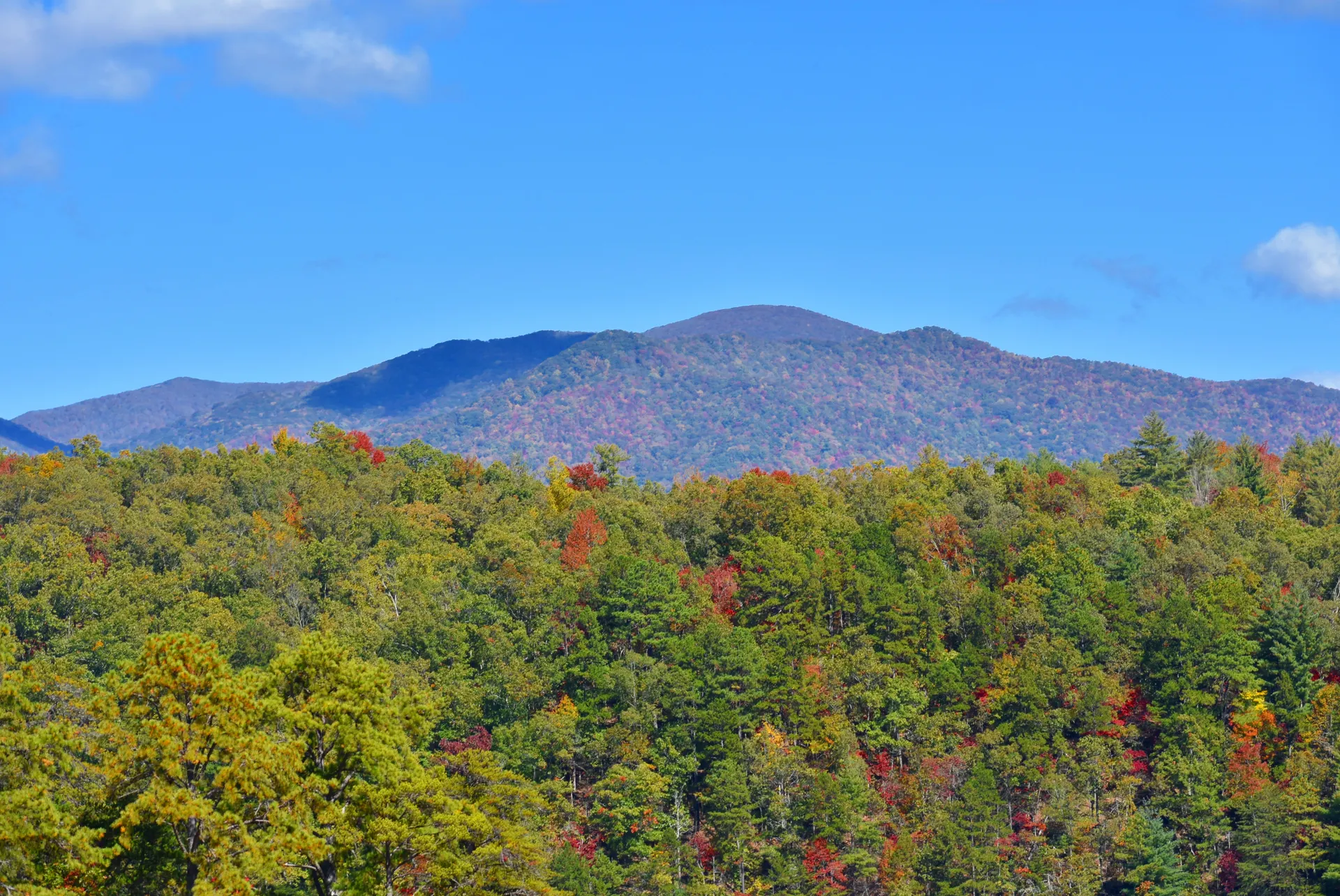
Ouachita Trail Backpacking: A 7-Day Arkansas Itinerary
Seven days backpacking the Arkansas Ouachita Trail: long east-west ridge walks, Rich Mountain, the Flatside Wilderness and Forked…
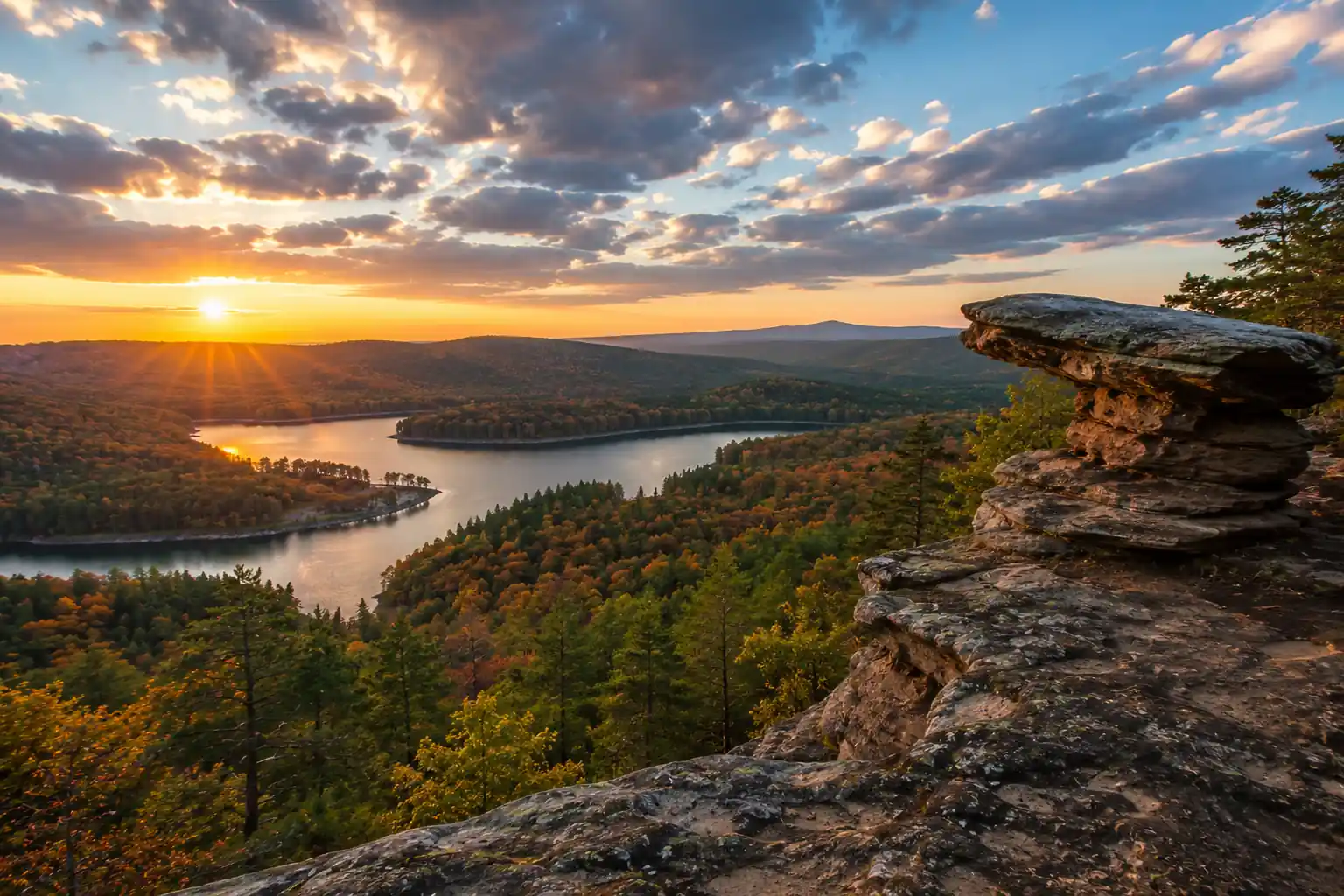
Arkansas 10-Day Outdoor Circuit: Ozarks to Ouachitas
The best hikes in Arkansas on one 10-day loop: Whitaker Point (Hawksbill Crag), the Buffalo River Trail, Hot Springs, the Ouachitas, and…
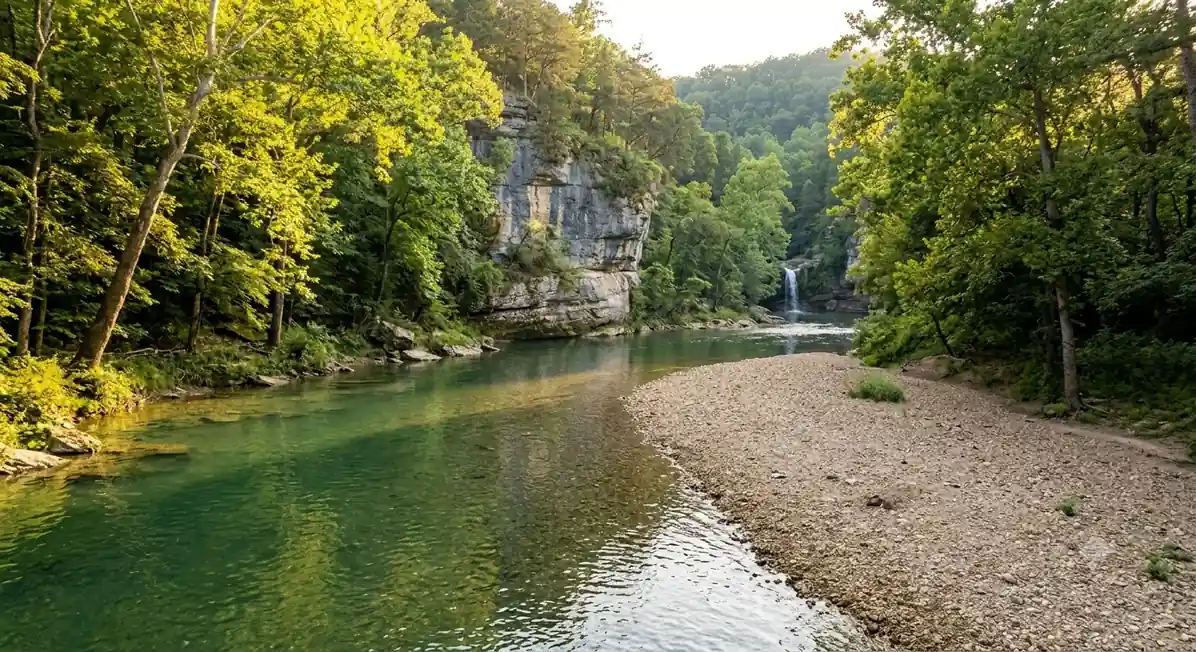
Buffalo National River: 3-Day Float & Hike Itinerary
A 3-day Buffalo National River itinerary: the Lost Valley Trail, an 11-mile Pruitt-to-Carver float, and the strenuous hike to 209-ft…
Guides for this tripBest Time to Hike the Ouachita TrailHiking the Flatside WildernessPinnacle Mountain Hiking Guide
What adventurers say about us.
All reviews are from verified guests. ★★★★★ 5.0 average from 20+ bookings.
"Felt like going out with a really knowledgeable friend who just happens to know everything about the area. No awkward tour-guide energy, just a magnificent day."
"Yulia is an incredible guide. She knew every trail, every viewpoint, and exactly how to pace the day for our group. The photos she took of us were stunning. 100% booking again."
"I was visiting Seattle solo and this was the best decision I made on the trip. Yulia picked me up, had snacks, and took us to a trail I never would have found on my own. Absolute must-do."
"We did this as a couple's trip and it was perfect. Yulia adapted everything to us, our pace, our interests, our photo obsession. The mountain views were unreal."
"Phenomenal experience. Yulia has deep local knowledge and a real passion for the outdoors. She went out of her way to show us the hidden gems tourists never see. Will remember this forever."
"I've done a few guided hikes and this was by far the best. Yulia is warm, funny, and genuinely expert. The trail she chose had the most insane wildflower bloom, we got so lucky."
Fees, reservation windows, shuttle dates and trail closures are planning estimates. Confirm hours, road status and any reservations with the land manager before you go.
What other travelers are saying
Be the first to leave a tip or question for the next traveler.
Was this helpful?
One tap. It goes straight to Yulia and Margarita.
You can't hike it if you can't get the permit.
The best hikes in America run on lotteries that open once a year and sell out in minutes. Every trail runs on its own calendar. Pick the ones you want and we do the watching.
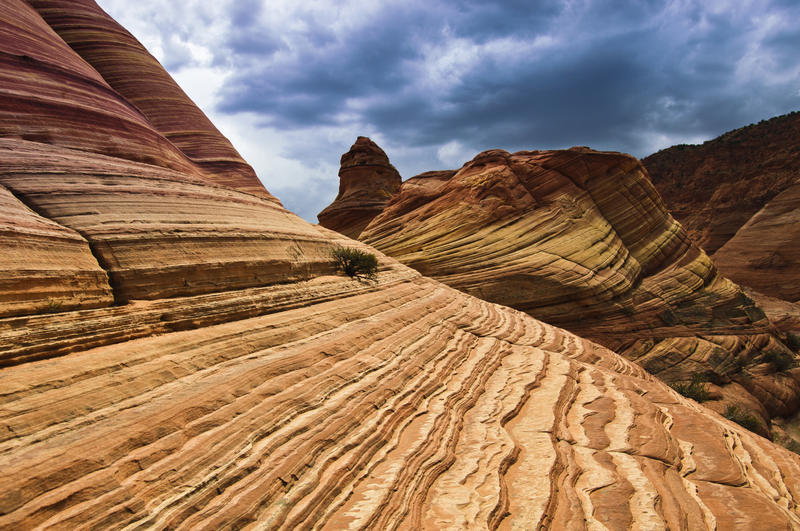 The WaveCoyote Buttes North · Arizona / UtahPermitLotterybrutal odds
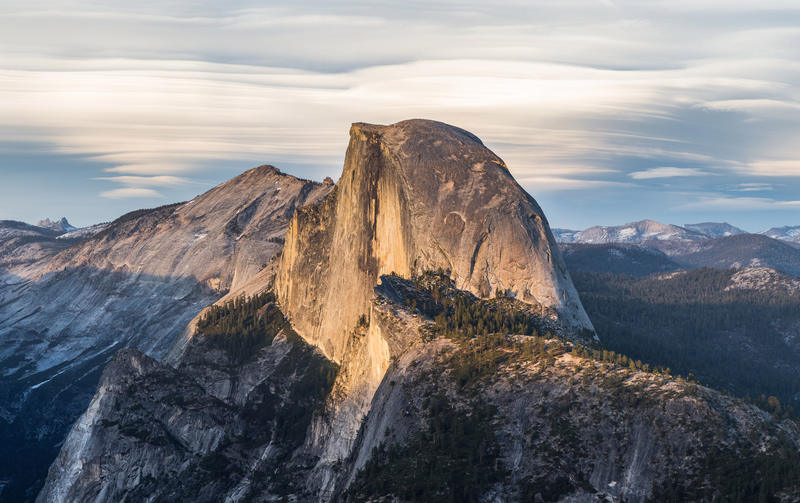 Half Dome CablesYosemite NP · CaliforniaPermitOpens Mar 1fair odds
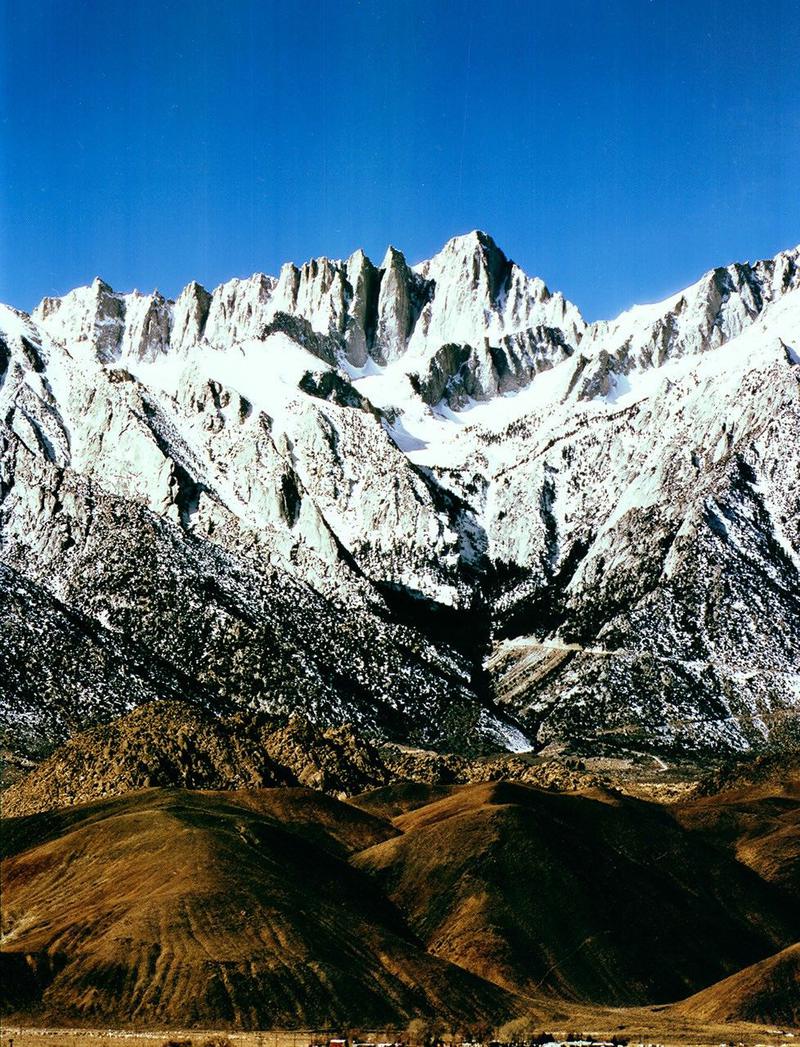 Mt. WhitneyInyo NF · CaliforniaPermitOpens Feb 1tough odds
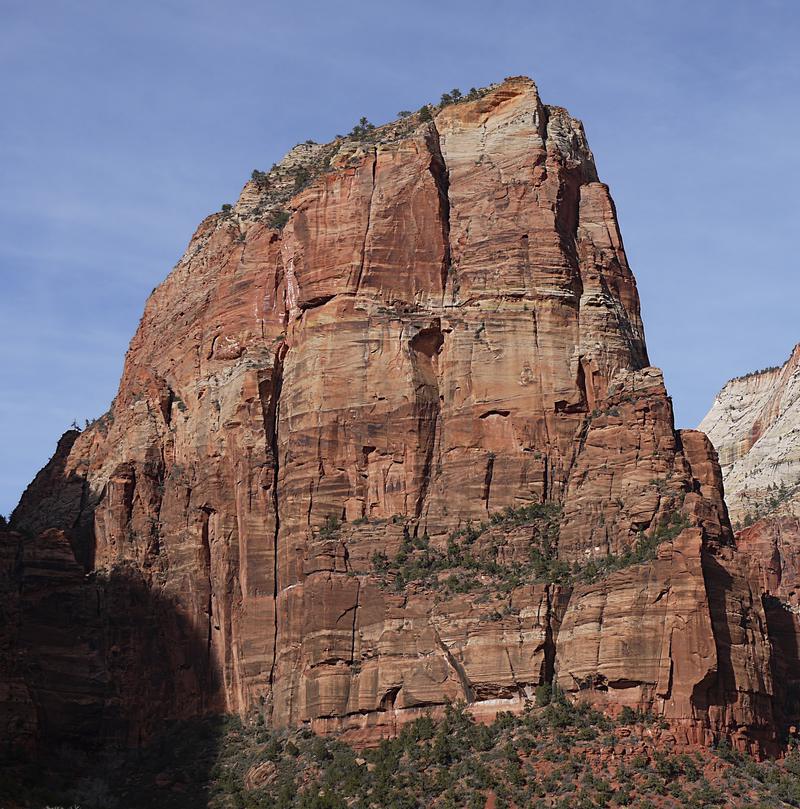 Angels LandingZion NP · UtahPermitLotterytough odds
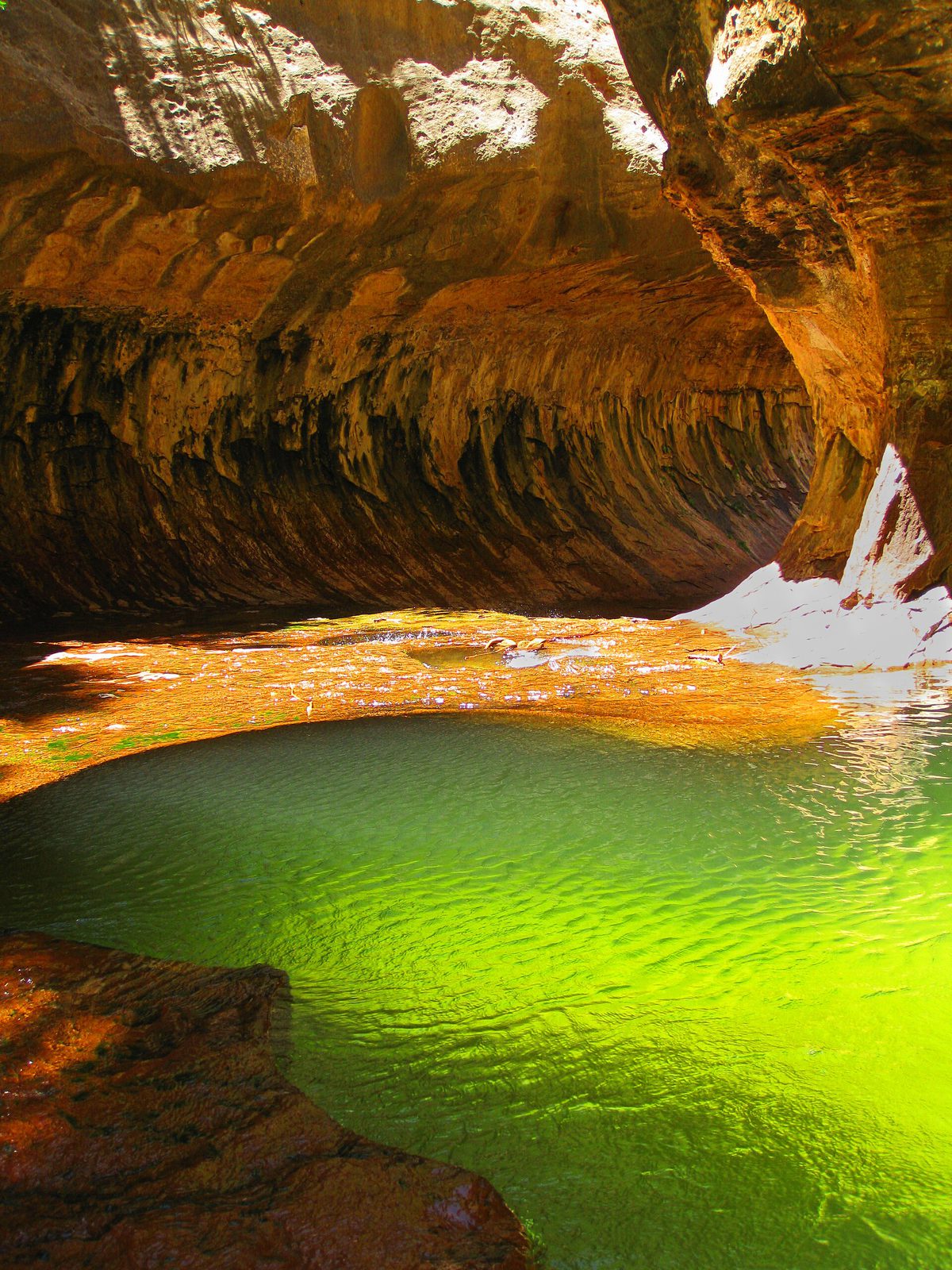 The SubwayZion NP · UtahPermitLotterytough odds
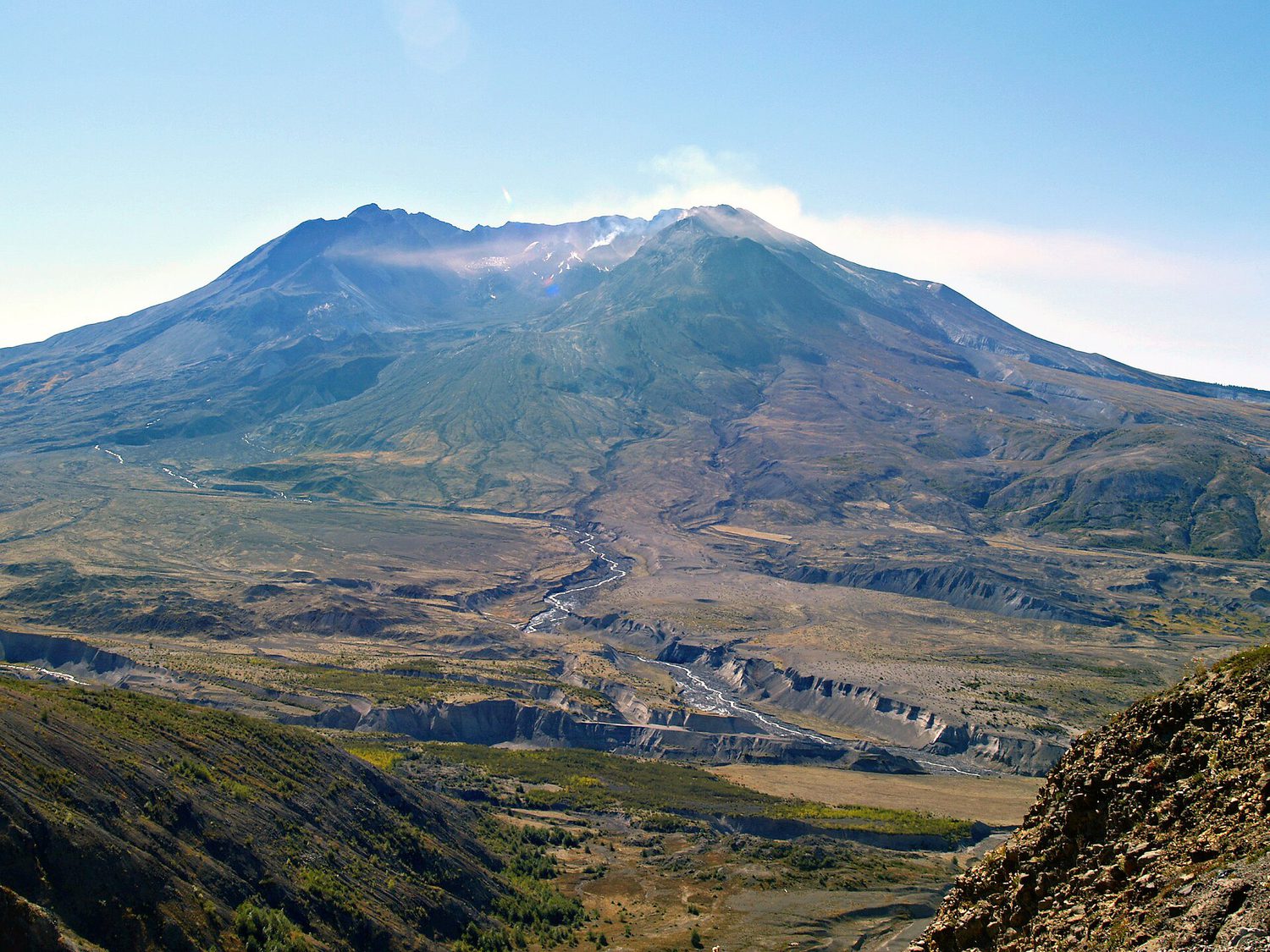 Mount St. Helens Summit ClimbGifford Pinchot NF · WashingtonPermitReservationtough odds
How it works
- An email the morning each window opens, never the day after.
- A 14-day heads-up so you can line up your group and dates.
- Win odds and a ranked backup plan for every trail you pick.
Didn't win? We keep watching. We check recreation.gov every day for The Enchantments, Half Dome and Angels Landing, and email you the moment a sold-out date frees up. Cancellations are the second chance most people never hear about.