Daniel Boone National Forest Hiking
One gorge, over 100 arches & world-class cliffs, all in eastern Kentucky.
Three days of Daniel Boone National Forest hiking in Kentucky's Red River Gorge: the iconic Natural Bridge, Sky Bridge, Auxier Ridge to Double Arch, Gray's Arch, and world-class sandstone climbing.
“I’ve requested to book a Chain Lakes Loop guide on ExplorOFF, and it was the best idea ever! I highly recommend going with their guided option since you get a real human connection on the trail and don’t have to worry about a thing. Yulia was great to talk to!”
 13 stops on a real mapEvery stop pinned in order→
Daniel Boone: every stop pinned in order.
Natural Bridge, Auxier Ridge & Gray's Arch · Red River Gorge
Every stop on this trip, in order, opens as one driving route in the Google Maps app. No copying addresses across one at a time.
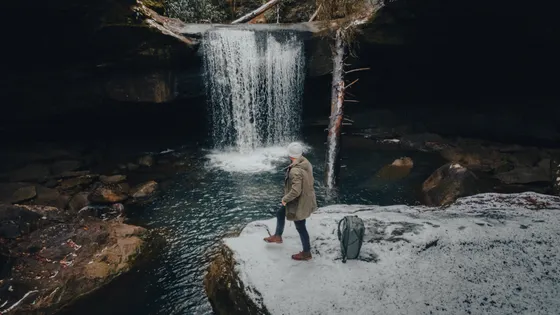
Daniel Boone in photos: 5 of the stops.


Plan and book your 3 days in Daniel Boone, one step at a time
How 3 days in Daniel Boone split up
Plan 3 days for Daniel Boone. Total distance: ~90 mi. Difficulty: Moderate. Rec pass: $5 / day. The Red River Gorge Geological Area sits inside the Daniel Boone National Forest in eastern Kentucky, a deep, forested canyon system famous for more than 100 natural sandstone arches and some of the best rock climbing on the planet. Towering cliffs, hidden rockhouses, and ridgeline overlooks pack into a surprisingly compact area, so you can hit several arches in a single day.
Day 1: Natural Bridge & Sky Bridge · the gorge's signature arches
4 stops · Day one
Day 2: Auxier Ridge to Double Arch & Gray's Arch
4 stops · Day two
Day 3: Chimney Top Rock, Princess Arch & climbing the Red
5 stops · Day three
Natural Bridge & Sky Bridge · the gorge's signature arches
Drive in to Slade, the tiny gateway town at the heart of the gorge, about an hour east of Lexington (LEX) off the Mountain Parkway. Start at the most famous landmark of all: Natural Bridge, the massive sandstone arch in the adjacent Natural Bridge State Resort Park. Hike up the Original Trail (about 1.5 miles round trip, moderate and steep) or ride the skylift partway, then walk out onto and over the arch for the classic view across the forest.
Not the order you want? Drag a stop, or use the arrows beside it. Stops move between days too.
 Drive from
~1 hr · Mountain Parkway · fuel up first · DriveThe Red River Gorge is about an hour east of Lexington (LEX) via the Mountain Parkway, ending in the tiny gateway town of Slade. The gorge roads get winding with spotty cell service, so download offline maps and top off your gas before you head in.
- Natural Bridge via the Original Trail
~1.5 mi RT · moderate · or skylift · HikeStart at the gorge's most famous landmark: Natural Bridge, the massive sandstone arch in the adjacent Natural Bridge State Resort Park. Hike up the Original Trail (about 1.5 miles round trip, moderate and steep) or ride the skylift partway, then walk out onto and over the arch for the classic view across the forest.
 Sky Bridge loop
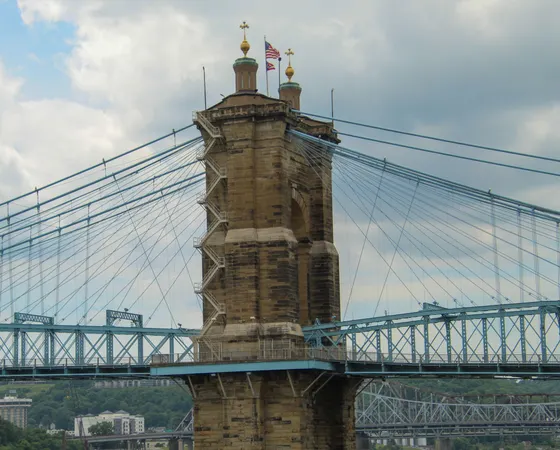
~0.9 mi loop · easy · over and under · HikeIn the afternoon, head into the gorge proper for the Sky Bridge loop (about 0.9 miles, easy), where you walk over the top of a long natural bridge and then loop beneath it through a shaded rockhouse. It is a perfect, low-effort introduction to the gorge's sandstone. Have your recreation pass before you park.
 Stay in Slade
Cabins & Hemlock Lodge · book early · lodgeBase in Slade, the tiny gateway town at the heart of the gorge, with cabins and the Hemlock Lodge inside Natural Bridge State Resort Park. It puts you steps from the trailheads, but it books up fast for fall-color weekends, so reserve early or drive in from Lexington.
Auxier Ridge to Double Arch & Gray's Arch
This is the big hiking day. Walk the Auxier Ridge Trail out along a narrow, dramatic ridgeline with open views to Courthouse Rock and Raven Rock, then drop down and connect to Double Arch for a roughly 5.5-mile loop or out-and-back, depending on which trails you link. The ridge is exposed in spots, so take care near the edges where the sandstone is slick and there are no railings.
Not the order you want? Drag a stop, or use the arrows beside it. Stops move between days too.
- Auxier Ridge to Double Arch & Courthouse Rock
~5.5 mi loop · exposed ridge · HikeWalk the Auxier Ridge Trail out along a narrow, dramatic ridgeline with open views to Courthouse Rock and Raven Rock, then drop down and connect to Double Arch for a roughly 5.5-mile loop. The ridge is exposed in spots, so take care near the edges where the sandstone is slick and there are no railings.
- Gray's Arch
~3.4 mi RT · moderate · huge span · HikeHike out to Gray's Arch (about 3.4 miles round trip, moderate), one of the most photographed arches in the gorge, a huge freestanding span set back in a forested amphitheater. The light is best in late afternoon when it filters into the bowl behind the arch.
 Rough Trail (optional add-on)
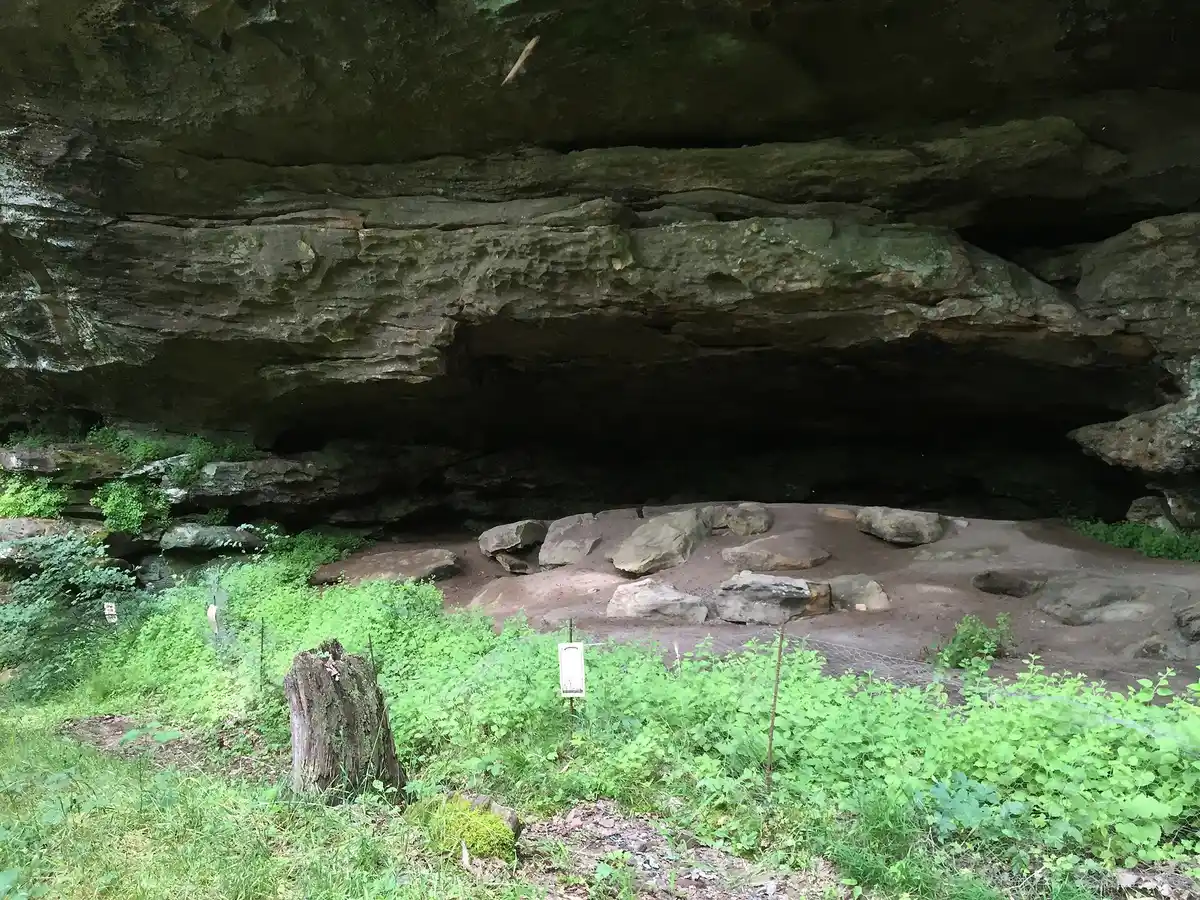
The gorge's rugged spine · HikeIf you have time and energy, stretch your legs on a piece of the Rough Trail, the gorge's rugged spine that links many of these features together with steep climbs, rockhouses, and creek crossings. You do not have to do the whole thing, just sample a section between the major arches.
 US Department of Agric / CC BY 2.0Second night in Slade
Stay put for early trailheads · lodgeStay a second night in Slade so you can be at the Auxier Ridge and Gray's Arch trailheads early, before the lots fill on busy weekends. Keeping the same base means no packing up between two full hiking days.
Chimney Top Rock, Princess Arch & climbing the Red
Save the easy overlooks and the climbing scene for the last day. Drive the gorge's winding back roads to Chimney Top Rock, a short walk to a sweeping panoramic overlook of the canyon, then stop at nearby Princess Arch and, if you have time, the Whittleton Arch trail or the airy Cloud Splitter for one more big view. These are short, high-reward stops that string together well on a relaxed final morning.
Not the order you want? Drag a stop, or use the arrows beside it. Stops move between days too.
- Chimney Top Rock overlook
Short walk · panoramic view · ViewpointDrive the gorge's winding back roads to Chimney Top Rock, a short walk to a sweeping panoramic overlook of the canyon. It is one of the best big views in the gorge for very little effort, ideal for a relaxed final morning.
- Princess Arch & Whittleton Arch
Short trails · easy arch stops · HikeStop at nearby Princess Arch and, if you have time, the Whittleton Arch trail or the airy Cloud Splitter for one more big view. These are short, high-reward arch stops that string together well on an easy final morning before you head home.
- Guided climb or rappel (optional)
Local guide service · no experience needed · book ahead · activityThe Red River Gorge, known to climbers as the Red, is one of the world's premier sport-climbing destinations, with steep, pocketed sandstone at Muir Valley and crags throughout the gorge. Even if you have never climbed, you can book a guided rock-climbing or rappel day with a local guide service to get up on the cliffs safely.
Official info → - Underground kayak tour · Gorge Underground
1 hr guided paddle · ~20 min from Princess Arch · ages 5+ · activityBefore the drive back to Lexington, paddle into the hillside. Gorge Underground guides kayaks through a flooded limestone mine near Slade, with helmets and headlamps lighting up the cavern walls, and it is the one thing in the Red a group can do together that no trail offers. A short, easy hour that works for kids and first-timers.
Book this → - Getting home: Lexington (LEX)
About 1 hr · leave with daylight · DriveFrom the gorge it is about an hour back to Lexington (LEX) via the Mountain Parkway. The roads are twisty with patchy cell service, so fuel up and leave with daylight to spare, and keep your route downloaded offline.

Book the 2 nights
Beds near the trailheads are the one thing on this trip that genuinely runs out. Everything else can be decided later.
Tell us your dates and we will do the checking. We find what is still open near each trailhead and email you this plan back with a booking link for each night. Nothing is charged and you decide at the end.
Request to bookWhat to pack for Daniel Boone
Built from this route, not a generic list. Every line says why it is here.
On every day of this trip
On your feet
Because you are sleeping indoors
For the driving days
What we actually learned in the gorge.
Buy a Red River Gorge recreation pass
A parking and recreation pass is required at many trailheads in the Red River Gorge. Pick one up ahead of time or at a local store so you are not turned away at a full or fee-required lot. Keep it on your dashboard while you hike.
Mind the slick sandstone edges
The gorge's smooth sandstone gets dangerously slick, especially when wet, and most overlooks and arches have no railings. People are injured every year from falls. Keep well back from cliff edges and never let kids run near them.
Go in spring or fall
Spring and fall are the best seasons, with the late-October fall color among the finest in the South. Summer is lush but hot and humid with bugs. Winter is quiet and can be icy on the climbs and steep trails, so check conditions.
Watch for timber rattlesnakes
Timber rattlesnakes live throughout the gorge and sun themselves on warm rocks and ledges in the warmer months. Give them a wide berth, watch where you step and place your hands on scrambles, and keep dogs leashed.
Climb with a guide if you want to try the Red
The Red River Gorge is one of the world's top sport-climbing areas, centered on Muir Valley and crags throughout the gorge. If you are new to it, book a guided climbing or rappel day with a local guide service rather than going it alone on the cliffs.
Book lodging early & fuel up
Cabins and the Hemlock Lodge at Natural Bridge State Resort Park fill up fast on fall-color weekends, so reserve early or base in Lexington about an hour away. Cell service is spotty in the gorge, so download offline maps and top off your gas before you head in.
Grab your rec pass at the Slade exit
The easiest place to buy your Red River Gorge recreation pass is the first gas station or store off the Mountain Parkway exit in Slade, before you drop onto the Forest Service roads toward Sky Bridge, Auxier Ridge, and Gray's Arch. The pass runs roughly $5 per day and must be displayed on your dashboard, or you can be cited at the trailhead lots.
Daniel Boone: questions before you go
Daniel Boone national forest hiking: the questions people ask most.
For Daniel Boone National Forest hiking in the Red River Gorge, the standouts are Natural Bridge via the Original Trail (about 1.5 miles round trip in the adjacent state park), the easy Sky Bridge loop (about 0.9 miles), Auxier Ridge out to Double Arch and Courthouse Rock (about 5.5 miles), and Gray's Arch (about 3.4 miles round trip). Chimney Top Rock and Princess Arch are short, high-reward overlooks for a relaxed final day.
Three days is ideal. That gives you time for the signature arches (Natural Bridge and Sky Bridge), a big day on Auxier Ridge to Double Arch and Gray's Arch, and a relaxed final day at Chimney Top Rock and Princess Arch, plus an optional guided climbing or rappel day. The gorge is compact, so you can fit several arches into each day.
A Red River Gorge parking and recreation pass is required at many trailheads in the Daniel Boone National Forest. Buy one ahead of time or at a local store and keep it on your dashboard. Natural Bridge State Resort Park is separate and free to enter, though the skylift has its own fee.
Spring and fall are the best seasons. Late October typically brings spectacular fall color, among the best in the South, and is the most popular time, so book lodging early. Summer is green but hot and humid with bugs, and winter is quiet but can be icy on steep trails and climbs.
Yes. The Red River Gorge, known to climbers as the Red, is one of the world's premier sport-climbing destinations, with steep, pocketed sandstone at Muir Valley and crags throughout the gorge. Even first-timers can get on the cliffs by booking a guided rock-climbing or rappel day with a local guide service.
The closest bases are the small towns of Slade and Stanton, with cabins and the Hemlock Lodge inside Natural Bridge State Resort Park. These book up fast for fall-color weekends, so reserve early. If they are full, Lexington is about an hour away and has plenty of hotels.
The nearest airport is Lexington (LEX), about an hour west of the gorge via the Mountain Parkway. Slade is the main gateway town. The gorge roads are winding with spotty cell service, so download offline maps and fuel up before you head in.
The trails themselves are mostly short and moderate, but the smooth sandstone near arches and overlooks gets dangerously slick, especially when wet, and most edges have no railings. Falls injure visitors every year, so keep well back from cliff edges. In warm months, watch for timber rattlesnakes sunning on rocks.
For peak October foliage, plan to reserve Slade cabins and the Hemlock Lodge roughly 6 months ahead, since the gorge draws big fall-color crowds and the small town has limited beds. If the closest places are already booked, Lexington is about an hour away and usually has last-minute rooms.
The simplest option is the first gas station or store off the Mountain Parkway exit in Slade, before you head down the Forest Service roads. The pass is around $5 per day, and it needs to be displayed on your dashboard at trailheads like Sky Bridge, Auxier Ridge, and Gray's Arch, where a missing pass can earn a citation.
Yes. Tell us your dates and we check what is still open for the plan on this page, then send it back with a booking link for each night and the total. Nothing is charged and nothing is held, and you pay the normal rate.
Pick how you want to go.
Same 3-day route. Same 9 stops.
- 2 nights, a campsite near Slade
- $44
- Underground kayak tour · Gorge Underground
- $110
- 2 nights, a room in Slade
- from $260
- Underground kayak tour · Gorge Underground
- $110
- A private local guide, rooms and campsites booked
- Included
- Airport pickup and every drive
- Included
- Park, permit and campsite fees paid
- Included
- All the gear and the trail meals
- Included
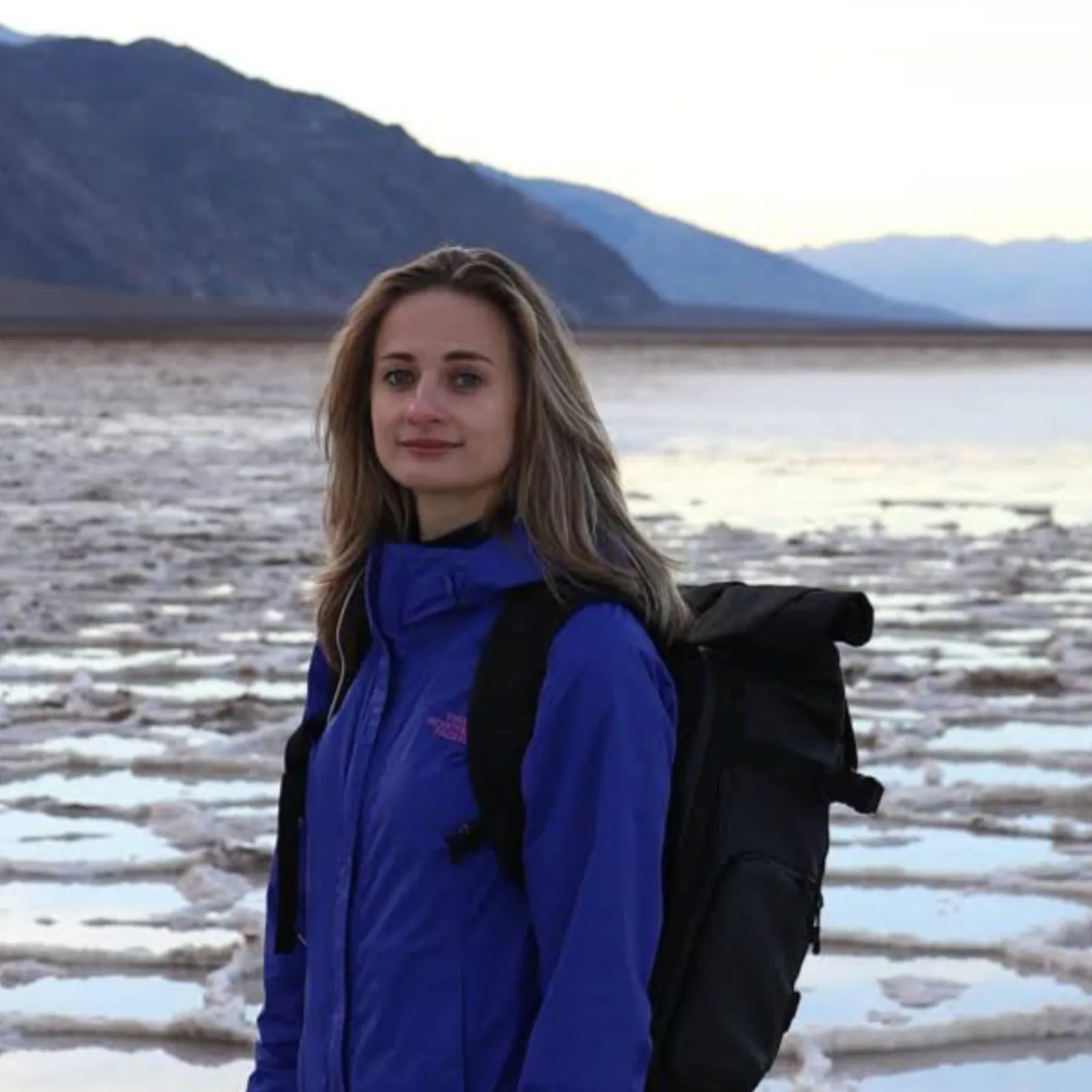
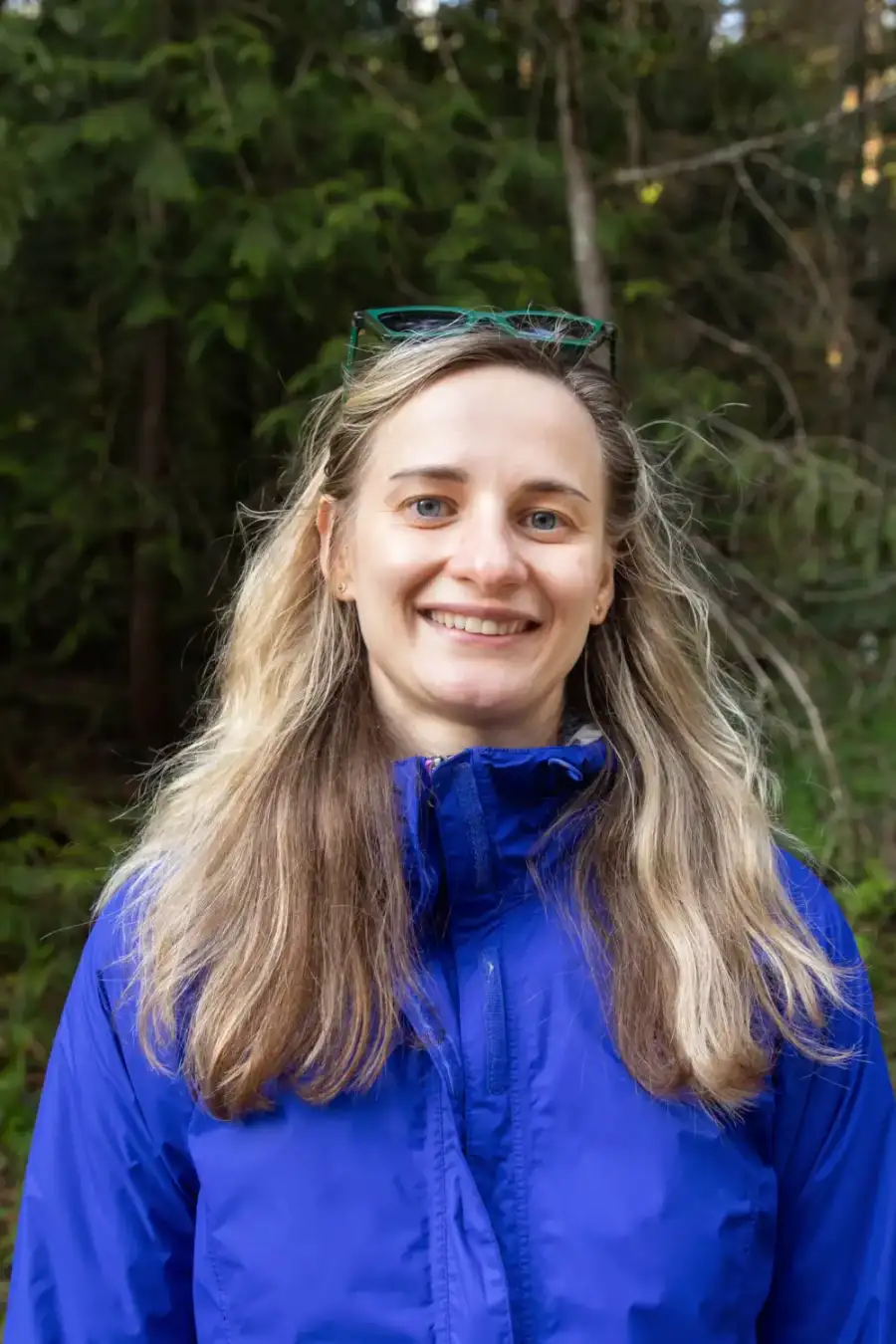
Written and walked by Yulia Vasilyeva · Co-founder · Lead planner and guide
Three years leading guided hikes in the Pacific Northwest, rated 5.0 by 20+ verified guests, and she builds every custom itinerary herself. Based in Seattle.
Last checked September 2026
You might also love these
Other itineraries near this one.
Great Smoky Mountains National Park: A 3-Day Itinerary
Three days in the most-visited national park in the country: Clingmans Dome, the Alum Cave Trail to Mount LeConte, the best Smoky…
Blue Ridge Parkway Hikes: A Scenic Road-Trip Itinerary
Five days of Blue Ridge Parkway hikes and overlooks: the Graveyard Fields Loop, the Price Lake Loop Trail, Linville Falls, Mount Mitchell.
Nantahala National Forest Hiking: A 3-Day North Carolina Itinerary
Three days of Nantahala National Forest hiking: Whitewater Falls, the deep Nantahala Gorge and a river day, Wesser Bald and Wayah Bald…
Guides for this tripThe 10 Best Things to Do at Mammoth Cave National ParkRed River Gorge CampingRed River Gorge Natural ArchesRed River Gorge Rock Climbing
What adventurers say about us.
All reviews are from verified guests. ★★★★★ 5.0 average from 20+ bookings.
"Felt like going out with a really knowledgeable friend who just happens to know everything about the area. No awkward tour-guide energy, just a magnificent day."
"Yulia is an incredible guide. She knew every trail, every viewpoint, and exactly how to pace the day for our group. The photos she took of us were stunning. 100% booking again."
"I was visiting Seattle solo and this was the best decision I made on the trip. Yulia picked me up, had snacks, and took us to a trail I never would have found on my own. Absolute must-do."
"We did this as a couple's trip and it was perfect. Yulia adapted everything to us, our pace, our interests, our photo obsession. The mountain views were unreal."
"Phenomenal experience. Yulia has deep local knowledge and a real passion for the outdoors. She went out of her way to show us the hidden gems tourists never see. Will remember this forever."
"I've done a few guided hikes and this was by far the best. Yulia is warm, funny, and genuinely expert. The trail she chose had the most insane wildflower bloom, we got so lucky."
Fees, reservation windows, shuttle dates and trail closures are planning estimates. Confirm hours, road status and any reservations with the land manager before you go.
What other travelers are saying
Be the first to leave a tip or question for the next traveler.
Was this helpful?
One tap. It goes straight to Yulia and Margarita.
You can't hike it if you can't get the permit.
The best hikes in America run on lotteries that open once a year and sell out in minutes. Every trail runs on its own calendar. Pick the ones you want and we do the watching.
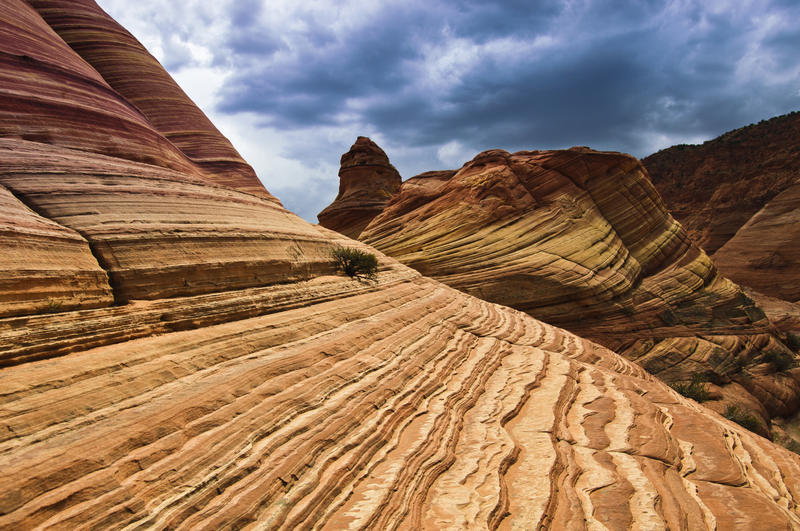 The WaveCoyote Buttes North · Arizona / UtahPermitLotterybrutal odds
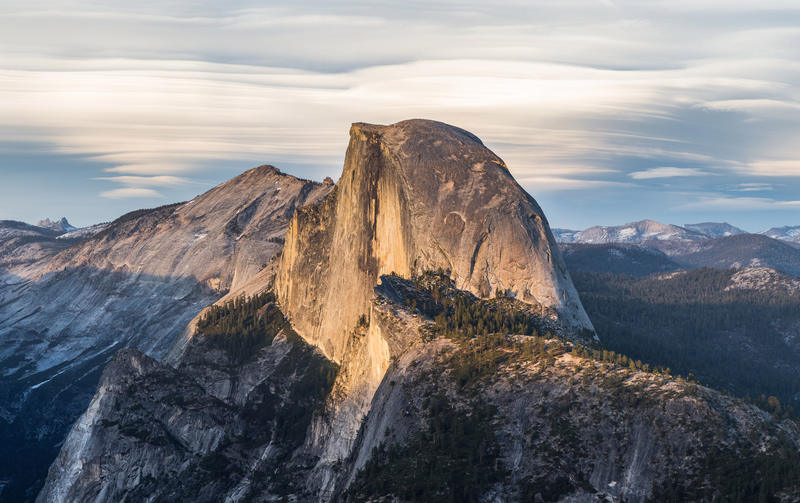 Half Dome CablesYosemite NP · CaliforniaPermitOpens Mar 1fair odds
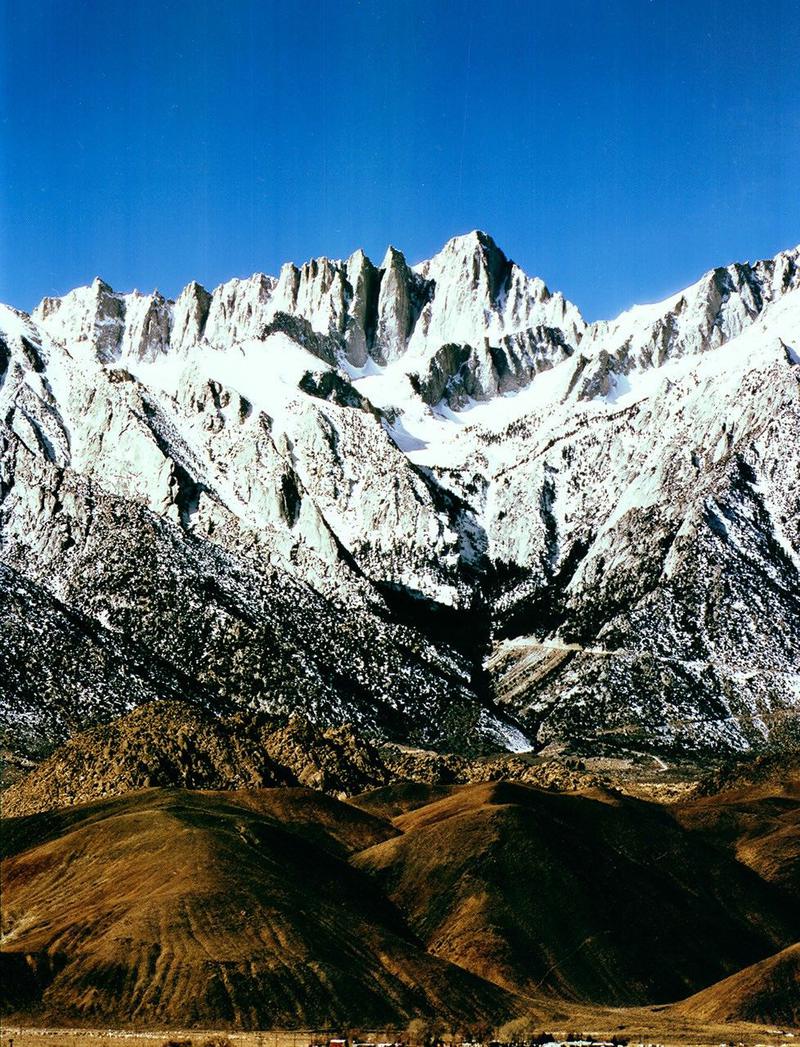 Mt. WhitneyInyo NF · CaliforniaPermitOpens Feb 1tough odds
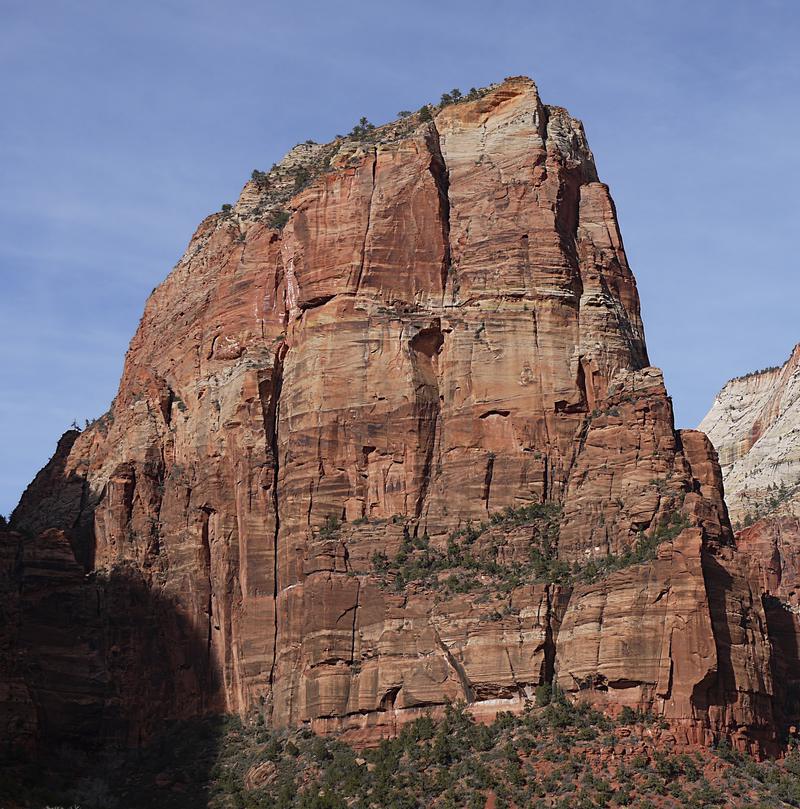 Angels LandingZion NP · UtahPermitLotterytough odds
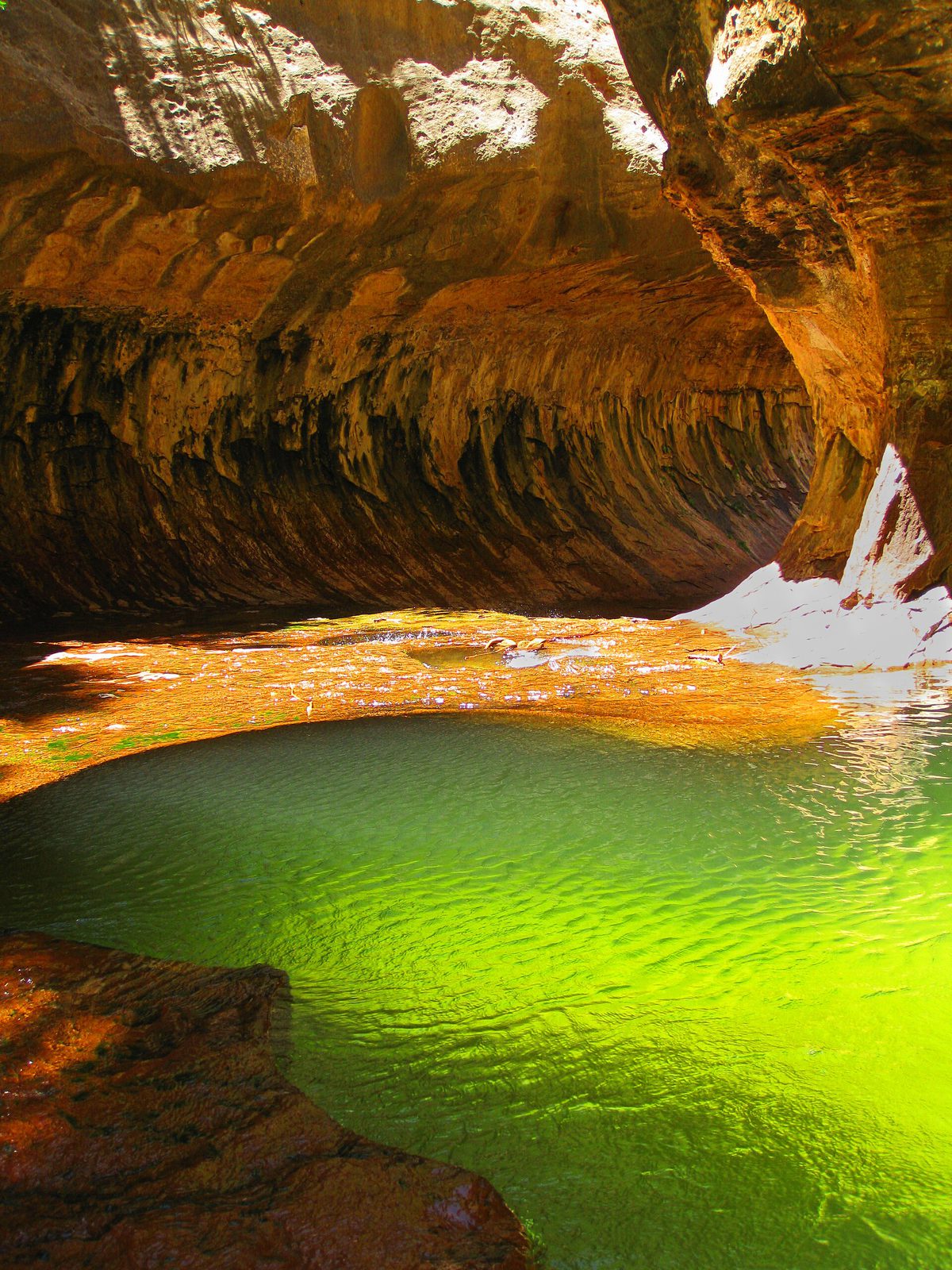 The SubwayZion NP · UtahPermitLotterytough odds
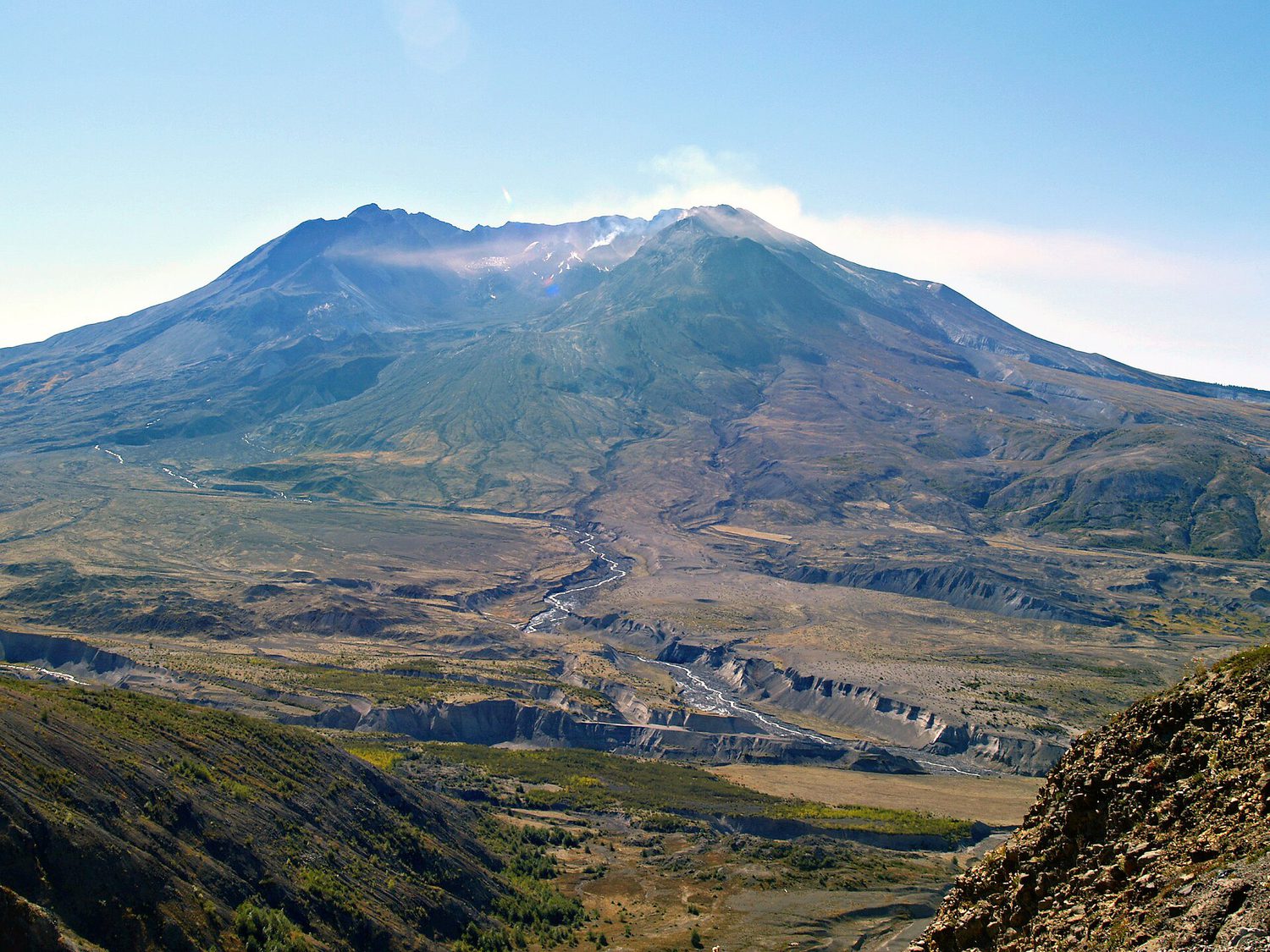 Mount St. Helens Summit ClimbGifford Pinchot NF · WashingtonPermitReservationtough odds
How it works
- An email the morning each window opens, never the day after.
- A 14-day heads-up so you can line up your group and dates.
- Win odds and a ranked backup plan for every trail you pick.
Didn't win? We keep watching. We check recreation.gov every day for The Enchantments, Half Dome and Angels Landing, and email you the moment a sold-out date frees up. Cancellations are the second chance most people never hear about.