Chiricahua National Monument: A 2-Day Hiking Itinerary
A Wonderland of Rocks, a sky island in the desert.
Two days of Chiricahua National Monument hiking: the classic Echo Canyon Loop through Wall Street and the Grottoes, the big Heart of Rocks Loop with its named hoodoos, Massai Point, and the Sugarloaf fire lookout.
“I’ve requested to book a Chain Lakes Loop guide on ExplorOFF, and it was the best idea ever! I highly recommend going with their guided option since you get a real human connection on the trail and don’t have to worry about a thing. Yulia was great to talk to!”
 8 stops on a real mapEvery stop pinned in order→
Chiricahua: every stop pinned in order.
Echo Canyon, Heart of Rocks & Massai Point · Southeast Arizona
Every stop on this trip, in order, opens as one driving route in the Google Maps app. No copying addresses across one at a time.
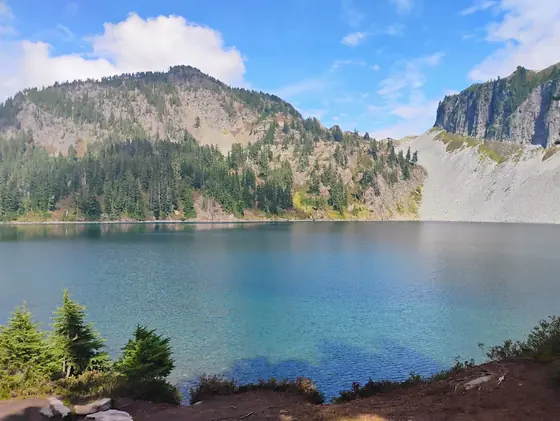
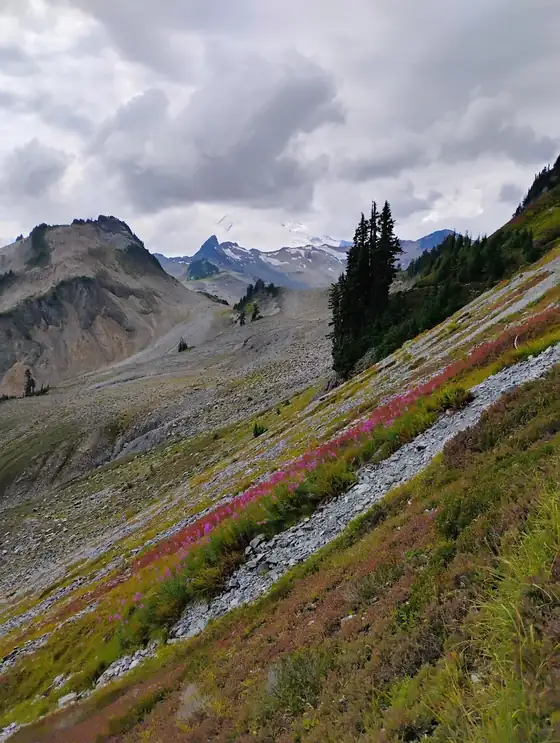
Chiricahua in photos: 5 of the stops.

Plan and book your 2 days in Chiricahua, one step at a time
How 2 days in Chiricahua split up
Plan 2 days for Chiricahua. Total distance: ~16 mi. Difficulty: Moderate. Entry fee: Free. Chiricahua National Monument sits in the remote southeast corner of Arizona, a "Wonderland of Rocks" where thousands of balanced rocks and rhyolite hoodoo pinnacles rise in tight ranks across a sky island mountain range. The pinnacles are the eroded remains of a massive volcanic eruption, and walking among them feels like wandering through a stone forest that no photo quite prepares you for.
Day 1: Bonita Canyon Scenic Drive & the Echo Canyon Loop
4 stops · Day one
Day 2: Heart of Rocks Loop, Sugarloaf Mountain & Faraway Ranch
4 stops · Day two
Bonita Canyon Scenic Drive & the Echo Canyon Loop
Chiricahua is genuinely out of the way: plan on about 2 hours from Tucson (TUS) and roughly 36 miles from Willcox, the nearest town with gas, food, and motels. Start by driving the Bonita Canyon Scenic Drive, an 8-mile road that climbs from the visitor center up to Massai Point at the rim, with overlooks across the whole stone forest of pinnacles on the way up.
Not the order you want? Drag a stop, or use the arrows beside it. Stops move between days too.
 Drive from
~2 hr · remote · fuel up in Willcox · DriveChiricahua is genuinely remote. Plan on about 2 hours from Tucson (TUS), exiting Interstate 10 near Willcox and driving the last 36 miles in. There is no gas, food, or store inside the monument, so fuel up and stock up on water and snacks in Willcox before you commit to the drive.
- Bonita Canyon Scenic Drive to Massai Point
~8 mi · overlooks over the pinnacles · DriveDrive the Bonita Canyon Scenic Drive, the only paved road in, climbing about 8 miles from the visitor center up to Massai Point at the rim. Stop at the overlooks on the way up to take in the whole stone forest of rhyolite pinnacles before you head down into it on foot.
- Echo Canyon Loop
~3.3 mi · the Grottoes & Wall Street · HikeHike the Echo Canyon Loop (about 3.3 miles), the classic Chiricahua hike. It drops through the Grottoes and threads the narrow Wall Street passage between towering rhyolite walls before looping back. If the free seasonal hikers shuttle is running, ride it up here and hike one-way downhill instead.
 Camp at Bonita Canyon
Only in-park campground · reserve ahead · lodgeBonita Canyon Campground is the only lodging inside the monument, a small campground near the entrance that fills on prime spring and fall weekends, so reserve through recreation.gov early. If it is full, base in Willcox about 36 miles away, which has motels, restaurants, and gas.
Heart of Rocks Loop, Sugarloaf Mountain & Faraway Ranch
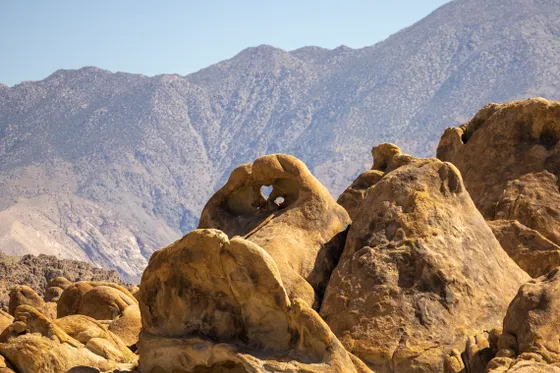
This is the big hiking day. Tackle the Heart of Rocks Loop, the monument's showpiece, usually done as a longer day of roughly 7 to 9 miles round trip from the Echo Canyon trailhead or Massai Point via Big Balanced Rock. The loop itself winds past the famous named formations, including Big Balanced Rock, Punch and Judy, and Duck on a Rock, the densest collection of balanced rocks anywhere in the park.
Not the order you want? Drag a stop, or use the arrows beside it. Stops move between days too.
- Heart of Rocks Loop
~7 to 9 mi RT · named hoodoos · HikeTackle the Heart of Rocks Loop, the monument's showpiece, usually a 7 to 9 mile day from the Echo Canyon trailhead or Massai Point via Big Balanced Rock. The loop winds past the famous named formations, including Big Balanced Rock, Punch and Judy, and Duck on a Rock. Start early and carry plenty of water.
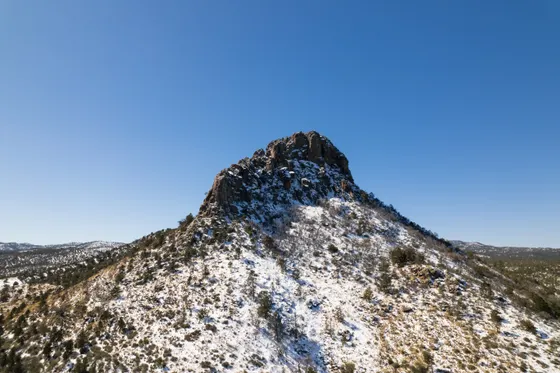 Sugarloaf Mountain
~1.8 mi RT · fire lookout · highest point · HikeClimb Sugarloaf Mountain (about 1.8 miles round trip), a manageable hike to a historic fire lookout at the highest point you can reach on foot in the monument, with a panorama over the entire range. It is a great shorter payoff after the big loop, especially in clear afternoon light.
 Faraway Ranch historic site
Historic homestead near the entrance · ViewpointOn your way out, walk the grounds of Faraway Ranch, the historic homestead near the monument entrance that tells the human story of these mountains. It is an easy, flat stop and a nice contrast to the high rock loops, especially in the soft light of late afternoon.
- Getting home: Willcox & Tucson
Willcox ~36 mi · Tucson ~2 hr · DriveFrom the monument it is about 36 miles back to Willcox and roughly 2 hours to Tucson (TUS). Fuel up in Willcox before the airport run, since there is no gas inside, and grab a meal or visit a Willcox winery if you have time before the long, quiet drive back to town.
Sort where you sleep each night
Most nights on this trip are in a tent. Reserve any campsite the route needs, and the room either side of it if you want one.
Tell us your dates and we will do the calling: the rooms either side, and the guided days in between. Nothing is charged and you decide at the end.
Request to bookWhat to pack for Chiricahua
Built from this route, not a generic list. Every line says why it is here.
On every day of this trip
On your feet
Because you are sleeping out 1 night
For the drive to the trailhead
Specific to Chiricahua
What we actually learned in the Wonderland of Rocks.
Entry is completely free
Chiricahua National Monument charges no entrance fee, which makes it one of the best free hiking destinations in the Southwest. You can drive in any time the road is open and start hiking without buying a pass or reservation.
Use the free seasonal hikers shuttle
A free hikers shuttle runs seasonally from near the visitor center up to the Echo Canyon trailhead, letting you hike the best loops one-way downhill instead of climbing back out. Check current days and departure times at the visitor center, since the schedule changes by season.
Fuel and stock up in Willcox
There is no gas, food, or store inside the monument. The nearest services are in Willcox, about 36 miles away off Interstate 10. Fill the tank, grab water and snacks, and bring everything you need before you make the drive in.
Carry water and watch the storms
Trails here have no water, and the high loops are long and exposed. Carry at least 2 to 3 liters per person. In the summer monsoon, afternoon thunderstorms build quickly, so do the high, exposed hikes in the morning and get off the rim early.
Go in spring or fall
Spring (March through May) and fall (October through November) bring the most comfortable hiking weather. Winter can bring snow at these elevations and may close the upper road, while summer afternoons are stormy, so plan around the shoulder seasons.
Camp inside or base in Willcox
Bonita Canyon Campground is the only lodging inside the monument, a small campground that fills on prime weekends, so reserve through recreation.gov early. Otherwise base in Willcox, which has motels, wineries, and easy Interstate 10 access about 36 miles away.
Beat the monsoon to the high ridges
From roughly July through September, thunderstorms can build in under an hour, and lightning makes exposed perches like Sugarloaf Mountain (about 7,300 feet) genuinely dangerous. Start the Heart of Rocks loop at first light, carry at least 3 liters per person since no trail here has potable water, and turn back down if you hear thunder rather than pushing for the lookout.
Chiricahua: questions before you go
Chiricahua national monument hiking: the questions people ask most.
For Chiricahua National Monument hiking, the standouts are the Echo Canyon Loop (about 3.3 miles, the classic, through the Grottoes and the narrow Wall Street passage) and the Heart of Rocks Loop (roughly 7 to 9 miles round trip from Echo Canyon or Massai Point, with named formations like Big Balanced Rock, Punch and Judy, and Duck on a Rock). Sugarloaf Mountain (about 1.8 miles round trip) is a great shorter hike to a fire lookout at the highest point.
Two days is ideal. That gives you time for the Bonita Canyon Scenic Drive up to Massai Point and the classic Echo Canyon Loop on day one, then the big Heart of Rocks Loop, Sugarloaf Mountain, and the historic Faraway Ranch on day two. The monument is remote, so a single rushed day does not do the Wonderland of Rocks justice.
No. Chiricahua National Monument is free to enter, with no entrance fee and no pass required. You can drive in whenever the road is open and start hiking right away, which makes it one of the best-value hiking destinations in southeast Arizona.
Spring (March through May) and fall (October through November) are the best times, with comfortable days and clear skies for hiking. Winter can bring snow at these elevations, which run from about 5,400 to 7,300 feet, and may close the upper scenic road. Summer afternoons often bring monsoon thunderstorms, so hike the exposed loops early in the day.
Yes, a free hikers shuttle runs seasonally from near the visitor center up to the Echo Canyon trailhead. It lets you hike the best loops one-way downhill instead of climbing back up. The schedule changes by season, so confirm current days and departure times with the visitor center before you rely on it.
The only lodging inside the monument is Bonita Canyon Campground, a small campground that fills on prime spring and fall weekends, so reserve through recreation.gov early. The nearest town is Willcox, about 36 miles away off Interstate 10, with motels, restaurants, wineries, and gas. Tucson, about 2 hours away, is the closest major airport and city.
Chiricahua is in the remote southeast corner of Arizona. The closest airport is Tucson (TUS), roughly 2 hours away by car. From Interstate 10, you exit near Willcox and drive about 36 miles to the monument. There is no gas, food, or store inside, so fuel up and stock up in Willcox before you go.
Very. As a sky island rising out of the surrounding desert, Chiricahua is a renowned birding hotspot and a pocket of unusual biodiversity, drawing species you will not find on the desert floor. Bring binoculars, and combine birding with the quieter trails, since the monument is remote and uncrowded compared to Arizona's big-name parks.
It can. The monument climbs above 7,000 feet, and from about December through February winter snow and ice can temporarily close the upper part of the Bonita Canyon Scenic Drive above Massai Point. The lower monument usually stays open, so call the visitor center ahead to check road and trail conditions, and pack traction for icy, shaded sections if you visit in the cold months.
No. There is no restaurant, store, or groceries anywhere inside the monument, and the campground has no concessions. Pack a lunch and stock a cooler with ice, water, and drinks in Willcox, about 36 miles away off Interstate 10, before you turn south toward the monument. It is worth filling the tank in the same stop, since there is no gas inside either.
Tell us your dates and we ask a local guide who works this area what they can do on your days and what it costs. If nobody is free, we tell you. Asking is free: no card, no deposit, and nothing is held until you say yes.
Pick how you want to go.
Same 2-day route. Same 4 stops.
- 1 night, Bonita Canyon Campground, inside the monument
- $22

- A private local guide, campsites booked
- Included
- Airport pickup and every drive
- Included
- Park, permit and campsite fees paid
- Included
- All the gear and the trail meals
- Included
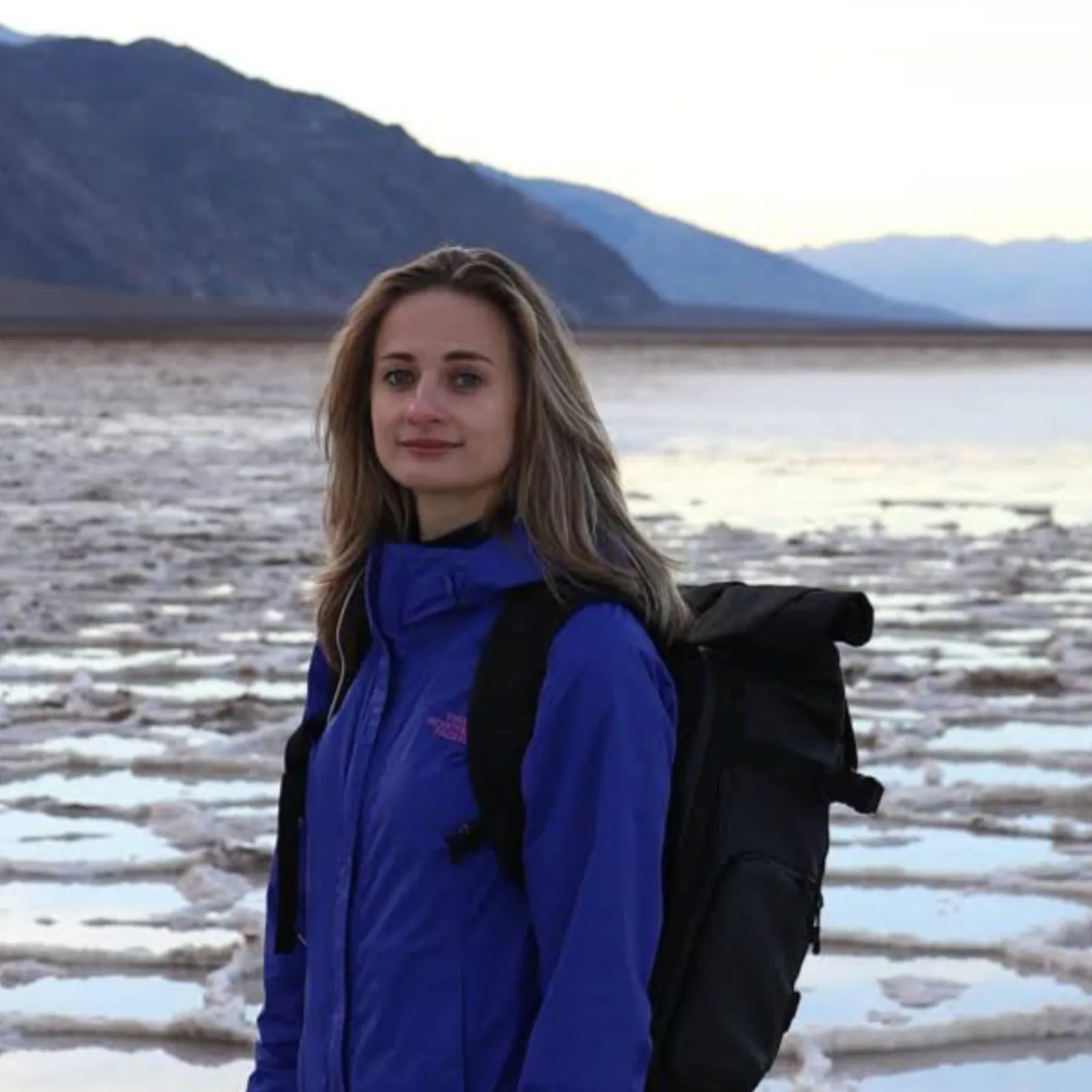
Written and walked by Yulia Vasilyeva · Co-founder · Lead planner and guide
Three years leading guided hikes in the Pacific Northwest, rated 5.0 by 20+ verified guests, and she builds every custom itinerary herself. Based in Seattle.
Last checked September 2026
You might also love these
Other itineraries near this one.

Best National Parks to Visit in April: 6 Top Picks
The best national parks to visit in April: Joshua Tree wildflowers, Death Valley super blooms, Saguaro cactus flowers, Zion spring…

Saguaro National Park Hikes: 3-Day Best Hikes Itinerary
The best Saguaro National Park hikes across both districts in 3 days from Tucson, Arizona, Valley View Overlook, Signal Hill…

White Sands National Park: A Backcountry Weekend Itinerary
A 2-day weekend of White Sands National Park hiking: the Alkali Flat Trail across the world's largest gypsum dune field, the Dunes…
Guides for this tripBest Time to Visit Chiricahua National MonumentChiricahua National Monument CampingThings to Do in Willcox, AZ
What adventurers say about us.
All reviews are from verified guests. ★★★★★ 5.0 average from 20+ bookings.
"Felt like going out with a really knowledgeable friend who just happens to know everything about the area. No awkward tour-guide energy, just a magnificent day."
"Yulia is an incredible guide. She knew every trail, every viewpoint, and exactly how to pace the day for our group. The photos she took of us were stunning. 100% booking again."
"I was visiting Seattle solo and this was the best decision I made on the trip. Yulia picked me up, had snacks, and took us to a trail I never would have found on my own. Absolute must-do."
"We did this as a couple's trip and it was perfect. Yulia adapted everything to us, our pace, our interests, our photo obsession. The mountain views were unreal."
"Phenomenal experience. Yulia has deep local knowledge and a real passion for the outdoors. She went out of her way to show us the hidden gems tourists never see. Will remember this forever."
"I've done a few guided hikes and this was by far the best. Yulia is warm, funny, and genuinely expert. The trail she chose had the most insane wildflower bloom, we got so lucky."
Fees, reservation windows, shuttle dates and trail closures are planning estimates. Confirm hours, road status and any reservations with the land manager before you go.
What other travelers are saying
Be the first to leave a tip or question for the next traveler.
Was this helpful?
One tap. It goes straight to Yulia and Margarita.
You can't hike it if you can't get the permit.
The best hikes in America run on lotteries that open once a year and sell out in minutes. Every trail runs on its own calendar. Pick the ones you want and we do the watching.
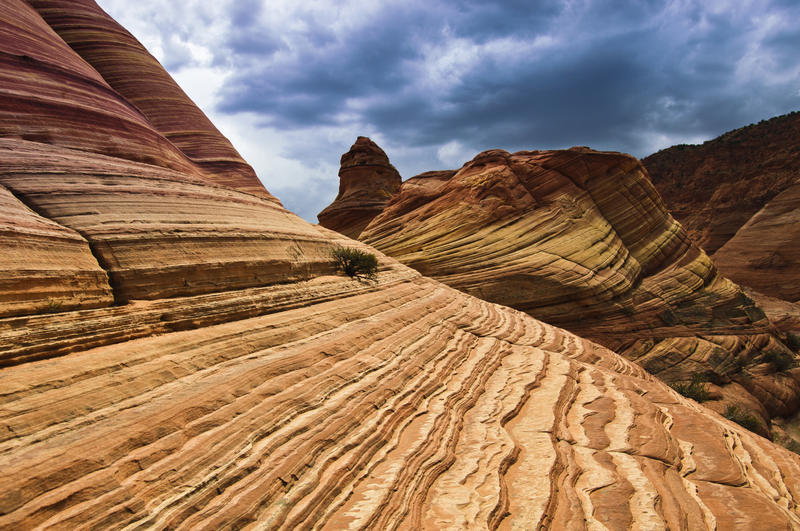 The WaveCoyote Buttes North · Arizona / UtahPermitLotterybrutal odds
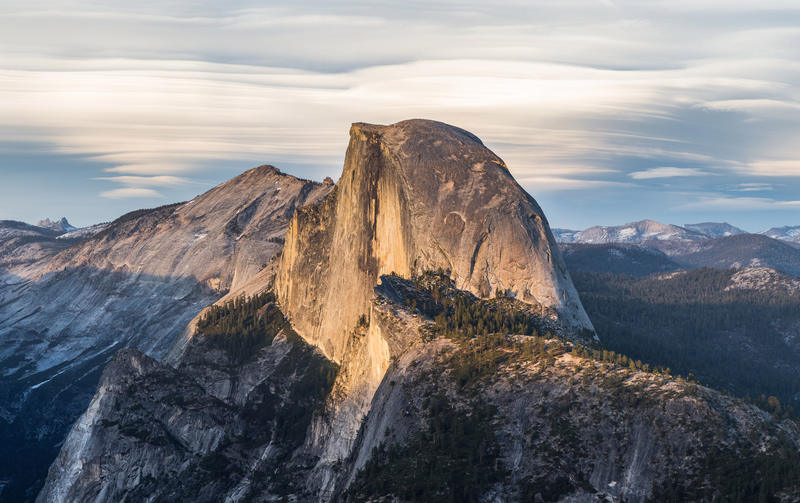 Half Dome CablesYosemite NP · CaliforniaPermitOpens Mar 1fair odds
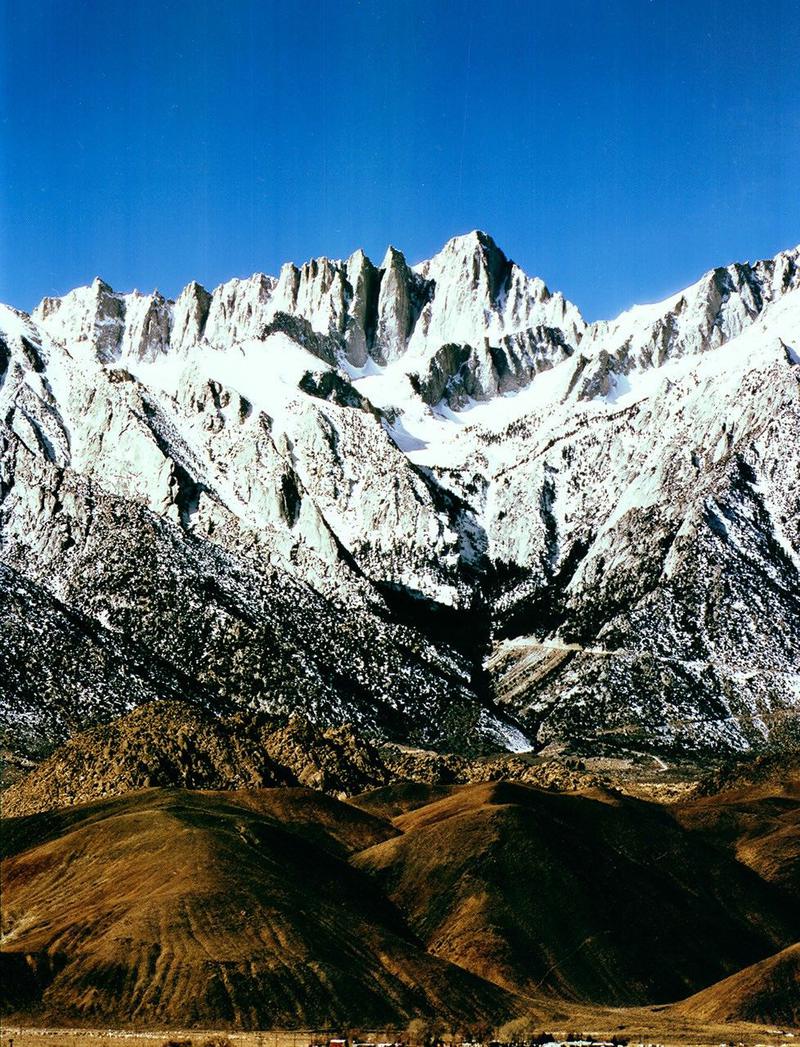 Mt. WhitneyInyo NF · CaliforniaPermitOpens Feb 1tough odds
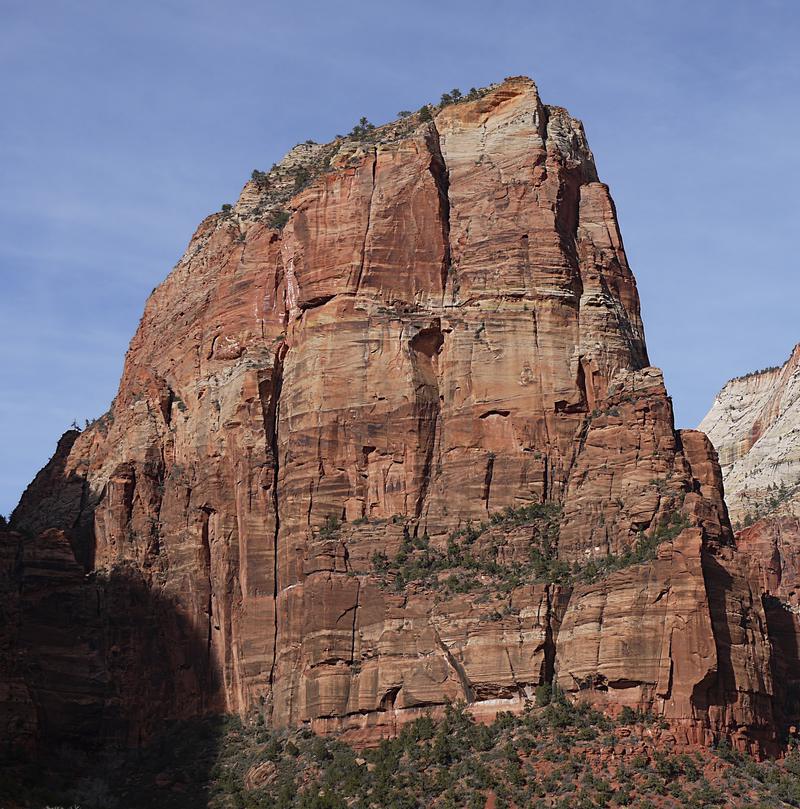 Angels LandingZion NP · UtahPermitLotterytough odds
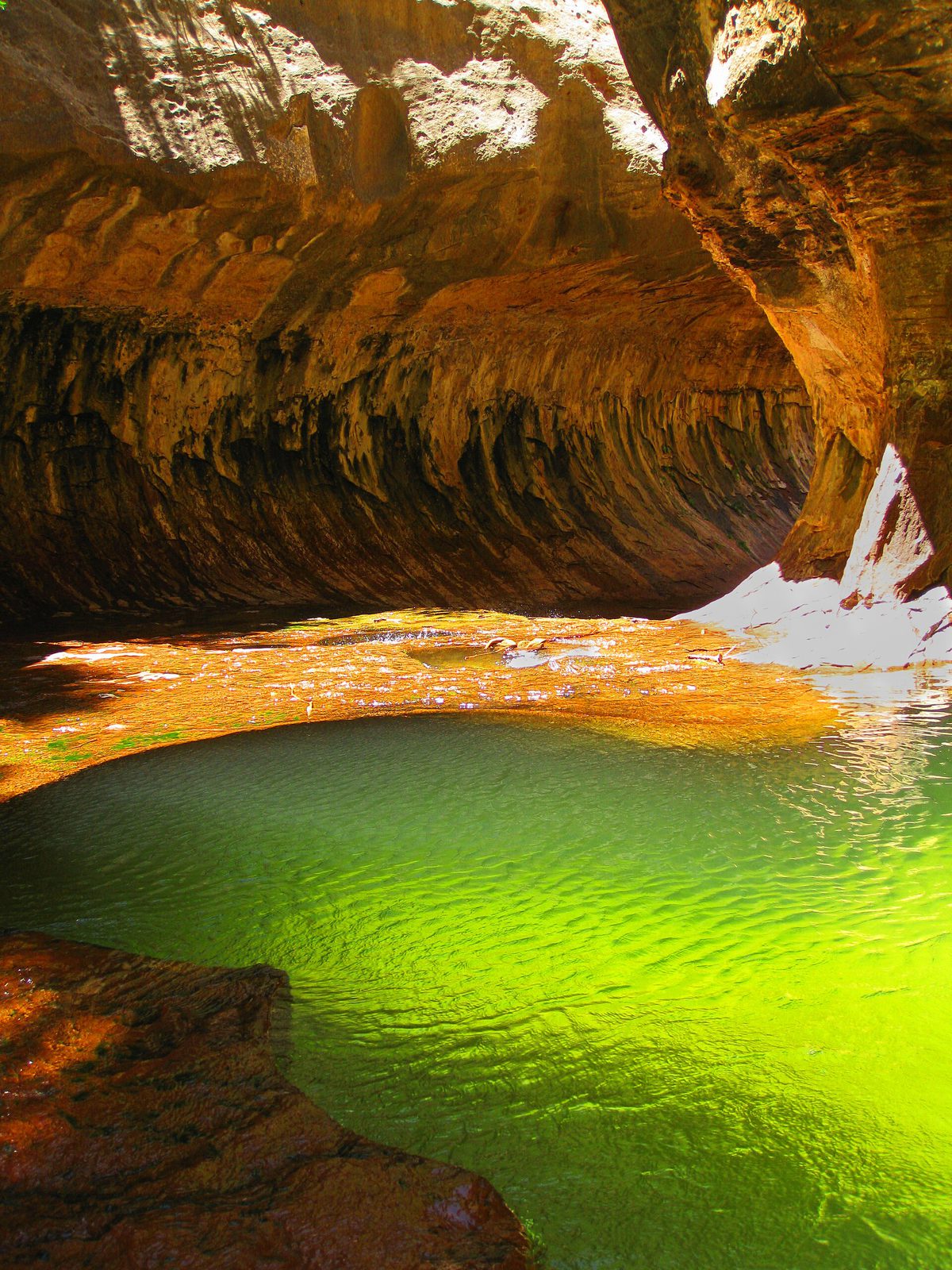 The SubwayZion NP · UtahPermitLotterytough odds
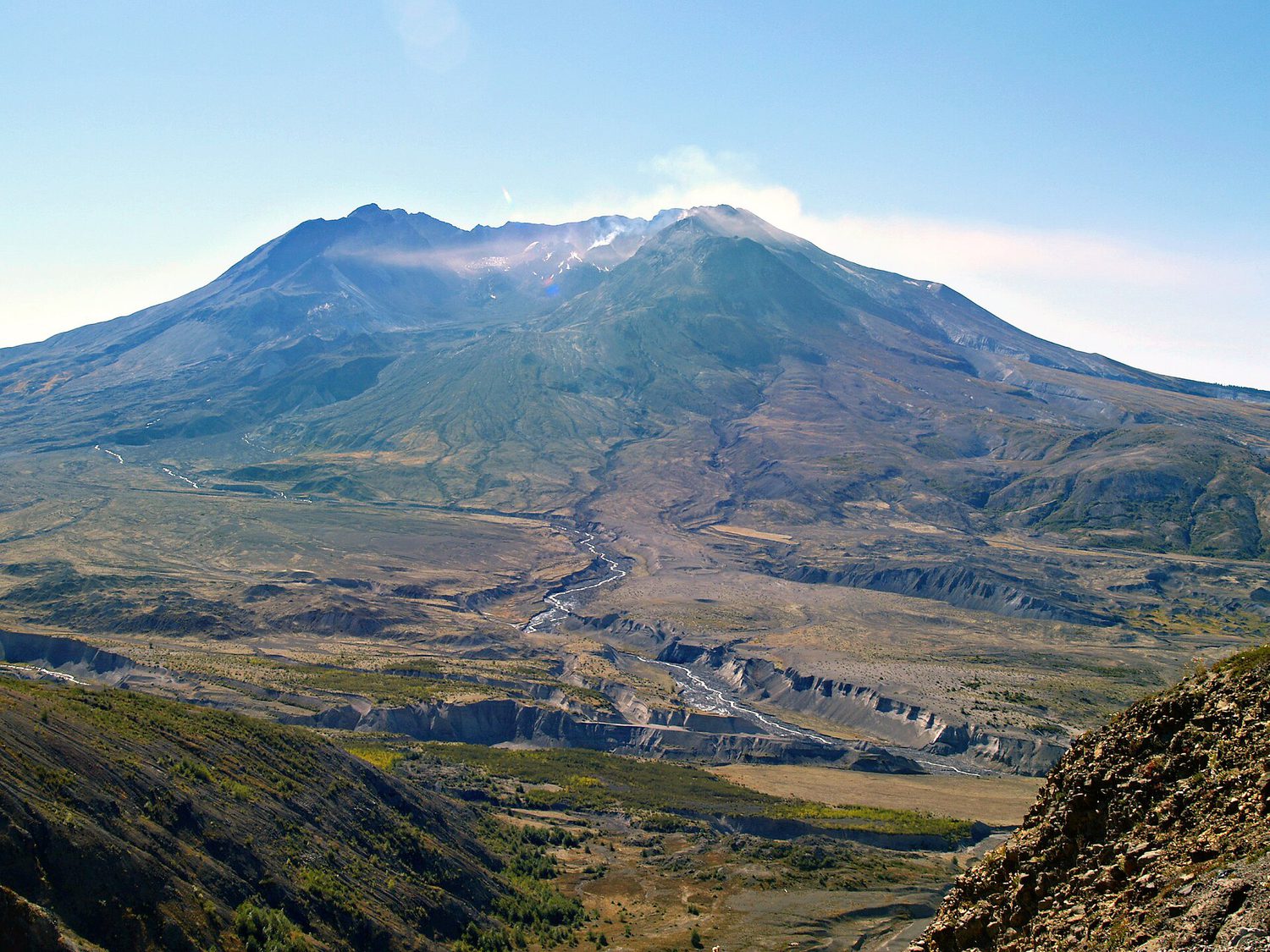 Mount St. Helens Summit ClimbGifford Pinchot NF · WashingtonPermitReservationtough odds
How it works
- An email the morning each window opens, never the day after.
- A 14-day heads-up so you can line up your group and dates.
- Win odds and a ranked backup plan for every trail you pick.
Didn't win? We keep watching. We check recreation.gov every day for The Enchantments, Half Dome and Angels Landing, and email you the moment a sold-out date frees up. Cancellations are the second chance most people never hear about.